My In-Laws Learned We Pay For Dinner, Then Started Making The Invitations Themselves
Some social conventions are so deeply ingrained that they hardly need to be stated aloud. You show up with a little something when visiting someone’s home, you acknowledge a gift with a written thank-you, and—perhaps the most universally accepted norm of all—whoever does the inviting is the one who covers the cost. It’s a straightforward, courteous principle that spares everyone from uncomfortable moments.
Yet, one woman recently turned to the internet to recount an experience that shows not everybody honors these long-standing customs. Her story of goodwill morphing into entitlement involving her in-laws resonated with thousands of readers, prompting many to question where generosity ends and being exploited begins.
The Incident
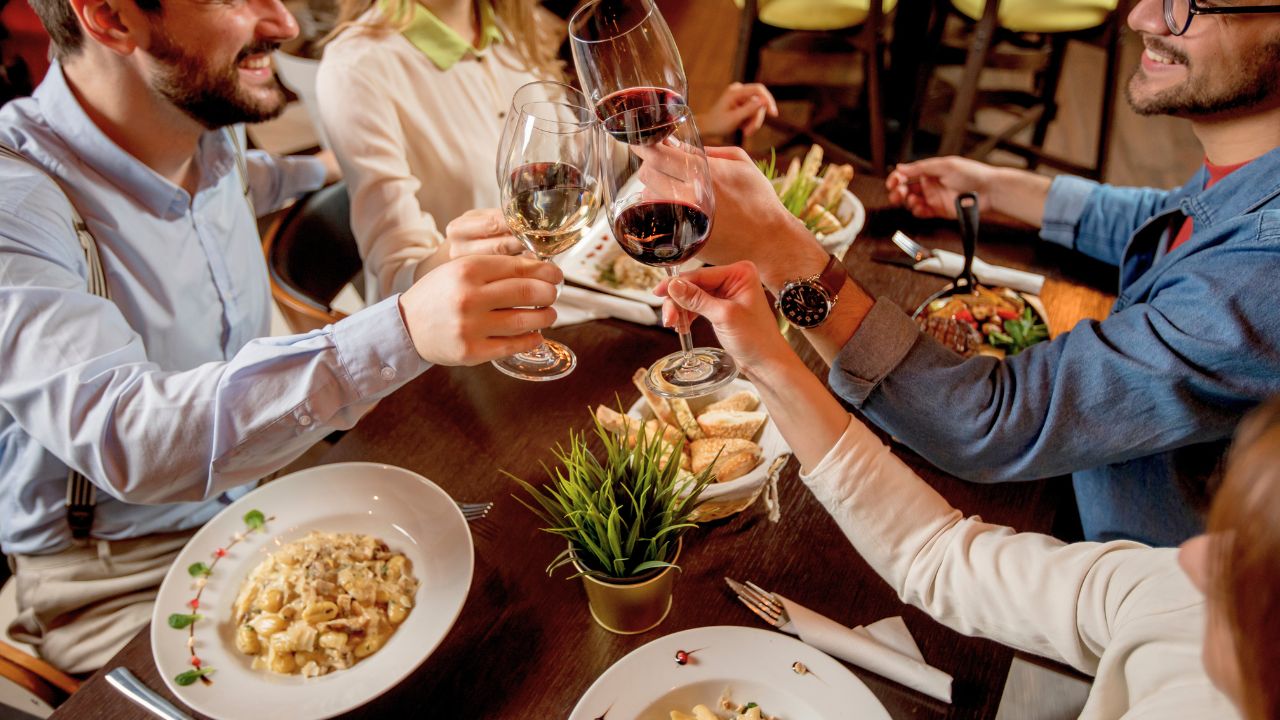
It all started with a genuinely kind gesture. The woman and her husband, self-described “amateur foodies,” appreciated their comfortable financial situation and loved introducing others to exciting restaurants. Every couple of months, they’d take either her parents or his out for a meal, and since the invitation came from them, they always covered the check. It was a warm, thoughtful tradition.
Then, the dynamic shifted. Her in-laws began extending dinner invitations of their own. The first time, after an enjoyable meal at a spot the in-laws had selected, the mother-in-law pushed the check toward her son “without looking at it.” Caught off guard but unwilling to create tension over a modest bill, they quietly paid. Weeks later, the same thing occurred—this time at a more upscale restaurant the couple had previously taken them to.
Everything reached a breaking point when the husband casually mentioned during a phone call that his wife had earned an award at work. His mother jumped at the chance, proposing they all dine at a “very fancy restaurant” to mark the occasion. Anticipating what would inevitably happen, the wife discreetly asked her husband, “Who’s paying?” In response, he shot her a look of “daggers.”

The aftermath was immediate. Her husband accused her of being rude, insisting they had the money and his parents didn’t. To make matters worse, he relayed her comment to his parents, who then demanded an apology for being made to “feel like moochers”—along with a compensatory dinner at the exact upscale restaurant they’d been angling for. The audacity!
The Internet Reacts
Once the woman posted her account online, the response was explosive. The overwhelming majority sided with her, and they certainly pulled no punches. Commenters naturally fell into a few clear groups.
The first was the “Absolutely Not” contingent, who were completely stunned by the in-laws’ brazenness. One commenter captured the collective sentiment flawlessly: “They want another free meal to prove that they aren’t moochers? There should be a hard no to both the apology and the meal. This is an absurd position to be in.”
Another was equally direct, declaring, “That’s exactly what they are.” This group clearly believed the in-laws had violated a fundamental standard of decency.
Next came the “Husband Critics,” whose primary concern was the husband’s conduct rather than his parents’. Many believed he had let his wife down not only by siding against her but by sharing what she’d said in confidence. One commenter observed, “The most concerning thing is that your husband is taking their side and expecting you to apologize. You did nothing wrong.”
Someone else highlighted the absurdity of his decision: “Not just that, but the husband TOLD his parents what OP said in private. Apologizing for something they should have never even heard about is ridiculous.”

Lastly, the “Been There, Done That” group chimed in with their own experiences dealing with entitled relatives. One commenter reminisced about their grandparents, who were “infamous in our family for not only being moochers” but for concocting elaborate schemes to score complimentary restaurant meals. These anecdotes carried a clear message: “If you don’t nip these things in the bud, it’ll only get worse.”
The Etiquette Verdict
Let’s make one thing absolutely clear: generosity is a gift freely given, not a debt to be collected. This couple’s habit of treating their parents grew out of genuine kindness, but the in-laws warped it into something they felt entitled to. Inviting someone out to honor their accomplishment and then sticking them with the tab isn’t merely bad form—it’s manipulative behavior.
The fundamental hosting principle remains unchanged: if you extend the invitation, you handle the bill. If your budget doesn’t allow for hosting, you can propose a more affordable get-together, or simply refrain from issuing the invite. Exploiting a family member’s professional achievement as a pretext for a lavish free dinner is simply unconscionable. Although it’s encouraging that this couple eventually had an honest conversation and established firmer boundaries, the in-laws’ original behavior represented a serious violation of both family trust and basic etiquette.
Call to Action
It’s the kind of situation that calls for diplomacy paired with backbone. What’s your take? Were the in-laws genuinely clueless about proper dining etiquette, or was this a deliberate scheme to score a free meal?