A Superyacht Chef Revealed The Cruel Reality Behind Cooking For The Ultra-Rich At Sea
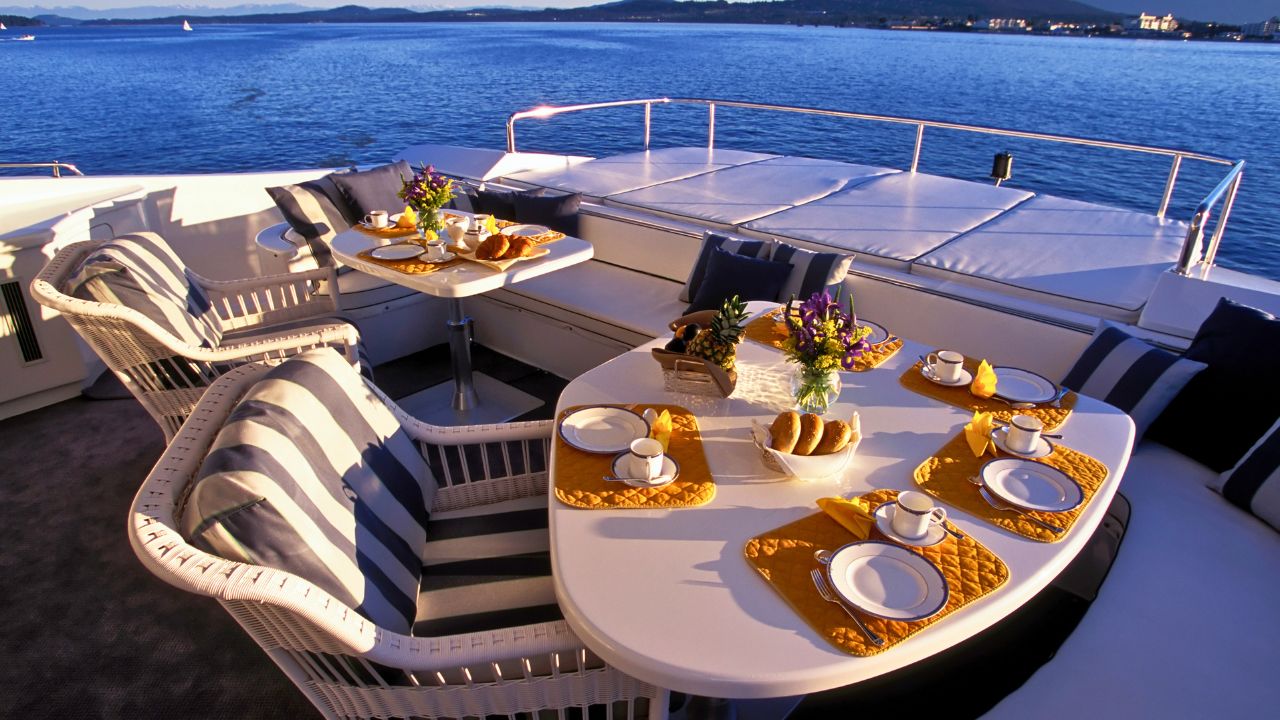
We all love the magic of a beautiful meal, that moment when a perfect plate is set before us. We rarely think about the intense, chaotic ballet happening just behind the kitchen doors. It’s a world of heat, pressure, and incredible skill that most of us never get to see. But what if that kitchen was on a 288-foot superyacht, miles out at sea?
Recently, a head chef with over eight years of experience in that exclusive world took to the internet to give us a peek behind the curtain, and the reality of life below deck is more shocking than you can imagine.
The Kitchen Nightmare
For many, cooking on a luxury yacht sounds like a dream job—sailing to exotic ports and serving celebrities. But Chef Rachel Cunningham shared a story that reveals the dark side of this glamorous life. The work is relentless, often seven days a week with very few days off, even when guests aren’t on board. You are always on call, far from home and your loved ones.
Imagine being in that high-pressure environment when you receive the worst possible news. The chef shared her harrowing experience: “My brother ended up in a coma from a motorbike accident and I wasn’t allowed to go home.” It’s a chilling reminder that behind the five-star service, there are real people making immense personal sacrifices. The dream job quickly became a nightmare, trapped at sea by an unyielding management team while her family faced a crisis thousands of miles away.
The Boiling Point
This wasn’t a case of a demanding guest or a difficult dinner service; it was a crisis of basic human decency. While her brother’s life hung in the balance, the chef was told she had to stay and work. This moment became her boiling point, a stark realization about the true nature of her job. She explained that often, the ultra-wealthy yacht owners are completely unaware of the conditions their crew endures.
“Often yacht owners have no idea about what happens below deck,” she revealed. The problem, she insists, isn’t necessarily the owners themselves, but the people they put in charge. “So many times crew work on ‘bad boats’ it really comes down to ‘bad captains and management’.”
In that moment, the chef understood that no salary could compensate for a lack of compassion from her superiors. It was a powerful and clarifying experience that ultimately led her to leave that vessel, armed with a hard-won lesson about the importance of working for good people, not just a good paycheck.
The Internet Reacts
The chef’s candid story sparked a massive online conversation, with people gathering into a few distinct camps. First, there were the Industry Veterans who completely understood her plight. One fellow yacht chef shared their own experience of being exploited, writing, “You were getting taken advantage of WAY too much with those salaries!!!”
Another new chef, about to start their first solo gig, received urgent advice: “Prep your a.. off… you will not have anyone else to rely on.” These comments painted a picture of a demanding industry where only the toughest survive.
Then came the Appalled Diners, everyday people who were stunned by the lack of humanity shown by the yacht’s management. Reading about the 24/7 on-call schedule, one commenter expressed pure shock. “That’s insane… If I was a guest and I woke you up in the night for some food, I’d probably die of guilt!” This sentiment was echoed by many who couldn’t fathom the level of personal sacrifice required for the job.
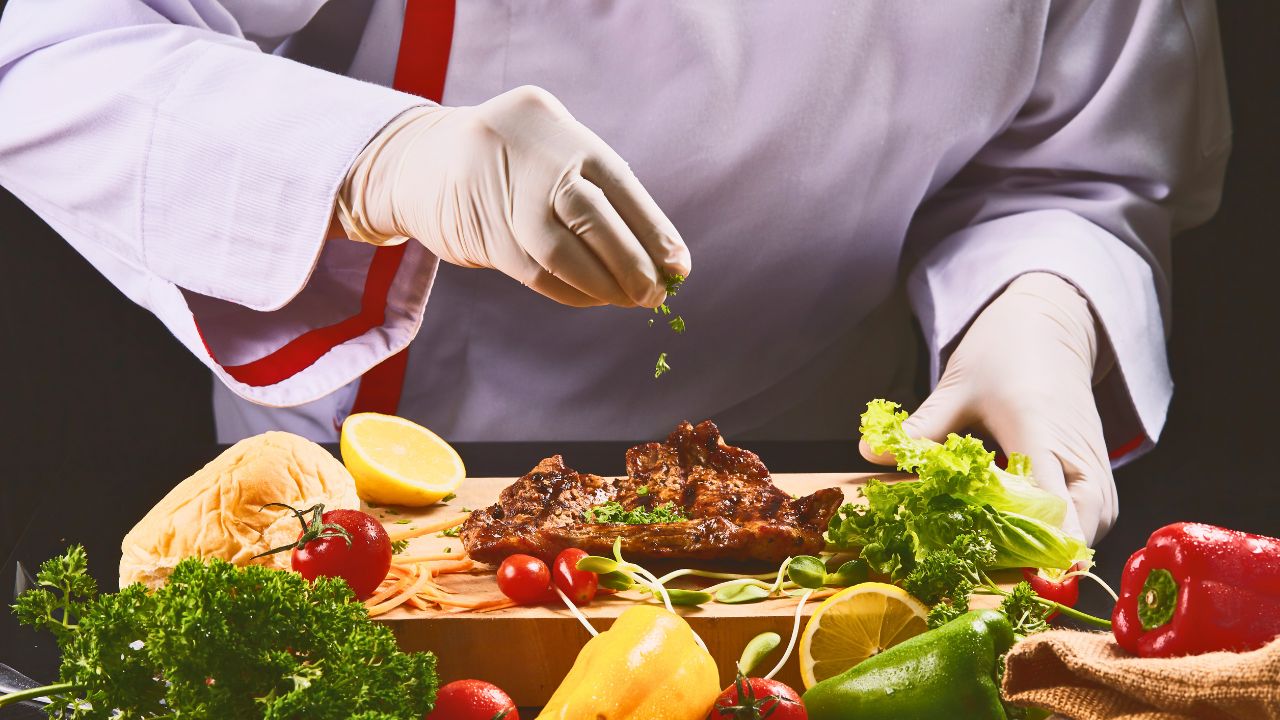
Finally, there were the Curious Foodies, who were fascinated by the culinary details of life at sea. They peppered the chef with questions about everything from her favorite knife (a simple Shun) to adapting recipes for life on the water. One particularly quirky request for an “insane raw onion salad” for a Saudi family sparked a whole side discussion, with readers trying to deconstruct the recipe. It showed a deep appreciation for the chef’s craft, even amidst the difficult working conditions.
The Etiquette Verdict
There is an unspoken contract when we dine out, a bond of respect between the guest and the culinary artist. But this story reveals another, more important contract: the one between an employer and their staff. The glamour of a superyacht or a Michelin-starred restaurant means nothing if the people creating the magic are treated without basic dignity.
Denying an employee the right to be with their family during a medical emergency is not just bad management; it is a profound failure of character. Behind every perfect meal is a human being, and their well-being should always come first.

Your Thoughts
Does the allure of a high-paying, glamorous job justify such immense personal sacrifices, or is this a clear example of an industry that needs to treat its people better?