Aunt Fuming After I Made My Picky Cousin Share a Meal to Stop Her From Wasting Food
There are unspoken social codes most of us live by, and near the top of the list is the principle that you graciously accept a kindness without picking it apart. When someone goes out of their way for you—for instance, treating your kid to an entire day of fun—the appropriate reaction is thankfulness, not nitpicking. It’s a basic equation of reciprocity that keeps relationships between friends and relatives humming along.
Yet, a woman recently posted a story on the internet that demonstrates some people never received that lesson. Following an act of genuine generosity, she found herself under fire from her own aunt over a choice she considered nothing more than practical thinking.
The Incident
The woman at the center of this tale is a young mom with two kids, and she decided to do something genuinely sweet for her extended family. She offered to bring her six-year-old cousin along with her own children (a four-year-old and a six-year-old) for a delightful outing at the beach. Sounds like the recipe for an idyllic summer day, right?
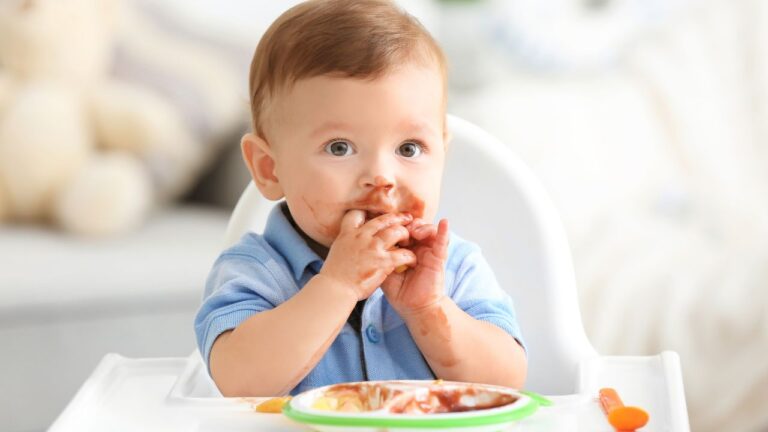
Everything went beautifully until hunger set in. The woman already knew from plenty of prior experience that her young cousin was a notoriously fussy eater. As she put it, “anytime I buy her food while we’re out or cook anything, she takes a few bites and throws the rest away.” Fed up with seeing perfectly good food and her hard-earned cash wind up in the garbage, she opted for a new strategy.
She informed her little cousin that rather than ordering a separate meal, the two of them would split one together. In the interest of being completely fair, she even allowed the girl to pick something they’d both enjoy. The catch? Her own two kids each received their own individual kids’ meals. Understandably, the six-year-old wasn’t happy about being the only one who had to share.
Sure enough, exactly as the woman had anticipated, once their shared meal was served, her cousin “took a few bites and then said she was full.” The remainder of the outing went perfectly well, with plenty of snacks and even an ice cream cone for every child. But the moment she brought her cousin back home, a cold text from her aunt arrived, demanding an explanation for why her daughter had been singled out and denied her own meal.

The aunt’s proposed fix? She should have simply boxed up the uneaten food as leftovers. But for the woman who had spent an entire day wrangling three young children, the point wasn’t about saving scraps—it was about instilling a value of not being wasteful, a lesson she has already been working on with her own kids.
The Internet Reacts
Once the woman turned to the internet seeking feedback, the response was sharply split down the middle. Commenters poured in, rallying into fiercely opinionated camps on the matter.
On one side stood the “Absolutely Not” brigade, who backed the woman without hesitation. They recognized a pragmatic person making a logical choice. One commenter summed up the reasoning for not purchasing the child a separate meal succinctly: “Because enabling wastefulness is wrong.”
Someone else was even more blunt, stating, “I’m not wasting my money and buying you food I know will be wasted… If her mom wants that, she can send the money for it.” For people in this camp, the child had been fed and cared for, and that really should have been the end of the discussion.
On the other side emerged the “Devil’s Advocate” contingent, who acknowledged the woman’s reasoning was logical but argued it entirely overlooked the emotional dimension. Their position was that a six-year-old is simply incapable of grasping ideas like budgeting and food waste. The only thing she registered was being treated differently from the others. As one person commented, “It felt unfair and it hurt her 6 yo feelings. Fairly.”
A different commenter took an even stronger position, writing, “You bought 2 of 3 kids a meal. This is evil stepmother behavior in my book.” In their view, the obligation to treat every child identically outweighed any worries about a handful of leftover chicken nuggets.
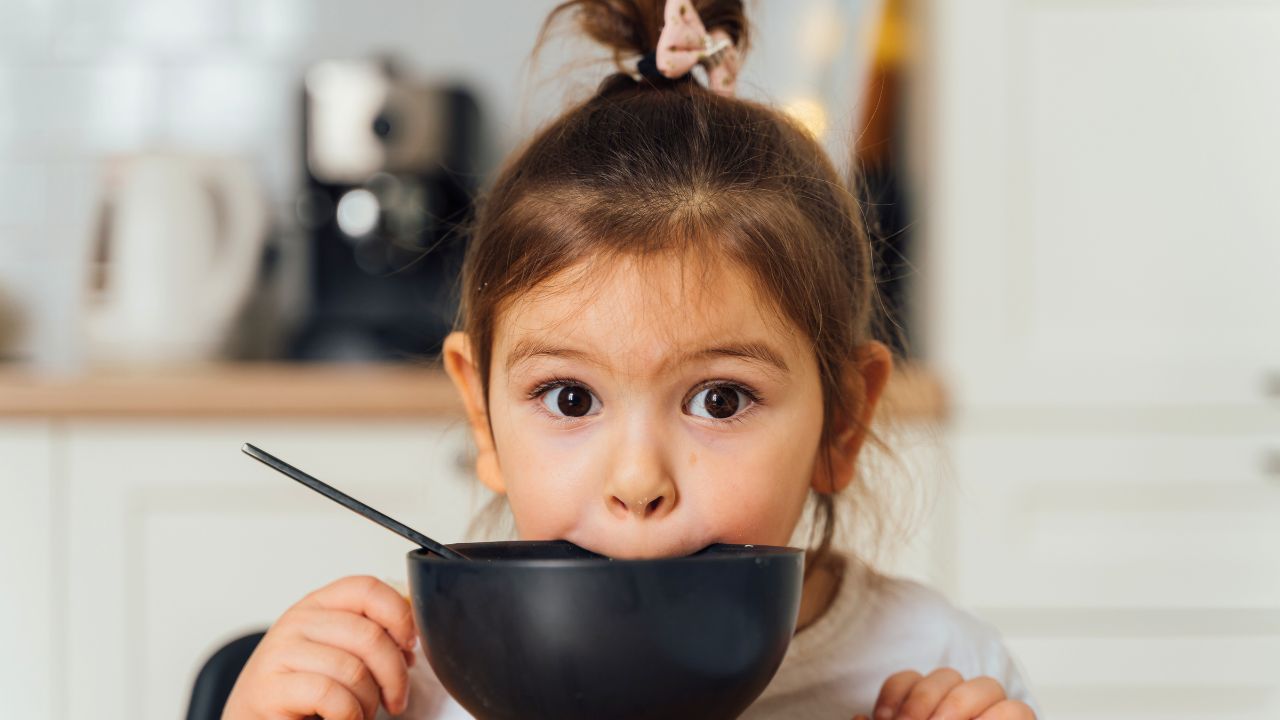
Lastly, there was the “Clever Solutions” group. These commenters believed the entire conflict could have been sidestepped with a touch of creative reframing. They didn’t necessarily fault the woman’s decision, just the way she carried it out. One widely praised suggestion was to completely recast the scenario: “You should say you didn’t get yourself a meal and you just ate her leftovers.”
Someone else chimed in with comparable wisdom: “Next time order meals for all 3 kids and whatever she doesn’t finish is your lunch.” The end result is identical, they reasoned, but without leaving a child feeling excluded.
The Etiquette Verdict
Let’s be honest here. Although I fully appreciate that children’s emotions are sensitive and fragile, the real breach of courtesy in this scenario belongs to the aunt. When someone kindly volunteers to look after your child for an entire day, you simply don’t get to second-guess every parenting choice they make—particularly when your daughter comes home safe, happy, and with a full belly.
The woman in charge exercised her judgment based on repeated past experience. She held her cousin to the exact same standard she holds her own children to, which is, by any reasonable measure, the textbook definition of fair treatment. The cardinal rule for parents whose kids are picky eaters is straightforward: either send along food you know they’ll eat or include some cash with clear instructions. You absolutely cannot expect someone else to bankroll your child’s wasteful eating patterns and then criticize how they handled it.
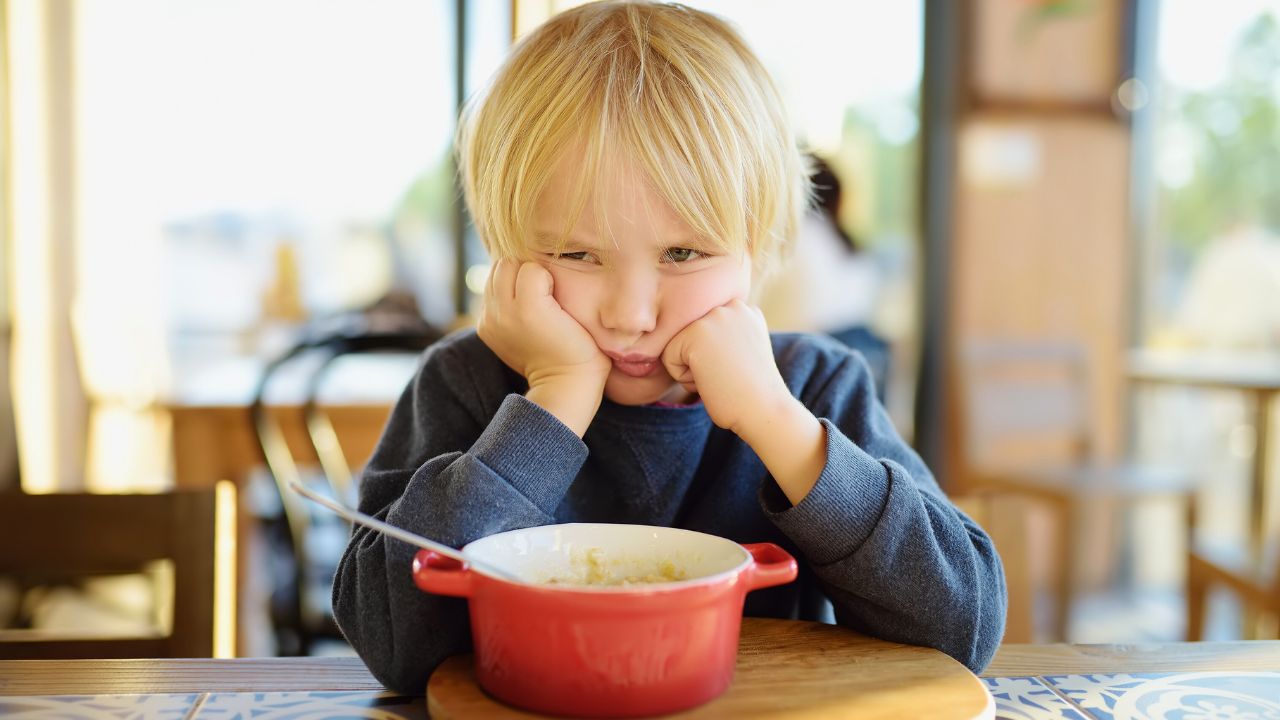
Your Turn to Weigh In
This scenario has obviously hit a raw nerve, setting common sense squarely against emotional sensitivity. So, which side are you on?
Was this a sensible approach to discouraging food waste, or was it an insensitive way to handle a child in her care?