I Refused to Make a Cheese Sandwich for a 4-Year-Old Because I ‘Didn’t Feel Like It.’ Now His Mom Boycotted My Party.
We all know that when you are a guest in someone’s home, you eat what is served with a smile and a thank you. It’s a fundamental rule of good manners that we learn as children.
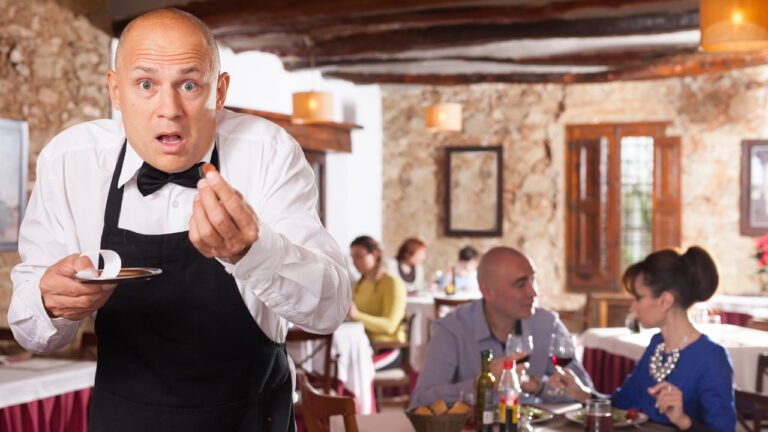
However, what happens when the host is the one who seems to have forgotten the rules of graciousness? One woman recently took to the internet to share a story about a dinner party that fell apart over a very simple request, proving that hospitality can sometimes get lost in the shuffle.
The Incident
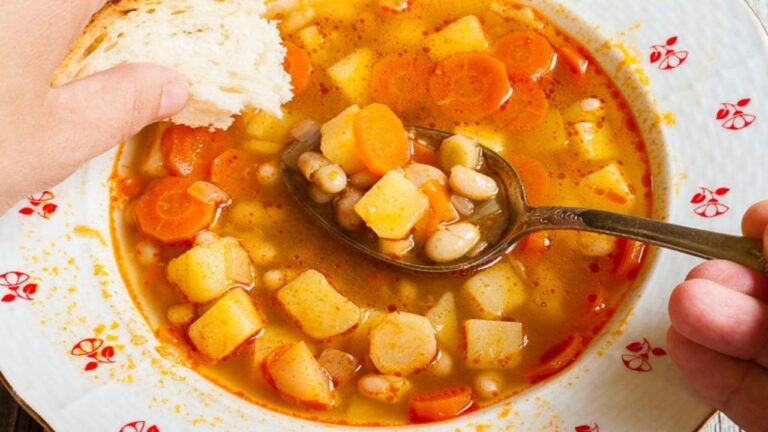
A woman, planning what sounded like a lovely dinner party for friends, decided to make two delicious-sounding frittatas: one with goat cheese, tomato, and asparagus, and another with bacon, cheddar, and mushroom. The morning of the party, a friend who was planning to attend with her four-year-old son reached out to ask about the menu. Upon hearing the options, she worried her son wouldn’t eat them and asked if the host could possibly make a plain one for him.
The host explained that this wasn’t possible, as she didn’t want to “subject everyone else to eating a boring one” and only had ingredients for her planned recipes. The mother then made an even simpler request: could the host perhaps “throw together a cheese sandwich or plain scrambled eggs for her kid?” The host’s answer was a flat no. She later admitted her reasoning was simply that she “didn’t feel like going out of my way.”
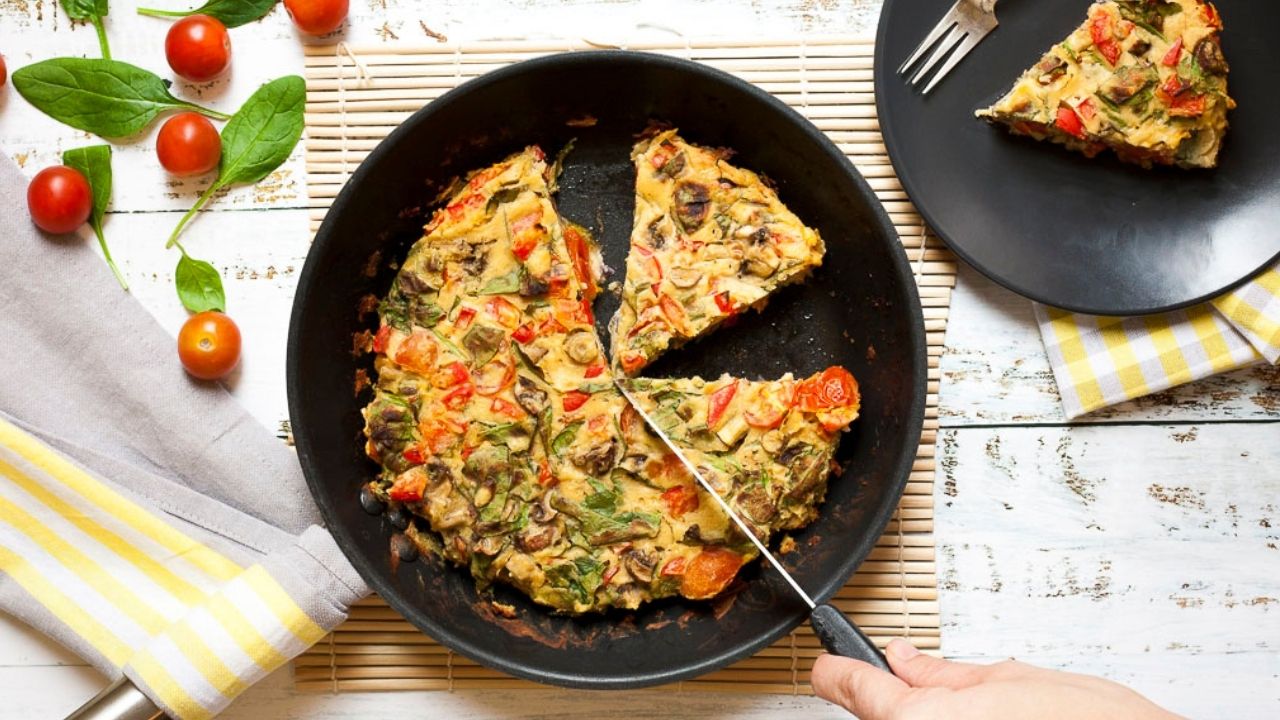
Understandably, the friend was offended. The host knew the family was coming straight from work without time to stop home for dinner, and that they couldn’t afford a babysitter. In the end, the family didn’t show up to the party at all. The host, left with a guilty conscience, asked the internet if she was in the wrong.
The Internet Reacts
The online community had plenty to say, and the vast majority of people were firmly on the side of the guest. They were baffled by the host’s unwillingness to perform such a simple act of kindness.
The “Absolutely Not” crowd was appalled by the host’s rigidity. One commenter put it bluntly: “You were being difficult just for the sake of it. Making scrambled eggs for a 4 year old isn’t ‘going out of your way’ to do something special. It’s just scrambled eggs.”
Another pointed out the sheer simplicity of the alternative, writing, “A cheese sandwich is even easier. Take a slice of bread, put cheese on it, add another slice of bread. Done! It doesn’t even dirty any extra dishes.” Many felt the host’s behavior was just plain unwelcoming.
A few people played “Devil’s Advocate,” suggesting that a host’s kitchen isn’t a restaurant. One person, the mother of a picky eater herself, commented, “just because she’s hosting a dinner doesn’t make her a restaurant… I’m the mom of a picky eater… Whenever we went to someone’s house for a meal, he ate what he would or he didn’t eat.” Another agreed, saying it was “embarrassing that mom even asked.” This camp felt the responsibility should always lie with the parent, not the host.
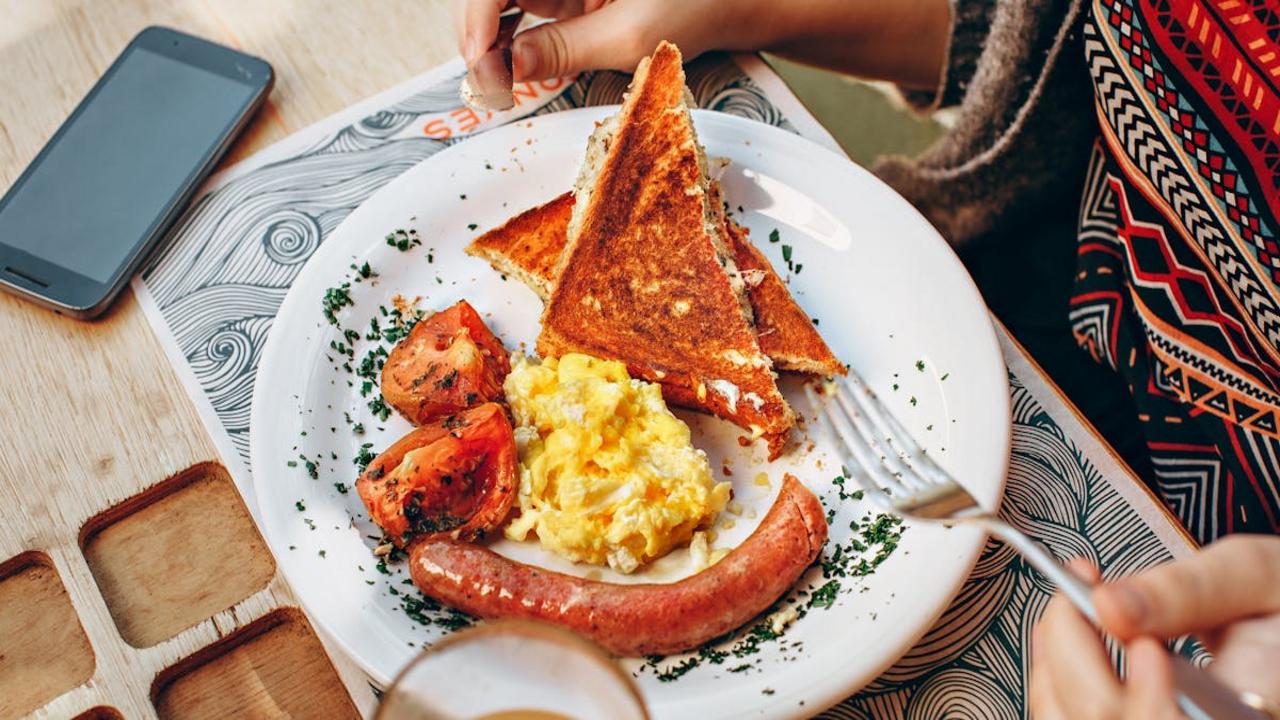
However, a third and very vocal group argued that the child wasn’t even being a “picky eater.” They pointed out that many adults, let alone four-year-olds, would turn their noses up at the host’s menu. As one person noted, “There are a lot of adults who wouldn’t really want to eat goat cheese, asparagus, or mushrooms.”
Another was even more direct: “The kid isn’t picky bc he won’t eat a frittata with goat cheese. Even adults don’t like that.” This group felt the host failed to consider her guests—especially the youngest one—when planning her menu.
The Etiquette Verdict
While a host is certainly not a short-order cook, the entire point of hosting is to make your guests feel welcome and cared for. This woman knew well in advance that a small child was attending. To refuse a request that would have taken, at most, five minutes—using ingredients she already had on hand for the main course—is simply poor form. True hospitality is about generosity of spirit. It’s about putting a guest’s comfort before your own minor inconvenience. A simple cheese sandwich would have saved a friendship and an evening.

Your Thoughts
Was the host right to stand her ground on the menu she planned, or was her refusal to make a simple sandwich the height of poor hospitality?