
My Cousin Demanded Steak Tartare. I Hid Onions in His Quiche, and My Aunt Accused Me of ‘Poisoning’ His Dinner.
We all learn from a young age that when you are a guest in someone’s home, you eat what is served. You don’t have to love it, but you should be gracious, polite, and certainly never throw a tantrum at the dinner table. It’s a simple rule of hospitality that shows respect for your host’s efforts.
However, one young woman recently took to the internet to share a story that proves not everyone follows these basic rules of etiquette, especially when her own cousin came to stay for the summer.
The Incident
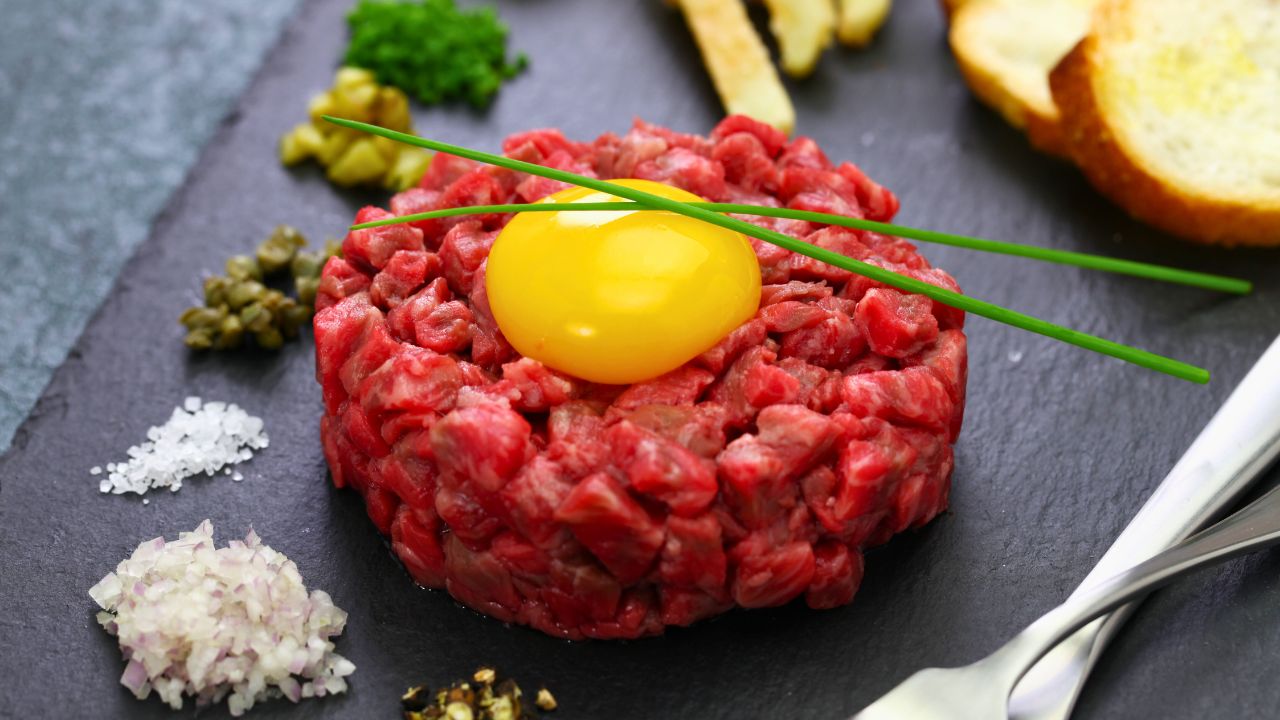
A 16-year-old girl found herself in a frustrating situation. For the entire summer, she was tasked with cooking lunch and dinner for her family and her visiting 16-year-old male cousin while her parents were at work. The problem, she explained, was that her cousin was an impossibly picky eater. He had a bizarrely specific list of acceptable foods—like “traditional french dishes” and “steak tartare”—but a much longer list of things he refused to touch, including most vegetables, certain meats, and even ketchup.
This wasn’t just a simple dislike; the young man would “basically throw a fit if a meal isn’t to his liking.” His most dramatic aversion was to cooked onions. He claimed to hate them with a passion, despite his cousin having seen him eat raw onions without issue. After weeks of his complaining and food refusals, the young cook reached her breaking point.
She decided to make a quiche for dinner, a dish that relies heavily on onions for flavor. Fed up, she “decided to chop them up very finely and hide them amongst the rest of the quiche.” At dinner, her cousin ate the quiche and declared that he liked it. Perhaps she should have let it go, but after the meal, she revealed her secret. He was furious, immediately called his parents, and his mother—the girl’s aunt—accused her of “basically poisoning” her son.
The Internet Reacts
The online community was buzzing with opinions, and readers quickly formed camps around this family food fight. Most people, it seems, were appalled by the cousin’s behavior and his mother’s over-the-top reaction.
The “Absolutely Not” crowd was firmly on the young cook’s side, expressing outrage at the cousin’s sense of entitlement. One commenter summed it up perfectly: “Your cousin sounds both entitled and rude and your aunt obviously supports his behavior.”
Another pointed out the absurdity of a teenager dictating the family menu, saying he should have three options: “Eating your food, Making his own food, [or] Starving.” Many also questioned why the 16-year-old girl was expected to cook for her male cousin of the same age in the first place, calling the arrangement unfair.
Then there was the “Devil’s Advocate” camp, which tried to find a reason for the cousin’s behavior. Some suggested he might have sensory issues with food textures. “Texture is likely the problem,” one person wrote, explaining that finely chopping the onions would have eliminated the texture he disliked.
Others, however, felt that lying about food is always wrong, regardless of the reason. “Everyone has the right to decide what goes in their body,” a user argued, even if they are being a difficult houseguest.

Finally, the “Petty Revenge” crowd—or perhaps we should call them the “Practical Solutions” crowd—chimed in with what they would have done. The overwhelming consensus was that a 16-year-old is more than capable of feeding himself. “He’s sixteen, he should be able to make his own sandwich,” one popular comment stated.
Another user agreed, saying, “If he doesn’t like your food he can either not eat anything or make his own goddam food.” The message was clear: this young man was old enough to fend for himself if he was going to be so demanding.
The Etiquette Verdict
While deceiving someone about the ingredients in their food is generally poor form, this situation is an exception that proves the rule. The true etiquette failure here belongs to the cousin and his enabling mother. A guest, particularly a teenager staying for an entire summer, has a responsibility to be gracious and adaptable. Expecting a 16-year-old host to become your personal chef is simply out of line.
He is not a toddler, and his food preferences are not allergies. The aunt’s accusation of “poisoning” is not only ridiculous but also deeply insulting to people who suffer from genuine food allergies and intolerances. The golden rule of being a houseguest is to cause as little disruption as possible. This young man did the opposite.

Your Thoughts
What do you think of this family drama? Did the cousin’s entitled behavior justify the “onion trick,” or is it never acceptable to deceive someone about what they are eating?
Ready for the next level of insight? Discover more in my latest article here.