10 Ridiculous Food Myths That Are Shockingly True and Worth Trying in Your Kitchen
You’ve heard them all—those wild food tales your grandma swore by or that weird kid at school who insisted watermelon seeds would sprout in your belly. Most sound like complete nonsense, right? Wrong! Some of these bizarre claims actually have scientific backing, and they’re way more interesting than you’d think.
From radioactive bananas (yes, seriously) to the real reason turkey knocks you out on Thanksgiving, these myths walk the line between folklore and fact. Some will make you laugh, others will blow your mind, and a few might even change how you stock your pantry. Who knew that crackers could be your secret weapon against hiccups?
Get ready to question everything you thought you knew about food. These ten myths aren’t just entertaining party trivia—they’re backed by science, history, or just plain weird chemistry. Your kitchen is about to become your favorite experimental lab, and trust me, you’ll never look at chocolate or spinach the same way again.
Crackers can cure hiccups
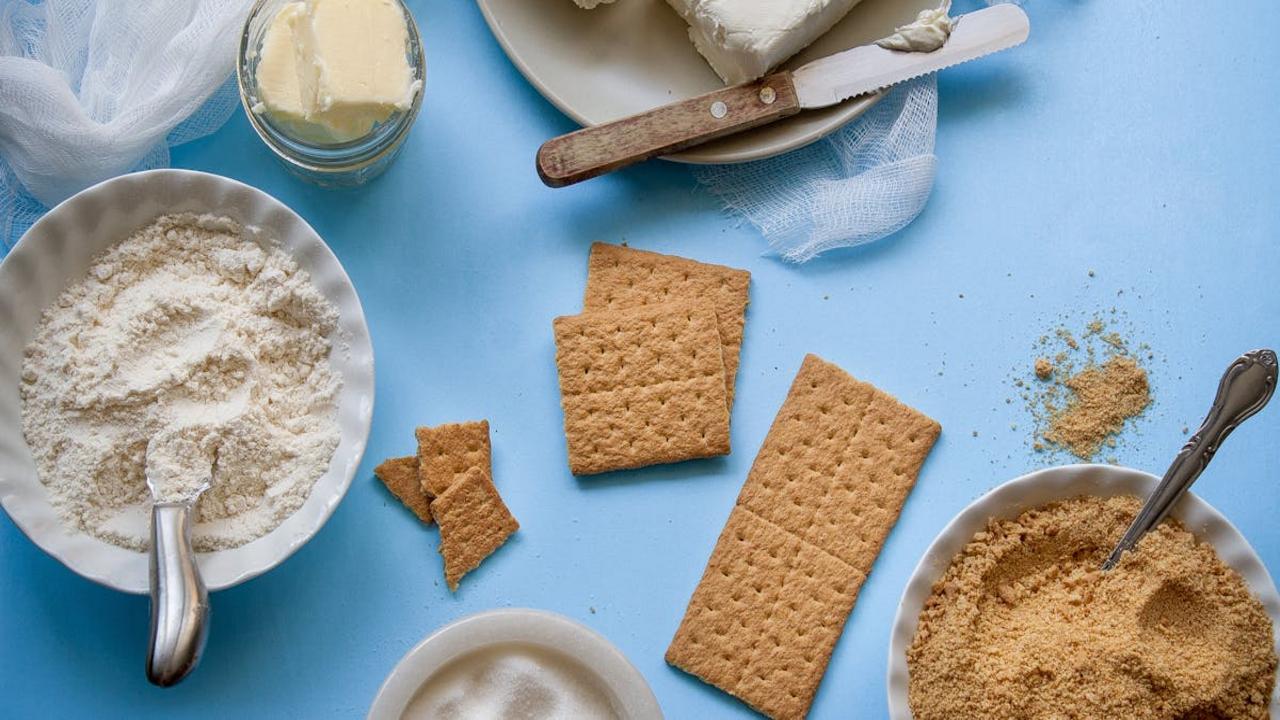
Look, I’ve tried everything for hiccups: holding my breath until I’m blue in the face, drinking water upside down (which ended with me drenched and still hiccupping), and even having someone jump out and scare me. But crackers? That’s a new one that actually works, and science backs it up. The theory goes like this: when you eat a dry cracker, your swallowing pattern changes completely. You’re forced to chew longer, produce more saliva, and swallow more deliberately than usual. This process interrupts the spasmodic contractions of your diaphragm that cause those annoying hiccups. Plus, the vagus nerve—that wandering troublemaker responsible for your hiccup fits—gets stimulated in just the right way to reset itself. It’s like turning your body off and on again, but with snacks.
The best part? Any plain cracker works, though saltines are the go-to recommendation because they’re super dry and require serious chewing commitment. Just grab a couple, chew them thoroughly without drinking anything, and swallow slowly. I keep a box in my pantry now specifically for this purpose, right next to the pasta and canned beans. My roommate thought I was pranking her when I handed her crackers mid-hiccup attack last week, but thirty seconds later, she was hiccup-free and convinced I’d performed some kind of carb-based miracle. The remedy works because it’s not about the cracker itself—it’s about forcing your body to focus on a new task that’s annoying enough to override those involuntary spasms. Who knew that your cure for hiccups was sitting in your pantry this whole time?
Spinach makes you strong
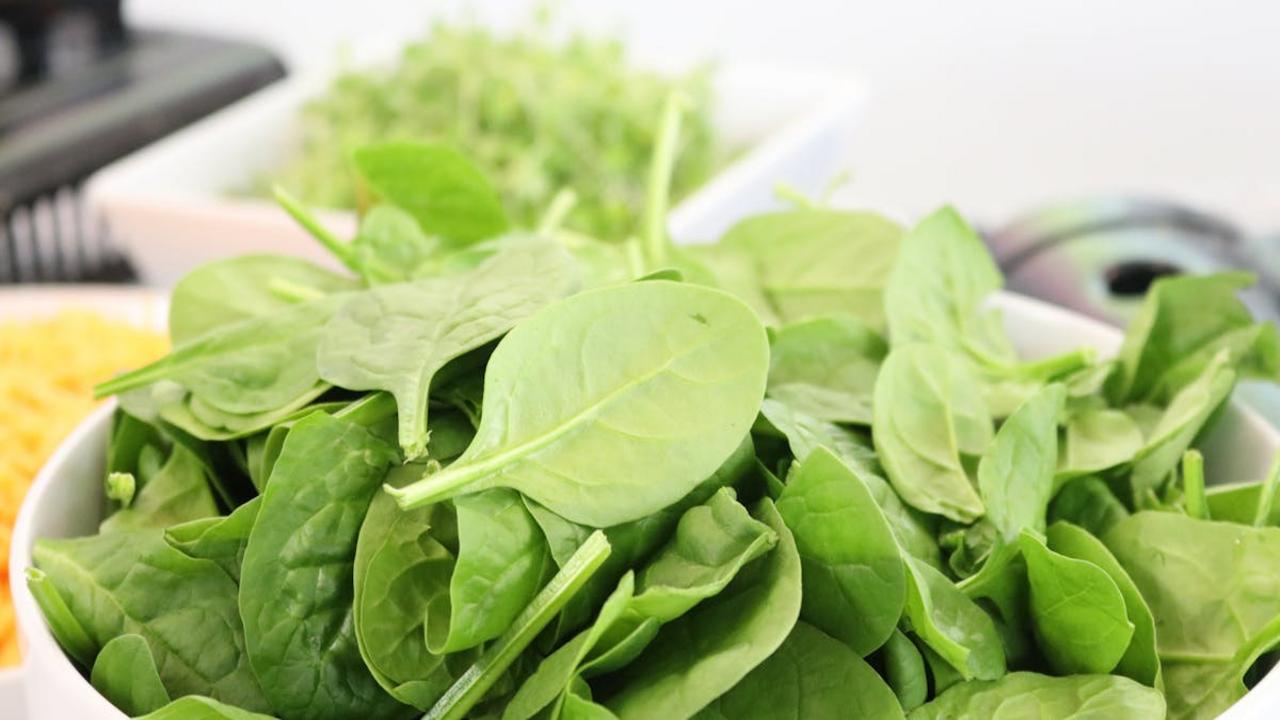
Remember Popeye squeezing open that can of spinach and suddenly sprouting biceps the size of bowling balls? Turns out there’s a kernel of truth buried in that cartoon mythology, though you won’t be punching out villains after a salad. Spinach genuinely packs a nutritional punch that’ll make your body say “thank you” in ways your muscles will definitely appreciate. It’s loaded with iron, magnesium, and nitrates—yes, the same compounds that make beets so beloved by athletes. These nitrates help your blood vessels relax and improve oxygen flow to your muscles, which means better endurance and less fatigue when you’re hauling groceries or chasing after kids. The iron content supports hemoglobin production, which carries oxygen throughout your body, and while you won’t suddenly lift cars overhead, you’ll notice you’re not quite as exhausted after everyday activities. Plus, spinach contains tons of vitamin K for bone strength and folate for cell repair.
Here’s where things get interesting: cooking spinach actually makes certain nutrients more available to your body, so toss it in a pan with garlic and olive oil, or blend it into smoothies with citrus fruits—the vitamin C helps your body absorb all that iron more efficiently. You can sneak handfuls into pasta sauces, omelets, or even brownies without anyone noticing (seriously, chocolate masks everything). Fresh spinach wilts down to almost nothing when heated, so that giant bag you bought will shrink to about two bites, meaning you can pack way more greens into a single meal than you’d manage in a raw salad. The real magic happens when you eat it regularly rather than expecting instant Popeye-style transformation. Your body gradually builds up strength, stamina, and resilience, proving that sometimes cartoon wisdom isn’t entirely ridiculous—just slightly exaggerated for dramatic effect.
Fish is brain food

Your grandmother wasn’t just being pushy when she made you eat salmon every Tuesday—she was actually onto something brilliant. Fish, particularly the fatty varieties like salmon, mackerel, and sardines, pack omega-3 fatty acids that literally build your brain tissue. These powerhouse nutrients improve memory, boost cognitive function, and keep your noggin sharp well into your golden years. Studies show people who regularly eat fish score better on memory tests and have larger brain volumes than those who skip seafood. Your brain is roughly 60% fat, and feeding it quality fats from fish is like giving your mental engine premium fuel instead of regular unleaded. The DHA found in fish oil helps brain cells communicate better, which means faster thinking, clearer focus, and maybe even remembering where you left your keys for once.
But here’s the truly wild part: eating fish twice a week can reduce your risk of Alzheimer’s disease by up to 60%. That’s not just impressive—that’s practically a superpower hidden in a scaly package. The best candidates for your brain-boosting menu include wild-caught salmon, rainbow trout, and even humble canned sardines (seriously, stop turning your nose up at them). If you’re worried about mercury, stick to smaller fish lower on the food chain—they accumulate less of the nasty stuff. Try grilling salmon with lemon and dill, or toss sardines on toast with avocado for a brain-friendly breakfast that takes five minutes. Your future self, still remembering every birthday and anniversary without calendar alerts, will thank you profusely. Plus, you’ll finally have a legitimate excuse for that expensive sushi habit.
Coffee stunts growth
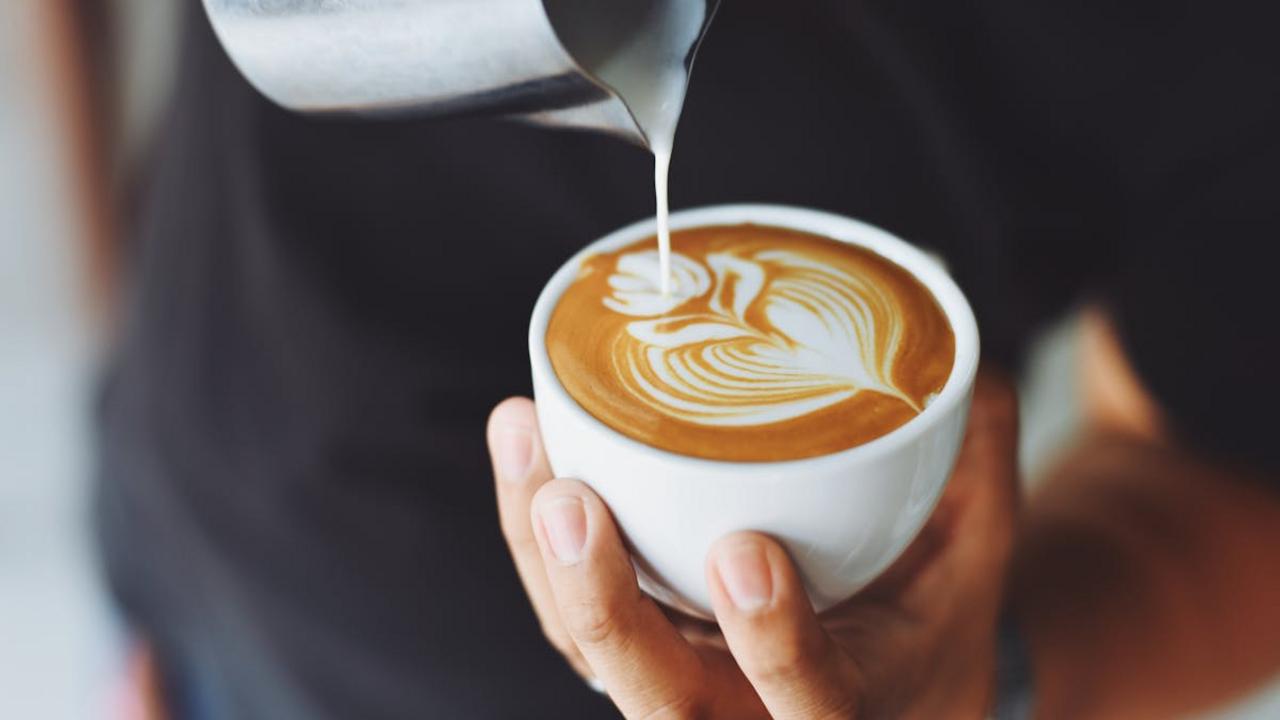
Okay, so you’ve probably heard this one a million times from your mom or your well-meaning aunt: “Don’t drink coffee, sweetie, it’ll stunt your growth!” And honestly? It’s complete nonsense. There’s zero scientific evidence that coffee affects your height in any way. Your genes decide how tall you’ll be, not your morning espresso habit. That said, there’s a tiny kernel of truth buried in this myth that’s worth unpacking. Coffee can interfere with calcium absorption if you’re chugging it by the gallon and not getting enough dairy or leafy greens in your diet. But we’re talking serious coffee consumption here—like, multiple pots a day. For most people, a reasonable amount of coffee won’t do a thing to your bones or your stature. The myth probably started because coffee contains caffeine, which can temporarily reduce calcium absorption in your intestines. But your body compensates pretty quickly, and unless you’re exclusively drinking coffee instead of eating actual food, you’re fine.
Here’s what’s actually ridiculous: coffee might not make you taller, but it can definitely make you more productive, happier, and way more tolerable in the morning. So go ahead and enjoy that cup without guilt! If you’re worried about calcium, just add a splash of milk to your brew—problem solved. The real takeaway here is that moderation matters, but coffee isn’t the villain your childhood made it out to be. In fact, studies show that moderate coffee consumption comes with all sorts of benefits, from improved focus to a lower risk of certain diseases. So the next time someone tries to scare you away from your beloved caffeine fix with this old wives’ tale, you can confidently tell them they’re wrong. Your height is already predetermined by your DNA, and no amount of lattes or cappuccinos will change that. Drink up and stand tall—or short, or whatever height you were always meant to be!
Eating watermelon seeds will make them grow in your stomach
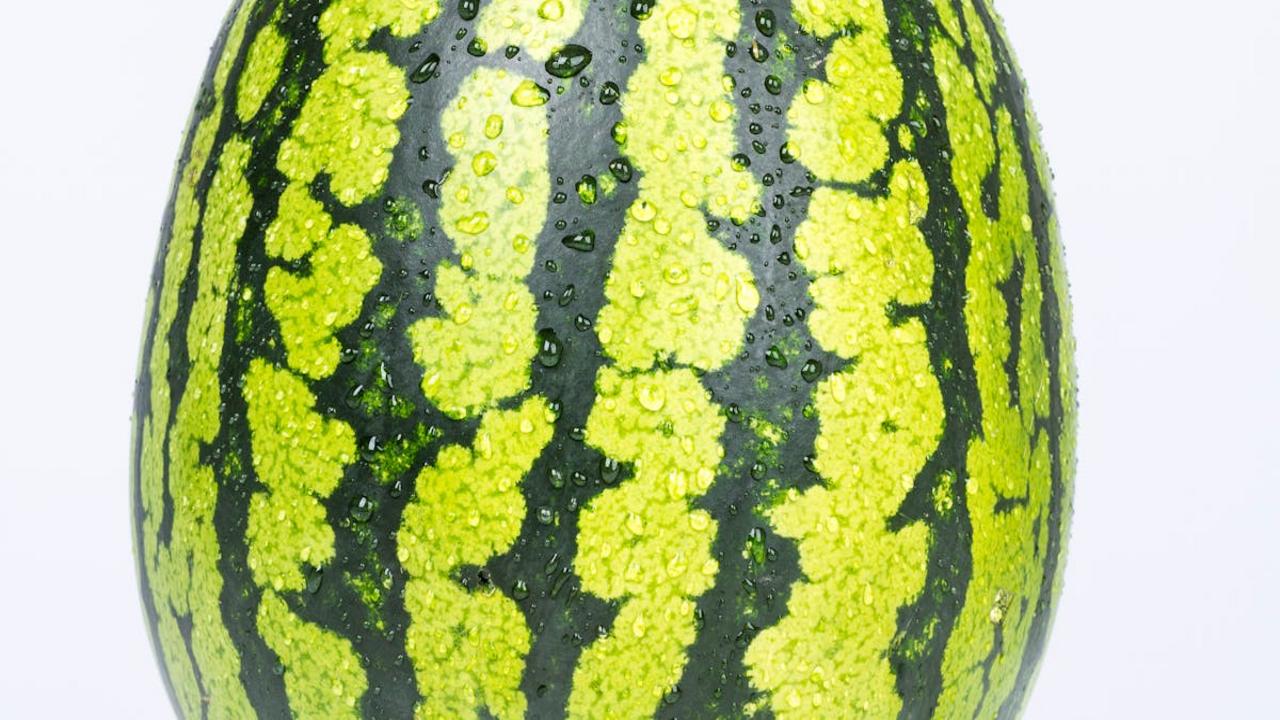
Remember when your mom warned you not to swallow watermelon seeds because they’d sprout inside your belly? Yeah, that old tale had us all terrified as kids, carefully picking out every single black seed before taking a bite. Here’s the truth: your stomach is basically a hostile environment for plant life. Those seeds need soil, sunlight, and water—not gastric acid that could dissolve metal. Your digestive system treats watermelon seeds like any other food, breaking them down and sending them on their merry way through your intestines. No internal garden, no watermelon vines poking out of your ears, just normal digestion doing its thing. The myth probably started as a clever parent’s trick to prevent choking hazards or maybe just to mess with gullible children.
But here’s where things get interesting: watermelon seeds are actually packed with nutrients! These little guys contain magnesium, iron, healthy fats, and protein. In many cultures, roasted watermelon seeds are a popular snack. You can toast them in your oven with a bit of salt and olive oil at 325°F for about fifteen minutes, and suddenly you’ve got a crunchy, nutritious treat that rivals pumpkin seeds. The Chinese have been munching on these for centuries, calling them “gua zi,” and they’re onto something good. So next time you’re face-deep in a juicy watermelon slice, don’t panic if you accidentally swallow a seed or two. Your stomach won’t become a melon patch, and you might have just given yourself a tiny nutritional boost. Who knew those scary black seeds were secretly the good guys all along?
Spicy food causes stomach ulcers

Okay, so you’ve probably heard this one a million times: spicy food will wreck your stomach and leave you with ulcers. Your grandmother swore by it, your doctor might have even mentioned it, and that one friend who can’t handle hot sauce definitely believes it. But here’s the plot twist—spicy food doesn’t actually cause ulcers! In fact, scientists have discovered that most stomach ulcers are caused by a sneaky little bacteria called Helicobacter pylori, or by long-term use of certain pain medications. Capsaicin, the compound that makes peppers hot, might actually help protect your stomach lining by increasing blood flow and stimulating protective mucus production. So that fiery salsa you’ve been avoiding? It’s innocent! The real culprits are stress (which doesn’t directly cause ulcers either, but can make them worse), bacterial infections, and popping too many NSAIDs like ibuprofen.
Now, before you go dumping ghost peppers into every meal, there’s a caveat. If you already have an ulcer or gastritis, spicy foods can irritate the existing damage and make you feel like your insides are staging a protest. But they’re not creating the problem—they’re just being a bit of a troublemaker to an already troubled situation. So go ahead and enjoy that spicy curry or those jalapeño poppers without guilt. Your stomach can handle the heat better than you think, and honestly, life’s too short to eat bland chicken every night. Just make sure you’re addressing the real issues—get tested for H. pylori if you’re having stomach troubles, and maybe ease up on those painkillers. Your taste buds will thank you, and your stomach will be just fine.
Turkey makes you sleepy

So here’s the deal with that post-Thanksgiving food coma: turkey does contain tryptophan, an amino acid that helps produce serotonin and melatonin (the sleepy-time hormones), but not in quantities that would knock you out cold. The real culprit behind your desperate need for a nap? That mountain of mashed potatoes, the third helping of stuffing, and those two slices of pie you inhaled. The carb overload triggers insulin production, which actually helps more tryptophan reach your brain. Turkey is just the convenient scapegoat while the carbs pull off the perfect crime.
Here’s something fun: chicken has about the same amount of tryptophan as turkey, yet nobody blames chicken for their drowsiness. The difference is context—you’re not stress-eating an entire roasted chicken surrounded by family drama and enough side dishes to feed a small army. If you want to test this myth yourself, try eating a plain turkey breast without any accompaniments. Chances are you’ll feel perfectly alert, maybe even a bit cranky from missing out on all those delicious extras. The sleepiness isn’t about the bird; it’s about the entire feast conspiracy working together to send you straight to the couch.
Bananas are radioactive
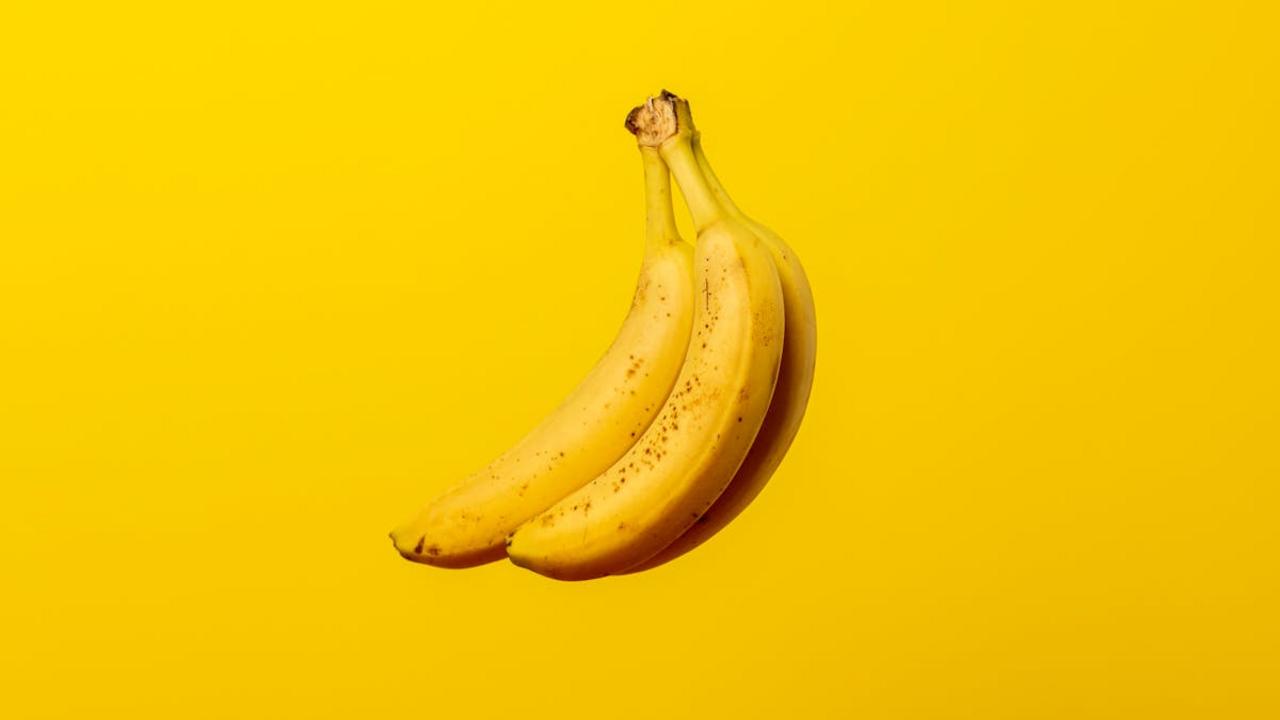
Yes, you read that right—your breakfast buddy is radioactive! Before you panic and toss your banana bread in the trash, hear me out. Bananas contain potassium-40, a naturally occurring radioactive isotope that makes them ever-so-slightly radioactive. Scientists even use something called a “Banana Equivalent Dose” to measure radiation exposure because, well, these yellow torpedoes are such a perfect example of harmless radiation. You’d need to eat about 10 million bananas in one sitting to experience anything remotely dangerous (and at that point, radiation would be the least of your worries). This quirky fact doesn’t mean you should avoid bananas—quite the opposite! The potassium they provide is fantastic for your heart and muscles.
Here’s the fun part: everything around you contains trace amounts of radiation, from Brazil nuts to your own body. Your bones are radioactive too, thanks to carbon-14 and potassium-40. So next time you’re peeling a banana, give it a little nod of respect—you’re holding a tiny nuclear power plant disguised as nature’s perfect snack. Throw those beauties into smoothies, freeze them for banana “ice cream,” or mash them into pancake batter. They’re sweet, versatile, and pack enough potassium to keep your body humming along nicely. The radioactivity? Just another reason to appreciate how wonderfully weird and wild food science can be. Your morning smoothie just got a whole lot more interesting!
Carrots improve vision
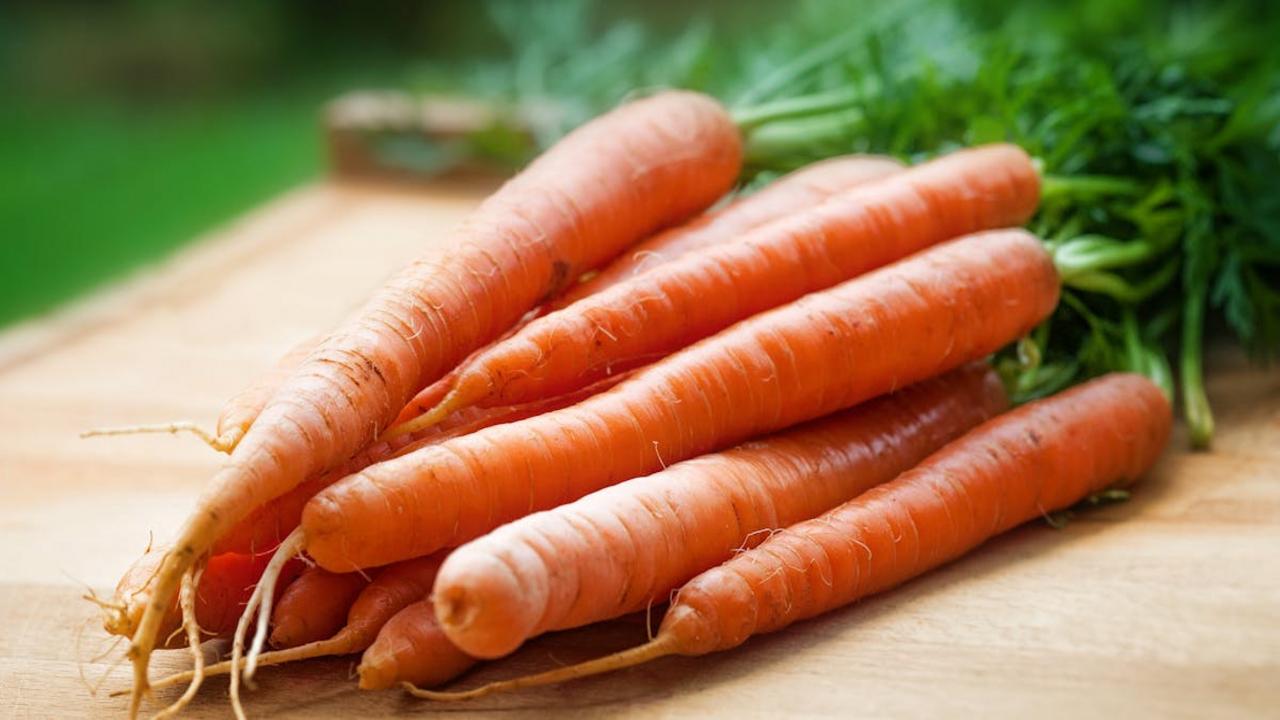
So you’ve heard carrots give you superhero night vision, right? Well, here’s the thing: it’s not entirely bogus, but it’s also not going to turn you into a nocturnal predator prowling through darkness. The myth actually sprouted from British propaganda during World War II when they wanted to hide their fancy new radar technology from the Germans. They claimed their pilots could spot enemy planes at night because they ate loads of carrots. Sneaky! But there’s a kernel of truth buried in this wartime fib. Carrots pack tons of beta-carotene, which your body converts into vitamin A, and vitamin A is legitimately important for maintaining healthy vision, especially in low light conditions. If you’re deficient in vitamin A, you might struggle with seeing in dim environments, and munching on carrots can actually help fix that problem.
Now, before you start chomping carrots like Bugs Bunny hoping to ditch your glasses, pump the brakes. Eating carrots won’t correct existing vision problems or give you superhuman sight if your eyes are already working fine. But maintaining good vitamin A levels does support your eye health long-term, particularly protecting against night blindness. Try roasting carrots with honey and thyme until they’re caramelized and sweet, or toss raw carrot sticks in hummus for a crunchy snack that your eyes will appreciate. If you really want to maximize that beta-carotene absorption, add a little fat to your carrot consumption since it’s fat-soluble. Drizzle olive oil on those roasted beauties, and you’re giving your body the best chance to soak up all that good stuff. Your peepers will thank you, even if you can’t suddenly see through walls.
Chocolate causes acne
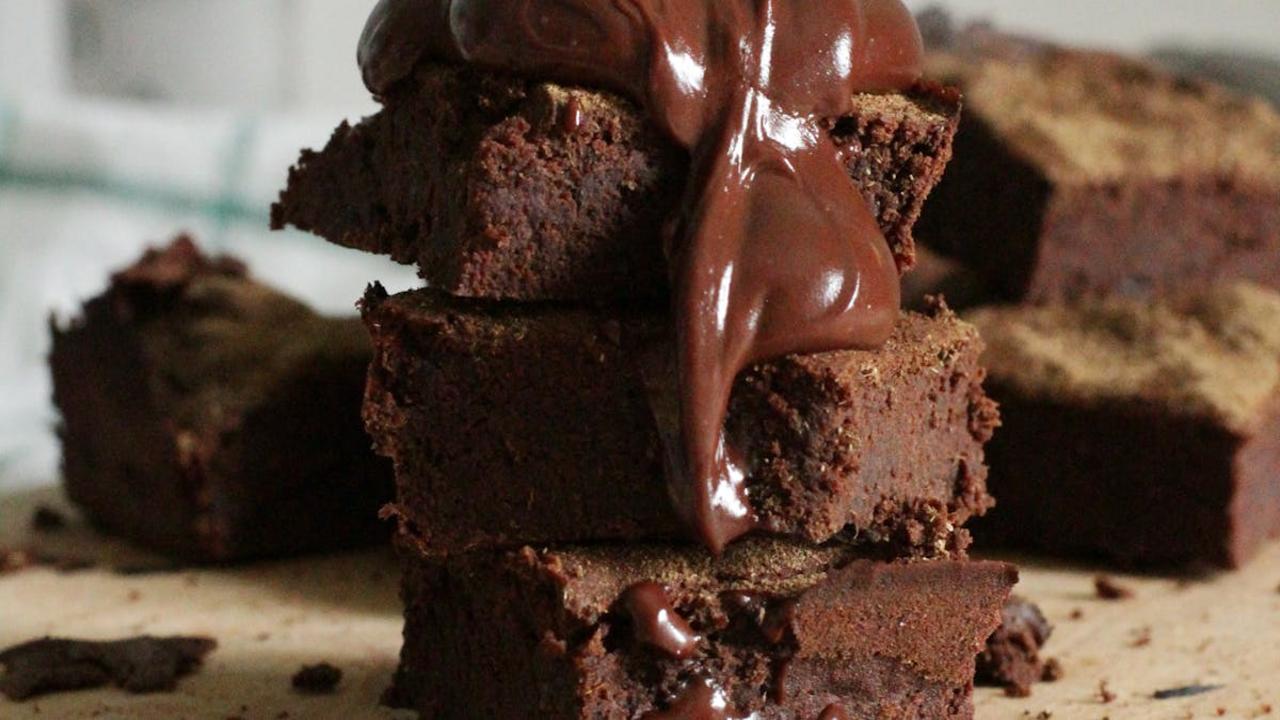
Here’s a myth that’s been haunting chocolate lovers since forever: the idea that your favorite dark bar is secretly plotting against your complexion. For years, dermatologists dismissed this connection, blaming everything from hormones to dirty pillowcases. But recent studies have thrown a curveball into the equation—turns out, chocolate might actually trigger breakouts in some people. The catch? It’s not the cocoa itself that’s the troublemaker. Sugar and milk in most commercial chocolate bars spike your insulin levels, which then ramps up oil production in your skin. Pure dark chocolate with minimal additives rarely causes the same issues, which means you don’t have to swear off your midnight chocolate stash entirely. Your skin just needs you to be picky about which bars make the cut.
If you’re prone to breakouts but can’t imagine life without chocolate, switch to varieties with 70% cocoa or higher. The less sugar and dairy involved, the better your chances of keeping both your chocolate habit and clear skin intact. I started making my own chocolate truffles using unsweetened cocoa powder, coconut oil, and a touch of maple syrup—my face thanked me, and my taste buds didn’t even notice they were eating the “healthier” version. You can also try incorporating cacao nibs into smoothies or yogurt bowls for that chocolate fix without the skin rebellion. The real takeaway here? Chocolate isn’t your enemy, but that milk chocolate bar loaded with sugar absolutely could be. Choose wisely, and you can have your chocolate and eat it too—with a glowing complexion as your reward.