12 Sneaky Ways Plate Shape Pushes You to Eat More and Easy Fixes for Better Portions
You grab a plate, pile on food, and dig in—simple, right? Not so fast. That innocent dish is secretly manipulating your brain, tricking you into eating more than you planned. The shape of your plate messes with visual cues, making portions look smaller or bigger depending on its design. Round plates, square bowls, shallow dishes—they all send different signals to your eyes and stomach. Your brain interprets these shapes before your fork even hits the food.
Research shows plate geometry influences appetite and portion control in ways you’d never expect. A wide rim makes servings appear tiny, while a narrow border does the opposite. The curve of a bowl, the angle of a platter—these details matter more than you think. Even the pattern on your dishware plays tricks on perception, making you reach for seconds without realizing it.
Understanding these visual games helps you take back control. Small tweaks to your tableware transform how much you serve and consume. Once you know the science behind these sneaky tactics, you can outsmart your dishes and eat exactly what you intend—no more, no less.
Visual Overload with Mixed Shapes
Picture this: you’re at a buffet, and your plate looks like a geometric explosion—square quiche next to circular meatballs beside triangular samosas. Your brain goes haywire trying to process all these different shapes, and suddenly you’re piling on more food just to make sense of the chaos. Research shows that when we mix various food shapes on a single plate, our minds struggle to accurately gauge portion sizes because there’s no visual consistency to anchor our perceptions. It’s like trying to solve a Rubble’s cube while blindfolded—your brain gives up and defaults to “more is better.” The kicker? Studies reveal that people consume up to 18% more food when their plates feature multiple geometric varieties compared to uniform presentations. That’s nearly a fifth more calories sneaking in just because your quiche had corners!
The fix? Stick to foods with similar shapes during a single meal, or arrange different shapes in separate sections of your plate so your brain can process them individually. If you’re serving yourself from a buffet, grab items with comparable silhouettes first, then assess whether you’re still hungry before adding contrasting shapes. This simple trick helps your visual processing system accurately judge quantities without getting overwhelmed. Think of it as creating a peaceful neighborhood for your food instead of throwing a shape-themed rave on your dinnerware—your appetite will thank you, and you’ll actually taste what you’re eating instead of mindlessly shoveling in food while your brain tries to make geometric sense of the madness!
Edge-to-Edge Serving
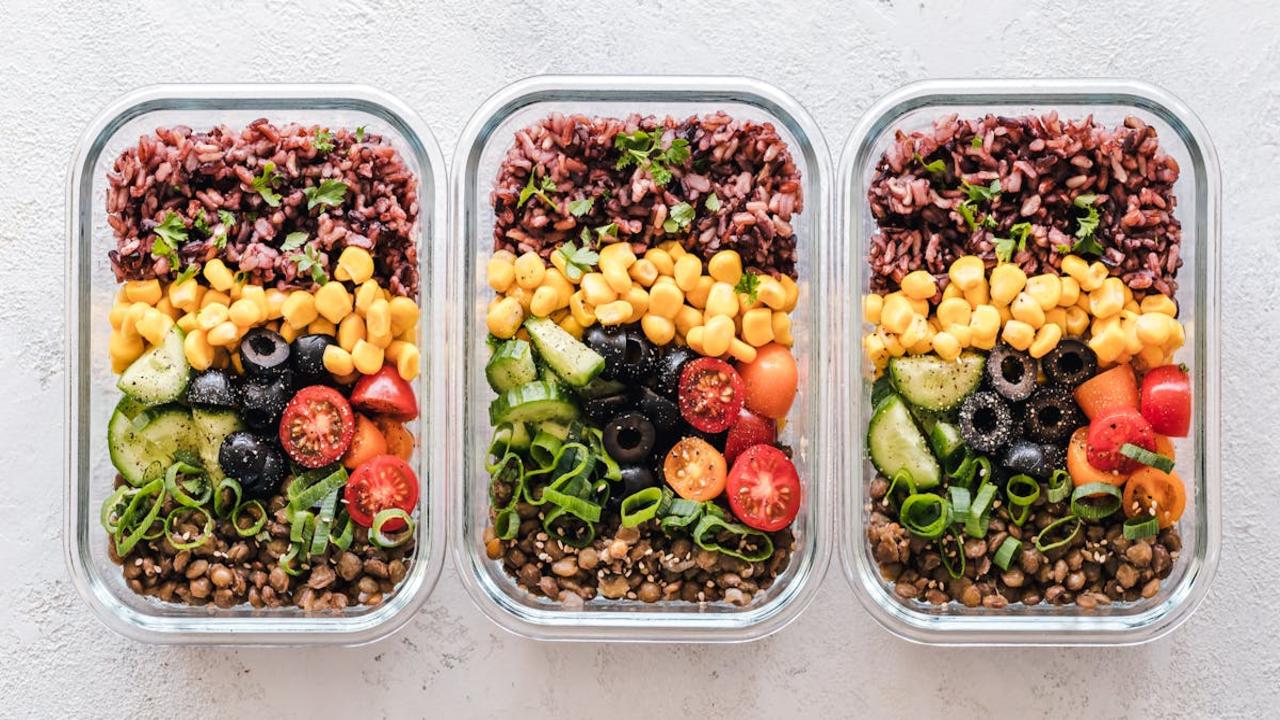
Picture this: you’re at a dinner party, and the host plops down a plate that’s completely covered in food—no white space, no breathing room, just wall-to-wall deliciousness. Looks generous, right? Actually, it’s a sneaky little trap your brain falls for every single time. When food stretches from edge to edge on your plate, your mind perceives it as a normal portion rather than the Mount Everest of mashed potatoes it actually is. Studies show that people consistently underestimate how much they’re eating when food fills the entire surface area of their plate. It’s like your brain conveniently forgets basic geometry and decides that a plate piled high equals one reasonable serving. Spoiler alert: it doesn’t.
The fix? Leave some negative space on your plate—think of it as the food equivalent of a good Instagram post. Aim to keep about a quarter of your plate visible, creating a natural buffer zone that helps your eyes accurately gauge portion sizes. Start by serving smaller amounts and placing them strategically rather than spreading everything out like you’re trying to hide the plate underneath. If you’re serving yourself, resist the urge to fill every corner. Your plate isn’t a coloring book that needs to be completely filled in. This simple visual trick works wonders because your brain processes the meal as appropriately portioned when it can actually see the plate beneath the food. Plus, you can always go back for seconds if you’re genuinely hungry—your kitchen isn’t going anywhere.
Shape of Utensils
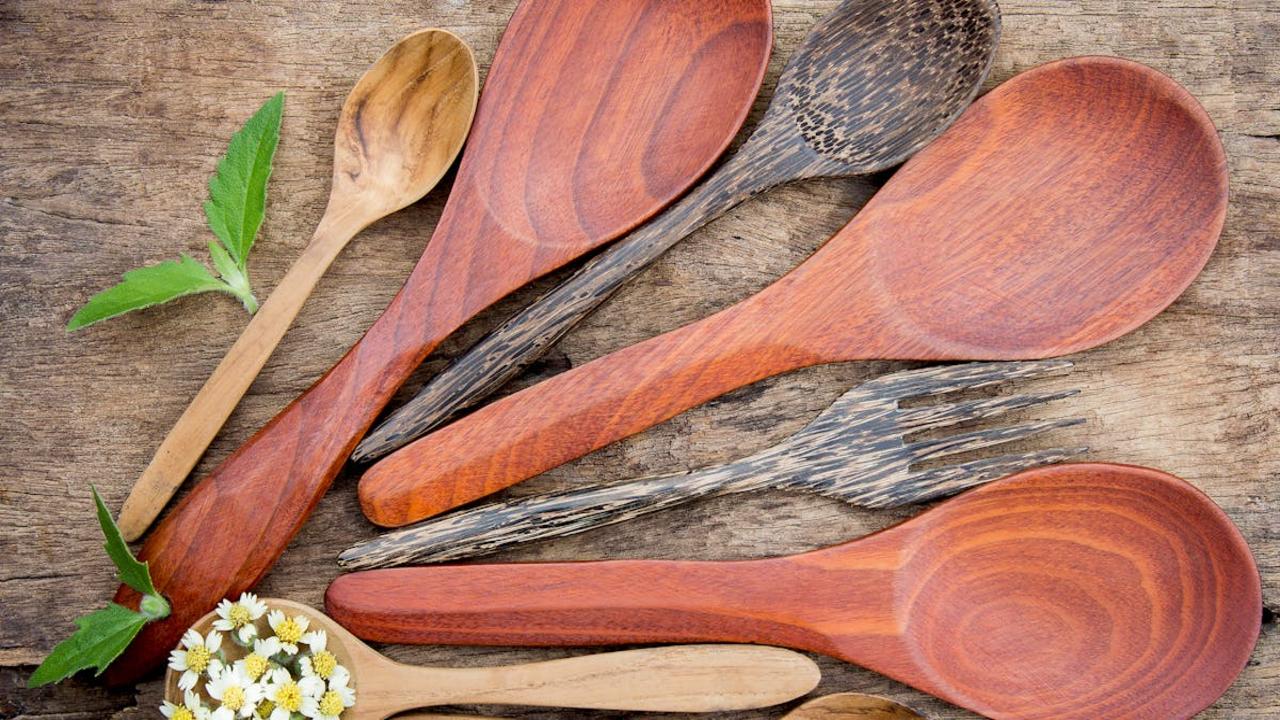
You know what’s wild? The shape of your fork or spoon has been secretly conducting an orchestra in your mouth this whole time, and you had no idea you bought a ticket to the show. Scientists have discovered that wider spoons make food taste sweeter, while narrower ones enhance saltiness. This isn’t some psychological mumbo-jumbo either—your brain genuinely processes flavors differently based on how the utensil feels against your lips and tongue. That’s right, your innocent-looking soup spoon has been moonlighting as a flavor amplifier, and it’s been doing this behind your back for years. The weight matters too: heavier utensils make you perceive food as higher quality, which is why fancy restaurants don’t serve filet mignon with plastic forks from your kid’s birthday party stash.
Here’s where things get sneaky with portion control. Round spoons hold more food per bite than flat ones, which means you’re shoveling in bigger mouthfuls without even realizing it. Your brain doesn’t count bites by volume—it counts by number—so twenty bites with a deep soup spoon delivers way more calories than twenty bites with a shallow dessert spoon. Want to slow down? Switch to smaller, flatter utensils for your meals. Asian cultures have been onto this for centuries with chopsticks, which force you to take smaller bites and actually chew your food instead of treating dinner like a speed-eating competition. Try using a teaspoon instead of a tablespoon for ice cream, or salad forks instead of dinner forks. Your stomach will thank you about twenty minutes later when fullness signals finally catch up to your enthusiastic eating pace.
Depth Perception in Bowls
Here’s a brain-bender for you: your eyes are terrible at judging volume when food sits in a bowl. The deeper the bowl, the worse your estimation becomes, and that’s exactly why you can demolish an entire mixing bowl of popcorn without realizing you’ve eaten enough to fill a small child. The optical illusion happens because your brain focuses on the surface area of the food rather than what’s hiding underneath, creating a disconnect between what you see and what you’re actually shoveling into your mouth. Scientists call this the “depth bias,” and restaurants use it to their advantage with those trendy shallow bowls that make portions look massive while keeping costs down. Meanwhile, at home, you’re likely using Grandma’s deep cereal bowls that could double as soup tureens, turning your breakfast into a calorie catastrophe without you even noticing.
The fix is surprisingly simple: swap those canyon-deep bowls for wider, shallower alternatives that let you see the true volume of your food. A good rule of thumb is to choose bowls where the diameter is at least twice the depth, which gives your eyes a fighting chance at accurate portion assessment. For bonus points, use bowls with measurement marks on the inside, or simply measure out your servings before dumping them in. If you’re really committed to outsmarting your dishware, try the plate trick: dish your food onto a flat plate first to see exactly how much you’re dealing with, then transfer it to a bowl. Your future self will thank you when you’re not unbuttoning your pants after what you thought was a modest serving of pasta.
Symmetry vs. Asymmetry
Here’s something that’ll blow your mind: your brain has a full-blown aesthetic opinion about your plate’s shape, and it’s quietly judging every meal like a snooty food critic. Symmetrical plates—those perfectly round, evenly proportioned dishes—create a visual harmony that makes your brain relax and think, “Everything’s in order here, let’s keep loading up!” Studies show people serve themselves 18% more food on symmetrical plates because our brains perceive them as balanced and trustworthy. It’s like your dinnerware is whispering, “Go ahead, another scoop won’t hurt,” while your waistline begs to differ. Meanwhile, asymmetrical plates—those funky, irregular shapes that look like someone got creative with pottery class—actually make you pause and think about what you’re putting on them. The visual disruption forces your brain to slow down and pay attention to portions.
The fix? Mix up your plate collection with some intentionally asymmetrical options for your heavier meals. I started using rectangular sushi plates for my pasta dinners (yes, really), and suddenly I’m not drowning in carbonara every Tuesday night. The weird shape makes me conscious of every portion I add because there’s no predictable edge or center to follow—my brain can’t go on autopilot. Save those beautiful round plates for salads and vegetables where you actually want generous portions. One friend swapped to hexagonal plates for her kids’ mac and cheese nights and watched their “I need more!” demands drop by half. Your brain craves visual order, so give it a little chaos at dinnertime and watch your portions shrink without feeling deprived.
Geometric Figures and Appetite

Circles, squares, triangles—you probably think these shapes peaked in kindergarten, but here’s the twist: they’re secretly messing with your appetite right now. Research shows that angular plates with sharp corners trick your brain into thinking portions are bigger than they actually are. Your eyes scan those pointy edges and corners, sending signals to your brain that scream “substantial meal ahead!” Meanwhile, round plates with their soft, endless curves create the opposite effect—your brain sees that smooth rim and thinks, “Is this all there is?” Scientists call it the “Delboeuf illusion,” but I call it geometry’s sneaky little prank on your stomach. Who knew high school math would come back to haunt your dinner table?
Here’s where it gets wild: hexagonal and rectangular plates create even more confusion because they lack the predictable symmetry your brain craves. Your visual cortex has to work overtime calculating surface area, and during that mental gymnastics routine, it often overestimates how much food is actually sitting there. The fix? Stick with circular plates for main meals—they’re honest brokers in the portion control game. If you’re serving appetizers or sides where you want people to eat less, break out those square or rectangular dishes. Your guests will feel satisfied with smaller amounts because their brains are busy being dazzled by angles instead of demanding seconds. It’s basically optical illusion warfare, but you’re using it for good instead of evil!
Visual Density Perception
Your brain is constantly playing tricks on you, and nowhere is this more apparent than when you’re staring down at your dinner plate. The way food spreads across different plate shapes creates what scientists call “visual density perception,” which is just a fancy way of saying your eyes are terrible at math. When you pile the same amount of lasagna onto a wide, flat plate versus a deeper bowl, your brain sees two completely different meals. The wider plate makes your portion look sparse and sad, like someone forgot to finish serving you, while the bowl creates a satisfying mound that screams “plenty!” This optical illusion happens because your brain judges fullness based on how much surface area the food covers, not the actual volume sitting there.
Here’s where things get sneaky: restaurants figured this out decades ago. They serve appetizers on massive platters to make you feel like you’re getting your money’s worth, even though there might be just six sad little scallops swimming in sauce. Meanwhile, at home, you’re probably overserving yourself on those trendy oversized dinner plates everyone bought in the 2000s. The fix? Switch to smaller, deeper plates for calorie-dense foods like pasta or casseroles—your brain will register satisfaction with less food because it looks more abundant. For salads and veggies, keep those bigger plates around. Your eyes will see lots of coverage, you’ll feel full, and you’ll actually be eating the good stuff. It’s like hacking your own perception system, and honestly, it works brilliantly.
Arrangement Patterns

You know what’s sneakier than a cat plotting against your houseplants? The way food arranges itself on your plate to make you eat more. Scientists have discovered that when food is scattered randomly across a plate—like a Jackson Pollock painting made of pasta—your brain gets confused about portions and tends to underestimate how much you’re actually shoveling in. The opposite happens when everything sits neatly in compartments or distinct piles. Your eyes can quickly assess what’s there, giving your satiety signals a fighting chance to kick in before you’ve inhaled seconds. Think about those fancy restaurant presentations where each element has its designated spot versus the chaotic free-for-all of a loaded nachos platter. One makes you pause between bites; the other has you face-deep in cheese before you realize what happened. The visual chaos tricks your brain into thinking there’s less food than there actually is, especially with mixed dishes where proteins, carbs, and veggies blur together in glorious, portion-distorting confusion.
Here’s your ridiculously simple fix: start plating like you’re competing on a cooking show, minus the pretentious foam. Create distinct sections on your plate—protein in one area, vegetables in another, and starches in their own little territory. This visual organization helps your brain register exactly what and how much you’re eating, making those “I’m full” signals arrive right on time instead of fashionably late. Try using the plate’s natural architecture as your guide, treating it like a clock face with different food groups occupying specific hours. Not only does this method help with portion awareness, but it also makes your meals Instagram-worthy without even trying. Your grandmother was onto something with those divided plates from the 1970s, though admittedly they lacked the aesthetic appeal of today’s options. The psychology is sound: organized presentations slow down your eating pace because you’re naturally switching between different tastes and textures rather than mindlessly mixing everything together in one undifferentiated mound.
Serving Dish Shape
The bowl you grab for dinner isn’t as innocent as it looks—it’s secretly conspiring against your portion control goals! Research shows that shallow, wide serving dishes trick you into piling on 56% more food than their deeper, narrower cousins. Your brain gets bamboozled by something called the Delboeuf illusion, where the same amount of food looks measly in a big, flat dish but generous in a compact one. I tested this myself at Thanksgiving (because what better time for portion science?) and watched my family unconsciously heap twice as much mashed potatoes from the wide ceramic platter compared to the deep gravy boat. The worst offenders? Those trendy rectangular platters everyone’s obsessed with—they make you think you’re taking reasonable portions while you’re actually loading up enough lasagna to feed a small village.
Here’s your fix: switch to deeper serving bowls with smaller diameters, and watch the magic happen. A standard 8-inch deep bowl keeps portions honest without making you feel like a food miser. Bonus trick—use serving utensils with smaller heads (like a slotted spoon instead of a giant ladle) to naturally limit how much you scoop. If you’re hosting and want to help your guests avoid the serving dish trap, arrange multiple smaller bowls around the table instead of one massive platter. Not only does this create a prettier spread, but it also slows down the serving process just enough for people’s brains to catch up with their stomachs. Your waistline and your wallet (hello, leftovers!) will thank you for this simple swap.
Color Contrast Effect
Here’s a wild fact that’ll blow your mind next time you’re loading up your dinner plate: the color difference between your food and your plate can actually trick your brain into serving yourself more or less. When there’s little contrast—say, white rice on a white plate or dark pasta on a black dish—your brain gets lazy with portion estimation and you end up piling on way more than you intended. It’s like your eyes are playing an optical illusion game with your stomach, and nobody asked for that kind of magic show at mealtime. Studies have shown people serve themselves up to 30% more food when the colors match too closely, which means you’re basically getting bamboozled by dinnerware every single night.
The fix is ridiculously simple: create maximum contrast between what you’re eating and what you’re eating it from. Dark foods like beef stew or black beans? Grab that white or cream-colored plate. Serving up pasta with alfredo sauce or mashed potatoes? Break out the navy blue or forest green dishes. Think of it like dressing yourself—you wouldn’t wear all beige to a party (or maybe you would, no judgment), so don’t let your food blend into its background either. Your brain needs that visual pop to properly gauge how much you’re actually serving, and honestly, food looks way more appetizing when it’s properly showcased anyway. It’s portion control meets interior design, and your waistline will thank you.
Illusion of Portion Size

Here’s a mind-bending truth that’ll make you question every meal you’ve ever plated: your brain is terrible at judging food quantities, and plate shape is its kryptonite. When you serve pasta on a wide, flat plate versus a slightly curved bowl, your eyes see drastically different amounts even when the portions are identical. Scientists call this the Delboeuf illusion, and restaurants have been using it to manipulate your appetite for decades. That innocent-looking dinner plate? It’s secretly convinced you that three cups of mac and cheese is a reasonable Tuesday night portion. The wider the rim and the flatter the surface, the more your brain underestimates what’s actually sitting in front of you, leading to those “just one more spoonful” moments that somehow empty the entire serving dish.
The fix is surprisingly simple and doesn’t require a degree in geometry. Switch to plates with visible depth or slight curves that create natural boundaries for your food. Those trendy pasta bowls with the wide rims and shallow centers? They’re actually portion-control champions disguised as Instagram-worthy tableware. Your brain registers the curved edges as a stopping point, making smaller servings look more substantial. If you’re really committed to outsmarting your own visual cortex, try using salad plates for main courses—the 8-inch diameter forces you to consider what really matters on your plate. And here’s a quirky trick: choose plates with bold patterns or darker colors around the rim. Your eyes naturally focus on the center, making the food portion appear larger against the contrasting border. It’s like optical trickery, but for good instead of evil.
Plate Size Influence
Grab a smaller plate, and suddenly your brain thinks you’re eating like royalty. It’s one of those optical illusions that makes you wonder if your eyes are conspiring with your stomach. Studies show that people pile on about 30% more food when using larger plates—your brain sees all that empty space and decides it needs filling like some kind of misguided interior decorator. The Delboeuf illusion is the sneaky culprit here: the same portion looks puny on a big plate but satisfyingly substantial on a smaller one. Your mind interprets the white space around your food as “room for more,” triggering you to heap on extra servings before you even realize what’s happening.
Switching to smaller plates feels like a magic trick for portion control without the deprivation drama. Researchers at Cornell University found that even nutrition experts served themselves 31% more ice cream when given larger bowls—proof that nobody’s immune to this size sorcery. Try downsing to salad plates for your main courses, and you’ll still see a full plate that satisfies your visual appetite while naturally limiting how much you consume. The beauty of this fix? You’re not wrestling with willpower or feeling cheated out of a proper meal. Your eyes send happy “look how much food I’m getting!” signals to your brain, while your waistline thanks you for the reasonable portions. It’s portion control without the feeling that you’re being punished for wanting dinner.