In-laws Spent $500k Enabling SIL’s Habit. Now Fiancée Wants to Ban Champagne at My Wedding.
We all know that a wedding is a celebration for the bride and groom, a day that should reflect their shared joy and tastes. Guests are there to witness and celebrate, not to make demands. But what happens when the demands come from the groom himself, putting his bride in an impossible position before they’ve even said “I do”?
One woman recently shared a story online that shows just how complicated family can be, especially when it comes to wedding planning.
The Incident
A bride-to-be was thrilled that her future sister-in-law, a recovering alcoholic, was finally getting the help she needed. By the time of the wedding, the sister would be six months sober, a wonderful milestone. However, the groom dropped a bombshell: he wanted a completely “dry wedding,” with no alcohol served, to avoid tempting his sister.
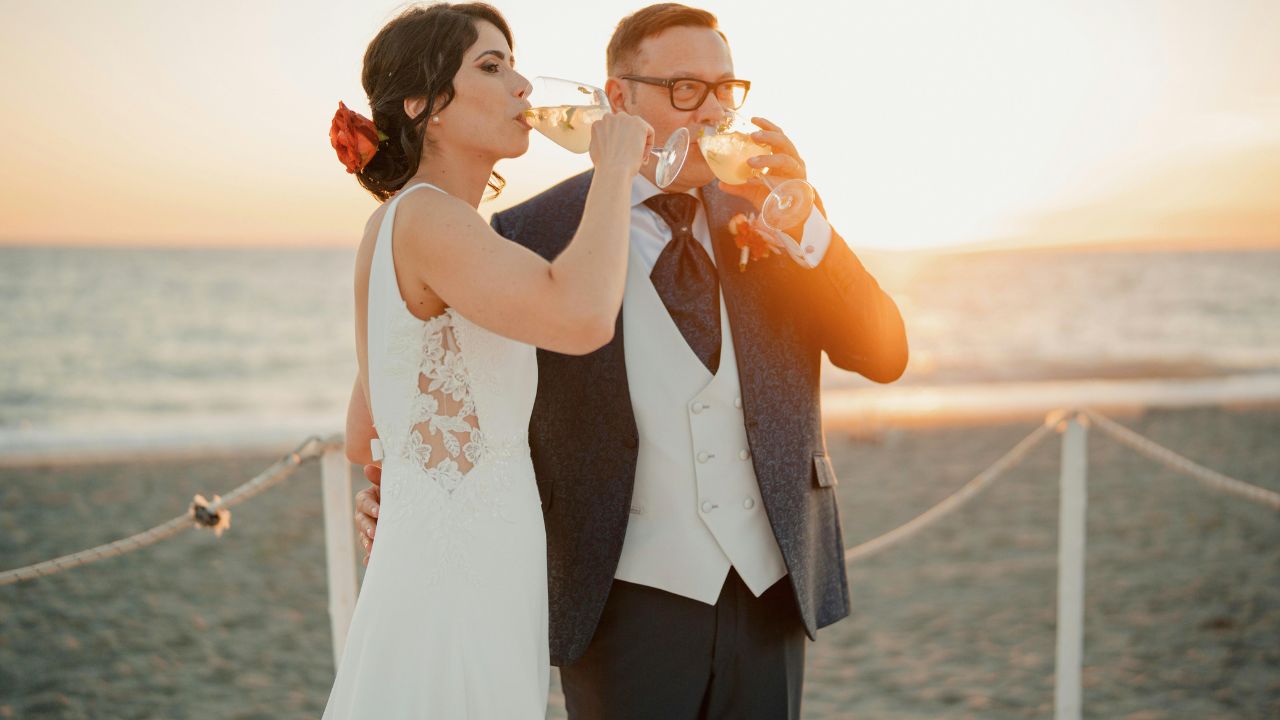
The bride was floored. In her view, his family had a long history of enabling the sister, spending, in her words, “upwards of 500,000 dollars on bailing her out of prison and new cars.” She felt this was just another example of catering to her, and she was putting her foot down. “This is my day,” she wrote, “and I feel like I should be allowed to drink a glass of… champagne at my own wedding.”
The situation became even more complicated when she clarified that the sister-in-law was not the one making the demand. In fact, the sister was “completely fine with not going to the wedding due to the temptation being too much for her to handle.” I
t was the groom who was insisting she be there and, therefore, that the wedding be dry. The bride felt he was choosing his sister over her, and the conflict brought all their wedding planning to a standstill.
Ultimately, the bride made a difficult decision: she chose to postpone the wedding, realizing the situation was “toxic for all of us” and that she needed to sort out her feelings before walking down the aisle.
The Internet Reacts
The online community was deeply divided, with strong opinions on all sides of this delicate family drama. People quickly sorted themselves into a few distinct camps.
First, there was the “Absolutely Not” Crowd, who were firmly in the bride’s corner. They felt the groom was being completely unreasonable and setting a terrible precedent for the marriage. One commenter put it bluntly: “If her desires are going to be secondary to his sisters on her wedding day, then she probably needs to step back for a moment and ask herself if that’s what she was agreeing to marry into.”
Another agreed, noting that a dry wedding would be a “huge bummer for everyone else, all to accommodate one person.”
Then came the “Devil’s Advocate” camp, who felt the bride was being selfish. They argued that family should come before a party. “Everyone needs to stop acting like being able to drink booze is more important than having a close family member at your wedding,” one person wrote.
Another challenged the bride’s perspective directly, asking, “Why is it only about the bride being happy and not the groom being happy? … I agree with the groom having an immediate family member in attendance is more important than having alcohol.”

Finally, there were the “Problem Solvers,” who offered practical advice and compromises. Many pointed out that the groom’s family dynamic was the real issue. “Your fiance needs Al-Anon!!!” one person declared, referring to the support group for families of alcoholics. Others suggested hiring a “sober companion” for the sister or having her attend the ceremony but skip the reception. As one recovering alcoholic shared, they would be “MORTIFIED if a whole wedding was made dry because of me.”
The Etiquette Verdict
Let’s be clear: a wedding is for both the bride and the groom. Compromise is essential. However, it is poor form to ask your partner, and by extension all of your guests, to fundamentally change the nature of a celebration for one person—especially when that person has graciously offered to sit out.
The groom’s heart was in the right place; he loves his sister. But his approach created a loyalty test his fiancée should never have had to take. The sister showed true grace and self-awareness. The bride showed incredible strength by pausing the wedding to address these deep-seated issues. True partnership means facing problems together, not forcing one partner to sacrifice their happiness for the sake of someone else’s comfort.

Your Thoughts
This is a tough one, isn’t it? It touches on family loyalty, addiction, and the pressures of planning a wedding. So, what do you think? Was the groom right to prioritize his sister’s attendance, or was the bride right to stand her ground?
Ready for the next level of insight? Discover more in my latest article here.