10 Must Try Amish Comfort Classics for Cozy Nights
Picture this: a cold evening, a warm kitchen, and food so hearty it feels like a hug from your grandmother. Amish cooking brings simplicity and soul to the table, using ingredients you probably already have in your pantry. These dishes don’t bother with fancy techniques or pretentious plating—they focus on flavor, tradition, and making you feel wonderfully full.
The Amish have perfected comfort food over generations, passing down recipes that turn basic staples into something magical. We’re talking about soft pretzels with that perfect chew, pies that make you question every dessert decision you’ve ever made, and spreads so good you’ll eat them straight from the jar (no judgment here). These aren’t Instagram-worthy plates—they’re real food for real appetites.
What makes these dishes special? They’re uncomplicated, affordable, and deeply satisfying. From sweet breakfast treats to savory dinners that stick to your ribs, each recipe tells a story of resourcefulness and love. Ready to discover why Amish kitchens have been keeping families cozy for centuries? Your taste buds are about to thank you.
Dutch Apple Dumplings
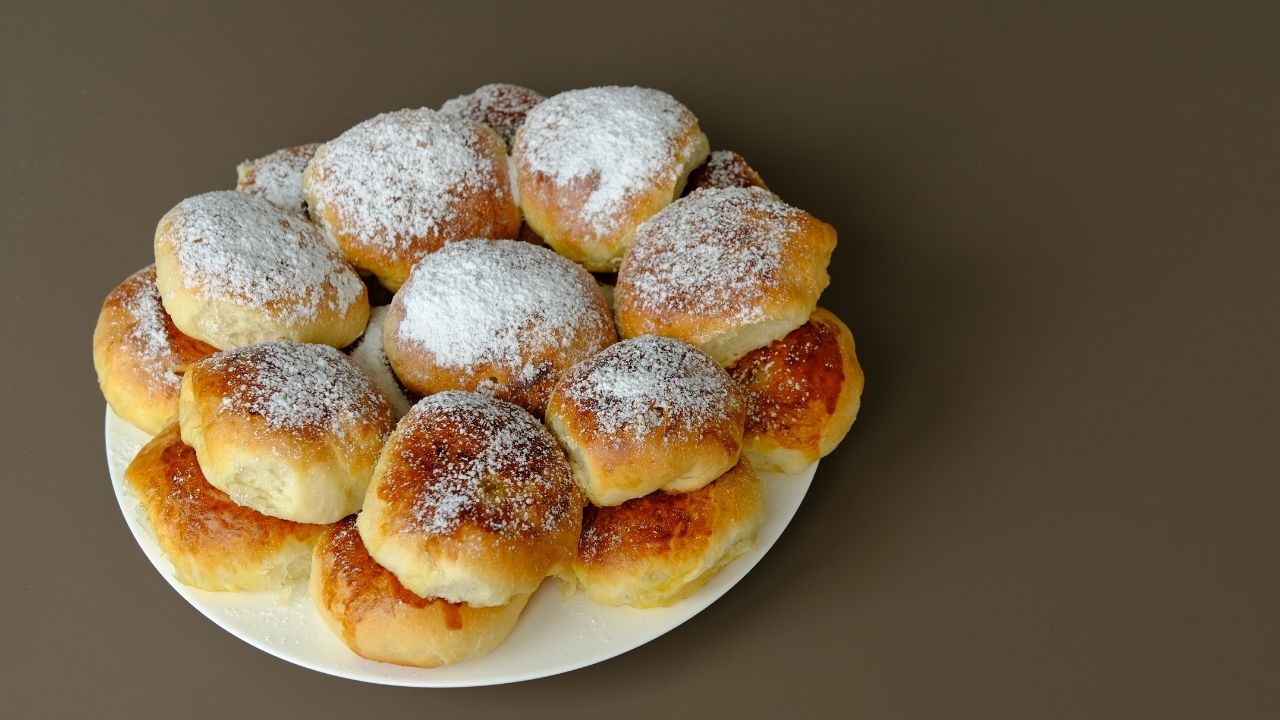
Picture this: a whole apple, wrapped snugly in flaky pastry, baked until golden, and swimming in a pool of cinnamon-spiced syrup that could make you weep with joy. That’s a Dutch Apple Dumpling, and if you haven’t tried one yet, you’re missing out on one of the Amish community’s most genius desserts. These beauties take the humble apple and transform it into something so decadent, so outrageously comforting, that you’ll want to make them a regular fixture on your fall and winter menu. The secret? Each apple gets peeled, cored, and stuffed with a mixture of butter, sugar, and cinnamon before being wrapped in pastry and baked to perfection. The result is a personal-sized apple pie that’s somehow even better than the original.
What makes these dumplings so special is the way the pastry gets crispy on the outside while staying tender where it touches the apple, soaking up all those sweet juices. Amish cooks have been making these for generations, often serving them warm with a generous scoop of vanilla ice cream or a drizzle of heavy cream. The contrast between the hot, syrupy dumpling and cold cream is nothing short of magical. Making them at home is easier than you’d think—just grab some tart Granny Smith apples, your favorite pie crust recipe, and prepare yourself for the kind of dessert that makes people propose marriage on the spot. Fair warning: these are ridiculously addictive, and you might find yourself making them every weekend once you master the technique.
Pickled Tongue
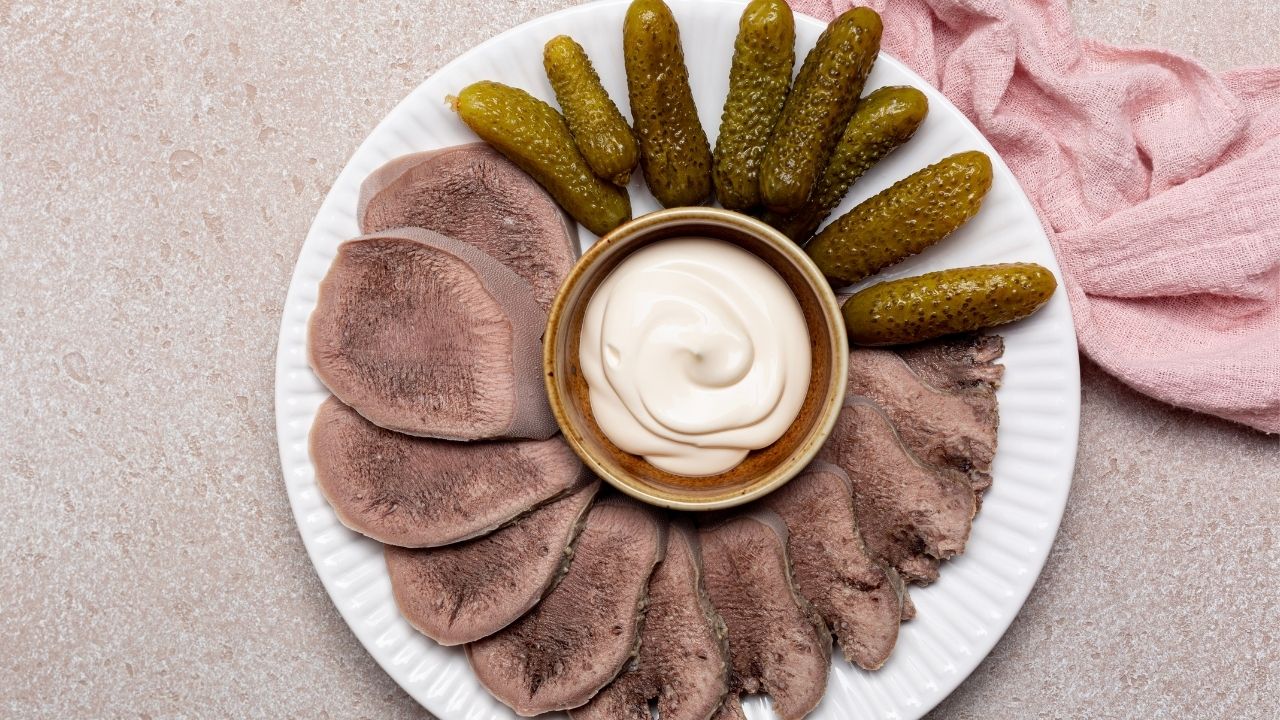
Pickled tongue might sound like something your great-great-grandmother threatened to serve when you misbehaved, but trust me, this Amish staple deserves way more credit than its admittedly off-putting name suggests. The process involves brining beef tongue in a vinegar-based solution loaded with spices like peppercorns, bay leaves, and mustard seeds until it transforms into something tender, tangy, and surprisingly addictive. Once you get past the whole “yes, it’s literally a tongue” thing, you’ll discover meat that’s incredibly silky and flavorful, with none of the chewiness you might fear. The Amish have been preparing this dish for generations, originally as a way to use every part of the animal and preserve meat before refrigeration became standard. Fun fact: tongue contains more protein per serving than most other cuts of beef, and it’s loaded with vitamins B12 and zinc.
Serving pickled tongue is actually pretty straightforward once you’ve done the prep work. Slice it thin against the grain, and layer it on rye bread with sharp mustard and pickles for a sandwich that’ll make deli meats weep with envy. Some folks serve it cold as part of a charcuterie board, while others warm it gently and pair it with horseradish cream sauce that’ll clear your sinuses and make your eyes water in the best possible way. The texture falls somewhere between corned beef and pastrami, with a distinctive tanginess from the pickling brine that cuts through the richness beautifully. If you’re feeling adventurous and want to impress dinner guests with your fearless approach to nose-to-tail eating, this recipe will definitely spark conversation. Just maybe wait until after everyone’s tried it before announcing what they’re actually eating.
Fry Pies

Picture this: a golden, crispy pocket of dough cradling a sweet filling that’s still warm from the skillet. That’s a fry pie, and if you haven’t had one yet, you’re seriously missing out on one of the Amish community’s most beloved treats. These hand-held pastries are like the cooler, crunchier cousin of a Pop-Tart—but infinitely better because they’re made with real ingredients and a whole lot of love. Traditionally filled with fruit preserves like apple, cherry, or peach, fry pies deliver that perfect balance of crispy exterior and gooey, jammy center. The best part? They’re cooked in hot oil, which gives them that irresistible crunch that baked pies just can’t match. You’ll find them at Amish markets, roadside stands, and family gatherings where they disappear faster than you can say “pass the napkins.”
Making fry pies at home is easier than you’d think, and it’s a fantastic way to use up any leftover pie dough you might have sitting in your fridge. Roll out the dough into circles, spoon your favorite filling onto one half, fold it over, crimp the edges with a fork, and drop them into shimmering hot oil. In just a few minutes, you’ll have golden beauties that’ll make your whole house smell like a county fair. Some folks dust them with powdered sugar while they’re still warm, while others prefer a simple glaze drizzled on top. Either way, these little pockets of joy are best enjoyed fresh and hot, preferably while standing over the stove with a guilty grin on your face. Trust me, once you make these, you’ll understand why Amish families have been frying up these treats for generations.
Corn Fritters
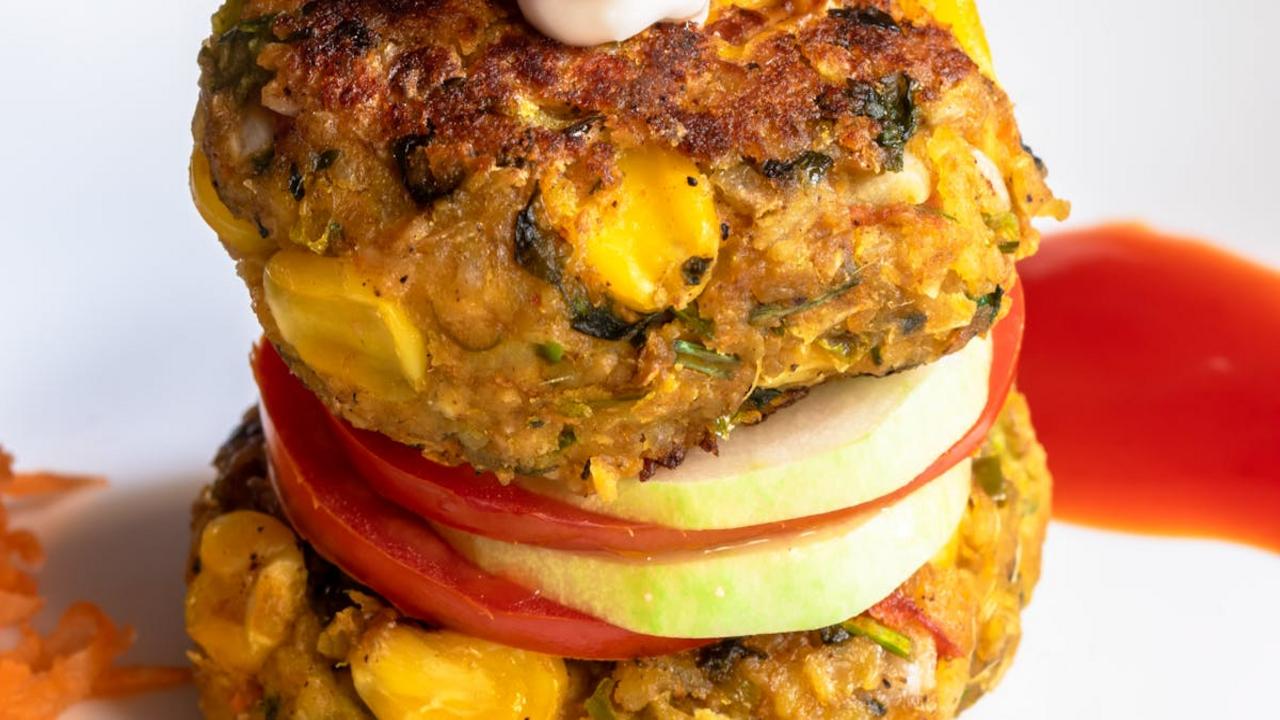
Corn fritters are the golden, crispy little miracles that prove the Amish know exactly what they’re doing in the kitchen. These aren’t your sad, frozen grocery store variety—we’re talking about fresh corn kernels mixed into a simple batter with eggs, flour, and just enough seasoning to make your taste buds stand up and take notice. The Amish have been whipping up these beauties for generations, typically using corn straight from their gardens during peak season. What makes them absolutely addictive is that perfect contrast: a crunchy, slightly caramelized exterior giving way to a soft, sweet interior studded with bursts of corn. They’re like tiny pancakes that decided to take a vacation to flavor town and never came back. Serve them alongside maple syrup for breakfast, or pair them with a hearty stew for dinner—these versatile gems work any time of day.
The beauty of corn fritters lies in their simplicity and the fact that they’re ridiculously forgiving. Even if you’ve never fried anything in your life, you can nail these on your first try. Mix your batter, drop spoonfuls into hot oil or butter, and watch them transform into golden perfection in just a few minutes per side. The Amish often add a pinch of sugar to enhance the corn’s natural sweetness, and some families throw in finely diced onions or jalapeños for a savory kick. Pro tip: don’t skip the resting period after mixing your batter—it lets the flour hydrate properly and results in fluffier fritters. These bad boys are best eaten hot off the griddle when they’re at their crispiest, though leftovers (if there are any) reheat beautifully in a skillet the next morning.
Amish Peanut Butter Spread
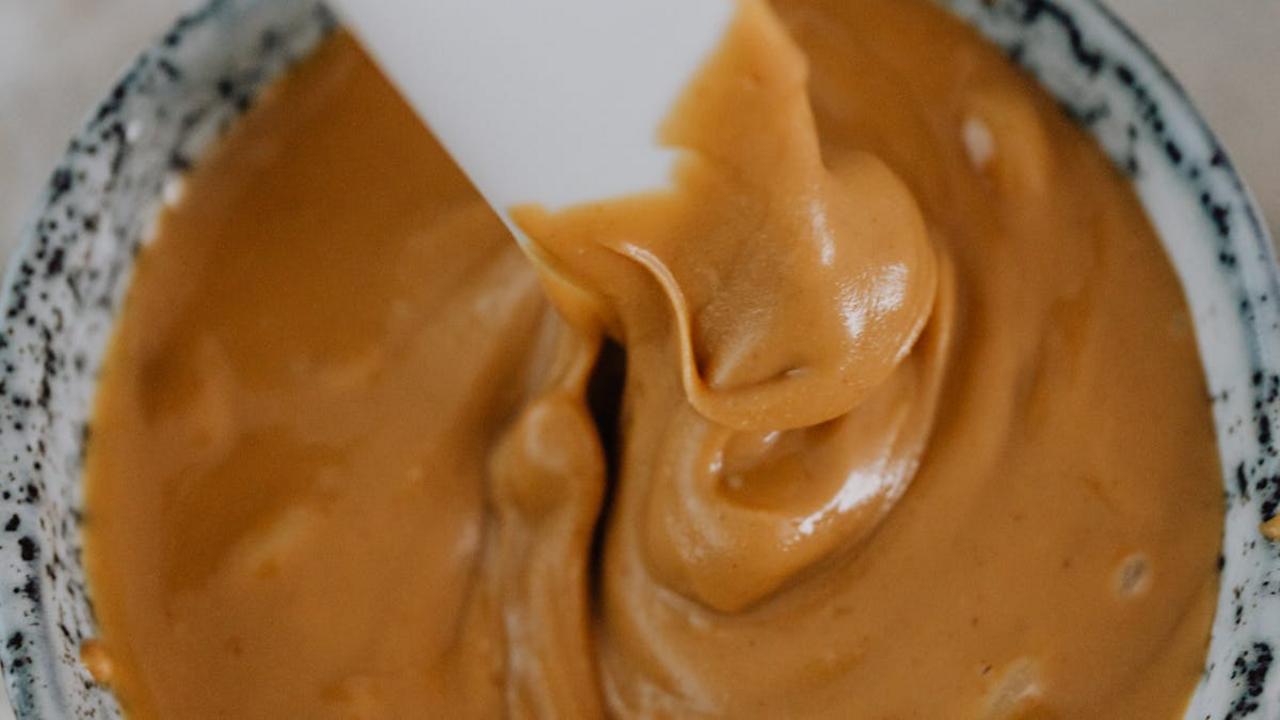
Picture this: marshmallow fluff and peanut butter had a baby, and that baby grew up in an Amish kitchen where simplicity meets genius. That’s Amish Peanut Butter Spread in a nutshell—literally! This gloriously thick concoction isn’t your average pantry spread. Made from just four ingredients (peanut butter, marshmallow creme, corn syrup, and maple syrup), it transforms ordinary bread into something your taste buds will thank you for repeatedly. The Amish have been slathering this onto fresh-baked bread for generations, and honestly, they’ve been holding out on the rest of us. It’s sweet without being cloying, nutty without overpowering, and has this almost whipped texture that makes spreading it feel like you’re frosting a cake. Some folks call it “church spread” because it’s traditionally served at Amish gatherings, though I’m pretty sure angels would approve of this heavenly creation too.
Making your own batch takes about five minutes of stirring—no cooking required, which means even your least kitchen-confident friend can nail this recipe. The best part? This spread doesn’t discriminate. Sure, it’s phenomenal on homemade bread, but try it on graham crackers, stuff it between cookies, or—hear me out—drizzle it over vanilla ice cream for an instant sundae upgrade. It keeps in the fridge for weeks, assuming you have the willpower not to demolish the entire jar with a spoon at 2 AM. Pro tip: warm it slightly before serving to get that perfect spreadable consistency. Your cozy nights just got significantly better, and your regular peanut butter is about to feel very inadequate sitting there on the shelf.
Beet Eggs
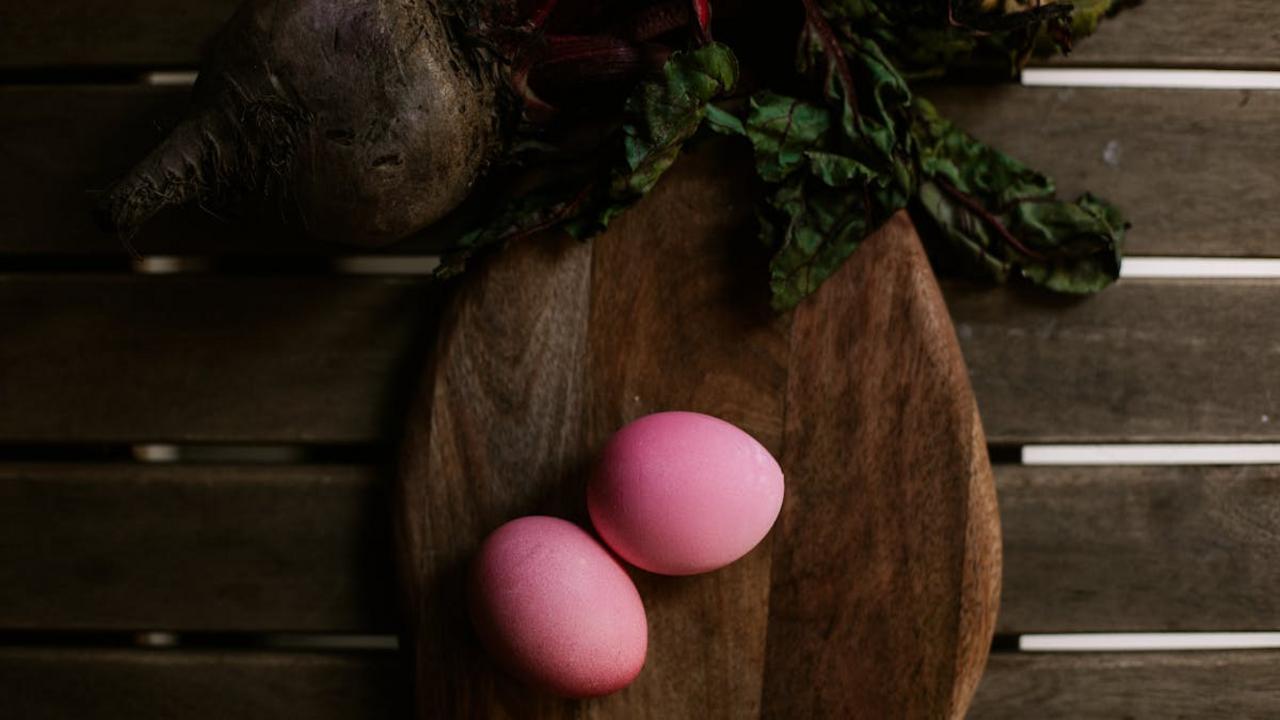
If you’ve never encountered beet eggs, prepare yourself for one of the most visually striking dishes in Amish cuisine. These aren’t your standard hard-boiled eggs—they’re transformed into vibrant magenta orbs that look like they belong in a fairy tale rather than on your dinner table. The process is simple: after boiling eggs to perfection, you submerge them in a sweet and tangy brine made from pickled beets. The beet juice seeps through the egg whites, creating gorgeous swirls of pink and purple that make even the most skeptical eater curious. The flavor hits different than you’d expect—there’s a gentle sweetness from the beets mixed with vinegar’s sharp bite, and that combination plays beautifully against the rich, creamy yolk. Amish cooks have been making these for generations, often serving them at church gatherings where they disappear faster than anyone anticipates.
What makes beet eggs particularly brilliant is their versatility and shelf life. Once they’re nestled in that ruby-red brine, they keep in your refrigerator for weeks, which means you’ve got instant protein ready whenever hunger strikes. Slice them onto salads for a pop of color that’ll make your lunch Instagram-worthy, or enjoy them straight from the jar as a quick snack. The Amish typically serve them cold, often alongside pickled vegetables or as part of a larger spread at potlucks. Don’t toss that leftover beet juice once the eggs are gone—some clever cooks use it to pickle more eggs or even add it to potato salad for an unexpected twist. Fair warning: your first bite might feel weird if you’re not accustomed to the sweet-sour combination, but give it a chance. These little pink gems have a devoted following for good reason, and once you get past their unusual appearance, you’ll understand why they’ve earned their spot on Amish tables across the country.
Shoofly Pie
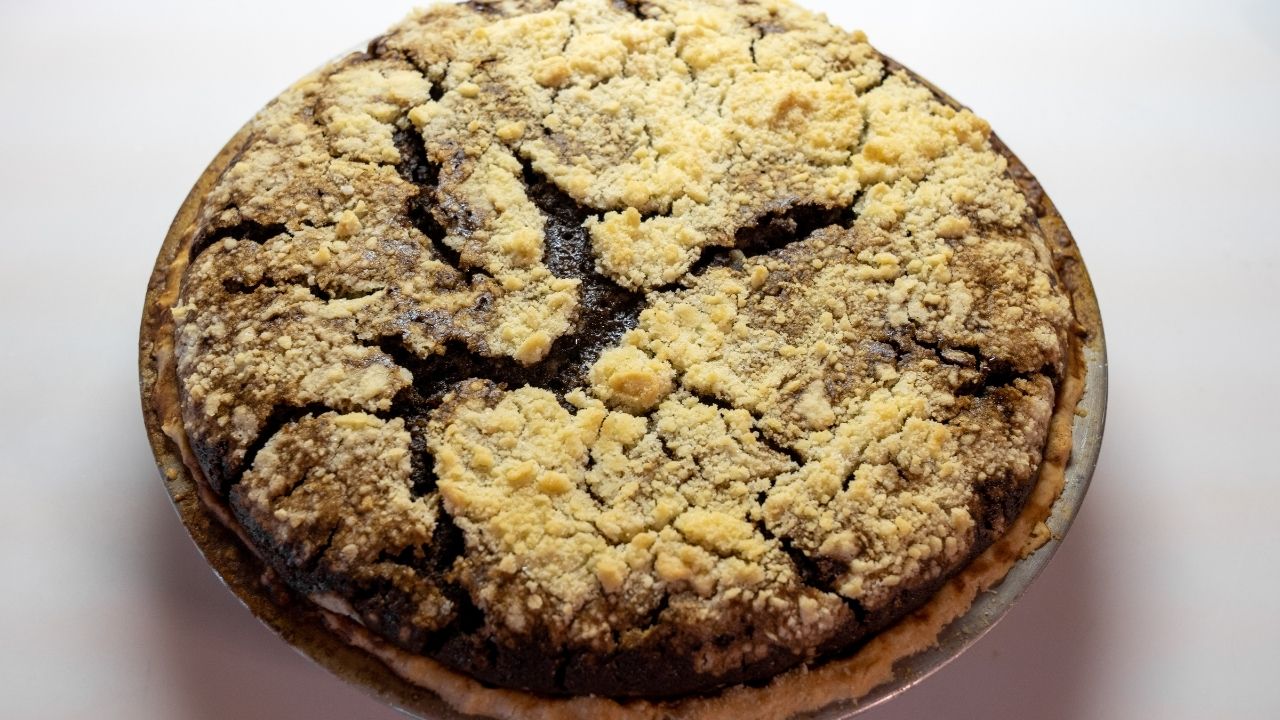
Picture this: a gooey, molasses-filled pie that got its name because bakers had to constantly shoo away flies drawn to its sweet, sticky goodness. That’s Shoofly Pie for you—the ultimate Amish comfort dessert that’s been gracing Pennsylvania Dutch tables since the 1880s. This beauty comes in two varieties: wet-bottom (where a cake-like layer sits atop a molasses gooey base) and dry-bottom (more crumbly throughout). The wet-bottom version wins my heart every time because who doesn’t want that perfect marriage of textures? Pro tip: always serve it with a dollop of fresh whipped cream or a scoop of vanilla ice cream to balance the intense sweetness.
Making Shoofly Pie at home is easier than you’d think. You’ll need a simple pie crust, some dark molasses (the star of the show), hot water, baking soda, and a crumb topping made from flour, brown sugar, and butter. The magic happens when you pour that molasses mixture into the crust and top it with buttery crumbs before baking. What makes this pie special is its historical roots—Amish bakers created it using pantry staples they always had on hand, no fresh fruit required. Grab a slice, pour yourself some coffee, and pretend you’re sitting in a cozy farmhouse kitchen with snowflakes drifting past the windows. Pure bliss.
Schnitz un Knepp
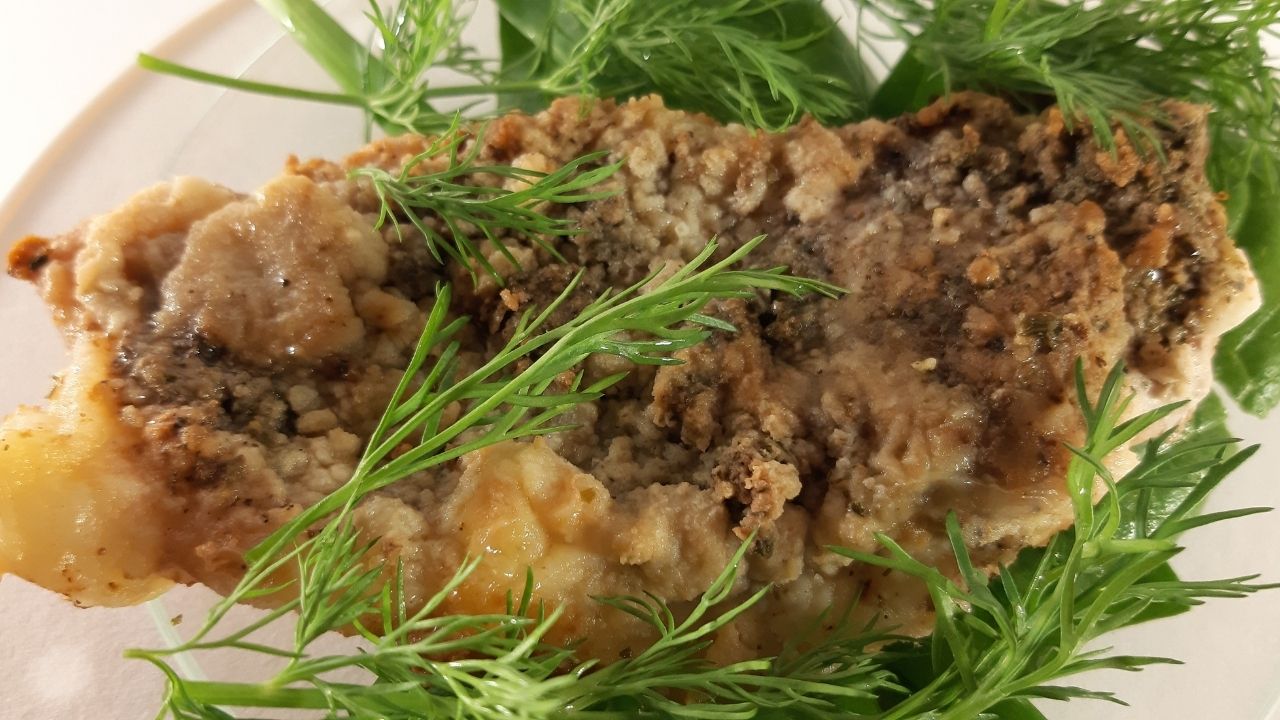
Picture this: dried apples, ham, and fluffy dumplings swimming together in a sweet-savory broth that makes absolutely no sense on paper but somehow works magic in your mouth. That’s Schnitz un Knepp for you—an Amish classic that sounds like someone sneezed mid-recipe but delivers comfort like a warm hug from your Pennsylvania Dutch grandmother. The name literally translates to “snitz and buttons,” referring to the dried apple slices and dumpling buttons that make this dish so wonderfully weird. I tried making this on a rainy Tuesday, and my kitchen smelled like a fall carnival had moved in permanently. The salty ham plays off the sweet apples in a way that’ll make you question everything you thought you knew about flavor combinations. Plus, those dumplings? They’re like little pillowy clouds that soak up all that delicious broth.
Here’s the thing about Schnitz un Knepp: it requires patience and a willingness to trust the process. You’re simmering dried apples and ham for what feels like forever, then dropping in dumpling dough that looks suspiciously lumpy but transforms into something spectacular. The Amish have been making this dish since the 1700s, back when they needed creative ways to preserve apples and stretch meat throughout the winter. Now it’s a Sunday dinner staple that brings families together over steaming bowls of this sweet-and-savory oddity. Fair warning: your friends might give you weird looks when you describe what’s in it, but one bite will shut them right up. Serve it hot with a side of fresh bread for soaking up every last drop of that incredible broth.
Chicken Corn Soup

Picture this: a bowl so comforting it feels like someone wrapped you in a handmade quilt while whispering reassuring words about how everything’s going to be okay. That’s Chicken Corn Soup for you—the Amish grandmother of all comfort foods. This isn’t some fancy bistro concoction with seventeen unpronounceable ingredients. Nope, this is straightforward, honest-to-goodness chicken, sweet corn, and egg noodles swimming in a rich, golden broth that’ll make you want to cancel all your plans and become a permanent couch resident. The Amish have been making this soup for generations, and here’s the thing: they don’t overthink it. They grab what they have—fresh chicken, corn cut straight from the cob during harvest season, and homemade noodles if they’re feeling ambitious—and turn it into liquid gold. Some families add a secret ingredient called saffron, which gives the soup its gorgeous yellow color and slightly exotic flavor. Don’t worry if you don’t have saffron lying around; turmeric works just fine and costs about ninety-eight percent less.
Making this soup is easier than parallel parking, I promise. Start by simmering a whole chicken until it’s tender enough to fall apart with a gentle nudge. Pull out that chicken, shred it into bite-sized pieces, and toss it back into the pot with fresh or frozen corn kernels—though fresh corn adds that pop of sweetness that makes angels sing. Drop in some egg noodles, season with salt, pepper, and maybe a pinch of that saffron or turmeric we talked about, and boom—you’ve got yourself a bowl of pure happiness. The broth gets naturally thickened from the starch in those noodles, creating this luscious, spoonable consistency that coats your spoon like velvet. Some folks add a handful of hard-boiled eggs, chopped fine, which sounds weird until you try it and realize it adds this creamy richness that elevates the whole situation. Grab a crusty piece of bread, dunk it shamelessly, and prepare for your stress levels to drop faster than your phone battery on a cold day.
Soft Pretzels
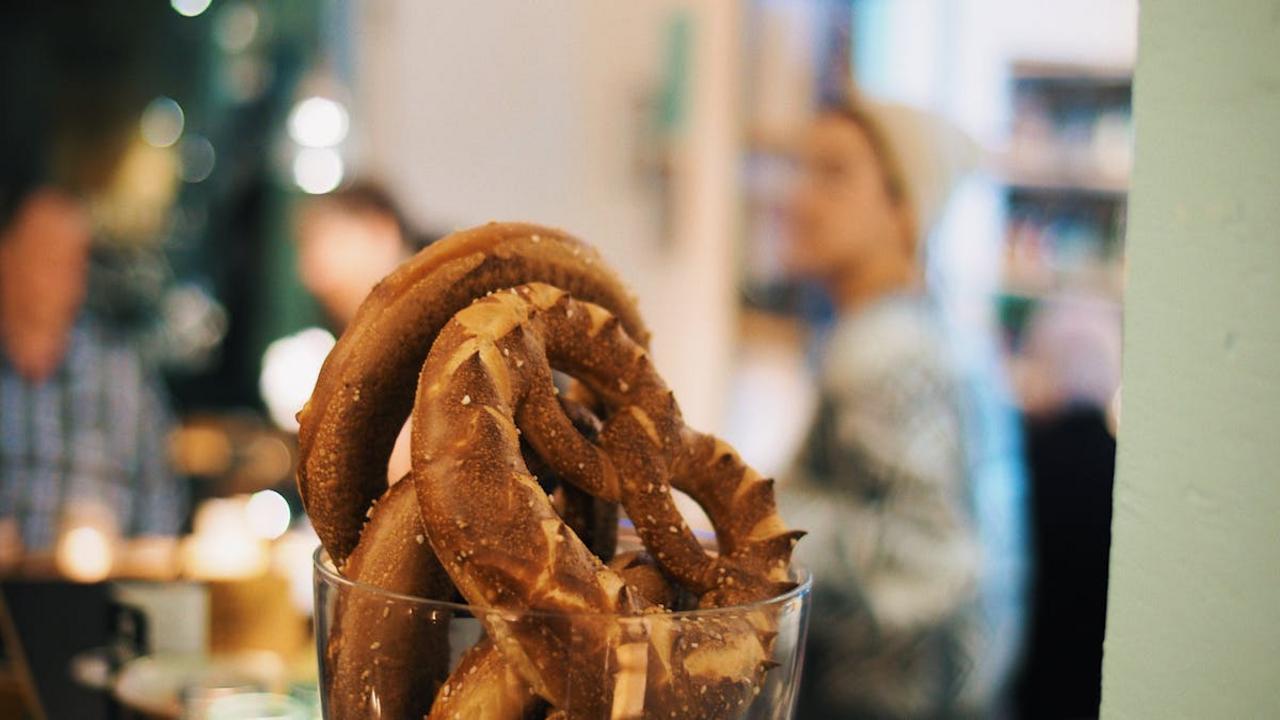
There’s something about a warm, freshly baked soft pretzel that makes you feel like you’ve been wrapped in a hug from your grandmother—even if your actual grandmother never made pretzels in her life. Amish soft pretzels are the real deal, golden-brown beauties with that perfectly chewy exterior and pillowy soft interior that makes you want to do a little happy dance. These aren’t the cardboard hockey pucks you grab at the mall food court. No, these are the kind of pretzels that require a commitment: you need to make a proper dough, let it rise with patience, then boil each pretzel in a baking soda bath before baking. That’s right—boiling bread before baking it sounds completely bonkers, but that’s exactly what gives these pretzels their signature shiny crust and distinctive flavor. The Amish have been perfecting this recipe for generations, and they know that shortcuts just won’t cut it.
Serve these beauties hot from the oven with a generous sprinkle of coarse salt on top, and pair them with a sharp cheese sauce or honey mustard for dipping. The beauty of soft pretzels lies in their versatility—you can twist them into traditional pretzel shapes, roll them into pretzel bites for easier snacking, or even stuff them with cheese if you’re feeling particularly adventurous. On a chilly evening, making these from scratch fills your kitchen with the most intoxicating yeasty aroma that’ll have your family hovering around the oven like moths to a flame. The best part? They’re surprisingly forgiving for beginner bakers. Even if your pretzel twisting skills resemble abstract art more than actual pretzels, they’ll still taste absolutely phenomenal. Just remember to eat them while they’re warm—though honestly, that’s never been a problem in my house.