14 Foods to Skip in Your Kids’ Lunches
Packing your child’s lunch can feel like a puzzle. You want meals that are nutritious, safe, and actually get eaten. But some foods that seem perfectly fine can pose choking hazards or health risks for little ones. Knowing what to avoid makes lunchtime safer and less stressful for everyone.
Some of these items might surprise you. They’re common in many households and appear harmless at first glance. Yet they can present real dangers, especially for younger children still developing their chewing skills and immune systems.
This guide highlights foods that deserve extra caution or should be left out of lunch boxes entirely. You’ll discover simple swaps and practical tips to keep meals both safe and delicious. Your child’s lunchbox can be packed with goodness without the worry.
Citrus fruits for infants
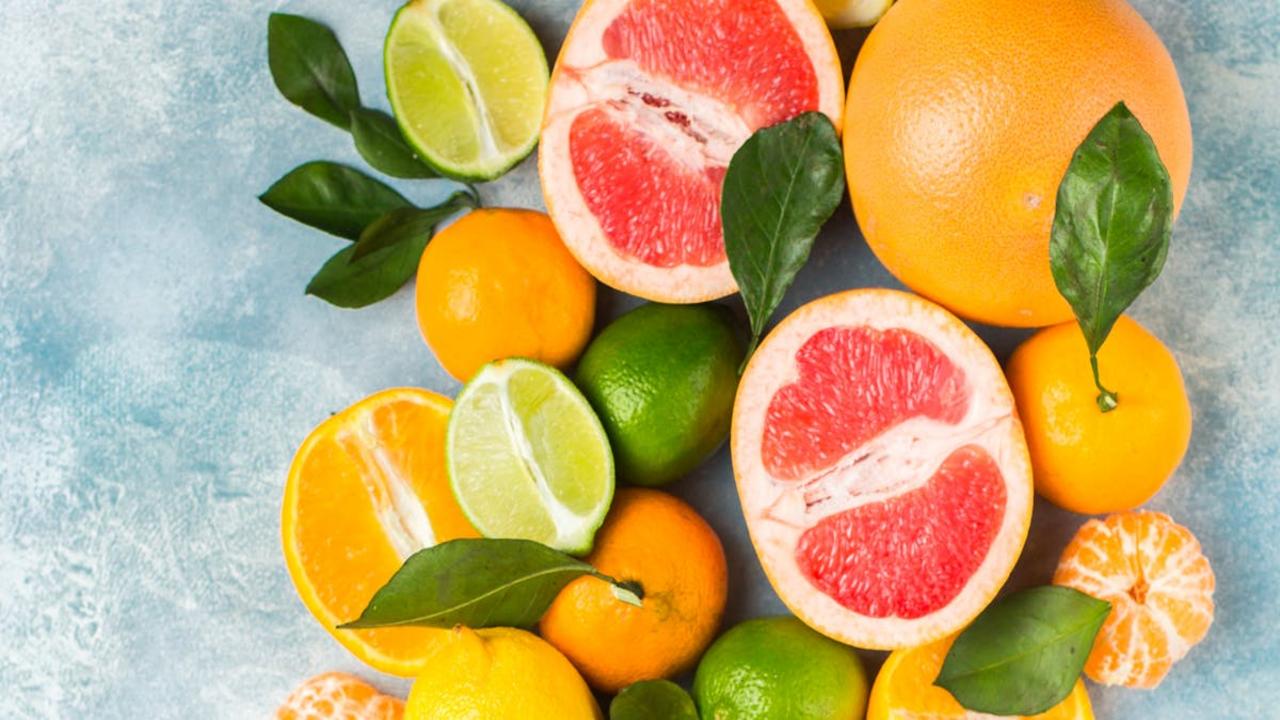
You might think oranges and grapefruits are perfect vitamin C boosters for your little one, but hold off on packing citrus fruits for babies under 12 months. These tangy treats contain high levels of acidity that can irritate your infant’s developing digestive system, causing uncomfortable tummy troubles, diaper rash, and fussiness. Their delicate stomachs aren’t ready to process these strong acids yet, and the result can be anything from spit-up to painful reflux. While citrus fruits offer fantastic nutritional benefits for older kids and adults, timing matters when you’re introducing new foods to your baby’s diet.
Instead of citrus, pack gentler fruit options like mashed bananas, pureed pears, or soft peach slices that provide similar nutrients without the harsh acidity. Your baby will still get plenty of vitamins from these alternatives, and their digestive system will thank you for the consideration. Once your child hits their first birthday, you can gradually introduce small amounts of citrus and watch for any reactions. Start with just a few bites of mandarin oranges or a taste of orange juice diluted with water. Remember, every baby develops at their own pace, so pay attention to how your little one responds. If you notice any signs of discomfort or skin irritation around the mouth, wait a few more months before trying again. Building a healthy relationship with food means respecting your child’s developmental stage and choosing age-appropriate options that support their growing body.
Canned tuna
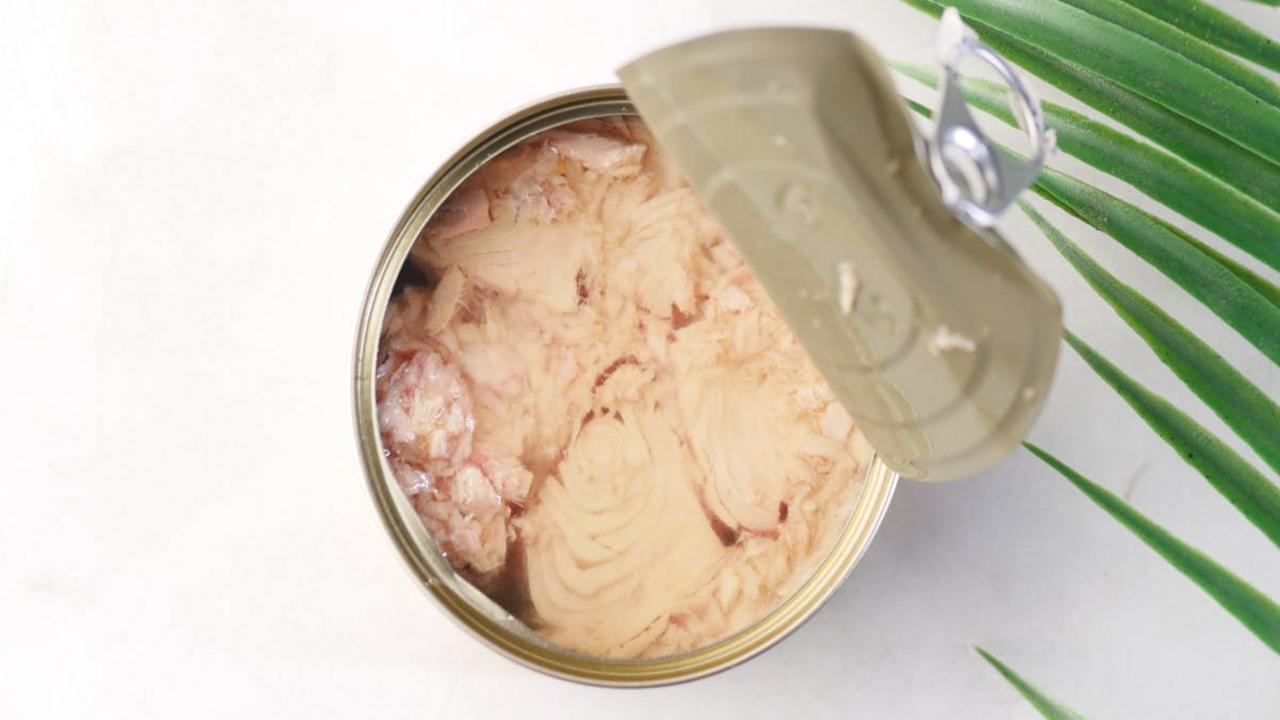
Canned tuna might seem like a convenient protein option for school lunches, but there are some serious concerns you need to know about. Mercury contamination is the biggest issue here, especially for growing kids whose developing nervous systems are more vulnerable to this heavy metal. Albacore tuna contains significantly more mercury than other varieties, and regular consumption can lead to mercury buildup in the body. The FDA recommends limiting tuna intake for children, and honestly, it’s just not worth the risk when there are so many safer protein alternatives available.
Beyond the mercury worries, most canned tuna comes packed in either oil or water with added salt, making it less than ideal for daily consumption. The sodium content alone can be surprisingly high, sometimes reaching 300mg or more per serving. If your child eats tuna sandwiches regularly throughout the week, that mercury exposure adds up quickly. Instead, try rotating in other proteins like turkey, chicken, hard-boiled eggs, or even chickpea salad, which gives you that same satisfying sandwich filling without any of the health concerns. Your child gets variety, and you get peace of mind knowing their lunch is truly nourishing their growing body.
Unpasteurized milk
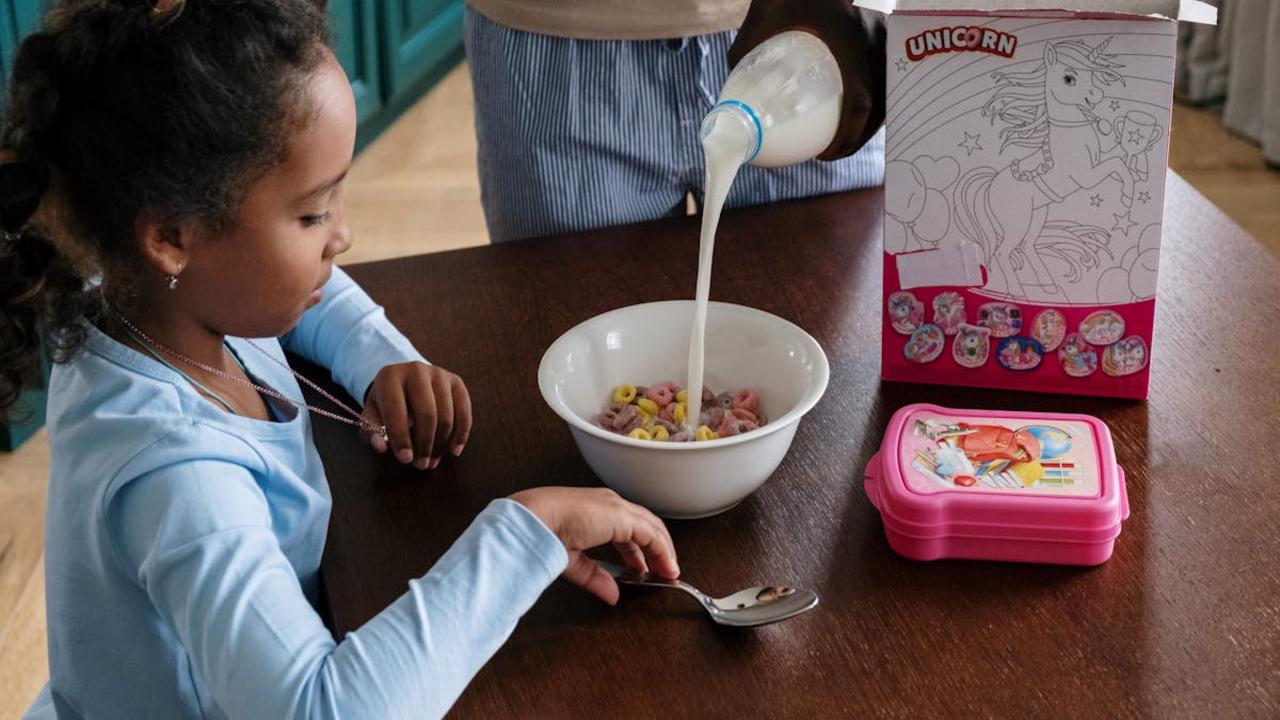
Raw, unpasteurized milk might seem like a wholesome choice, but it carries serious health risks that make it a poor option for your kids’ lunch boxes. While some people believe raw milk offers nutritional benefits, the reality is that it can harbor dangerous bacteria like E. coli, Salmonella, and Listeria. These pathogens can cause severe illness, especially in children whose immune systems are still developing. The pasteurization process exists for a good reason—it eliminates harmful bacteria while preserving most of the milk’s nutritional value. When you send your child to school with a lunch, the last thing you want is to worry about foodborne illness that could have been easily prevented.
Stick with pasteurized milk or shelf-stable options that don’t require refrigeration until opened. If you’re concerned about additives or processing, look for organic pasteurized milk from trusted brands. Many grocery stores now carry minimally processed options that give you peace of mind without the health risks. Your child’s safety should always come first, and choosing pasteurized dairy products is a simple way to protect them from unnecessary exposure to dangerous bacteria. Save the experimentation for other areas of their diet, and keep their beverages safe and reliable.
Soft cheeses
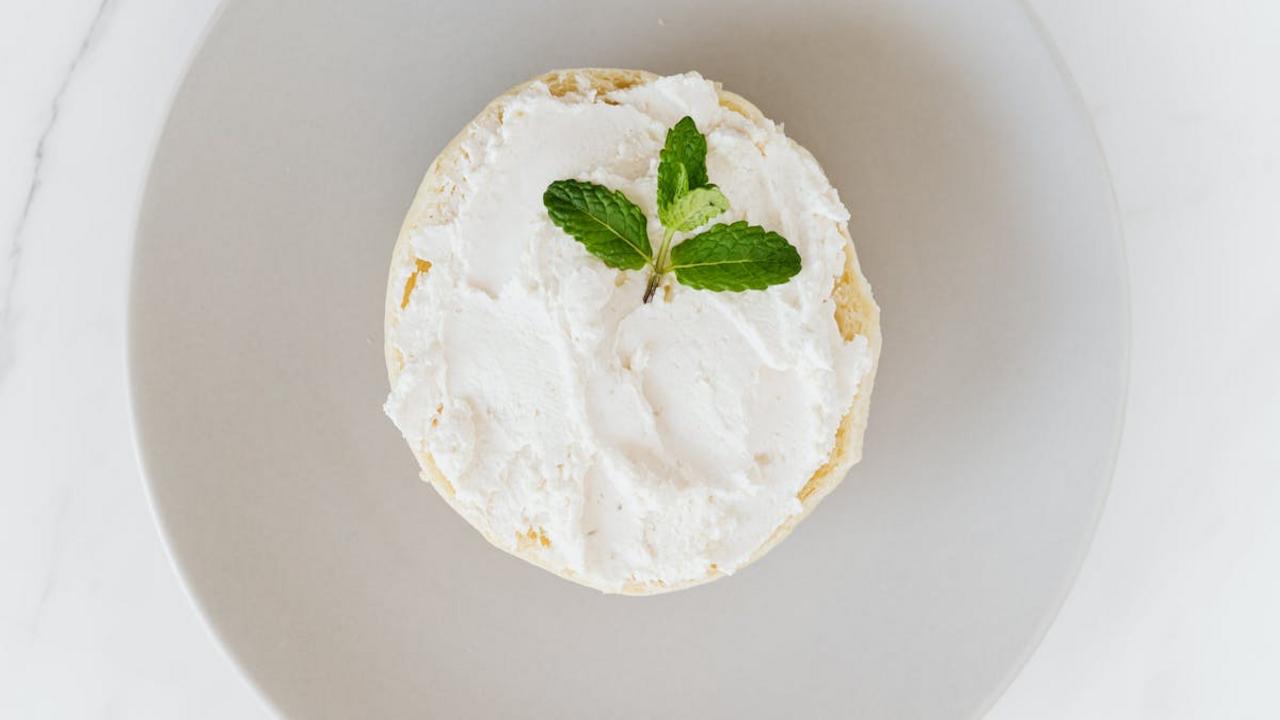
Soft cheeses like brie, camembert, and fresh mozzarella might seem like a sophisticated lunch option, but they’re tricky to pack for your kids. These cheeses need refrigeration and can spoil quickly at room temperature, creating a perfect environment for bacteria to grow. Most school lunches sit in lockers or bags for hours before lunchtime, and without proper cooling, soft cheeses can become unsafe to eat. The creamy texture that makes them appealing also makes them more perishable than their harder counterparts.
Instead of soft cheeses, pack harder varieties like cheddar, Swiss, or string cheese. These options hold up much better without refrigeration and still provide the protein and calcium your kids need. If your child absolutely loves soft cheese, invest in a quality insulated lunch box with an ice pack to keep everything cold until lunchtime. You can also pre-portion the cheese into small containers to make packing easier. Hard cheeses offer the same nutritional benefits while giving you peace of mind that lunch will stay fresh and safe throughout the school day.
Dried fruits
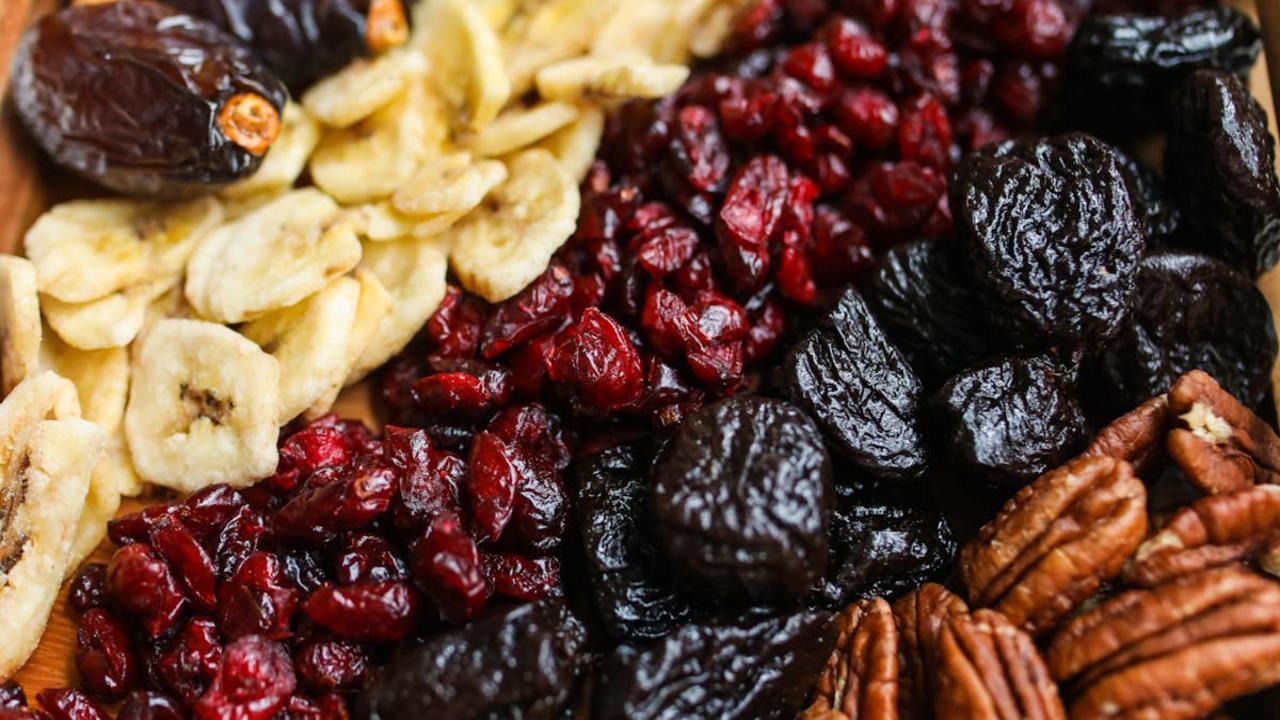
Those little boxes of raisins or pouches of dried apricots might seem like a smart snack choice, but here’s what’s really going on: dried fruits are basically nature’s candy in disguise. When you remove all that water from fresh fruit, you’re left with a concentrated sugar bomb that sticks to your kid’s teeth like glue. That chewy texture means the natural sugars hang around in their mouth longer, creating the perfect environment for cavities. Plus, many brands sneak in extra sugar or preservatives, which defeats the whole purpose of choosing fruit in the first place.
Instead of sending dried fruit, pack fresh options that give your kids the same vitamins without the sticky aftermath. Apple slices with a squeeze of lemon juice stay fresh, or try seedless grapes that pop with flavor and hydration. Berries packed in a small container work great too. If your child really loves that concentrated fruit flavor, freeze some fresh fruit the night before and toss it in their lunch—by midday, it’ll be perfectly thawed and taste like a sweet treat. Your dentist will thank you, and your kids will get all the good stuff from fruit without turning their teeth into a sugar factory. Fresh is always better for their bodies and their smiles.
Hot dogs

Hot dogs might seem like the ultimate convenient lunch option, but they’re actually one of the worst choices you can make for your child’s midday meal. These processed meat products are loaded with sodium, preservatives, and nitrates that offer absolutely no nutritional value. A single hot dog can contain over 500 milligrams of sodium, which is nearly half of what a child should consume in an entire day. The high sodium content can lead to increased blood pressure and put unnecessary strain on developing kidneys. Plus, the World Health Organization has classified processed meats like hot dogs as Group 1 carcinogens, meaning there’s strong evidence linking them to cancer risk. Your child deserves so much better than mystery meat wrapped in a bun.
Instead of reaching for hot dogs, try packing healthier protein alternatives that your kids will actually enjoy. Grilled chicken strips, homemade turkey meatballs, or even a simple peanut butter sandwich provide far more nutrition without the dangerous additives. If your child absolutely loves the convenience of something they can hold and eat, consider making your own healthier version using quality ground turkey or chicken, mixing in some grated vegetables, and forming them into kid-friendly shapes. You can prepare a batch on Sunday and freeze them for the week ahead. Your kids won’t miss those suspicious pink tubes of processed meat, and their bodies will thank you for making the switch. The small effort you put into finding alternatives now will pay off tremendously in their long-term health and eating habits.
Marshmallows

Marshmallows might seem like a fun, harmless treat to toss into your child’s lunchbox, but they’re basically just sugar and air wrapped in a squishy package. These fluffy snacks contain virtually no nutritional value—no protein, no fiber, no vitamins—just empty calories that can spike your kid’s blood sugar and leave them feeling sluggish by afternoon. Plus, their sticky texture clings to teeth, creating the perfect environment for cavity-causing bacteria to thrive. While an occasional marshmallow around a campfire is part of childhood fun, making them a regular lunch item sets up poor eating habits and doesn’t give your child the sustained energy they need to focus and learn throughout their school day.
Instead of packing marshmallows, reach for naturally sweet options that actually fuel your child’s body and brain. Fresh fruit like grapes, berries, or apple slices with a smear of almond butter provides natural sweetness along with fiber, vitamins, and lasting energy. If your kid loves soft, chewy textures, try dried fruit like apricots or dates, which offer concentrated sweetness plus beneficial nutrients. You can even make homemade energy balls using dates, oats, and a touch of honey—they satisfy that sweet craving while providing protein and fiber that keeps kids full and focused. Save the marshmallows for special occasions, and fill their lunch with foods that truly nourish their growing bodies.
Popcorn

Popcorn might seem like a healthy snack option, but it’s actually a choking hazard for younger kids. Those fluffy kernels can easily get lodged in small airways, making them dangerous for children under four years old. Even older kids can struggle with unpopped kernels that hide at the bottom of the bag, which are hard and can damage teeth. Plus, most pre-packaged popcorn comes loaded with butter, salt, and artificial flavors that don’t add any nutritional value to your child’s lunch.
If you’re set on sending a crunchy snack, try safer alternatives like cheese crackers, pretzels, or veggie chips instead. These options give kids that satisfying crunch they crave without the same choking risks. Save the popcorn for movie nights at home where you can supervise and make sure everyone chews carefully. Your child’s lunchbox should be filled with foods that are both safe and nourishing, and popcorn just doesn’t make the cut for school lunches, no matter how much kids might enjoy it.
Hard candies
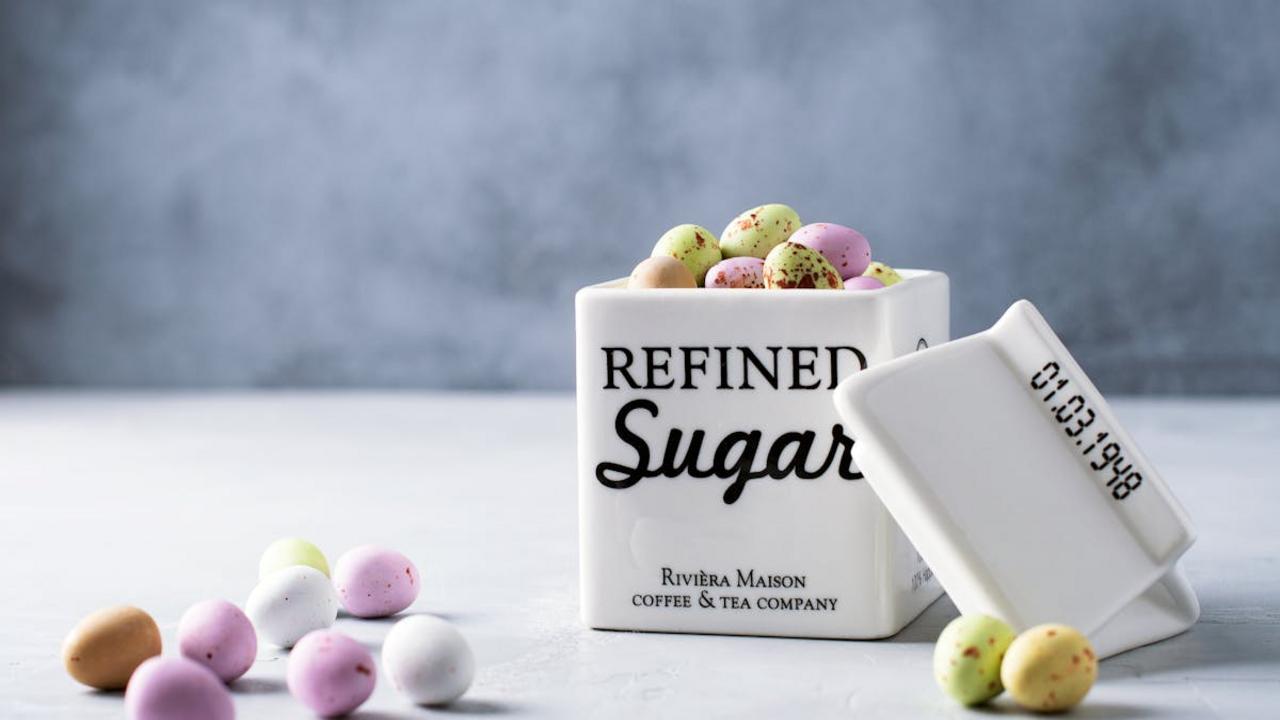
Hard candies might seem like a sweet addition to your child’s lunchbox, but they’re actually a recipe for trouble. These sugary treats cling to teeth for extended periods, creating the perfect environment for cavity-causing bacteria to thrive. Unlike chocolate that melts quickly, hard candies dissolve slowly in the mouth, bathing teeth in sugar for much longer than other sweets. This prolonged exposure significantly increases the risk of tooth decay, especially since kids at school can’t brush their teeth immediately after eating. Beyond the dental damage, hard candies offer zero nutritional value—just empty calories that can spike blood sugar levels and lead to an afternoon energy crash that makes focusing in class nearly impossible.
There’s also a serious choking hazard to consider, particularly for younger children who might get distracted while eating or try to talk with candy in their mouths. School nurses frequently deal with choking incidents involving hard candies, making them a genuine safety concern. If your child craves something sweet, pack fresh fruit like apple slices, berries, or orange segments instead. These natural options satisfy sugar cravings while providing fiber, vitamins, and minerals that actually support your child’s growth and concentration. You can also try dried fruit without added sugars, or small portions of dark chocolate chips that melt quickly and contain beneficial antioxidants. Your child’s teeth, energy levels, and teachers will thank you for making this simple swap.
Whole nuts
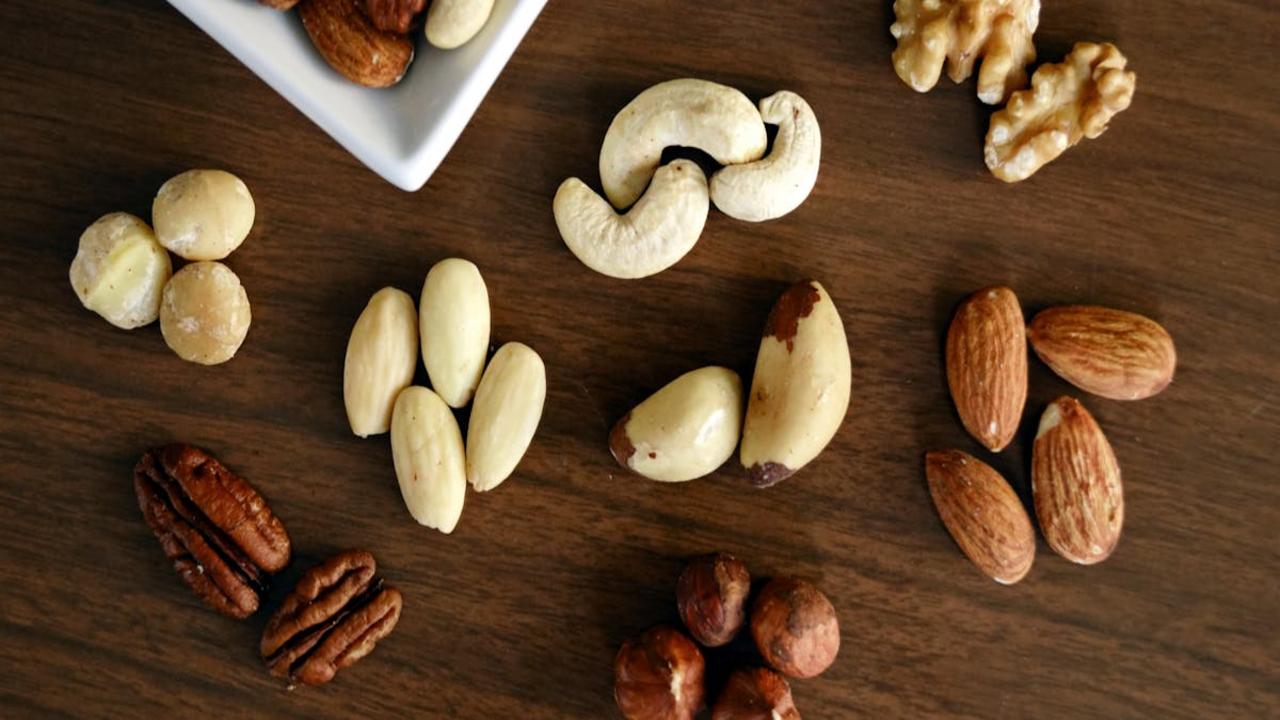
Whole nuts might seem like a protein-packed, nutrient-dense option for your child’s lunchbox, but they actually pose a serious choking hazard for younger kids. The hard texture and size of whole nuts make them difficult for small children to chew properly, and even older kids can sometimes struggle if they’re eating quickly or not paying attention. Almonds, cashews, and peanuts in their whole form can easily block airways, turning what should be a healthy snack into a dangerous situation. Additionally, many schools have strict nut-free policies due to severe allergy concerns, so packing whole nuts could put other children at risk and violate school guidelines.
If you want to include the nutritional benefits of nuts in your child’s lunch, opt for safer alternatives like nut butters spread on whole grain bread or crackers. You can also try seed butters made from sunflower or pumpkin seeds, which offer similar protein and healthy fats without the allergy concerns. For older children who can handle them safely, finely chopped nuts mixed into yogurt or oatmeal provide the same nutritional value with reduced choking risk. Always check your school’s policies before including any nut products, and save whole nuts for supervised snack times at home where you can monitor how your child eats them.
Cherry tomatoes
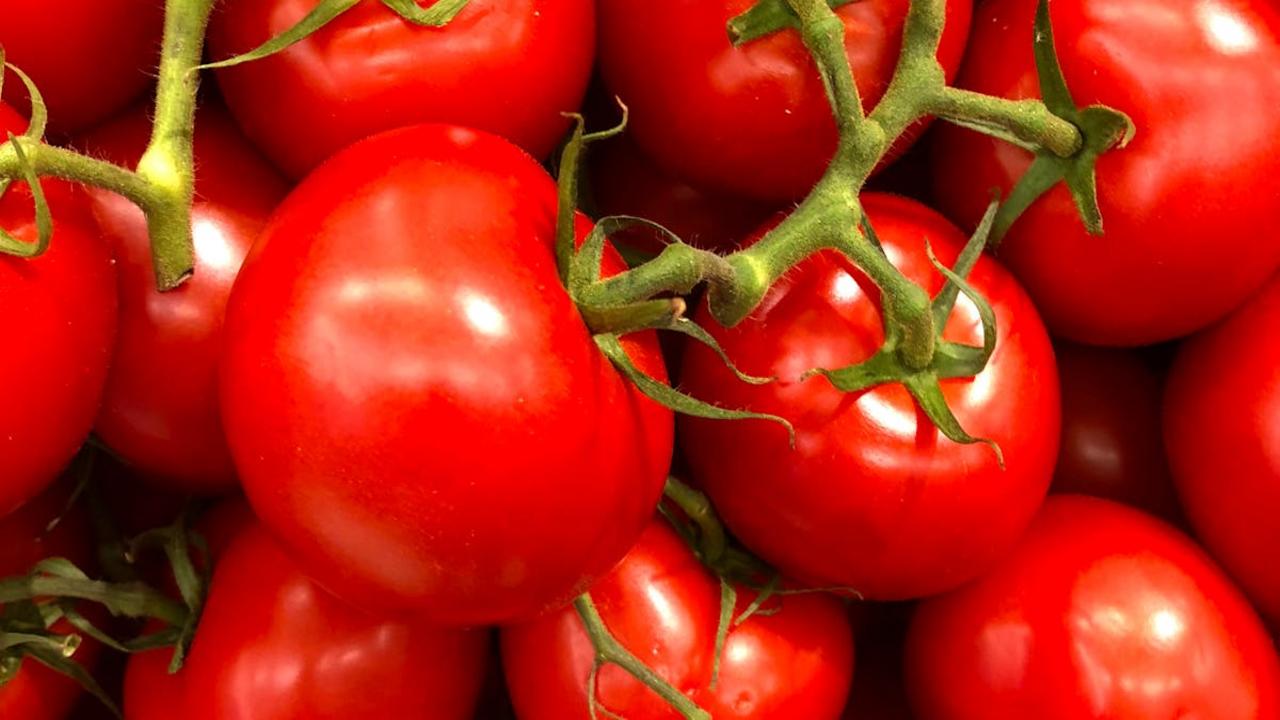
Cherry tomatoes might seem like a healthy, colorful addition to your child’s lunchbox, but they come with a serious choking risk that every parent needs to know about. These little round fruits are the perfect size to block a child’s airway completely if swallowed whole, and young kids often pop them into their mouths without thinking to chew properly. The smooth, slippery skin makes them slide down quickly, and their firm texture means they don’t break apart easily under pressure. Pediatricians consistently warn against sending whole cherry tomatoes in lunches for children under five, and even older kids can be at risk if they’re eating quickly or not paying attention during lunchtime.
If your kids love tomatoes and you want to include them in lunch, simply quarter or halve them before packing. This small step removes the choking hazard while keeping all the nutritional benefits intact—vitamin C, fiber, and antioxidants that growing bodies need. Sliced cherry tomatoes also mix better with other lunch items like pasta salad or sandwiches, making them easier for kids to eat safely. You can even involve your children in the prep process at home, teaching them why we cut certain foods and helping them understand safe eating habits. Taking an extra minute to slice those tomatoes could prevent a terrifying emergency and give you peace of mind while your child enjoys their meal.
Raw honey
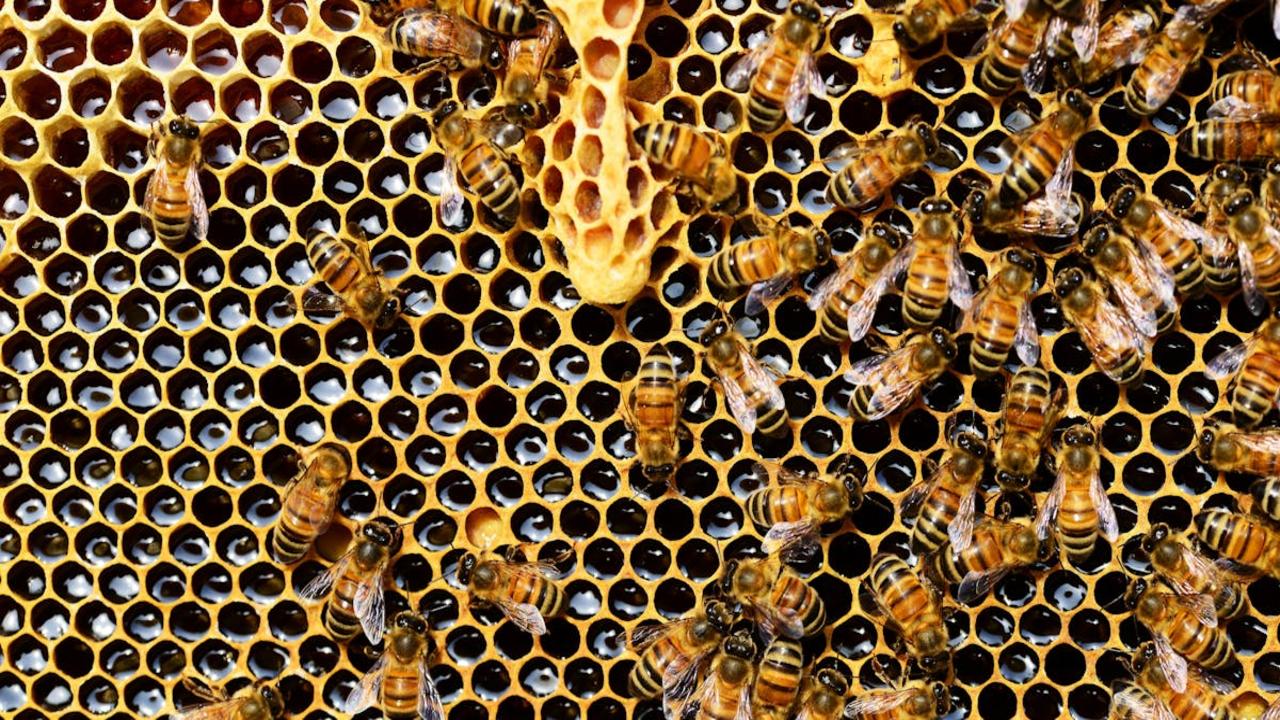
You might think raw honey is a natural sweetener that’s perfect for your child’s lunch, but here’s something important to know: it’s not safe for kids under one year old. Raw honey can contain spores of Clostridium botulinum, which can cause infant botulism—a serious illness that affects the nervous system. Even though older children and adults can handle these spores without issue, babies’ digestive systems aren’t developed enough to fight them off. If you’re packing lunches for toddlers or preschoolers who’ve already celebrated their first birthday, raw honey is generally safe, but it’s still wise to check with your pediatrician if you have concerns.
For babies and very young toddlers, stick with processed honey or avoid honey altogether in their meals. Instead, try mashed bananas, unsweetened applesauce, or a touch of maple syrup (for kids over one) if you need to add sweetness to their lunch items. These alternatives give you peace of mind while still making their food taste great. Raw honey does have wonderful health benefits for older kids and adults, but playing it safe with the youngest eaters in your family is always the right move. Check those labels and know what you’re adding to their lunchboxes!
Peanut butter
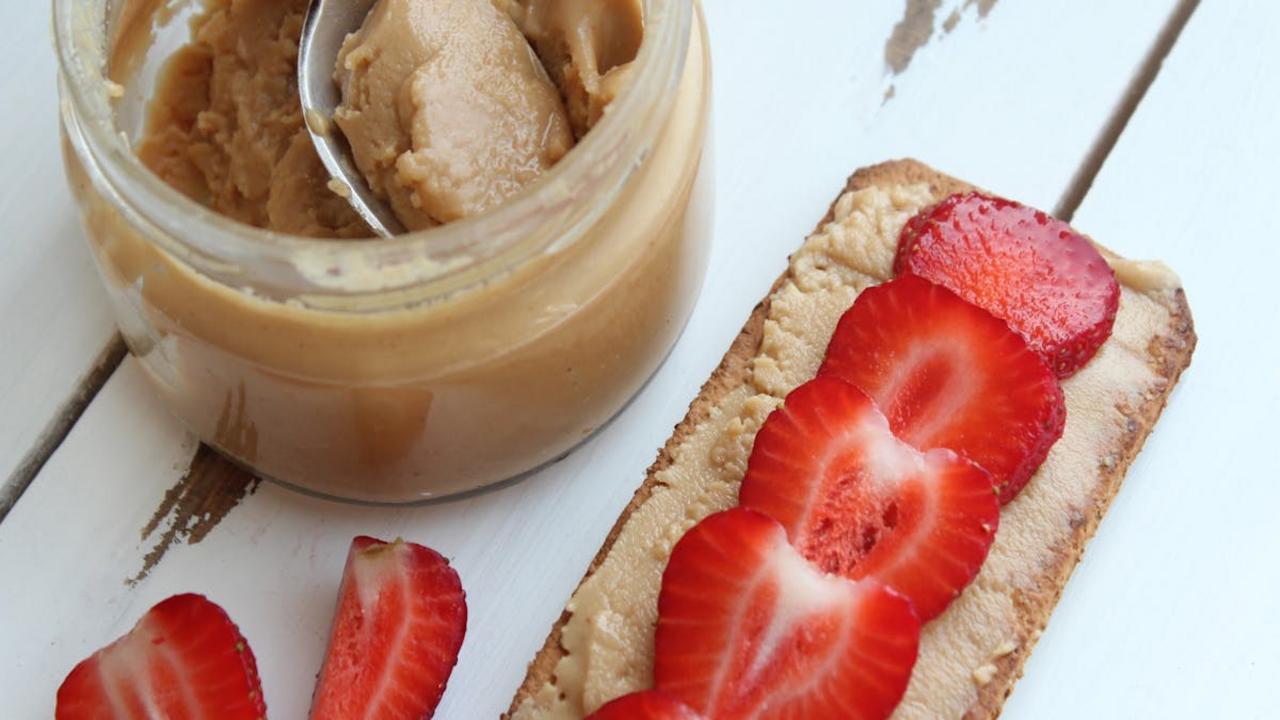
Peanut butter might seem like a protein-packed staple, but it’s becoming a no-go in many schools due to severe allergy concerns. Even if your child’s classroom allows it, cross-contamination risks make this spread tricky for lunch boxes. Kids with peanut allergies can have life-threatening reactions from the smallest exposure, and shared lunch tables or trading snacks puts everyone at risk. Many schools have gone completely nut-free to protect vulnerable students, so check your school’s policy before packing that classic PB&J. Your child’s favorite sandwich could inadvertently put a classmate in danger.
Beyond allergy issues, peanut butter sandwiches often lack the nutritional variety growing kids need at lunchtime. They’re heavy on fats and calories but light on the vegetables, fruits, and diverse nutrients that keep energy steady throughout the afternoon. If your school does allow peanut butter and your child loves it, consider sunflower seed butter or soy nut butter as safer alternatives that won’t trigger allergies. These swaps offer similar protein and healthy fats without the worry. Pair them with whole grain bread, apple slices, and carrot sticks to round out the meal. Your child gets their favorite creamy sandwich while keeping all their classmates safe and healthy.
Grapes
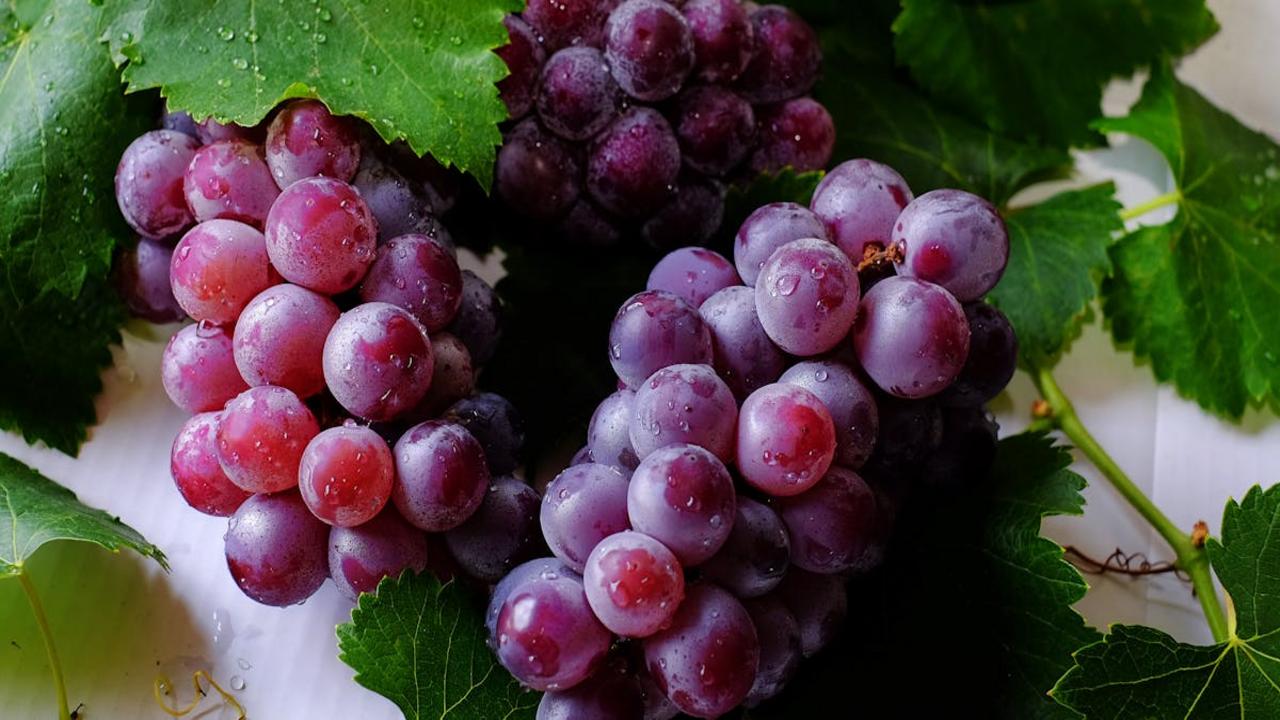
Grapes can be a fantastic snack, but they pose a serious choking hazard for younger children. Those little round orbs are just the right size and shape to block a small airway, which is why pediatricians recommend cutting them into quarters lengthwise for kids under five. The smooth skin makes them slippery, and the firm texture means they don’t break down easily if a child tries to swallow one whole. Even if your kiddo seems like a great chewer, it only takes one moment of distraction or excitement at the lunch table for things to go wrong. The safest bet is to slice them up before packing them, or consider sending a different fruit altogether.
Beyond the choking risk, whole grapes can also be messy and inconvenient in a packed lunch setting. They roll around easily, can get squished, and might end up scattered across the lunchroom floor rather than in your child’s stomach. If you do choose to pack grapes, make sure they’re properly prepared and stored in a secure container. Some parents prefer to send grape halves or quarters in a small sealed cup to prevent rolling and make them easier to eat. Just remember that taking an extra minute to prep them safely can make all the difference in keeping lunch both enjoyable and worry-free for everyone involved.