14 Iconic Dishes to Add to Your Culinary Bucket List
Life’s too short for boring food, and I’ve got fourteen reasons why your next meal should be an adventure. From Mediterranean Sea Bass that practically swims off the plate with Mediterranean sunshine to Southern Fried Chicken so crispy it sounds like applause when you bite it, these dishes represent the greatest hits of global cuisine.
Picture this: you’re demolishing a perfectly flaky French Croissant in Paris, butter cascading down your fingers like liquid gold. Or maybe you’re face-deep in American BBQ Ribs, sauce painting your cheeks like war paint. These aren’t just meals—they’re edible memories waiting to happen.
Each dish tells a story worth savoring. Italian Wood Fired Pizza whispers tales of ancient ovens, while Fresh Maine Lobster screams coastal luxury from every sweet, succulent bite. Ready to turn your dining table into a passport? Your stomach will thank you for this delicious education.
Fresh California Sushi Roll
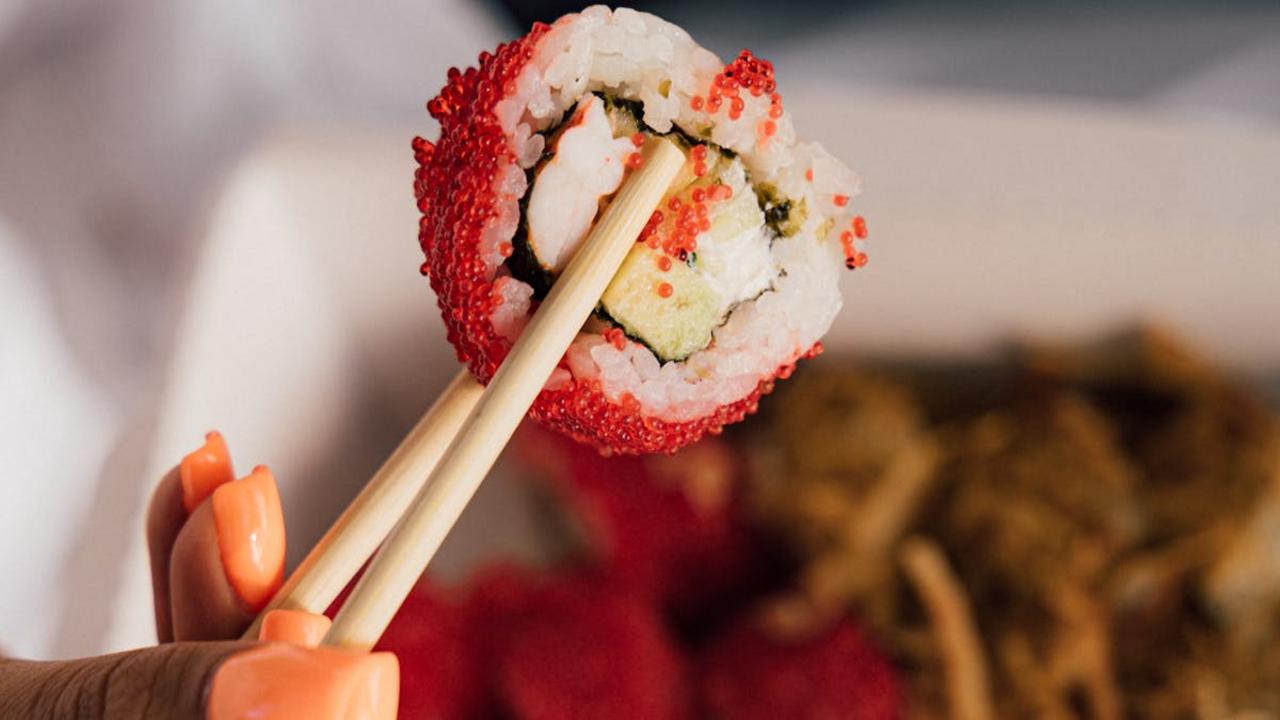
Picture this: it’s the 1960s, and a sushi chef named Ichiro Mashita stands in his Los Angeles restaurant, staring at a problem. His American customers keep wrinkling their noses at raw fish, but they’re curious about this whole sushi thing. So what does our brilliant chef do? He flips tradition on its head and creates the inside-out roll, stuffing it with cooked crab, creamy avocado, and crisp cucumber. The California roll wasn’t just born—it basically kicked down the door of American dining and announced, “Hey there, I’m approachable sushi, and I’m here to stay!” This revolutionary roll became the gateway drug that introduced millions of Americans to Japanese cuisine, proving that sometimes the best innovations come from necessity and a dash of rebellion.
Now, here’s the thing about the California roll that makes me grin every time I order one: it’s basically a salad pretending to be sushi, and we all just went along with it. The beauty lies in its simplicity—sweet crab (often imitation, but who’s judging?), buttery avocado that practically melts in your mouth, and cucumber that adds that satisfying crunch. Top it with a sprinkle of sesame seeds or masago, and you’ve got yourself a perfect bite that’s fresh, creamy, and completely non-intimidating. Pro tip from someone who’s demolished countless California rolls: always check that the avocado is perfectly ripe—too firm and it tastes like disappointment, too soft and it becomes green mush. When done right, this roll delivers that perfect harmony of textures that makes your brain do a little happy dance.
Slow Cooked Beef Brisket
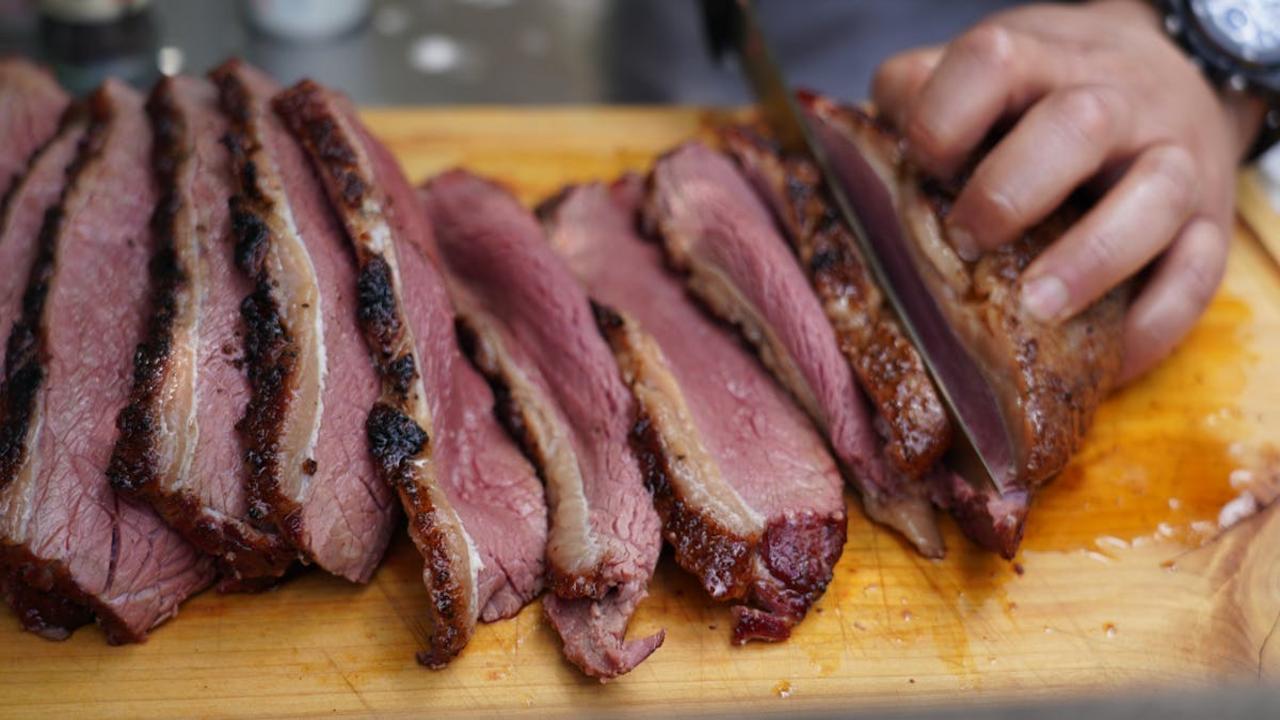
Picture this: you wake up at 5 AM, stumble to your smoker like a caffeine-deprived zombie, and start what can only be described as the most delicious form of torture known to humanity. Slow-cooked beef brisket demands patience that would make a monk jealous – we’re talking 12 to 16 hours of low-and-slow cooking that will test every fiber of your willpower. This Texas barbecue legend transforms from a tough, ornery cut of meat into something so tender it practically falls apart if you look at it sideways. The magic happens around 203°F internal temperature, where all that stubborn connective tissue finally surrenders and melts into buttery, smoky perfection.
Here’s a fun fact that’ll blow your mind: brisket used to be so cheap that butchers practically gave it away because nobody knew what to do with this challenging cut. Now it’s become the holy grail of barbecue, with pitmasters treating their recipes like state secrets and people driving cross-country just to taste the good stuff. The key lies in that beautiful bark – the dark, crusty exterior that develops during the marathon cooking session, protecting all those juicy flavors inside. Pro tip: when you hit “the stall” (that maddening plateau where the temperature stops rising for hours), don’t panic and crank up the heat. Trust the process, grab a beer, and remember that good things come to those who wait. Your taste buds will thank you later when you bite into that perfect slice of smoky, peppery heaven.
Handmade Ice Cream
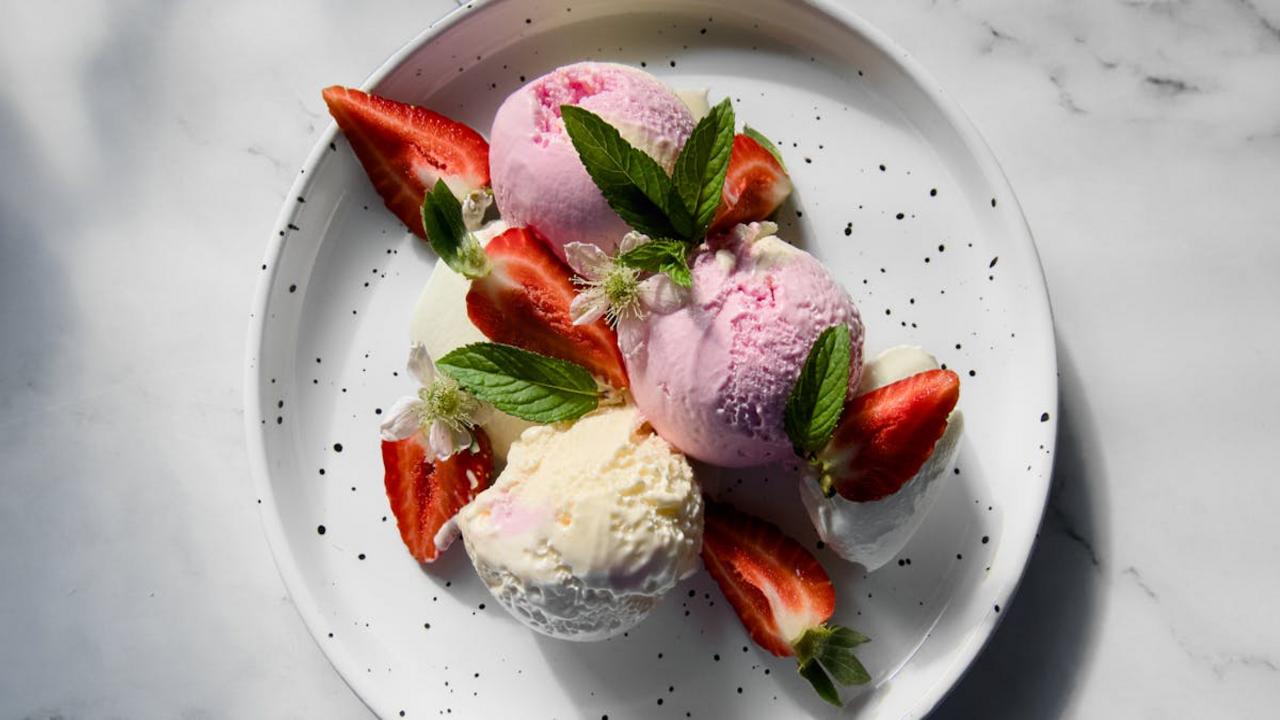
You know that moment when you take your first spoonful of truly handmade ice cream and suddenly realize everything you thought you knew about frozen desserts was a lie? That’s the magic we’re talking about here. Real handmade ice cream isn’t just churned by someone’s actual hands (though some artisans still do that old-school method) – it’s the slow, patient process of creating something extraordinary from simple ingredients. We’re talking about cream so fresh it practically moos, eggs from chickens with trust funds, and vanilla beans that cost more per ounce than some people’s rent. The texture? Dense, rich, and so smooth it makes your regular grocery store pint weep in shame.
Here’s a fun fact that’ll blow your mind: traditional gelato makers in Italy actually taste their mixture every few minutes during the churning process, adjusting sweetness and texture like they’re conducting a frozen symphony. You can spot authentic handmade ice cream by its slightly denser texture and more intense flavors – it doesn’t need artificial stabilizers because the maker actually cares about what they’re creating. Find yourself a proper ice cream parlor where they make small batches daily, and you’ll understand why people line up around the block in the middle of winter. Pro tip: if the person behind the counter can tell you exactly when that batch was made and what farm the cream came from, you’ve struck frozen gold.
Classic Fish and Chips
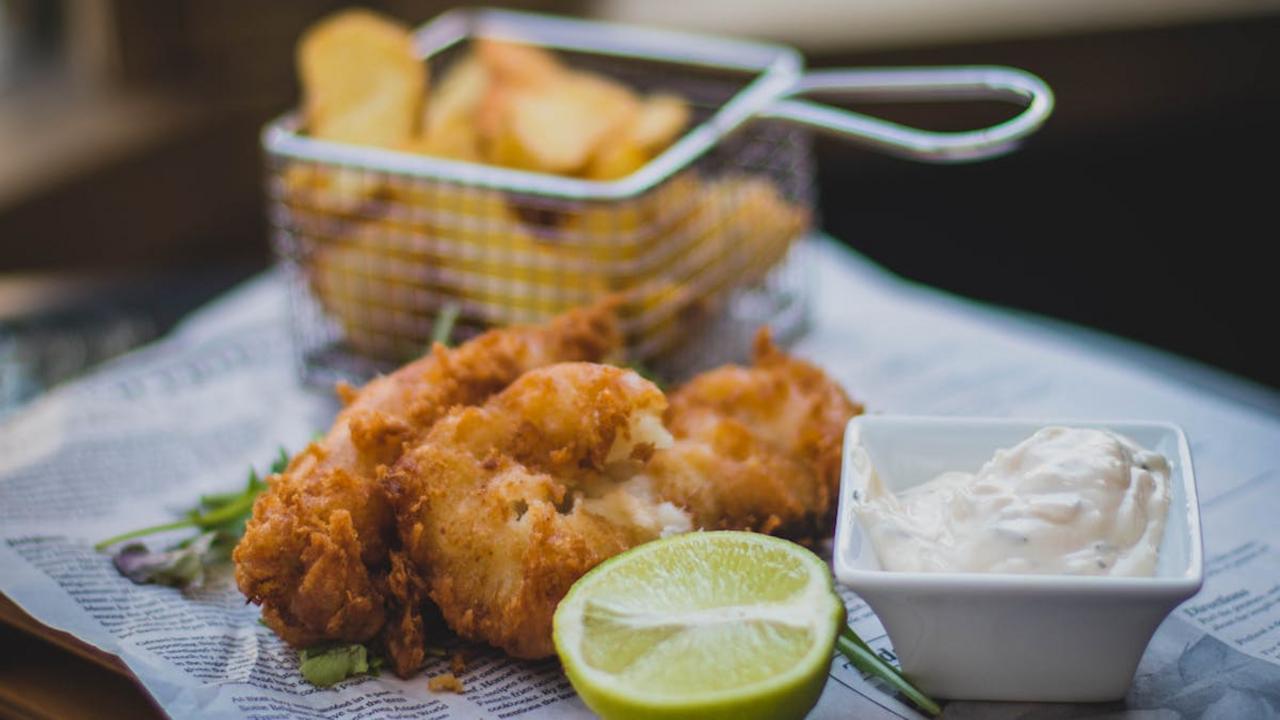
Picture this: you’re strolling down a British seaside town, and that unmistakable aroma hits you—crispy batter mingling with salt air and a hint of malt vinegar. Fish and chips isn’t just food; it’s a cultural phenomenon wrapped in yesterday’s newspaper (though these days, it’s more likely clean paper, much to traditionalists’ chagrin). The dish originated in the 1860s when clever entrepreneurs figured out that combining fried fish with chunky potato chips created pure magic. Here’s a fun fact that’ll make you the hit of your next dinner party: the “chips” in fish and chips are actually what Americans call french fries, but these British beauties are thicker, fluffier, and have way more personality than their skinny American cousins.
The perfect fish and chips experience requires serious commitment to authenticity. You want cod or haddock encased in a golden batter so light and crispy it practically sings when you bite into it. The chips should be fluffy inside with edges that crunch like autumn leaves, and don’t you dare skimp on the mushy peas—those bright green spheres of comfort that somehow make everything better. Salt and vinegar are non-negotiable, and if you’re feeling fancy, add a dollop of tartar sauce. Pro tip: eat it with your fingers while walking along a pier for the full experience, because something about the combination of sea breeze and grease-stained fingers makes this dish absolutely transcendent.
New York Cheesecake
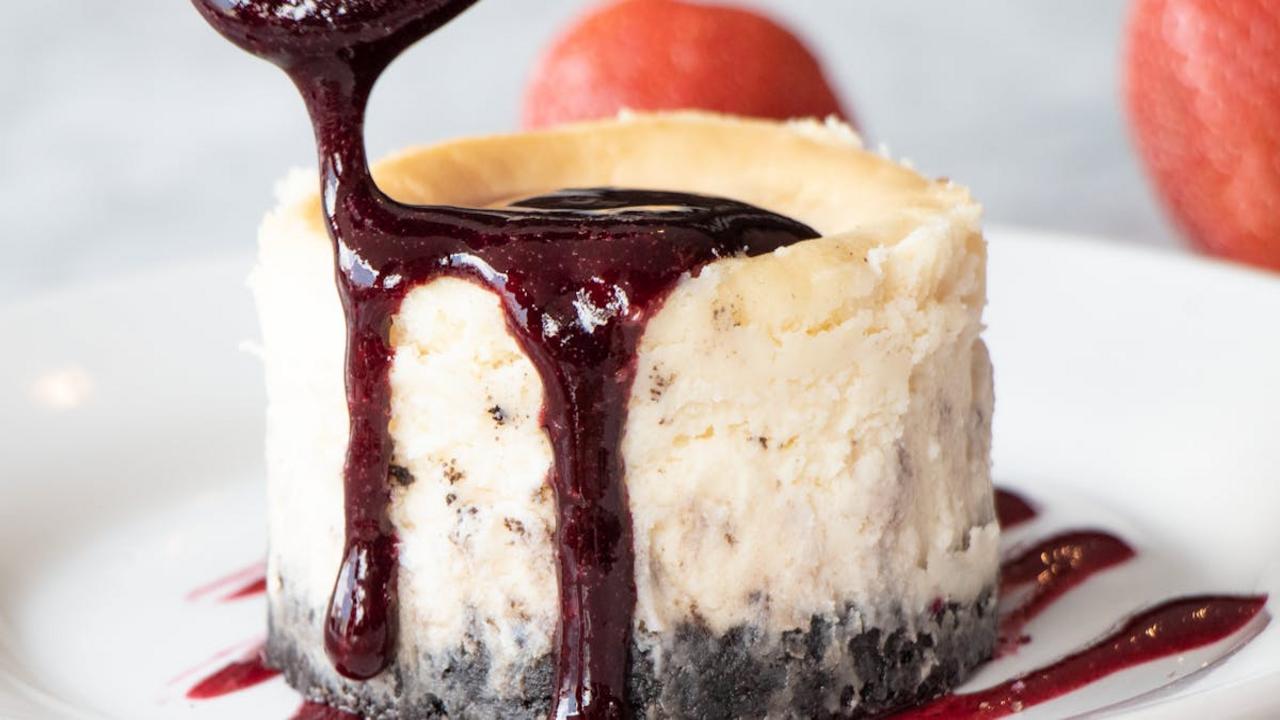
New York cheesecake stands as the heavyweight champion of desserts, and I mean that literally—this dense, creamy masterpiece could probably double as a doorstop if you needed one. Born in the Big Apple around the 1900s, this isn’t your grandmother’s fluffy European cousin; it’s a no-nonsense, cream cheese-loaded monument to American excess that weighs in at roughly 3,000 calories per slice (okay, maybe I’m exaggerating, but only slightly). The secret lies in using Philadelphia cream cheese—New Yorkers will practically disown you if you try substituting anything else—mixed with eggs, sugar, and just enough vanilla to make your kitchen smell like heaven had a baking accident.
Here’s what makes me giggle about New York cheesecake: it’s basically controlled dairy chaos that somehow works perfectly every time. The classic version sits on a graham cracker crust that provides just enough crunch to offset the silky interior, and the whole thing gets baked in a water bath to prevent those dreaded cracks (though honestly, a few battle scars just add character). You’ll find this beauty gracing deli counters across Manhattan, where slices stand tall and proud like edible skyscrapers, often topped with fresh berries or a drizzle of fruit sauce. Fair warning: one proper New York slice will have you loosening your belt and questioning your life choices, but in the most delicious way possible.
Grilled Ribeye Steak
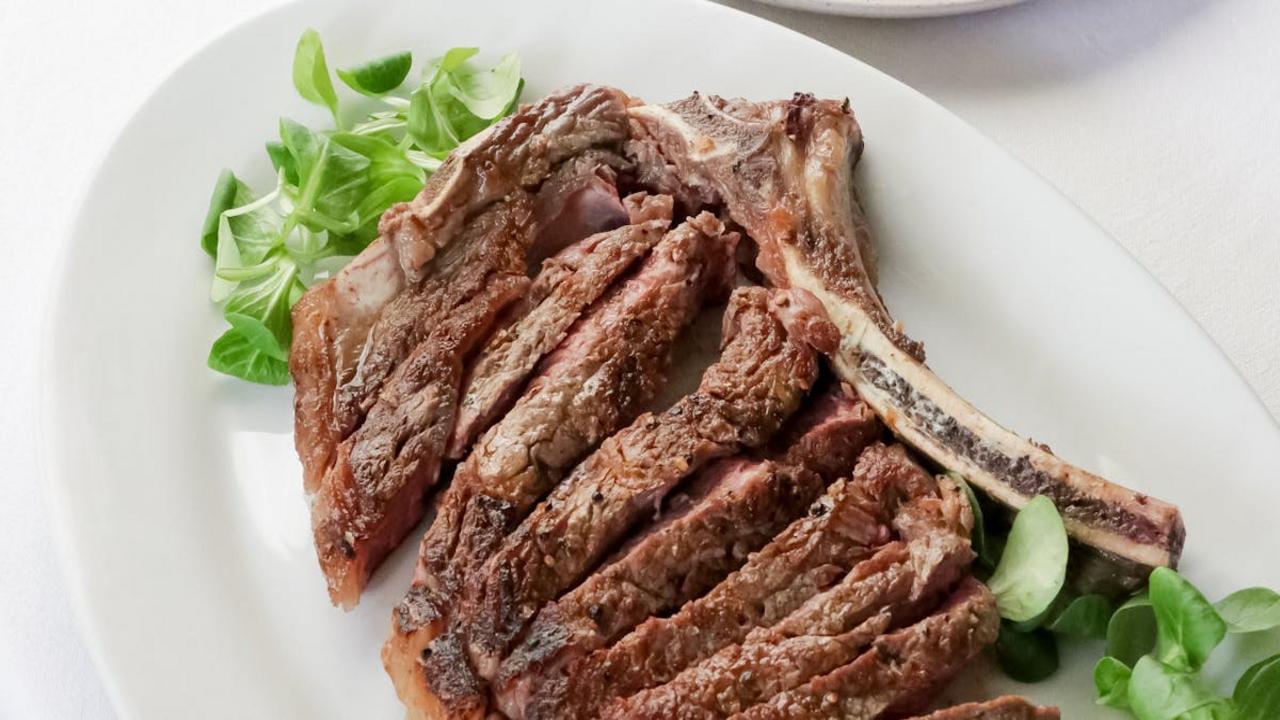
Listen, if you haven’t experienced the pure, unadulterated joy of sinking your teeth into a perfectly grilled ribeye steak, you’re missing out on one of life’s greatest pleasures. This marbled masterpiece transforms from a beautiful raw cut into a caramelized, juicy symphony that’ll make you question every other protein you’ve ever eaten. The ribeye’s generous marbling doesn’t just look pretty—those streaks of fat melt during grilling, creating natural flavor bombs that burst with each bite. Fun fact: the ribeye gets its name from being cut from the rib section of the cow, specifically ribs six through twelve, and butchers have been arguing about the perfect thickness for decades (I’m team 1.5-inch, fight me).
Getting that perfect sear requires patience and a screaming hot grill—we’re talking 450-500°F hot. Season generously with coarse salt and cracked pepper at least 40 minutes before cooking, because this beauty deserves proper preparation. The magic happens when you hear that satisfying sizzle as the steak hits the grates, creating those coveted grill marks that Instagram dreams are made of. Remember, once you flip it (and you should only flip once, people!), resist the urge to press down with your spatula—you’re not making a burger, and you’ll squeeze out all those precious juices. A good ribeye will practically announce when it’s ready, and after a brief rest under foil, you’ll have a steakhouse-quality dinner that cost you half the price and twice the satisfaction.
Traditional Apple Pie
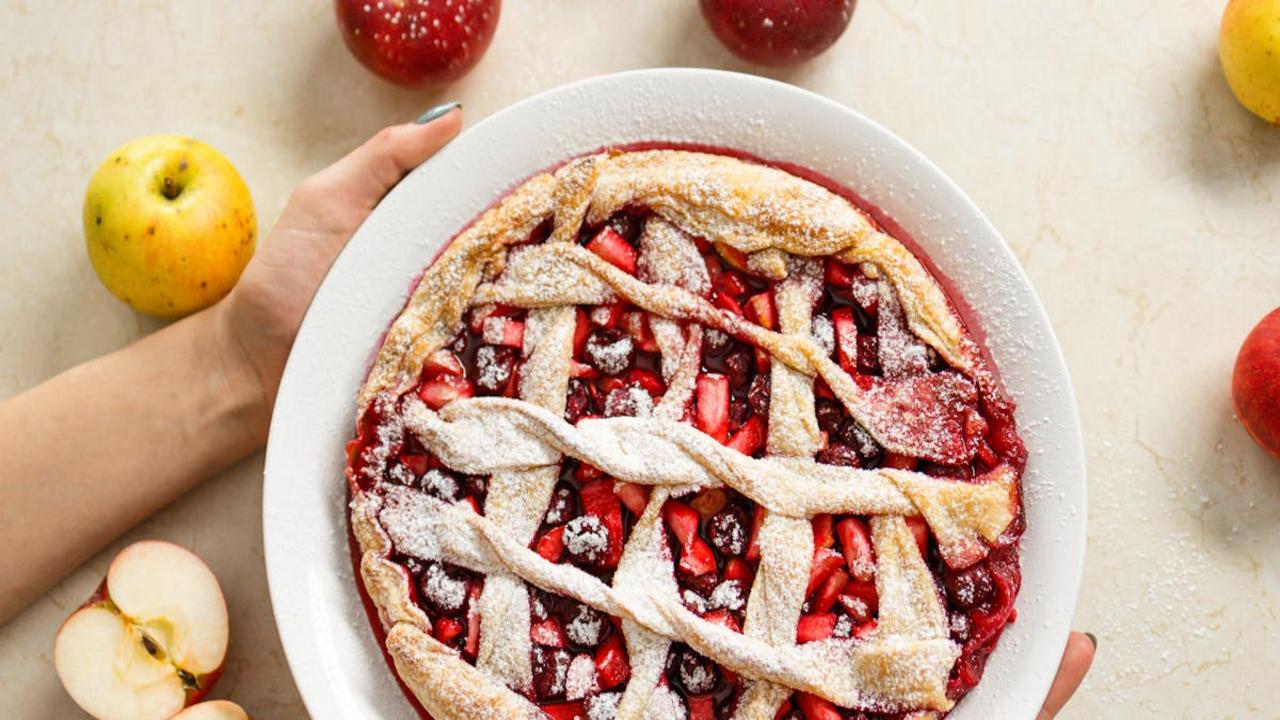
Nothing screams “comfort food royalty” quite like a traditional apple pie sitting pretty on your kitchen counter, its golden-brown crust practically winking at you through the steam vents. This American icon has been making people weak in the knees since colonial times, when clever settlers discovered that tart apples, sugar, and buttery pastry could create something so magnificent it would become the unofficial dessert of an entire nation. Here’s a fun fact that’ll make you chuckle: the phrase “as American as apple pie” is completely bonkers because apples aren’t even native to America – they sailed over from Europe like tiny, round immigrants ready to make their mark on history.
The magic happens when you bite through that flaky, butter-laden crust and hit the tender, cinnamon-kissed apple filling that’s been bubbling away like a sweet little science experiment in your oven. Traditional recipes call for a mix of tart and sweet apples – think Granny Smiths playing nice with Honeycrisps – because balance is everything in pie-making paradise. Pro tip from someone who’s made her fair share of pie disasters: don’t skip the egg wash on that top crust, and for the love of all things holy, let it cool for at least an hour before cutting. I know waiting feels like torture when your kitchen smells like cinnamon heaven, but trust me, patience prevents the dreaded “apple soup in a crust bowl” situation that haunts amateur bakers everywhere.
Japanese Style Ramen
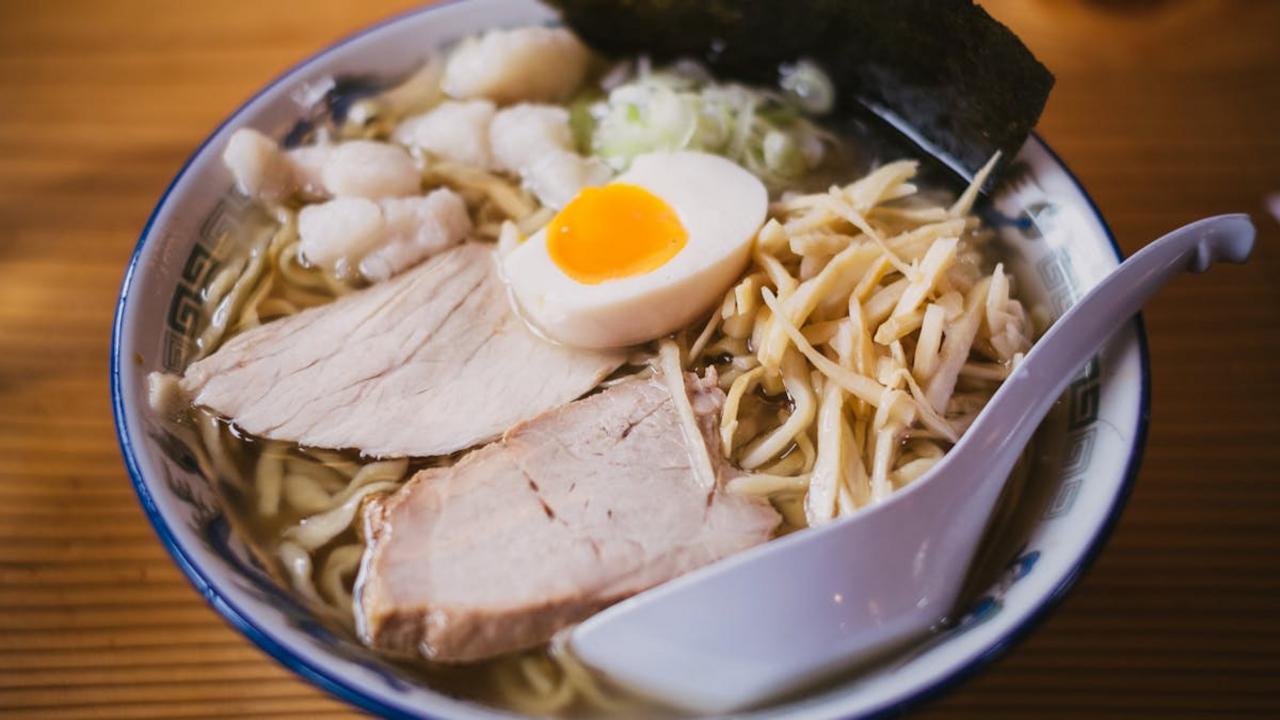
You know that moment when you slurp noodles so loudly in public that your grandmother would faint, but everyone around you nods approvingly? Welcome to the wonderful world of authentic Japanese ramen, where making noise while eating isn’t just acceptable—it’s practically mandatory! This isn’t your college dorm room sodium bomb; we’re talking about a symphony of flavors that starts with a broth simmered for up to 20 hours until it reaches an almost mystical richness. The tonkotsu variety from Kyushu literally translates to “pork bone,” and those bones get boiled so intensely they surrender every ounce of collagen, creating a creamy, soul-warming base that could resurrect the dead.
Here’s something that might blow your mind: there are over 40,000 ramen shops in Japan, which means there’s roughly one ramen joint for every 3,000 people—talk about dedication to the craft! Each region guards its ramen secrets like family heirlooms, from Hokkaido’s miso-based bowls topped with sweet corn to Tokyo’s clear, salty shoyu broths. The perfect ramen egg (ajitsuke tamago) requires a precise six-and-a-half-minute boil followed by an ice bath and a marinade that would make a chemist weep with joy. Pro tip: always eat your ramen within the first five minutes—those noodles wait for no one, and a soggy noodle is basically a ramen tragedy that no amount of slurping can fix.
Fresh Maine Lobster
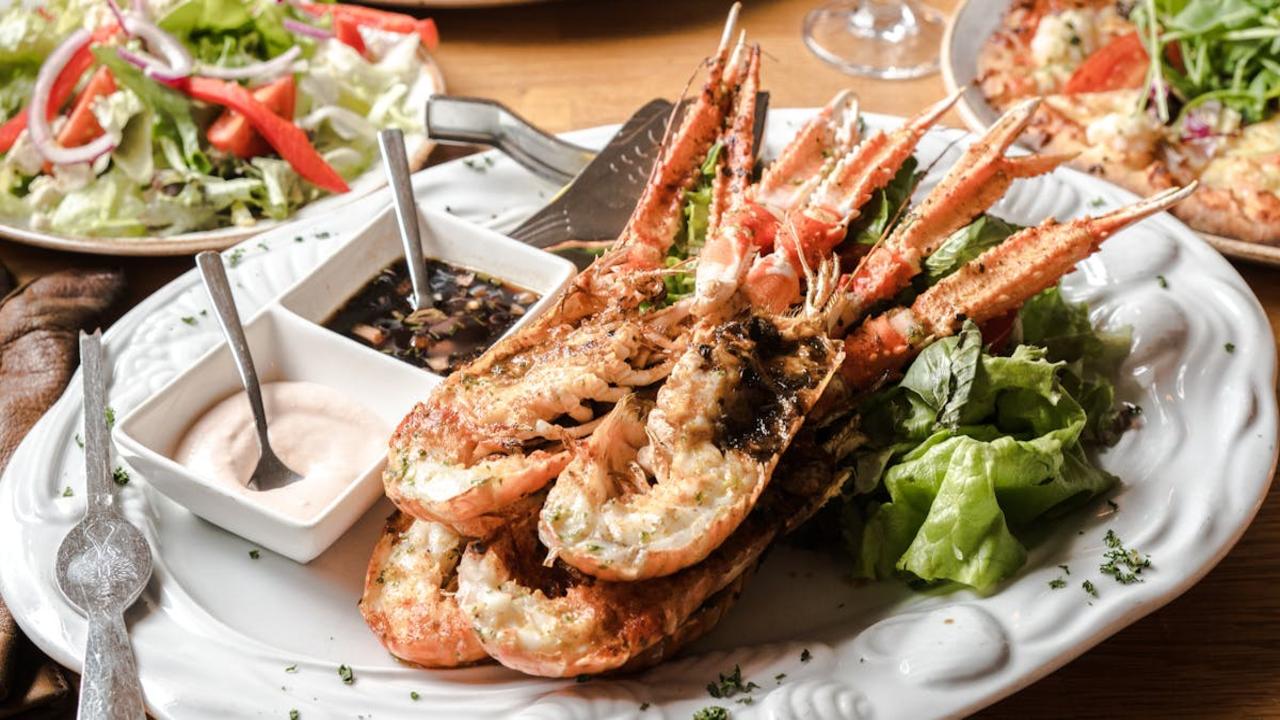
Picture this: you’re sitting at a weathered picnic table overlooking the Atlantic, armed with a plastic bib that makes you look ridiculous but absolutely necessary. Before you sits Maine’s crown jewel – a bright red lobster that just hours ago was crawling along the ocean floor, completely unaware it would become your dinner. Here’s a fun fact that’ll make you appreciate your crustacean companion even more: lobsters were once considered prison food in colonial America, so cheap and plentiful that Massachusetts actually passed a law limiting how often inmates could be fed lobster to just three times per week. Talk about how times change!
Now, if you really want to do this right, skip the fancy restaurant with the linen napkins and head straight to a lobster shack where the floors are sticky and the service comes with a side of attitude. The best Maine lobster comes simply prepared – steamed or boiled with just a touch of sea salt – because when you’ve got perfection swimming in those cold Atlantic waters, why mess with it? Crack that claw with the gusto of a medieval knight, dip that sweet, tender meat in drawn butter (or if you’re feeling adventurous, try it with a squeeze of lemon), and prepare for a flavor so clean and briny it tastes like the ocean decided to give you a hug. Pro tip: save the tomalley (that green stuff) – it’s basically lobster butter and absolute gold for those brave enough to try it.
Italian Wood Fired Pizza
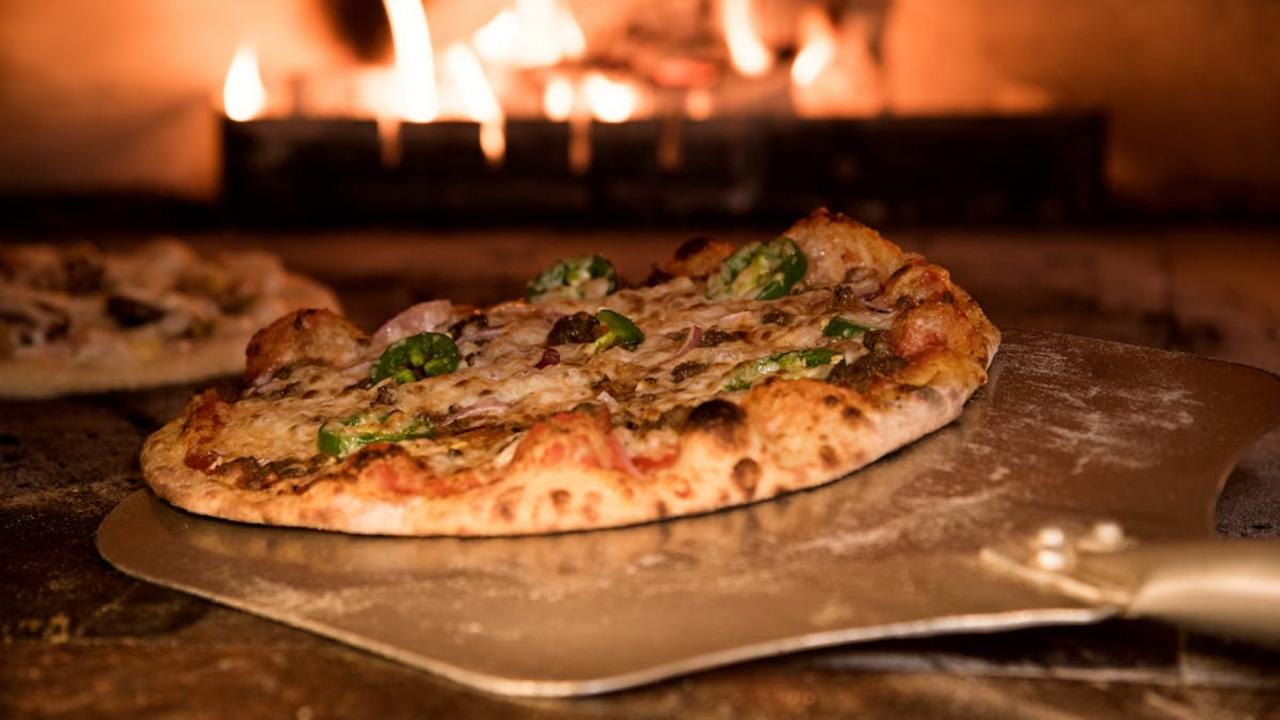
Picture this: you’re standing in a tiny pizzeria in Naples, watching a pizza maestro slide a perfectly stretched disc of dough into a blazing wood-fired oven that’s been burning since before your grandparents were born. The flames dance around 900 degrees Fahrenheit, and within 90 seconds – yes, just 90 seconds! – your pizza emerges with leopard-spotted char marks and a crust that’s somehow both crispy and chewy. The secret isn’t just the temperature; it’s the way the wood smoke kisses every bite, creating flavors that no electric oven can replicate. Fun fact: true Neapolitan pizza ovens burn only specific types of wood, and pizza makers guard their dough recipes like state secrets.
Here’s what makes wood-fired pizza absolutely magical: the extreme heat creates steam pockets in the dough that puff up like little pillows, while the bottom gets that perfect char without burning the toppings. You’ll taste the difference immediately – there’s a smoky complexity that makes regular pizza seem like a sad imitation. The traditional Margherita, with its simple trinity of San Marzano tomatoes, fresh mozzarella di bufala, and basil, becomes transcendent when kissed by wood flames. Pro tip: if you spot a pizza place with a proper dome-shaped brick oven and flour-dusted pizza peels hanging on the walls, you’ve found your spot. Just remember, real Neapolitan pizza is meant to be eaten with a fork and knife – trying to fold it will result in molten cheese burns and Italian judgmental stares.
American BBQ Ribs
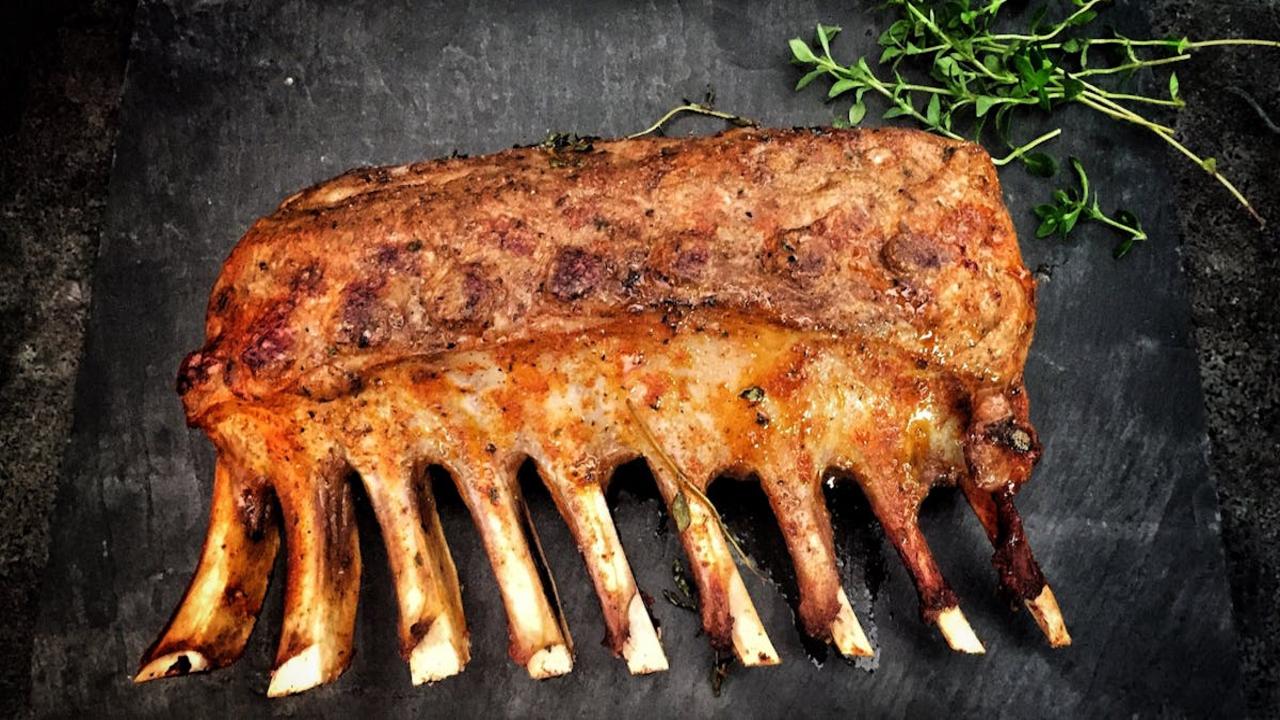
You know that moment when you bite into perfectly smoked ribs and the meat just falls off the bone like it’s been waiting its whole life for this exact second? That’s American BBQ ribs for you – the kind of food that makes grown adults weep with joy and seriously consider moving to Kansas City. These beauties spend hours getting coaxed to perfection in smoky chambers, where pitmasters treat them like precious cargo, monitoring temperatures with the dedication of heart surgeons. The magic happens when tough collagen transforms into silky gelatin, creating that legendary tenderness that has sparked more regional debates than presidential elections.
Here’s a fun fact that’ll blow your mind: the “rib” in barbecue doesn’t actually refer to the human anatomy getting tickled by flavor – though that definitely happens too! Different regions wage friendly wars over their styles, from Carolina’s vinegar-based sauces that’ll wake up your sinuses to Memphis dry rubs that create a flavor crust so good you’ll want to patent it. Kansas City throws molasses into the mix like they’re trying to candy-coat your happiness, while Texas keeps things simple with salt, pepper, and enough smoke to signal the International Space Station. Pro tip: always eat ribs with your hands – anyone who suggests otherwise clearly doesn’t understand the sacred ritual of getting gloriously messy for the sake of magnificent flavor.
Classic French Croissant
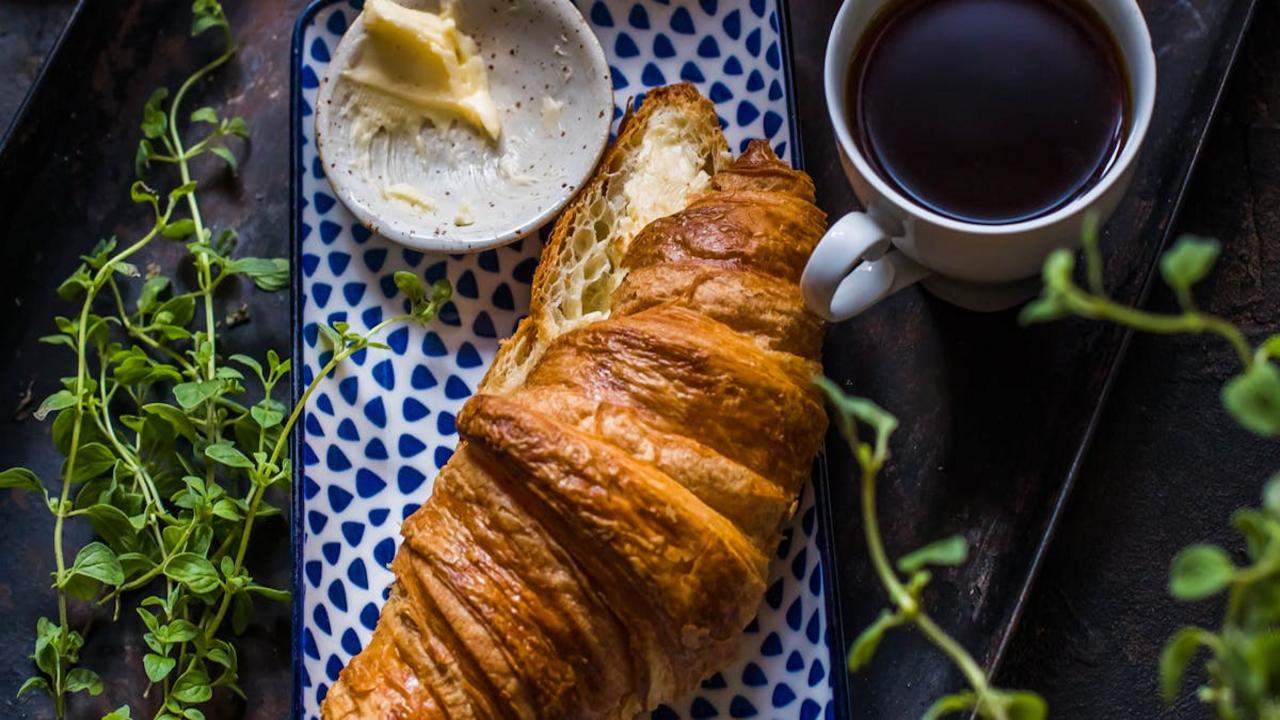
You know that moment when you bite into a perfect croissant and hear that magical shattering sound? That’s the buttery symphony of 81 layers of dough and butter dancing on your tongue! The French didn’t actually invent this flaky masterpiece though – it was originally Austrian, called a kipferl. But leave it to the French to take something good and make it absolutely divine. Marie Antoinette supposedly brought the recipe to France when she married Louis XVI, proving that even queens appreciate good pastry (and possibly foreshadowing her head-losing future with bread-related drama).
Making authentic croissants requires the patience of a saint and the precision of a Swiss watchmaker. You’ll spend three days laminating dough, which sounds fancy but really means folding butter into dough over and over until your kitchen looks like a flour bomb exploded. The butter must be exactly the same consistency as the dough – too soft and it melts everywhere, too hard and it breaks through like an angry linebacker. French bakers start their day at 3 AM just to have fresh croissants ready by breakfast, which explains why they’re always slightly grumpy but make incredible pastries. Skip the grocery store versions that taste like cardboard – find a real French bakery where they still curse in French while making them.
Southern Fried Chicken
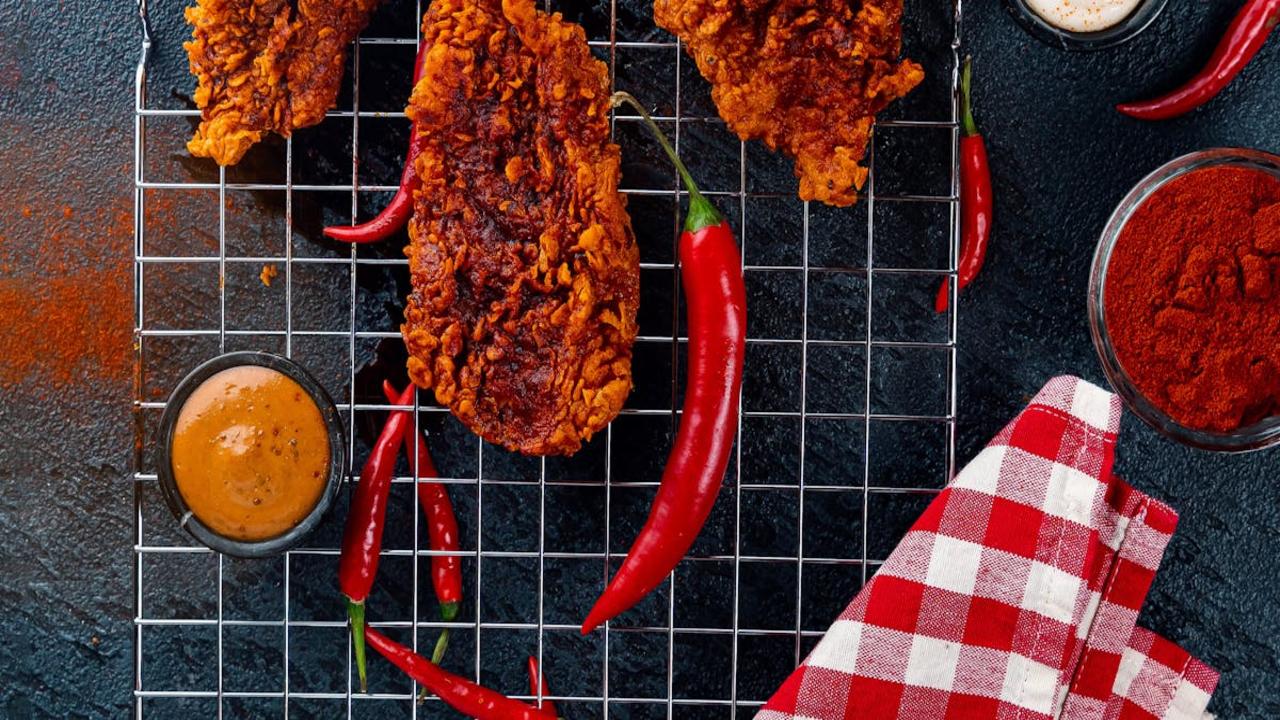
You haven’t truly lived until you’ve experienced the crispy, golden perfection of authentic Southern fried chicken. This isn’t just food—it’s a religious experience wrapped in a crunchy coating that shatters between your teeth like the most beautiful music. The secret lies in the buttermilk marinade that tenderizes the meat overnight, followed by a flour mixture seasoned with secrets passed down through generations of Southern grandmothers who guard their spice combinations like national treasures. Fun fact: Kentucky’s Colonel Sanders tested over 1,000 different spice combinations before settling on his famous 11 herbs and spices, though he apparently took that recipe to his grave (along with many broken hearts of curious food lovers everywhere).
What makes Southern fried chicken so addictive goes beyond the obvious crunch factor. The cooking method involves maintaining oil at exactly 350°F while the chicken slowly bubbles away, creating that perfect contrast between the crispy exterior and juicy interior that sends people into raptures. Each piece requires different cooking times—drumsticks need about 12 minutes while breasts demand 15—and the truly devoted know to listen for the subtle changes in sizzling sounds that indicate doneness. Pair this masterpiece with buttermilk biscuits, creamy coleslaw, and maybe some honey drizzled on top, and you’ve got yourself a meal that’ll make you question why you ever bothered with anything else. Just remember to have napkins ready—lots of them.
Mediterranean Sea Bass
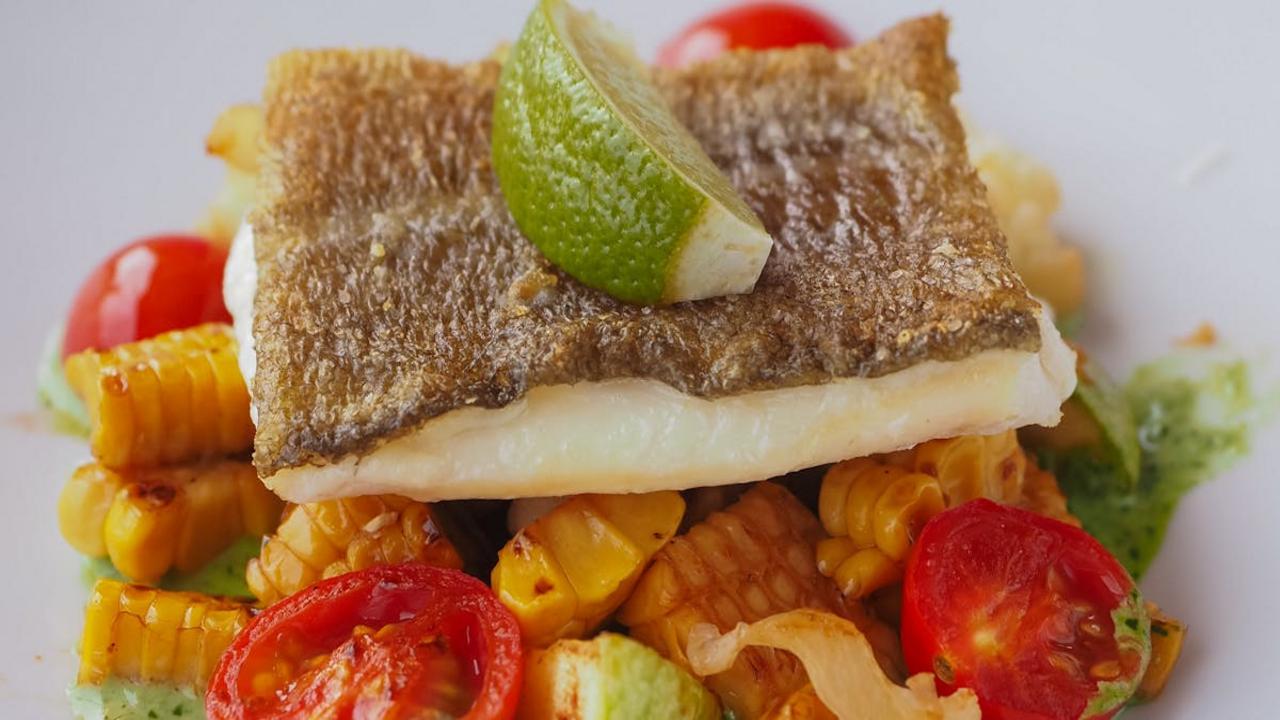
Picture this: you’re sitting at a sun-drenched taverna overlooking the Aegean Sea, and your server places before you a whole Mediterranean sea bass that looks like it just had a philosophical conversation with some olive oil and herbs. This isn’t just fish – it’s a masterpiece that would make Poseidon weep tears of pure joy. The Mediterranean sea bass, or branzino if you want to sound fancy at dinner parties, has been swimming its way into hearts (and stomachs) for thousands of years. Ancient Romans considered it such a delicacy that they built special fish farms just to satisfy their sea bass cravings – talk about dedication to the cause!
What makes this fish absolutely magical is its incredibly delicate, flaky flesh that practically melts on your tongue like oceanic butter. The traditional preparation involves stuffing the cavity with fresh herbs like thyme, rosemary, and parsley, then grilling it whole until the skin becomes gloriously crispy while the meat stays impossibly moist. Here’s a fun fact that’ll impress your foodie friends: Mediterranean sea bass can live up to 30 years and grow to be massive, but the smaller ones (around 1-2 pounds) are considered the sweet spot for flavor. Serve it with a simple lemon-olive oil drizzle and some roasted vegetables, and you’ve got yourself a meal that screams “I’m sophisticated but still know how to have fun.”