Waiter Pointed and Spoke ‘Trash’ About Us to the Next Table. I Cut His 20% Tip in Half.
There are certain unspoken rules of dining out, and chief among them is how we handle tipping. We all understand that a tip is a gesture of appreciation for good service, a thank you to the person who made our evening pleasant. It’s not meant to be a punishment for a chef’s mistake in the kitchen. But what happens when the service itself is the source of the disappointment?
One woman recently found herself in this very predicament after a special family dinner went sour. She shared her story online, sparking a heated debate about where the responsibility for a bad experience truly lies, and it’s a situation many of us can sympathize with.
The Incident
It was supposed to be a lovely evening. The woman and her husband took her mother to a favorite high-end restaurant, a place where they’d previously had a steak that “melted in my mouth.” Eager to repeat the experience, she ordered the Beef Wellington again, but this time, it was tough and “difficult to chew.” It’s always so disappointing when a place you love doesn’t live up to your memory of it.
Politely, she mentioned the issue to their waiter. Instead of offering an apology or a solution, he simply dismissed her. She recalled, “he dismissed my concerns, insisting that the steak was the same as before.” How frustrating! It’s one thing for the food to be off, but it’s another to be told your own experience is wrong.
When the bill arrived, the woman, feeling conflicted, calculated a tip slightly below her usual 20 percent. As they were leaving, her husband felt he detected “a hint of sarcasm” in the waiter’s tone. He promptly suggested they slash the tip to a mere 10 percent, a move that shocked his wife. Though she felt guilty, she went along with it, torn between her desire to be fair and her husband’s conviction.
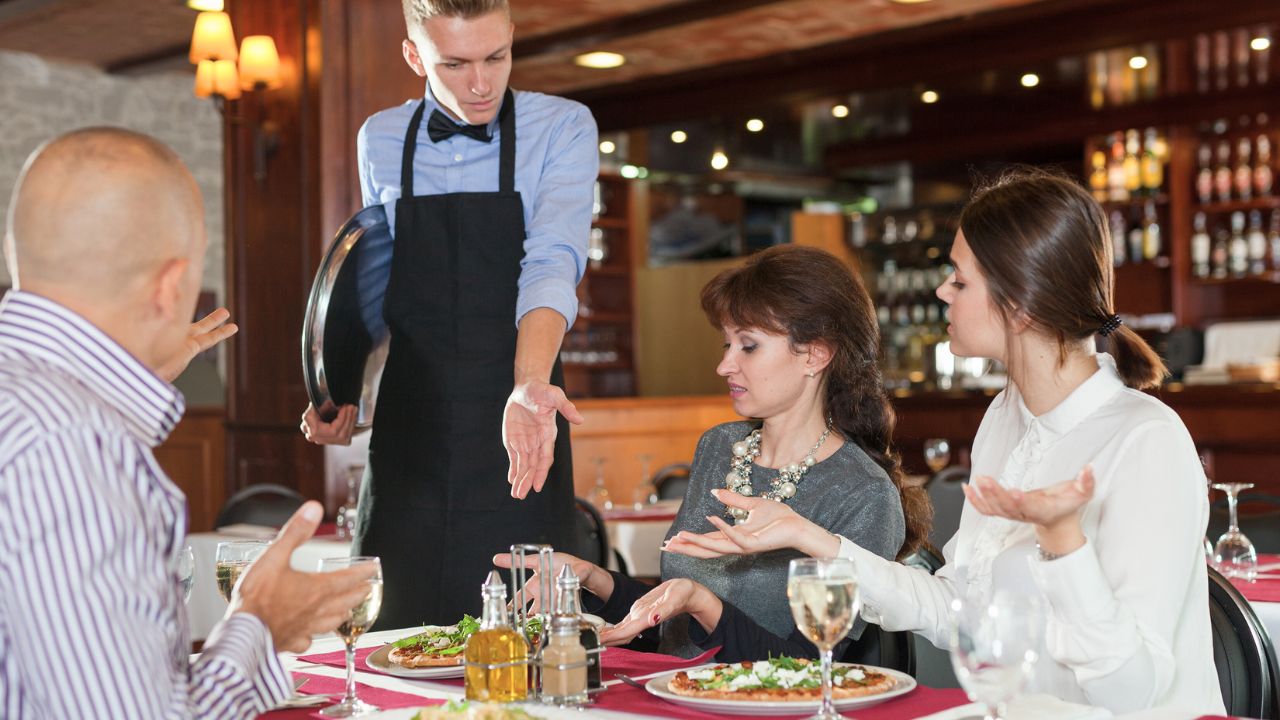
The story, however, took a turn later. Her husband confessed he’d seen more than just sarcasm. He told her he saw the waiter “pointing and talking trash about us to the people next to him.” Suddenly, the waiter’s dismissive attitude and perceived sarcasm snapped into focus. This wasn’t just about a tough steak anymore; it was about blatant disrespect.
The Internet Reacts
When the woman asked for advice online, the internet had plenty to say, and people quickly formed different camps on the matter.
The “Absolutely Not” Crowd was firmly on the waiter’s side, arguing that the couple had punished the wrong person. The consensus here was that the chef, not the server, was responsible for the food quality. One commenter put it bluntly: “YTA. The waiter is not responsible for the quality of your food.”
Another agreed, stating, “The waiter doesn’t taste your food. Holding them accountable for the food is wrong.” This group felt the couple should have sent the steak back instead of taking it out on the waiter’s tip.
Then there was the “Devil’s Advocate” camp. These folks agreed that the waiter didn’t cook the steak, but they argued that his job is to manage the customer’s experience, which includes handling complaints with grace. One person astutely pointed out that the waiter failed in his duty.
“He wasn’t responsible for how it was cooked but he was responsible for asking you would you like another. Or offer to take it back,” they wrote. “I just see a waiter who failed you. Don’t pity him.” This is a fair point; service is about more than just carrying plates.
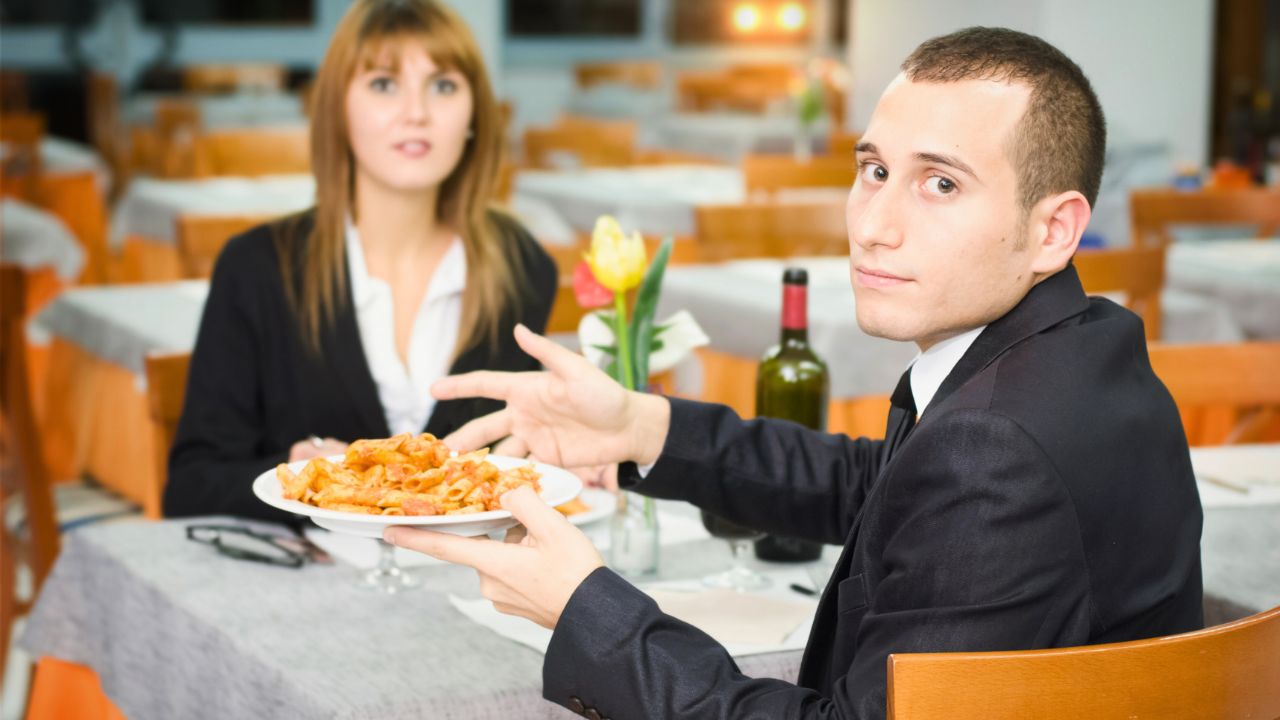
Finally, a few people were skeptical of the husband’s role in the drama, particularly his initial reaction. One person commented on his perception of the waiter’s tone, writing, “A ‘hint or sarcasm’ – ooooook. That you & your mom did not detect. Just your husband.” This highlights the initial ambiguity of the situation, before the husband revealed he had seen the waiter gossiping about them—a detail that changes the entire story.
The Etiquette Verdict
Let’s be clear: tipping is for service. While it’s generally poor form to penalize a server for a kitchen error, this situation evolved far beyond a poorly cooked meal. The moment the waiter dismissed a polite complaint, the quality of his service declined. A professional server in a high-end restaurant should have listened, apologized for the diner’s disappointment, and offered to speak with the kitchen or a manager.
His alleged behavior afterward—gossiping and pointing at customers—is simply unacceptable in any establishment. That is not a service misstep; it is a profound act of disrespect. While the husband’s initial call to slash the tip may have seemed harsh, his instincts were ultimately validated. The Golden Rule here is that a tip should reflect the respect and care you were shown, and in this case, there was none.

Your Take
This is a tricky situation that could happen to any of us on a night out. It leaves us with a lingering question about fairness and expectations.
Was the husband right to slash the tip for what he perceived as bad service, or should the couple have tipped the standard rate regardless of the waiter’s attitude?
Ready for the next level of insight? Discover more in my latest article here.