14 Easy Checks to Tell Your Food Is Still Good After the Best by Date
Those “best by” dates on your food packages often create unnecessary panic in kitchens everywhere. You know the feeling – you reach for that yogurt container, notice the date passed three days ago, and immediately assume it belongs in the trash. But here’s what I want you to know: these dates don’t always mean your food has gone bad.
Most “best by” dates indicate peak quality rather than safety deadlines. Your senses remain your most reliable tools for determining food freshness. With a few simple observations, you can confidently decide whether that slightly past-date item deserves a spot on your dinner table or needs to go.
These fourteen straightforward checks will transform how you approach food waste in your kitchen. You’ll save money, reduce unnecessary disposal, and gain confidence in your food safety decisions. Trust your instincts and use these practical guidelines to make informed choices about the ingredients you love cooking with every day.
Seal remains unbroken
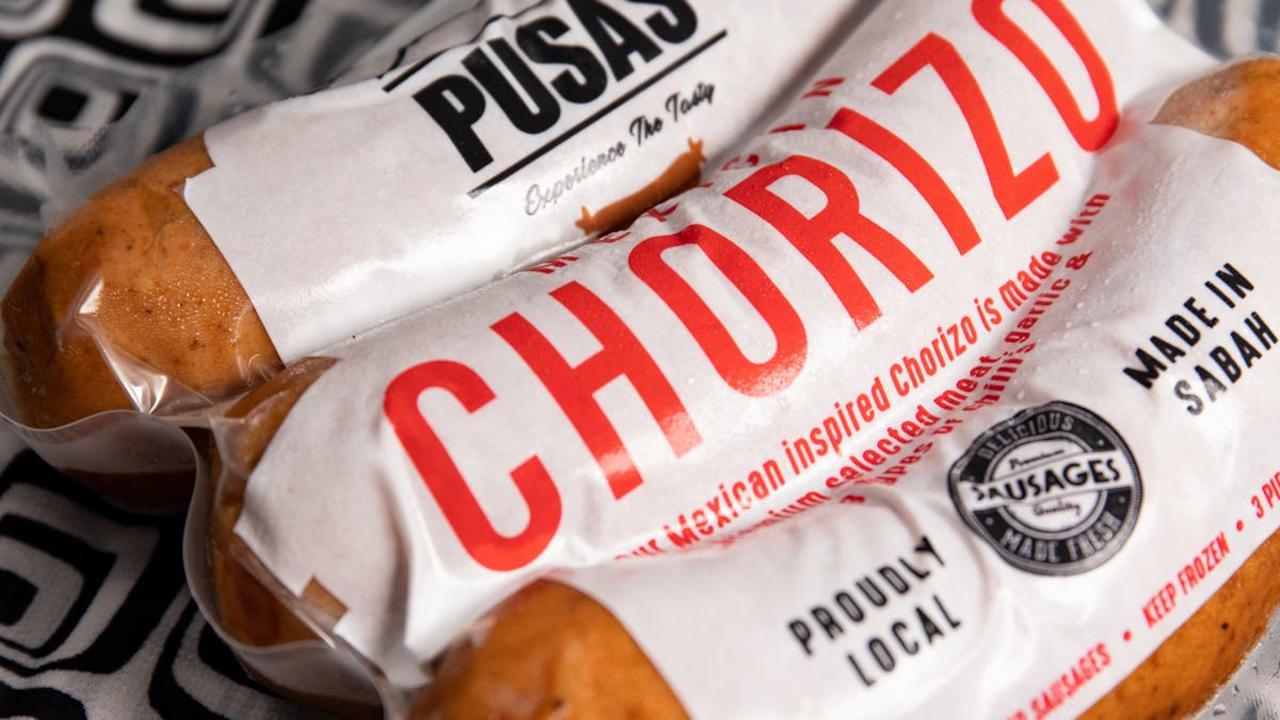
When you’re checking whether food has gone past its prime, one of your most reliable friends is that intact packaging seal. If you spot a can, jar, or package where the seal stays completely unbroken, you’re looking at food that likely maintains its quality and safety well beyond the printed date. That vacuum seal or tight closure acts like a protective barrier, keeping oxygen, moisture, and harmful bacteria from sneaking inside and causing spoilage. I always check my pantry items by running my fingers around jar lids and examining can tops for any signs of compromise – it’s become second nature in my kitchen routine.
Think of an unbroken seal as your food’s personal bodyguard, working around the clock to preserve freshness and flavor. Canned goods with intact seals can often stay good for months or even years past their best-by dates, while sealed dry goods like pasta, rice, and cereals maintain their quality much longer than you might expect. Just make sure you store these sealed items in cool, dry places away from direct sunlight. Your sealed foods are practically begging you to trust them a little longer – that sturdy barrier means the contents inside remain just as wholesome as the day you brought them home from the store.
No freezer burn
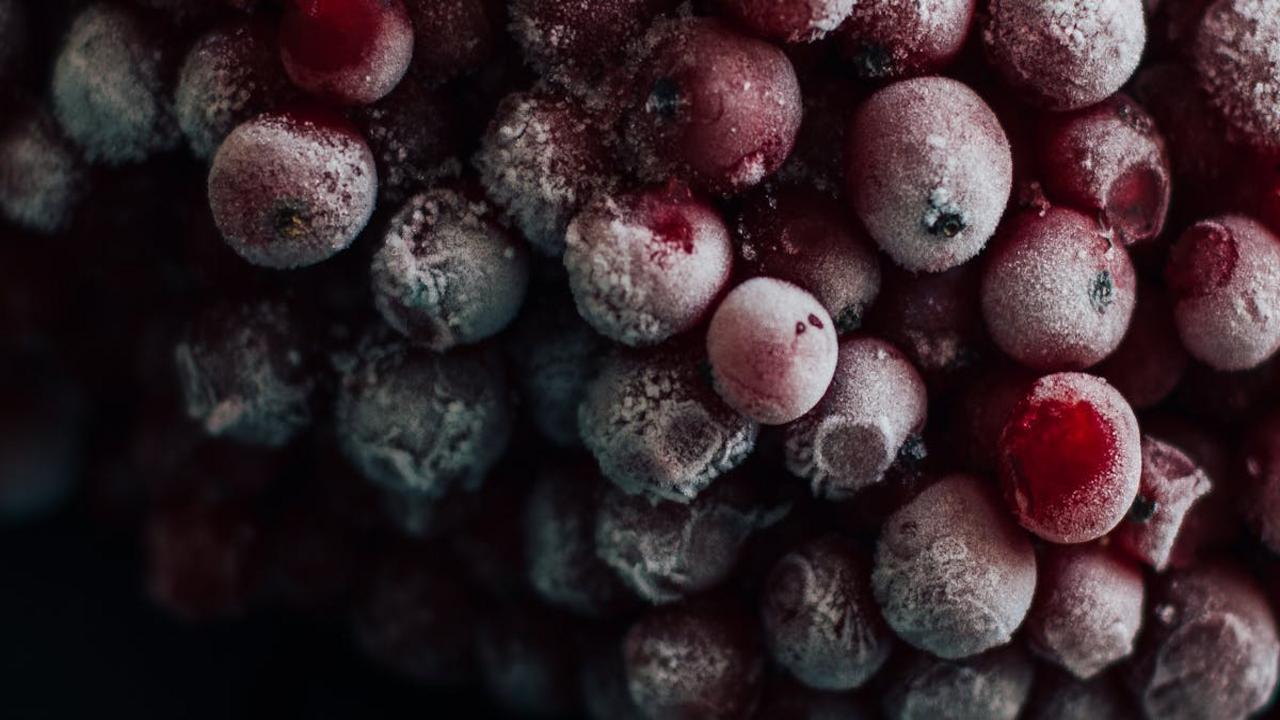
You know that disappointing moment when you pull something from your freezer, only to discover those telltale white, crystalline patches covering your once-beautiful food? That’s freezer burn, and while it won’t make you sick, it definitely transforms your meal into something less appetizing. When you spot those dry, discolored areas on frozen foods, you’re looking at dehydration damage – the moisture has escaped and left behind a texture that’s tough and flavor that’s, well, pretty bland.
The good news is that food with minor freezer burn spots can still work in your cooking routine! You can simply trim away the affected areas before cooking, and the rest of your protein or vegetables will taste just fine. However, if freezer burn covers most of the item, you’re better off tossing it and starting fresh. To prevent this frustrating situation, wrap your foods tightly in freezer-safe materials, remove excess air from bags, and try to use frozen items within their recommended timeframes. Your future self will thank you when you pull out perfectly preserved ingredients ready for your next home-cooked masterpiece.
Absence of slime
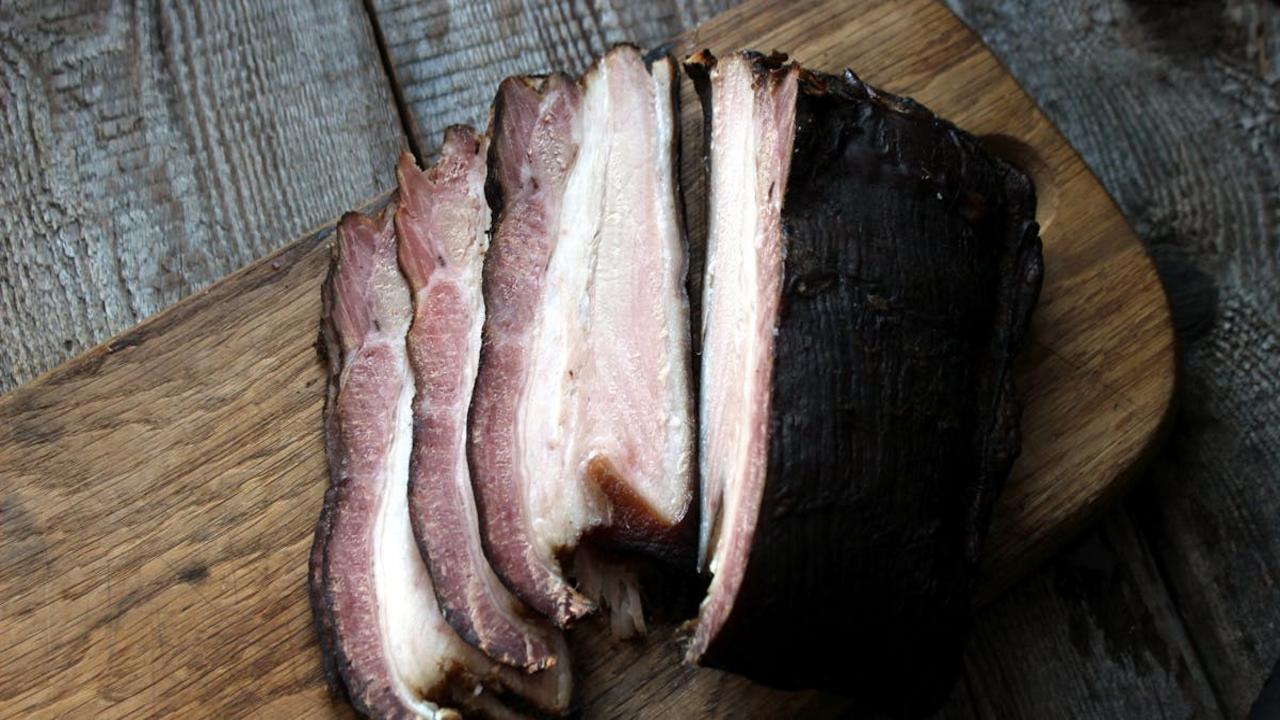
When you’re checking if your food has gone past its prime, one of the most reliable indicators is the presence of slime on the surface. Fresh produce, dairy products, and proteins should feel firm and dry to the touch, not slippery or sticky. That telltale slimy coating develops when bacteria start breaking down the cellular structure of your food, creating a biofilm that’s both unappetizing and potentially harmful. You’ll notice this particularly on leafy greens, mushrooms, lunch meats, and cheese that have been sitting in your fridge too long.
Trust your fingers when doing this simple test – fresh foods maintain their natural texture and won’t leave any residue on your hands. If you pick up a piece of lettuce or touch a block of cheese and your fingers come away feeling slippery, that’s your cue to toss it, regardless of what the date says on the package. This method works especially well for foods stored in humid environments like your crisper drawer. Remember, bacteria thrive in moisture, so any food developing that characteristic slimy feel has likely become a breeding ground for microorganisms you definitely don’t want in your body.
No gas buildup in containers
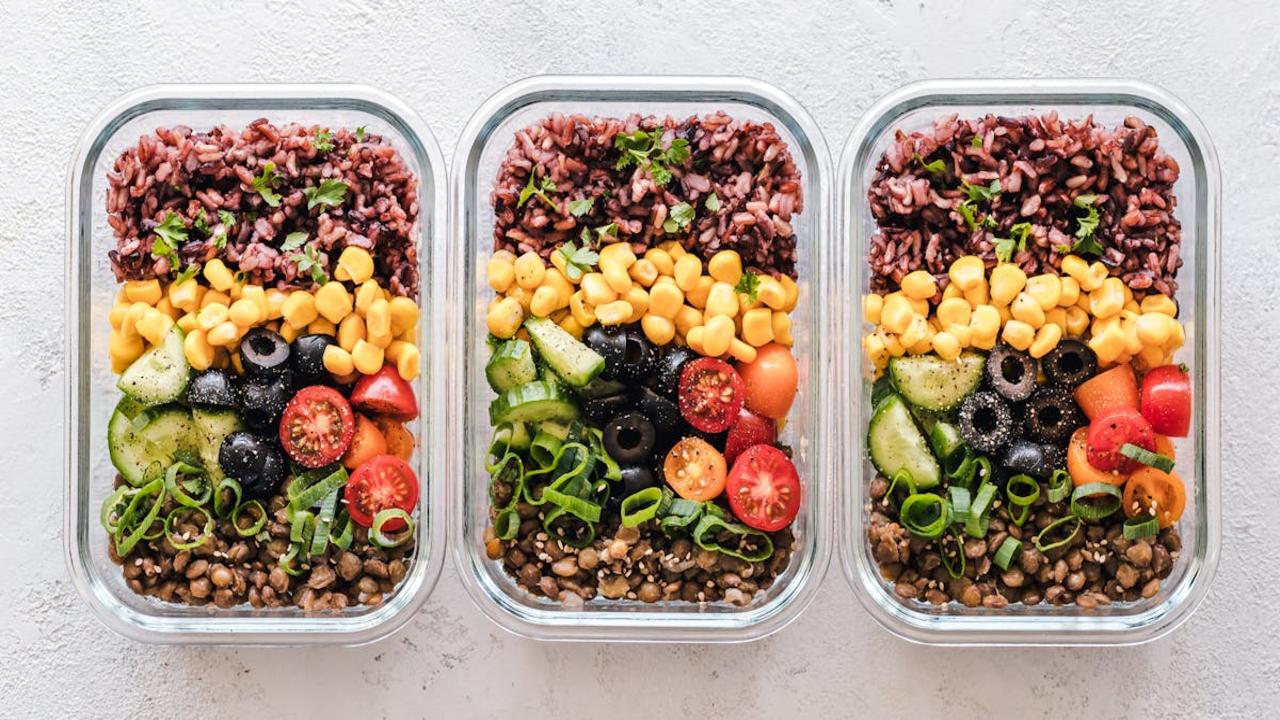
When you’re checking if your packaged foods are still safe to eat, one of the most reliable indicators is looking for gas buildup in containers. You know that telltale puffed-up appearance that makes yogurt cups, milk cartons, or sealed bags look like they’re ready to burst? That’s bacteria working overtime, producing gases that signal spoilage. Fresh, good-quality food sits comfortably in its packaging without creating pressure or making containers expand beyond their normal shape.
Trust your eyes on this one – any container that looks swollen, bloated, or unusually tight means the food inside has likely gone bad, regardless of what the date stamp says. This happens because harmful bacteria release carbon dioxide and other gases as they multiply and break down your food. If you notice this gas buildup, don’t take any chances by opening the container or trying to salvage the contents. Your nose and stomach will thank you for tossing it straight into the trash instead of risking food poisoning from contaminated products.
Taste remains normal
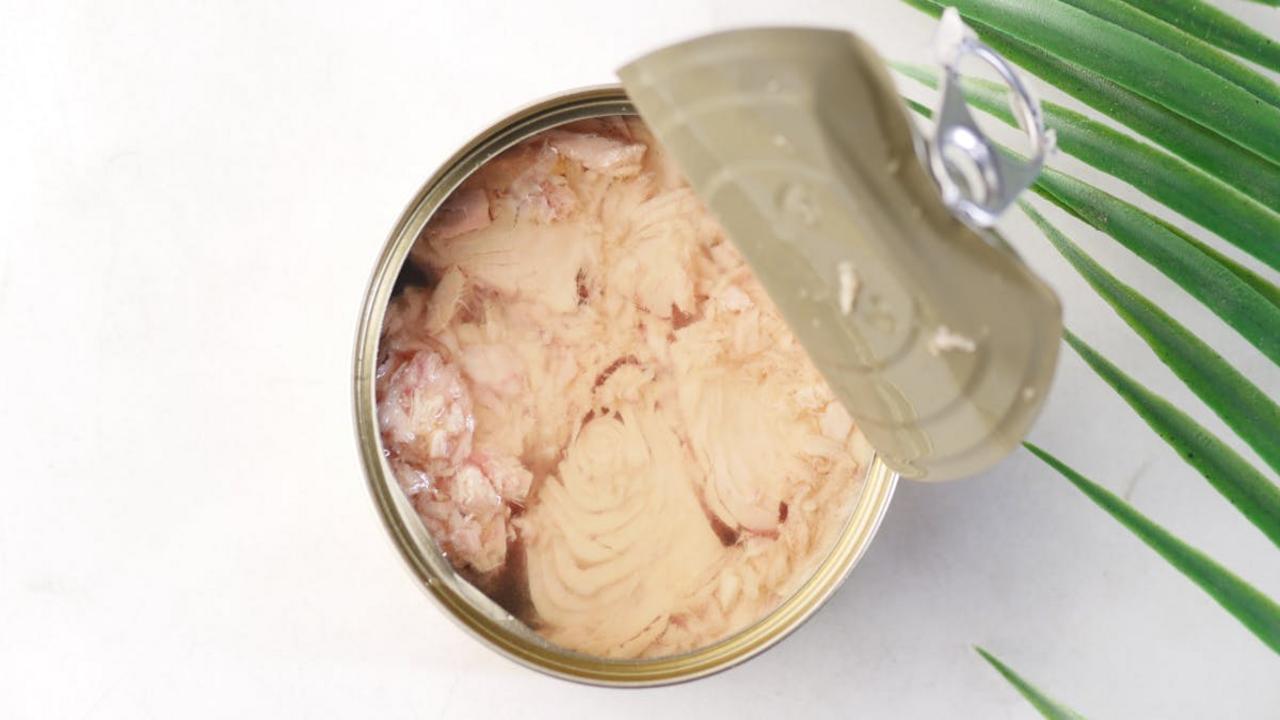
Your taste buds are honestly one of the most reliable food safety detectors you have right in your kitchen! When you take that first cautious bite of something past its best-by date, pay close attention to how it tastes. Fresh, quality food should taste exactly like you expect it to – no off flavors, no weird aftertastes, and definitely no bitter or sour notes that weren’t there before. If your yogurt still tastes creamy and tangy in that familiar way, or your crackers maintain their normal salty crunch, you’re probably dealing with perfectly good food that just happens to be past an arbitrary date on the package.
Trust your palate when making these decisions, but remember to start with just a small taste first. I always tell people to take the tiniest nibble possible – you want enough to detect any problems without overwhelming your system if something’s actually gone bad. Normal taste means the food’s cellular structure and chemical composition remain stable, which typically indicates safety for consumption. However, combine this taste test with your other senses too. Look for visual changes, smell for any off odors, and check the texture before you commit to eating the whole portion. Your mouth knows what good food should taste like, so listen to what it’s telling you!
Temperature control maintained
You know that sinking feeling when you open your fridge and wonder if your leftovers are still safe? Here’s your secret weapon: proper temperature control makes all the difference in keeping food fresh beyond those printed dates. Your refrigerator should stay at 40°F or below, while your freezer needs to maintain 0°F. When food stays consistently cold, harmful bacteria can’t multiply rapidly, which means your ingredients often remain perfectly good days or even weeks past their best-by dates. I always keep a simple thermometer in both compartments because built-in temperature displays aren’t always accurate.
Think about it this way – that yogurt sitting in your fridge door (the warmest spot!) won’t last as long as the one tucked safely on a middle shelf where temperatures stay steady. Room temperature exposure is where things get tricky fast. If your food has been sitting out for more than two hours – or just one hour when it’s over 90°F outside – bacteria start having a field day. But when you maintain proper cold storage, you’re giving yourself extra time to enjoy perfectly safe food. Trust your thermometer, keep things cold, and you’ll be amazed how much longer your groceries stay fresh and delicious!
No separation or curdling
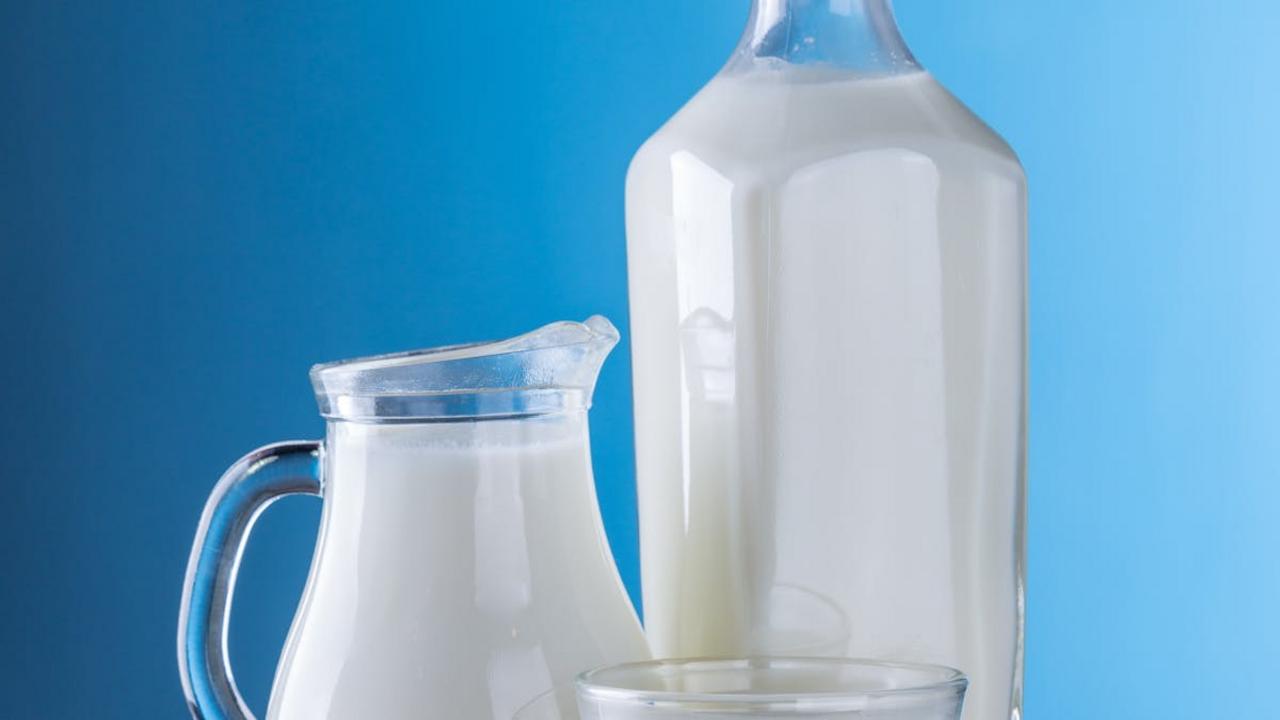
When you’re checking dairy products like milk, yogurt, or cream, your eyes become your best friend in determining freshness. Fresh dairy maintains a smooth, uniform consistency that looks just right. If you notice any chunky bits floating around, weird clumps forming at the bottom, or that telltale watery separation happening on top, your dairy has crossed over to the “not so good” side. I always give my milk carton a gentle shake before pouring – if it sounds lumpy or thick instead of flowing smoothly, that’s nature’s way of telling you it’s time to toss it out.
The same rule applies to other creamy favorites in your fridge. Sour cream should stay creamy and smooth, not develop weird pockets of liquid or cottage cheese-like lumps. Heavy cream might develop a slightly thicker texture over time, but it shouldn’t separate into distinct layers or form actual curdles. Even opened containers of non-dairy alternatives like almond or oat milk can show separation, though some natural settling is normal and just needs a good stir. Trust your instincts here – if something looks off or has changed dramatically from its original smooth texture, your taste buds will definitely notice, and not in a good way!
Color stays consistent
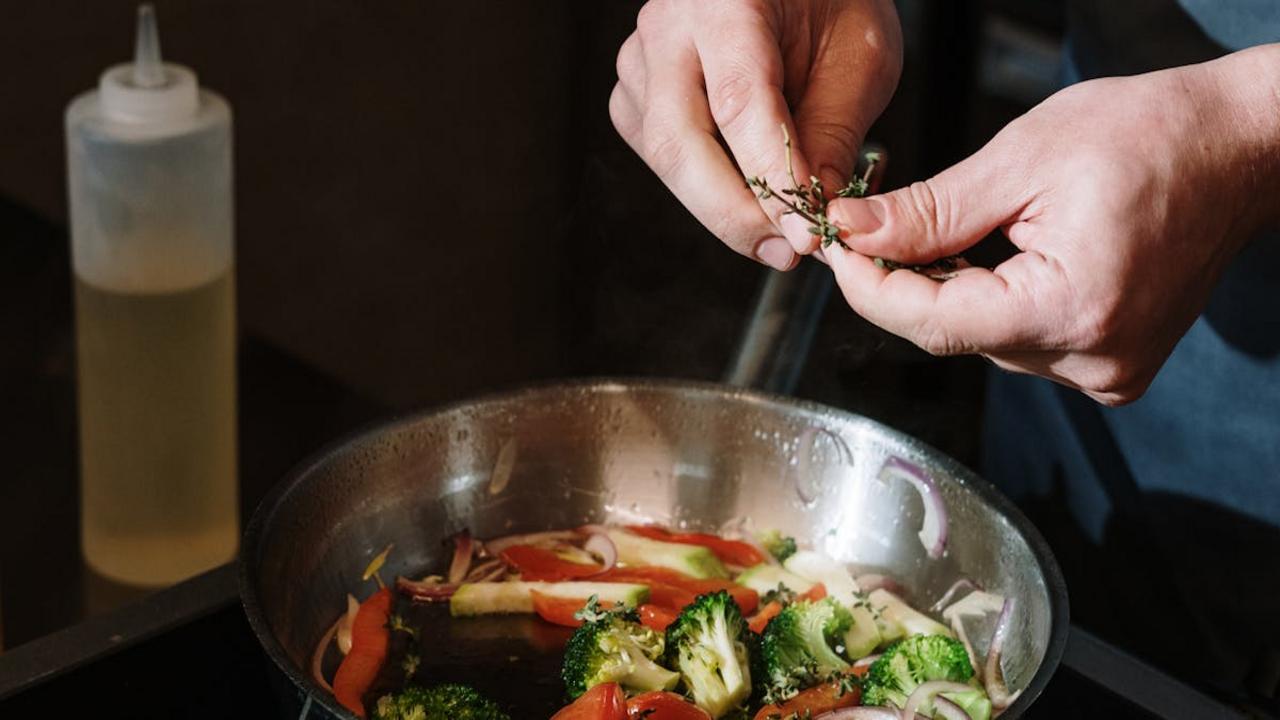
One of the most reliable ways to check if your food is still good after the best-by date is to look for any changes in color. Fresh foods maintain their natural hues, and when you notice dramatic shifts in appearance, that’s your cue to proceed with caution. For example, fresh meat should keep its rich red or pink color, while dairy products like milk and yogurt should remain their characteristic white or cream shade. Vegetables should look vibrant and true to their natural colors – bright green lettuce, orange carrots, and deep red tomatoes all signal freshness.
Trust your eyes when evaluating food safety! If you spot unusual discoloration like gray patches on meat, green tinges on dairy, or brown spots spreading across fruits and vegetables, these changes often indicate bacterial growth or spoilage. However, don’t panic over minor color variations that occur naturally – bananas developing brown spots or avocados darkening slightly can still be perfectly safe to eat. The key is recognizing when color changes signal genuine deterioration versus normal ripening processes. Your visual inspection combined with smell and texture checks will give you confidence in determining whether that food deserves a spot in your next meal.
Packaging remains intact
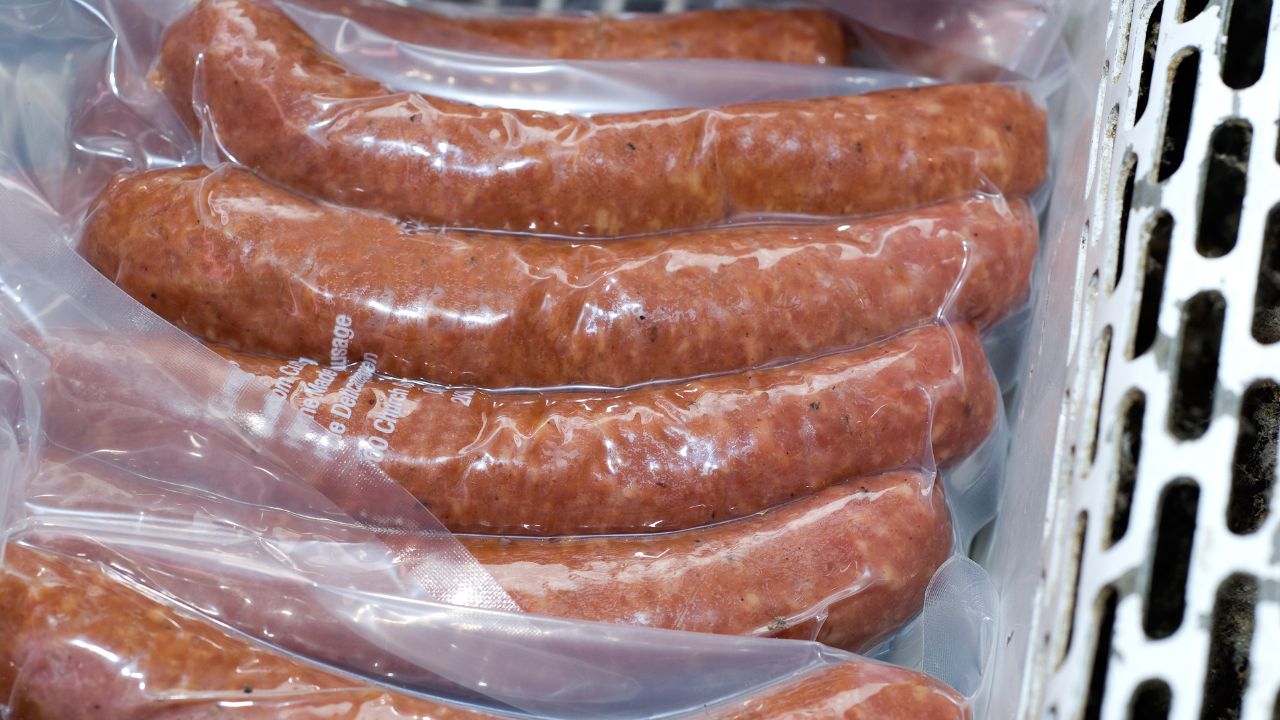
Your food’s packaging serves as its first line of defense against bacteria, moisture, and contamination. When you’re checking items past their best-by dates, start by examining the container carefully. Look for any cracks, dents, bulges, or tears that might have compromised the seal. Canned goods with dented edges or swollen tops should go straight to the trash, while plastic containers with hairline cracks can allow harmful microorganisms to sneak inside. Trust me, your eyes are powerful tools for food safety!
Pay special attention to vacuum-sealed packages and products with protective films. If that satisfying “pop” sound is missing when you open a jar, or if plastic wrap appears loose around cheese or deli meats, bacteria may have already started their unwelcome party. Frozen foods with ice crystals coating the package often indicate temperature fluctuations that break down quality. I always remind my friends that intact packaging doesn’t guarantee freshness forever, but damaged containers are red flags you shouldn’t ignore. Your health is worth more than saving a few dollars on questionable food!
Proper storage conditions followed
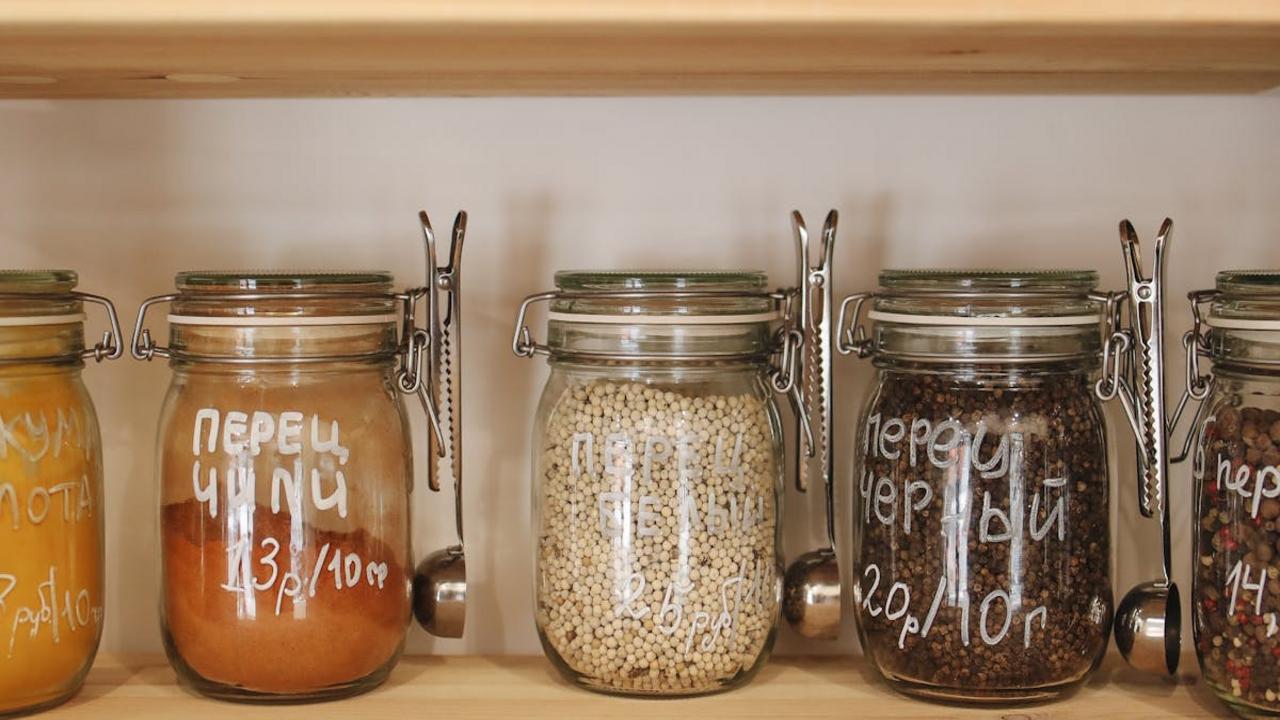
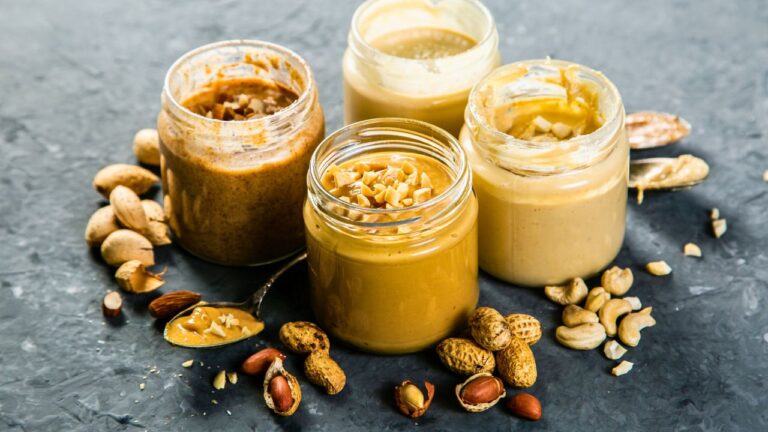
You know what makes all the difference between food that’s still perfectly good and food that’s heading downhill fast? How you’ve been storing it! If you’ve kept your items in the right conditions – cool, dry places for pantry goods, proper refrigerator temperatures for dairy and leftovers, and freezer-safe containers for longer-term storage – you’re already winning the freshness game. Think about it: that jar of peanut butter tucked away in your pantry cabinet versus one that’s been sitting on your sunny windowsill. The cabinet-stored jar will stay creamy and delicious way longer than its sun-baked cousin.
When you follow proper storage guidelines, your food often stays fresh and safe well beyond those printed dates on the package. I always check my storage game first – did I keep those eggs in the main body of the fridge instead of the door? Did I store my potatoes in a dark, cool spot away from onions? These simple storage wins mean you can trust your other freshness tests more confidently. Your nose, eyes, and taste buds become reliable judges when you know you’ve given your food the best possible environment to stay fresh and nutritious.
No visible mold growth
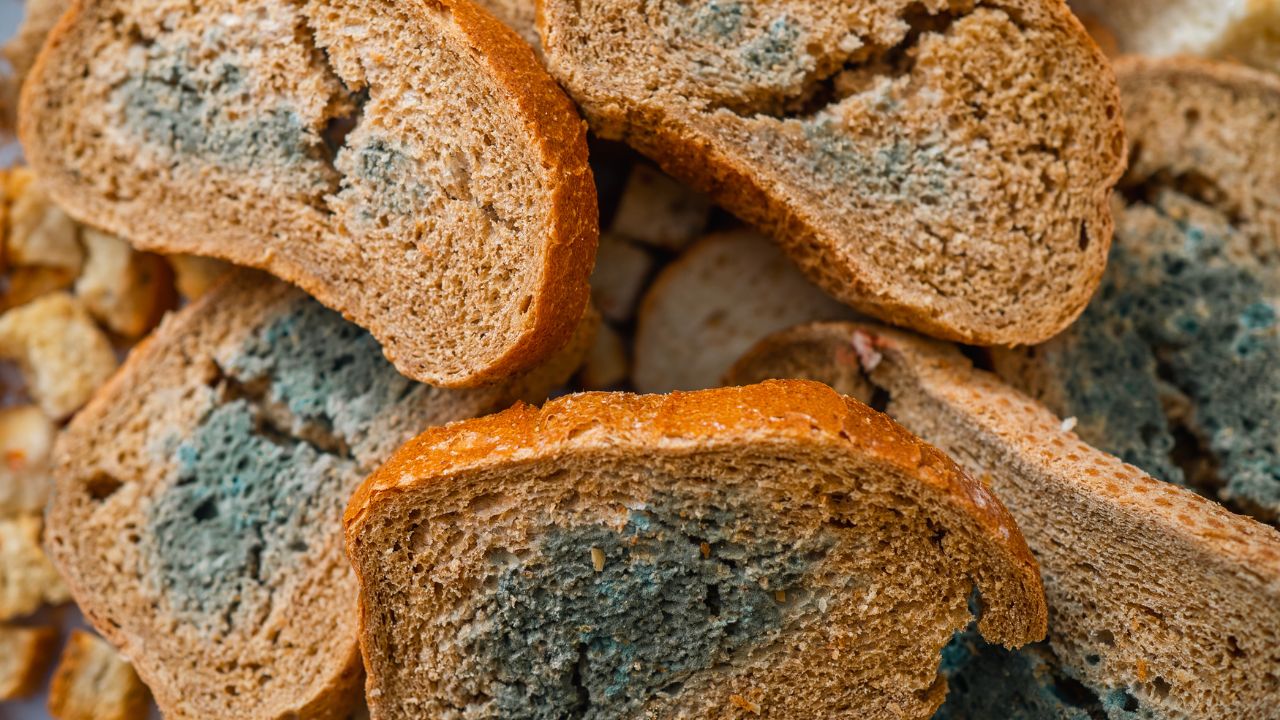
When you’re checking if your food has outlasted its best-by date, the first thing I want you to do is give it a thorough visual inspection for any fuzzy, discolored patches that spell trouble. Mold can appear in various colors – from the classic green and blue spots on bread to white, gray, or even black growth on fruits and vegetables. Don’t just check the surface either! Flip that bread slice over, examine the underside of your cheese, and peek into all the nooks and crannies where moisture might have created the perfect breeding ground for unwanted visitors.
Here’s what I’ve learned from years of rescuing perfectly good food from the trash: if there’s absolutely no sign of fuzzy growth anywhere on your item, you’re likely looking at something that’s still safe to eat. However, remember that some molds can be nearly invisible in their early stages, so combine this check with your other senses. I always tell my friends that clear, mold-free surfaces are your green light to move forward with the sniff test and other safety checks. Trust your eyes first – they’re often your most reliable tool for spotting spoilage before it becomes a real problem.
Original texture maintained
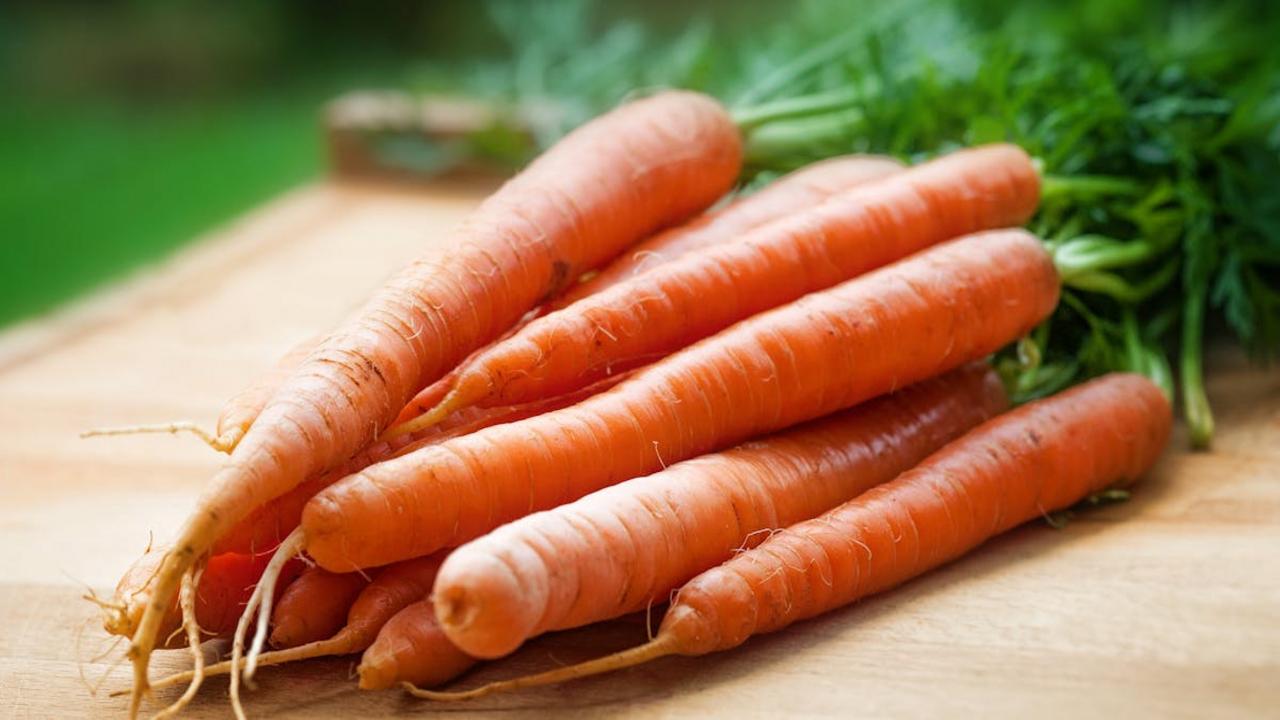
When you’re checking if food has passed its prime, texture tells you everything you need to know! Fresh foods have that perfect consistency we all recognize – crispy vegetables snap when you bite them, bread feels soft and springy to the touch, and pasta maintains its firm bounce. If your carrots still crack with that satisfying crunch or your apples feel firm under gentle pressure, you’ve got yourself perfectly good produce that’s ready to shine in your next meal.
Trust your hands and mouth to guide you through this simple test. Mushy spots on fruits, slimy surfaces on vegetables, or bread that feels dense and hard are clear signals that freshness has faded. But don’t panic if you find one soft spot on an otherwise perfect piece of produce – simply cut away that section and enjoy the rest! Your favorite pasta should still have that pleasant chewiness, and your crackers should maintain their satisfying crunch. When foods keep their original texture intact, they’re telling you they’re still packed with flavor and ready to become part of your next delicious creation.
No unusual odors
Your nose knows best when it comes to determining food safety! Fresh, good-quality food should smell pleasant or neutral – never off-putting or strange. When you open that container of leftovers or unwrap that piece of cheese, take a moment to give it a good sniff. Trust your instincts here because our sense of smell evolved specifically to protect us from consuming spoiled food. If something smells sour when it shouldn’t, musty, rancid, or just plain wrong, your body is sending you a clear warning signal.
Different foods have their own telltale signs of spoilage through smell. Dairy products develop a sharp, tangy odor when they’ve gone bad, while meat and poultry give off an unmistakable putrid smell. Grains and nuts become musty or bitter-smelling when rancid, and fruits often smell overly sweet or fermented past their prime. Remember, you don’t need to take a deep whiff – a gentle sniff from a safe distance will tell you everything you need to know. If you detect any unpleasant or unusual odors, don’t second-guess yourself. Your safety matters more than avoiding food waste, and there are always fresh ingredients waiting to become your next delicious meal!
Visual appearance remains unchanged
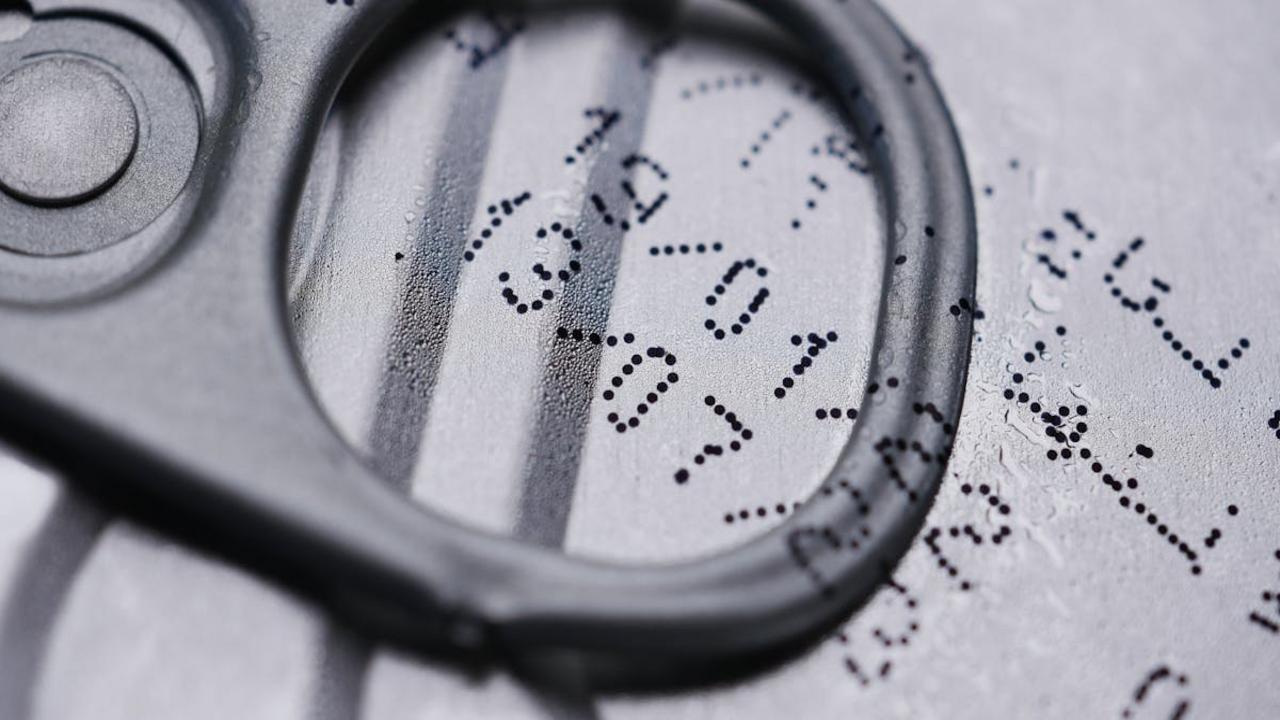
Your eyes are your best friend when checking if food has gone bad! Take a good, close look at your food items – fresh produce should maintain its natural color and texture, while packaged goods shouldn’t show any unusual discoloration, mold spots, or strange growths. I always tell my friends that if something looks exactly the same as when you bought it, you’re probably in the clear. Trust your instincts here – if broccoli still looks bright green, carrots maintain their vibrant orange hue, and your yogurt appears creamy white without any fuzzy patches, these are all positive signs that your food is still safe to eat.
Pay special attention to any changes in surface texture or unexpected moisture buildup, as these can be early warning signs of spoilage. Fresh fruits and vegetables should feel firm and look plump, while dry goods like crackers or cereal should appear crisp and uniform in color. I’ve learned over the years that slight variations in shade are normal – apples might develop small brown spots or bananas may show some spotting, but this doesn’t necessarily mean they’re bad. However, if you notice any dramatic color changes, slimy surfaces, or visible mold growth, it’s better to play it safe and discard the item rather than risk your health.