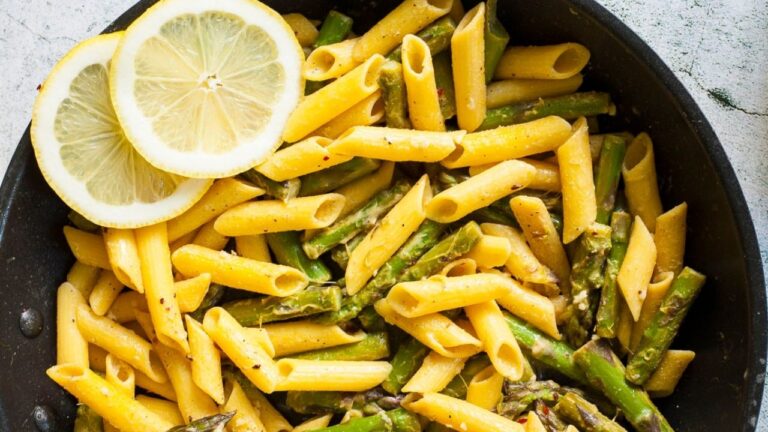
13 Nutrients to Put on Your Plate and the Tastiest Ways to Get Them
Your body craves specific nutrients to function at its best, and the good news is that getting them doesn’t require bland supplements or boring meals. Instead, you can fill your plate with vibrant, delicious foods that naturally pack these powerhouse nutrients. From omega-3 rich salmon to magnesium-loaded spinach, nature provides everything you need in the most flavorful packages.
Think of nutrient-dense eating as your ticket to both better health and more exciting meals. Each bite becomes an opportunity to nourish yourself while enjoying incredible flavors and textures. Whether you’re sautéing Brussels sprouts for folate or brewing black tea for L-theanine, you’re creating meals that satisfy both your nutritional needs and your taste preferences.
Ready to transform how you think about healthy eating? These thirteen nutrients and their tastiest sources will show you that nutrition and flavor go hand in hand, making every meal a chance to fuel your body with exactly what it needs.
Choline Cauliflower
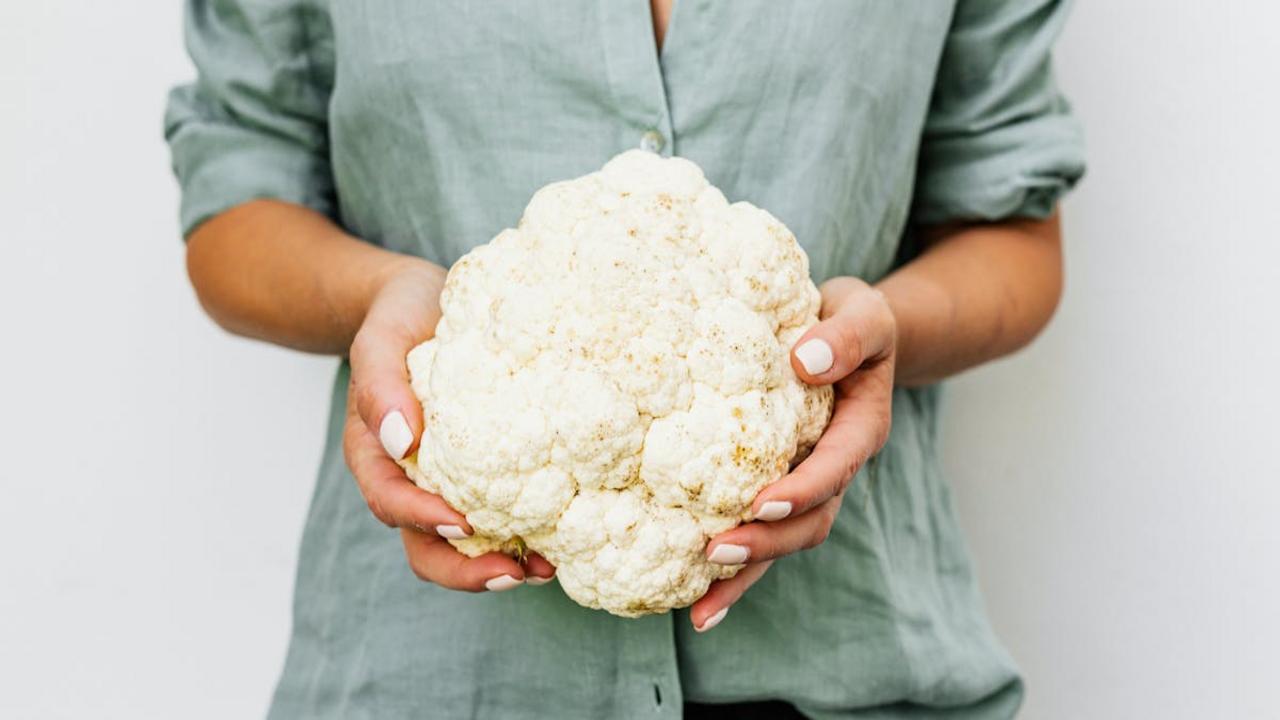
Cauliflower deserves serious recognition for its impressive choline content! This brain-boosting nutrient supports memory, cognitive function, and even helps your liver process fats efficiently. One cup of cauliflower delivers about 45 milligrams of choline, making it a fantastic plant-based source for this often-overlooked nutrient. You’ll find choline particularly important during pregnancy and breastfeeding, as it supports your baby’s brain development.
Transform your cauliflower into something spectacular by roasting it with garlic and herbs until golden brown, or try cauliflower rice as a low-carb base for stir-fries and grain bowls. I love making cauliflower steaks seasoned with turmeric and paprika – they’re hearty enough to satisfy any appetite. For a comforting option, blend steamed cauliflower into creamy soups or mash it with butter and chives as a lighter alternative to potatoes. The mild, slightly sweet flavor of cauliflower makes it incredibly versatile, absorbing whatever seasonings you pair with it while delivering that valuable choline your brain craves.
Tryptophan Oats
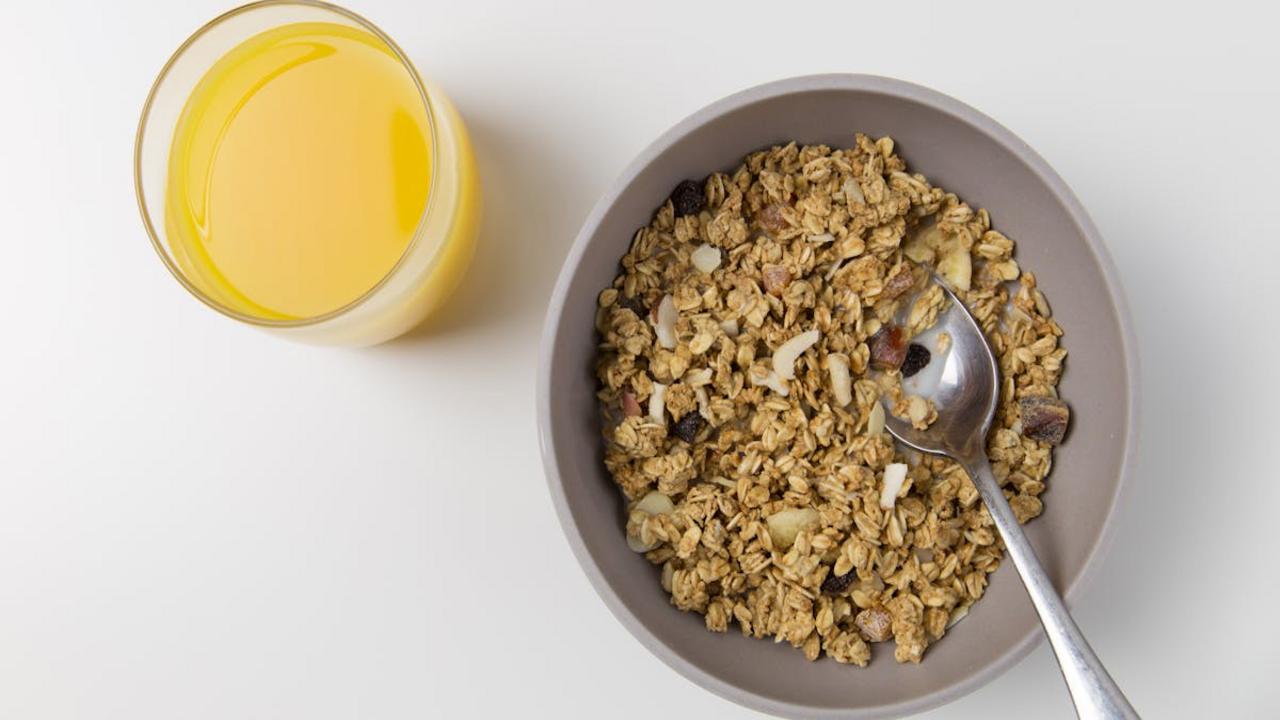
Your morning bowl of oats delivers more than just satisfying warmth—it’s packed with tryptophan, an amino acid that helps your body produce serotonin, the “feel-good” hormone that supports both mood balance and restful sleep. This powerful nutrient works behind the scenes to keep your mental wellness on track while providing sustained energy throughout your day. Steel-cut oats contain the highest concentration of tryptophan, but rolled oats work beautifully too, making this an accessible choice for any breakfast routine.
Transform your basic oatmeal into a tryptophan powerhouse by stirring in chopped walnuts, pumpkin seeds, and a drizzle of honey—all foods that naturally boost tryptophan absorption. Try cooking your oats in warm milk (dairy or fortified plant-based) for an extra dose of this calming amino acid. For a savory twist that maximizes benefits, top your oats with a soft-boiled egg and everything bagel seasoning. The combination creates a perfectly balanced meal that nourishes both your body and mind, proving that healthy eating doesn’t require complicated recipes or expensive ingredients.
L Theanine Black tea

Black tea brings you more than just a comforting morning ritual – it’s packed with L-theanine, an amino acid that works magic on your stress levels while keeping your mind sharp and focused. This incredible compound teams up beautifully with caffeine to give you sustained energy without the jitters you might get from coffee. You’ll find yourself feeling calm yet alert, making black tea the perfect companion for busy afternoons or those moments when you need to concentrate deeply on a project.
Brewing the perfect cup becomes your daily meditation when you steep loose-leaf Earl Grey for exactly four minutes, letting those bergamot oils dance with the L-theanine for maximum relaxation benefits. Try making a chai-spiced black tea latte with oat milk and a touch of honey – the warm spices complement the tea’s natural calming properties while creating a drink that feels like a warm hug in a mug. For something refreshing, cold-brew your black tea overnight and serve it over ice with fresh mint and a squeeze of lemon. This method actually preserves more L-theanine than hot brewing, giving you extra stress-busting power in every sip.
Probiotics Sauerkraut

Your gut will thank you for adding sauerkraut to your weekly meal rotation! This tangy, fermented cabbage powerhouse delivers billions of beneficial bacteria that support digestive health and boost your immune system. The probiotics in sauerkraut help maintain a healthy balance of gut flora, which can improve nutrient absorption and even influence your mood. Plus, the fermentation process creates additional vitamins like B12 and K2 that weren’t present in the original cabbage.
Don’t limit yourself to just topping hot dogs with this probiotic superstar! Try mixing sauerkraut into your morning scrambled eggs for a zingy twist, or toss it with roasted vegetables and quinoa for a satisfying lunch bowl. I love adding it to grilled cheese sandwiches or mixing it into potato salad for extra crunch and tang. For maximum probiotic benefits, choose unpasteurized varieties from the refrigerated section rather than shelf-stable versions. Start with small portions if you’re new to fermented foods – your digestive system will gradually adapt to these beneficial bacteria.
Vitamin B6 Bananas
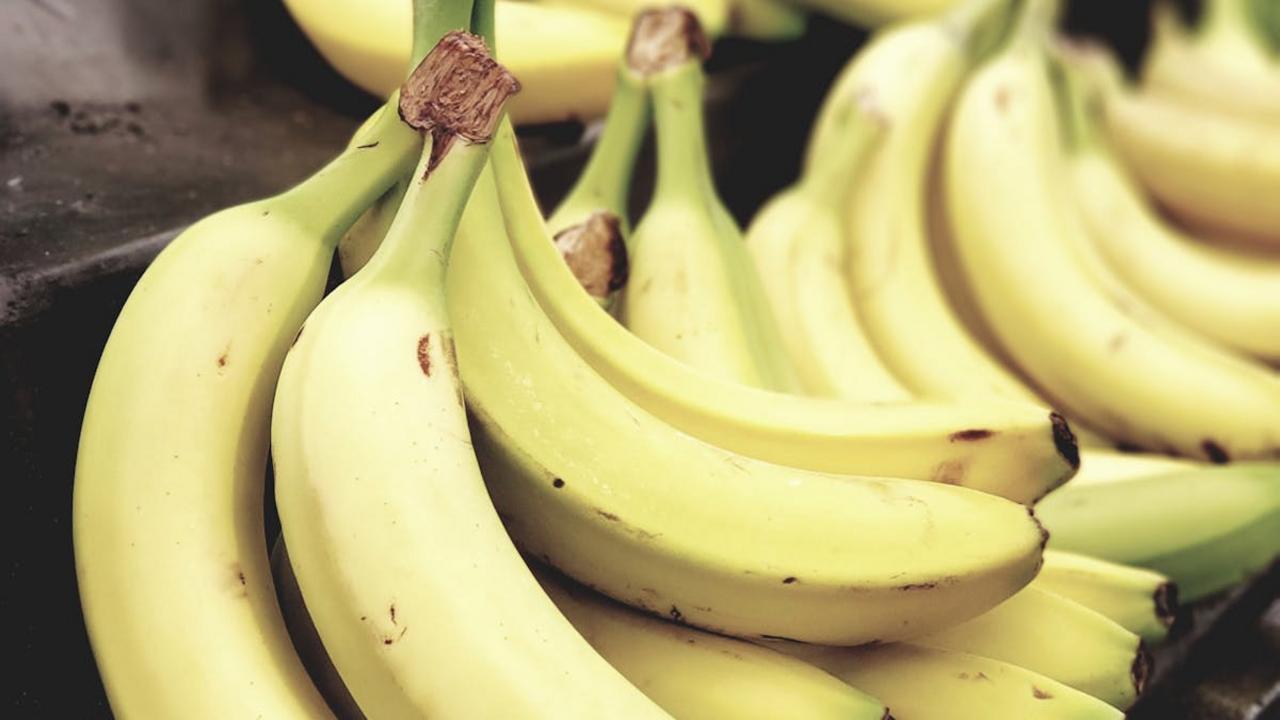
You know that moment when you grab a banana for a quick snack? You’re actually giving your body a fantastic dose of vitamin B6! This sunny yellow fruit packs about 0.4 milligrams of this important nutrient per medium banana, which covers roughly 20% of your daily needs. Vitamin B6 works behind the scenes to support your brain function, help your body make neurotransmitters like serotonin, and keep your immune system running smoothly. Plus, bananas bring natural sweetness and creamy texture that makes them perfect for so many recipes.
I love how versatile bananas can be in the kitchen – they’re like nature’s candy that actually loves you back! Slice them over your morning oatmeal or yogurt for instant sweetness, blend them into smoothies for that creamy base we all crave, or freeze them and whip up some guilt-free “nice cream” on hot days. Overripe bananas become your best friend for baking – they’re perfect for moist banana bread, fluffy pancakes, or energy-packed muffins. You can even grill banana halves with a drizzle of honey for a simple yet impressive dessert that’ll make everyone think you’re a kitchen genius!
Folate Brussels sprouts
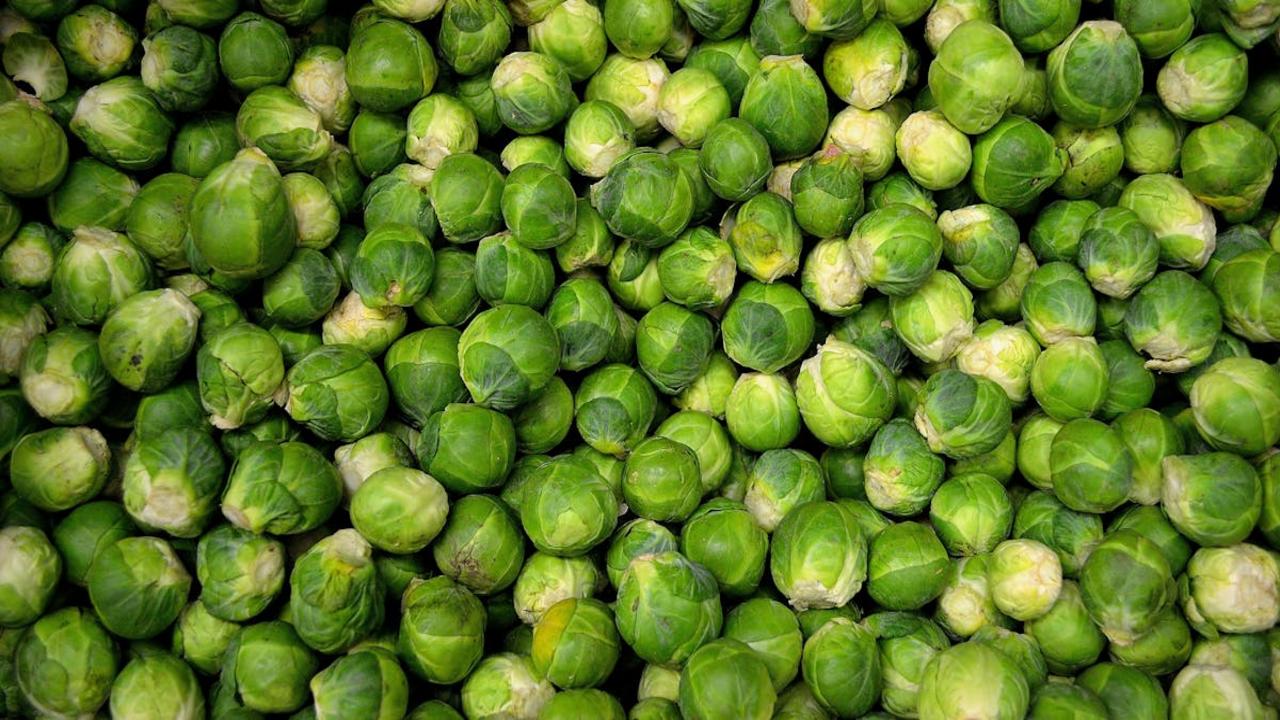
Brussels sprouts pack a serious folate punch that’ll make your body thank you! These little green powerhouses deliver about 25% of your daily folate needs in just one cup, making them perfect for supporting healthy cell division and DNA synthesis. I love how versatile they are – you can roast them with garlic and lemon for crispy edges, shred them raw into salads for a fresh crunch, or sauté them with bacon for that irresistible savory combo. The key is not overcooking them, which keeps their folate content intact and prevents that sulfurous smell that gives Brussels sprouts their bad reputation.
Try my favorite preparation: halve them, toss with olive oil and sea salt, then roast at 400°F until the outer leaves get golden and crispy while the centers stay tender. Add some dried cranberries and toasted nuts for extra flavor and texture. You can also slice them thin and massage with lemon juice and olive oil for a raw Brussels sprouts slaw that’s surprisingly addictive. These methods transform what many consider a dreaded vegetable into something you’ll actually crave, all while boosting your folate intake naturally.
Iron Black beans
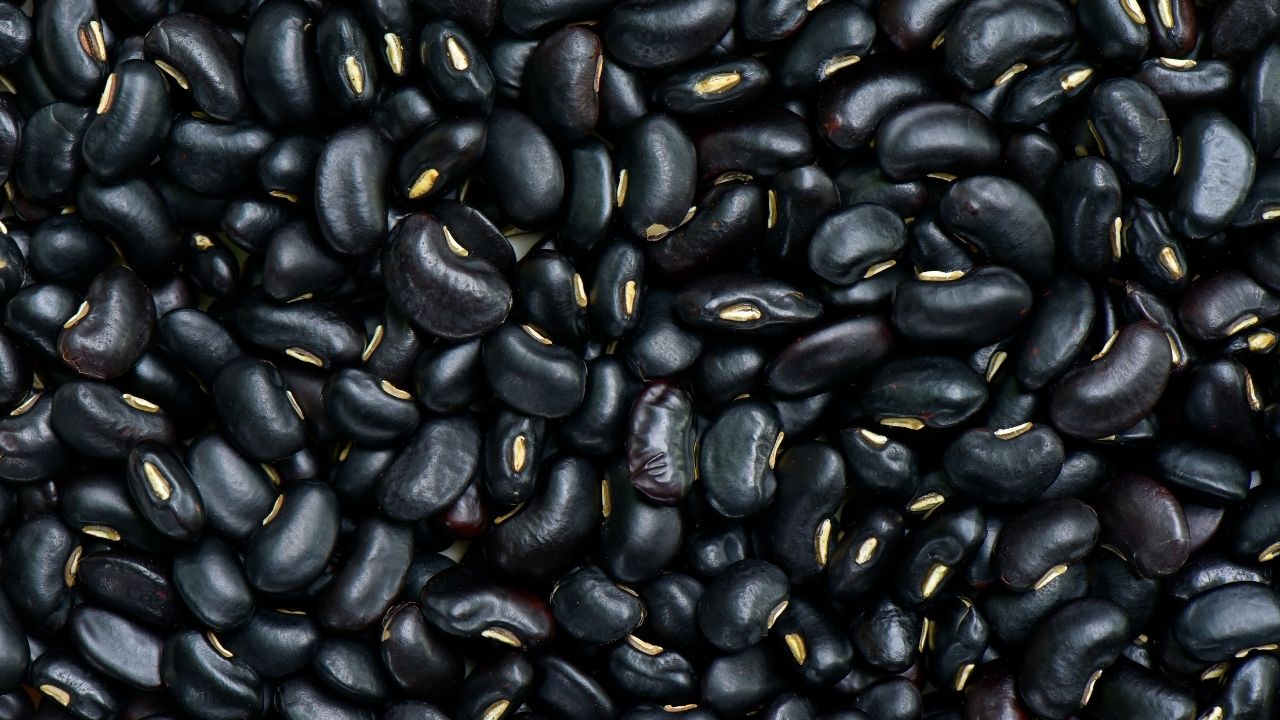
Black beans pack an incredible iron punch that your body absolutely craves! One cup of these protein-rich gems delivers about 3.6 milligrams of iron, which is roughly 20% of what you need daily. I love how versatile they are – you can toss them into salads, blend them into creamy soups, or mash them up for the most satisfying veggie burgers. The best part? Black beans contain non-heme iron, which your body absorbs even better when you pair them with vitamin C-rich foods like bell peppers, tomatoes, or a squeeze of fresh lime juice.
My go-to way to enjoy black beans is in a hearty breakfast bowl with scrambled eggs, diced avocado, and salsa – talk about starting your day right! You can also create amazing black bean quesadillas, add them to your favorite chili recipe, or blend them into chocolate brownies for a sneaky nutrition boost that kids will never detect. The fiber content in black beans helps your body absorb iron more efficiently while keeping you satisfied for hours. Trust me, once you start incorporating these nutritional powerhouses into your weekly meal rotation, you’ll wonder how you ever lived without them!
Selenium Sunflower seeds
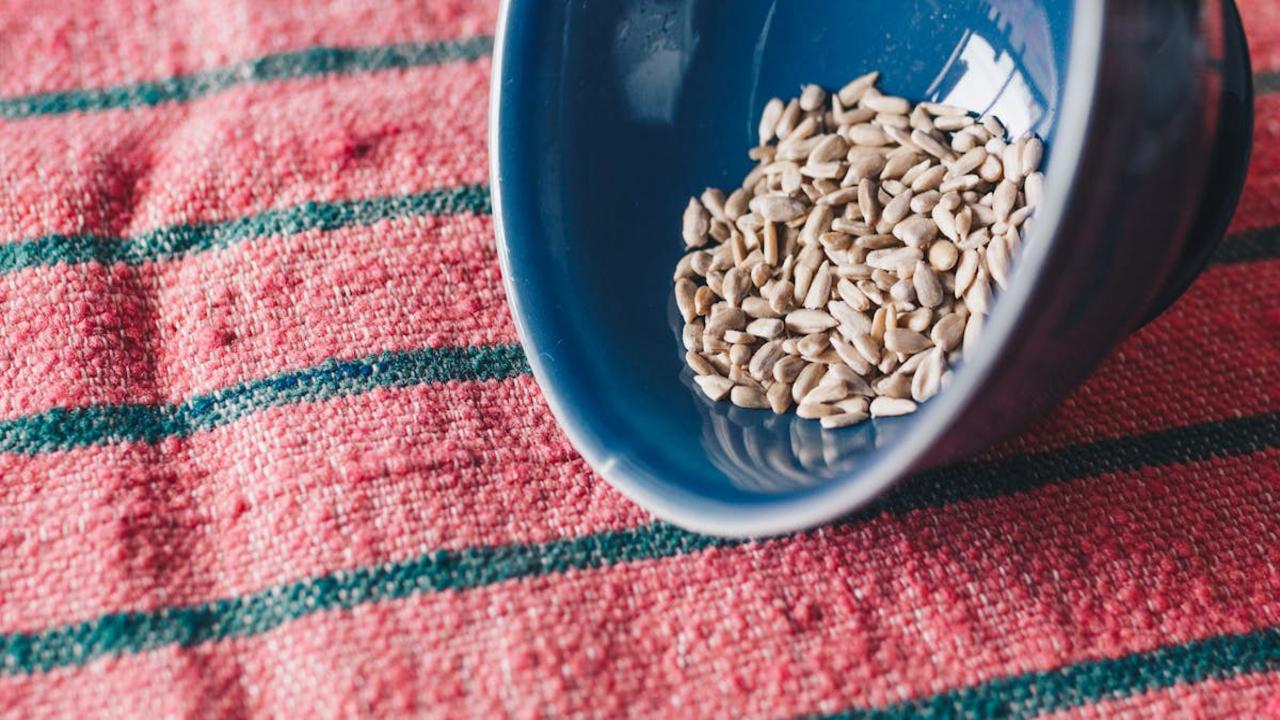
Sunflower seeds pack a serious selenium punch that your body absolutely craves! These tiny nutritional powerhouses deliver about 19 micrograms of selenium per ounce, which covers roughly a third of your daily needs. Selenium acts like your body’s personal bodyguard, protecting your cells from damage while keeping your thyroid happy and your immune system strong. What I love most about sunflower seeds is how they sneak this important mineral into your diet without any fuss – just pure, crunchy goodness that happens to be incredibly good for you.
Getting creative with sunflower seeds opens up a world of delicious possibilities that’ll make your meals more interesting and nutritious. Toss them into your morning yogurt or oatmeal for an instant crunch upgrade, or sprinkle them over salads to add texture and nutty flavor. I’m obsessed with making my own sunflower seed butter – it’s like peanut butter’s sophisticated cousin and perfect for spreading on toast or apple slices. You can also blend them into smoothies for extra protein and selenium, or mix them into homemade granola bars. Even roasting them with a pinch of sea salt and paprika creates an irresistible snack that beats store-bought options every time.
Zinc Lentils
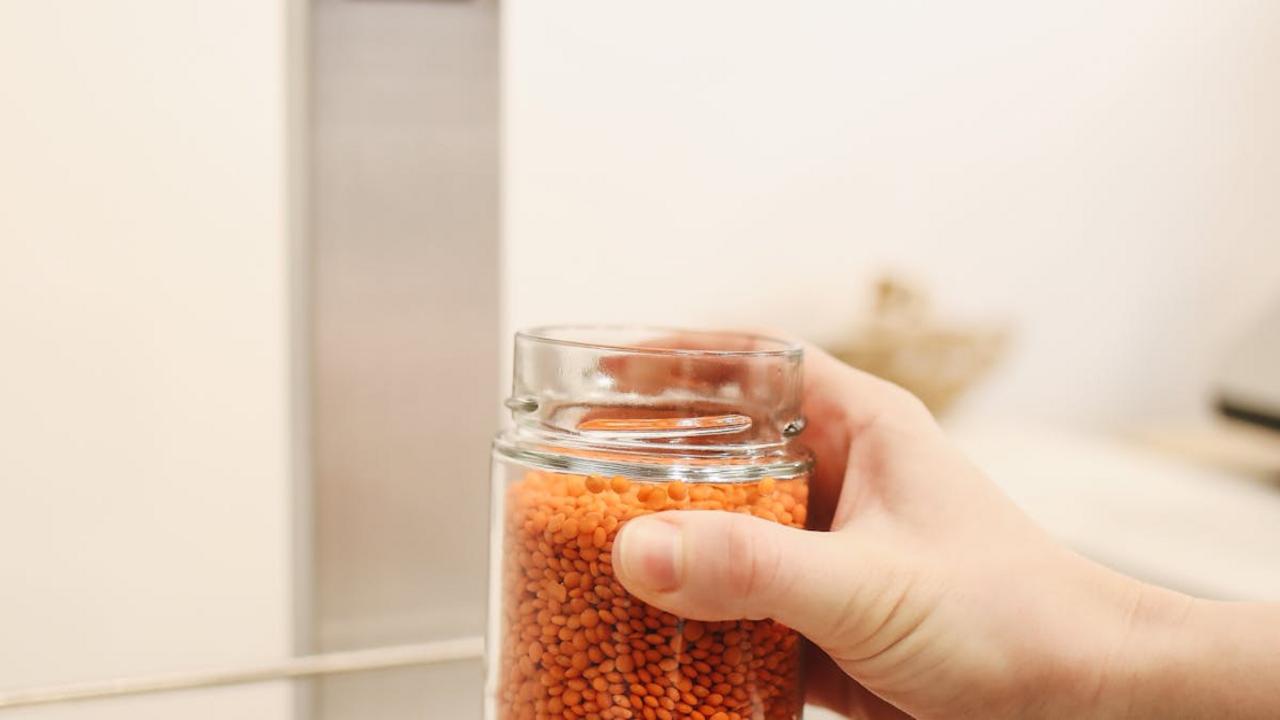
You know what makes me absolutely excited about lentils? They’re like little zinc powerhouses hiding in plain sight! These humble legumes pack about 2.5 milligrams of zinc per cooked cup, which is roughly 23% of your daily needs. Red lentils, green lentils, black beluga lentils – they all bring this immune-boosting mineral to your table while delivering protein, fiber, and folate too. I love how versatile they are, transforming from simple pantry staples into hearty soups, vibrant salads, or even burger patties that’ll make you forget all about meat.
My favorite way to get more zinc through lentils? Try making a warming Moroccan-spiced red lentil stew with cumin, cinnamon, and ginger. The earthy flavors pair beautifully with the creamy texture of cooked lentils. Or toss cooled green lentils with fresh herbs, diced vegetables, and a bright lemon vinaigrette for a protein-rich lunch salad. Don’t sleep on lentil dal either – that comforting Indian dish with turmeric and garlic will have you coming back for seconds while quietly boosting your zinc intake. The best part? Lentils cook faster than most beans, so you can have a zinc-rich meal ready in about 20 minutes.
Magnesium Spinach
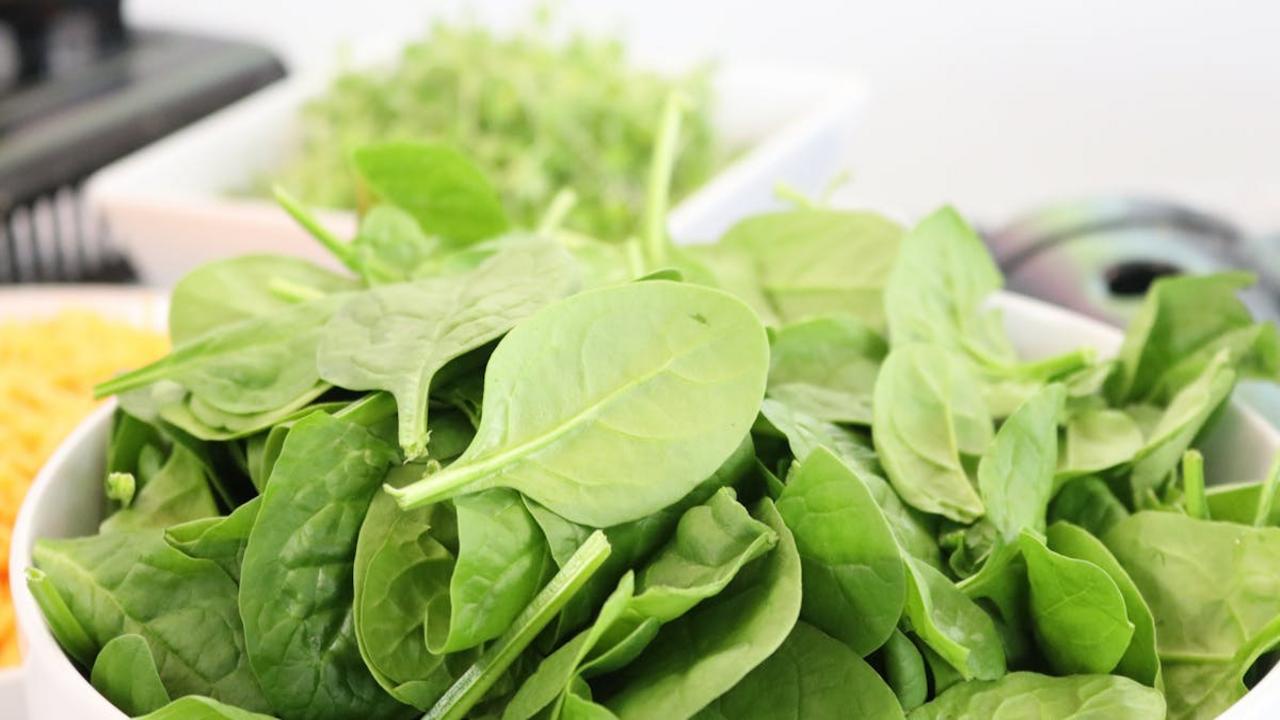
Magnesium plays a starring role in over 300 enzymatic reactions in your body, supporting everything from muscle function to energy production. Spinach stands out as one of the most reliable sources of this mighty mineral, packing about 157 milligrams per cooked cup. Your bones, heart, and nervous system will thank you for including this leafy green powerhouse in your weekly meal rotation. I love how spinach transforms from those hefty fresh leaves into a concentrated nutrient bomb once you cook it down.
The beauty of spinach lies in its incredible versatility – you can sneak it into almost anything! Toss fresh baby spinach into your morning smoothie with banana and almond butter for a creamy, magnesium-rich breakfast that tastes like a treat. For dinner, try my favorite technique: sauté garlic in olive oil, add a mountain of fresh spinach, and watch it wilt into the perfect side dish in just minutes. You can also fold cooked spinach into pasta dishes, layer it in lasagna, or blend it into creamy soups where picky eaters won’t even notice its presence.
B12 Shellfish

Your body craves vitamin B12 for healthy nerve function and red blood cell formation, and shellfish deliver this powerhouse nutrient in seriously impressive amounts. Just three ounces of clams pack a whopping 84 micrograms of B12 – that’s over 3,000% of your daily needs! Mussels, oysters, and crab follow close behind, making these ocean treasures some of the richest B12 sources on the planet. If you’re dealing with fatigue or brain fog, adding more shellfish to your weekly rotation could be exactly what your body needs to bounce back.
The beauty of cooking shellfish lies in their natural sweetness and how quickly they transform into restaurant-quality meals. I love steaming mussels with white wine, garlic, and fresh herbs – the whole dish comes together in under 15 minutes and feels incredibly fancy. Canned clams work beautifully too, especially tossed into pasta with olive oil and red pepper flakes for a weeknight dinner that tastes like pure comfort. Don’t sleep on crab cakes either – mix fresh crabmeat with minimal fillers, pan-fry until golden, and you’ve got a B12-rich meal that makes any Tuesday feel special.
Vitamin D Egg yolks
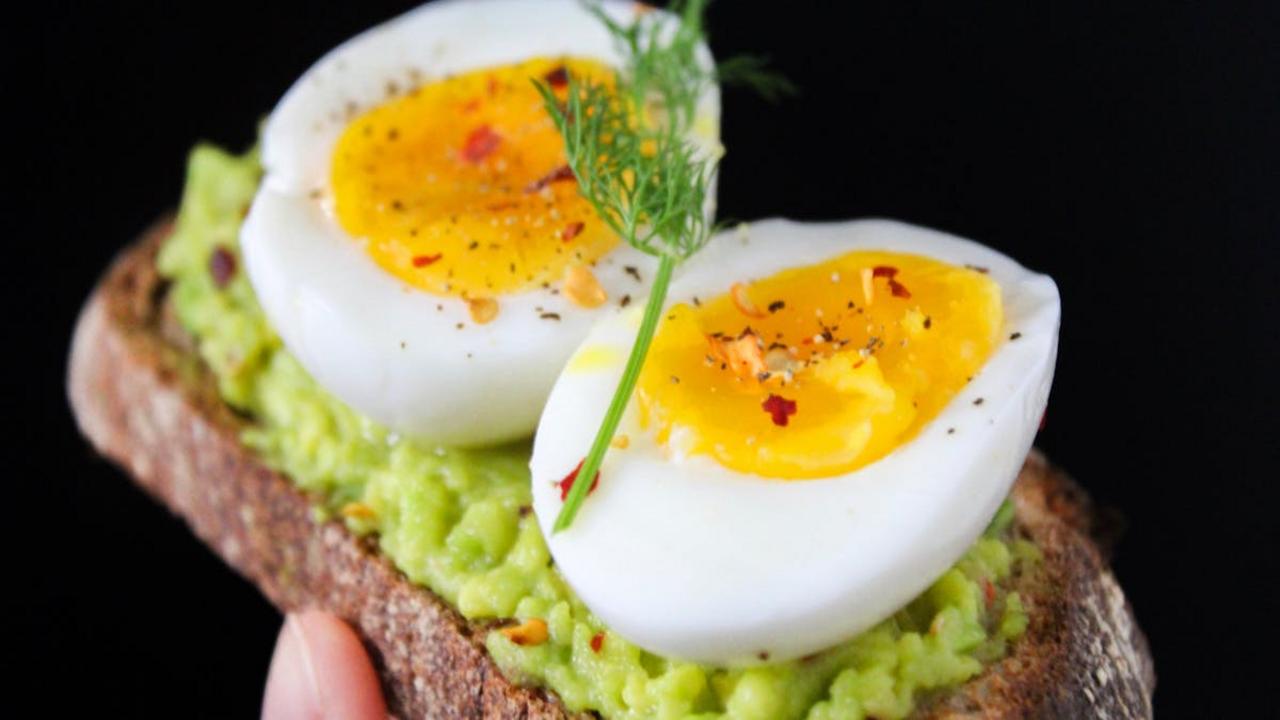
Those gorgeous golden egg yolks sitting in your refrigerator are like little sunshine capsules packed with vitamin D! While most people think of sunlight as the primary source of this bone-strengthening nutrient, egg yolks from pasture-raised hens contain impressive amounts that can help keep your calcium absorption on point and your immune system humming along beautifully. You’ll find that eggs from chickens who spend time outdoors contain significantly more vitamin D than their indoor counterparts – nature really knows what she’s doing!
I love starting my morning with a perfectly poached egg over avocado toast, watching that creamy yolk break and cascade down the sides. You can also whip up a batch of homemade mayo using just egg yolks and olive oil, or try your hand at rich custards and ice creams that showcase those sunny centers. Don’t toss those yolks when making egg white omelets – save them for tomorrow’s hollandaise sauce or fold them into your next batch of pasta dough for extra richness and nutrition. Your bones will thank you for every golden drop!
Omega 3 Fatty Acids Salmon

Salmon stands as one of nature’s most powerful sources of omega-3 fatty acids, those incredible healthy fats your brain and heart absolutely crave. These fatty acids work wonders for reducing inflammation, supporting cognitive function, and keeping your cardiovascular system running smoothly. Wild-caught salmon particularly shines with its rich concentration of EPA and DHA, the two most beneficial types of omega-3s. You’ll find that just two servings per week can significantly boost your omega-3 intake and contribute to better overall health.
Preparing salmon doesn’t have to be intimidating – it’s actually one of the most forgiving fish to cook! Try pan-searing it with a simple herb crust of dill and lemon zest, or bake it wrapped in parchment paper with vegetables for a complete meal. Grilling salmon gives it a beautiful smoky flavor that pairs wonderfully with a honey-mustard glaze. For busy weeknights, consider making salmon patties using canned wild salmon mixed with herbs and a touch of mayo. You can also add flaked cooked salmon to salads, pasta dishes, or morning scrambles for an easy protein boost that doubles as your omega-3 fix.