13 Surprising Foods That Taste Even Better With Time
Time transforms food in magical ways that most home cooks never fully appreciate. While we rush to consume everything fresh, certain ingredients actually improve through patient aging, fermentation, or careful storage. These foods develop deeper flavors, richer textures, and more complex profiles that simply can’t be rushed.
From my kitchen experiments, I’ve discovered that some of our most beloved pantry staples reach their peak potential only after weeks, months, or even years of waiting. The science behind this transformation involves enzymes breaking down proteins, beneficial bacteria creating new compounds, and natural aging processes that concentrate flavors.
Understanding which foods benefit from time helps you plan better meals and appreciate the beauty of slow food traditions. These thirteen ingredients prove that patience in cooking often rewards us with extraordinary results that fresh versions simply cannot match.
Fermented Black Garlic
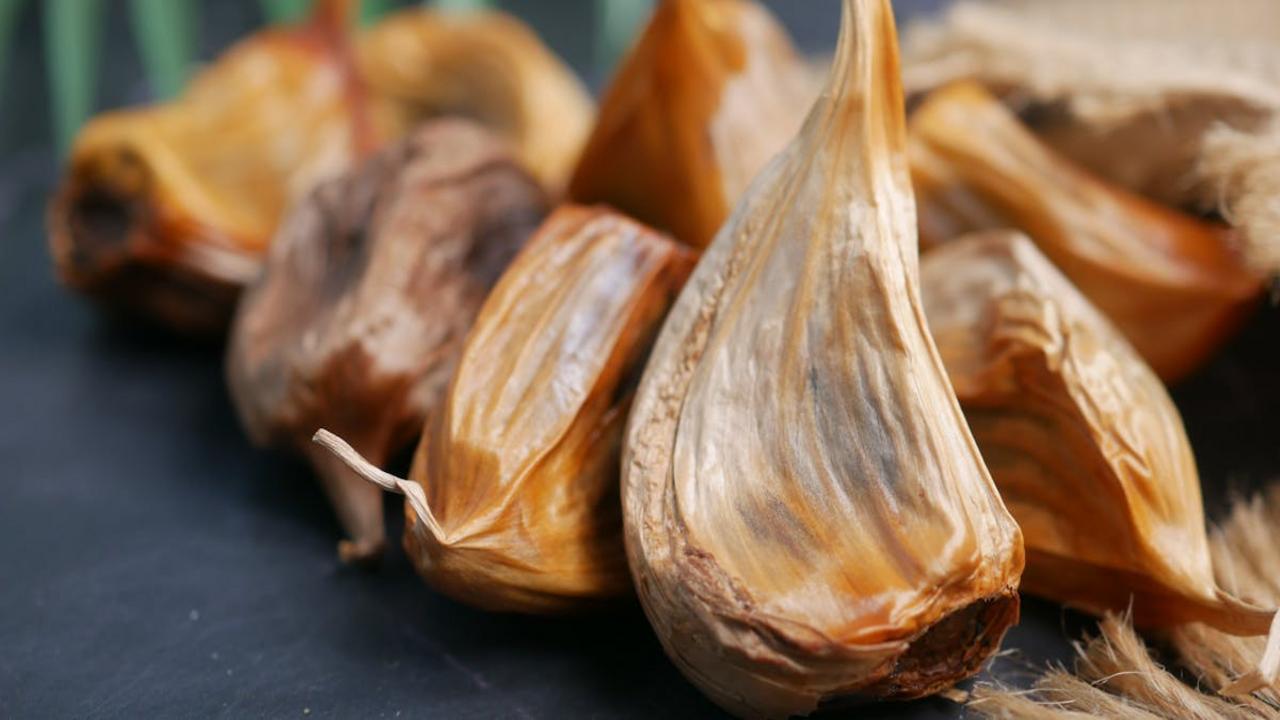
You know that moment when you discover an ingredient that completely transforms your cooking? That’s exactly what happened to me with fermented black garlic. This isn’t your regular garlic that’s gone bad—it’s whole bulbs slowly fermented at controlled heat and humidity for weeks until they turn deep black and develop the most incredible sweet, molasses-like flavor with hints of balsamic vinegar and tamarind. The sharp bite of fresh garlic disappears entirely, replaced by something rich, complex, and almost candy-like.
I love mashing fermented black garlic into compound butter for steaks, stirring it into creamy risottos, or even spreading it directly on crusty bread with a drizzle of good olive oil. The umami depth it brings to marinades for Korean-style short ribs or mixed into homemade aioli creates layers of flavor that regular garlic simply can’t match. What makes this ingredient so special is how time completely reimagines what garlic can be—turning something pungent and aggressive into something mellow, sweet, and sophisticated. Once you start cooking with fermented black garlic, you’ll find yourself reaching for it constantly because it adds instant complexity to everything from simple roasted vegetables to elaborate braises.
Sourdough Starter
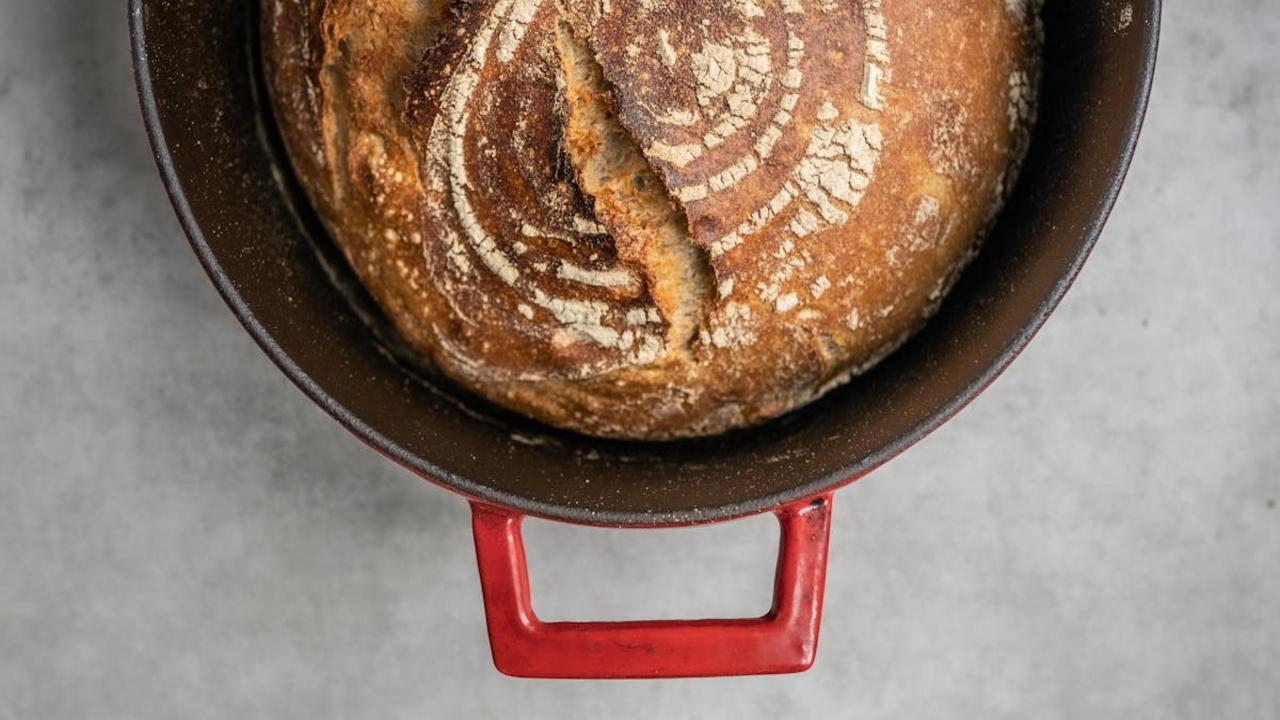
Your sourdough starter becomes a living testament to patience and transformation. I keep mine on the counter, feeding it daily with flour and water, watching as wild yeasts and bacteria create their own thriving ecosystem. What starts as a simple mixture develops into something extraordinary over weeks and months. The longer you maintain your starter, the more complex its flavor profile becomes – shifting from mildly tangy to deeply sour with notes that reflect your kitchen’s unique environment and the flour you choose to feed it.
The magic happens when your starter reaches maturity after several months of consistent care. Mine has developed a robust, almost wine-like aroma with hints of apple and honey that I never expected from just flour and water. This living culture produces bread with incredible depth – each loaf tells the story of time and fermentation. I love how my year-old starter creates bread with a complexity that rivals aged cheese or fine wine. The crust develops a deeper caramelization, the crumb structure becomes more open and airy, and the flavor carries subtle notes that can only come from a well-established microbial community working in perfect harmony.
Red Wine

You know how some bottles of red wine sit in your pantry for months, maybe even years? That’s actually the best thing you can do for them! Red wine transforms beautifully over time, developing layers of complexity that simply don’t exist in younger bottles. The tannins soften, harsh edges smooth out, and flavors deepen into something remarkable. I’ve opened bottles that I thought might be past their prime, only to discover they had reached their perfect moment – rich, nuanced, and absolutely stunning.
This aging process happens because of the natural compounds in red wine that continue to interact and evolve. Think of it like slow-cooking a stew – time allows all those elements to marry and create something greater than the sum of its parts. I keep a small collection of reds tucked away, and opening one after a year or two feels like unwrapping a gift. The fruit flavors concentrate, earthy notes develop, and that initial bite mellows into silk. Just store your bottles properly – cool, dark, and on their side – and watch time work its magic on your wine collection.
Vanilla Extract
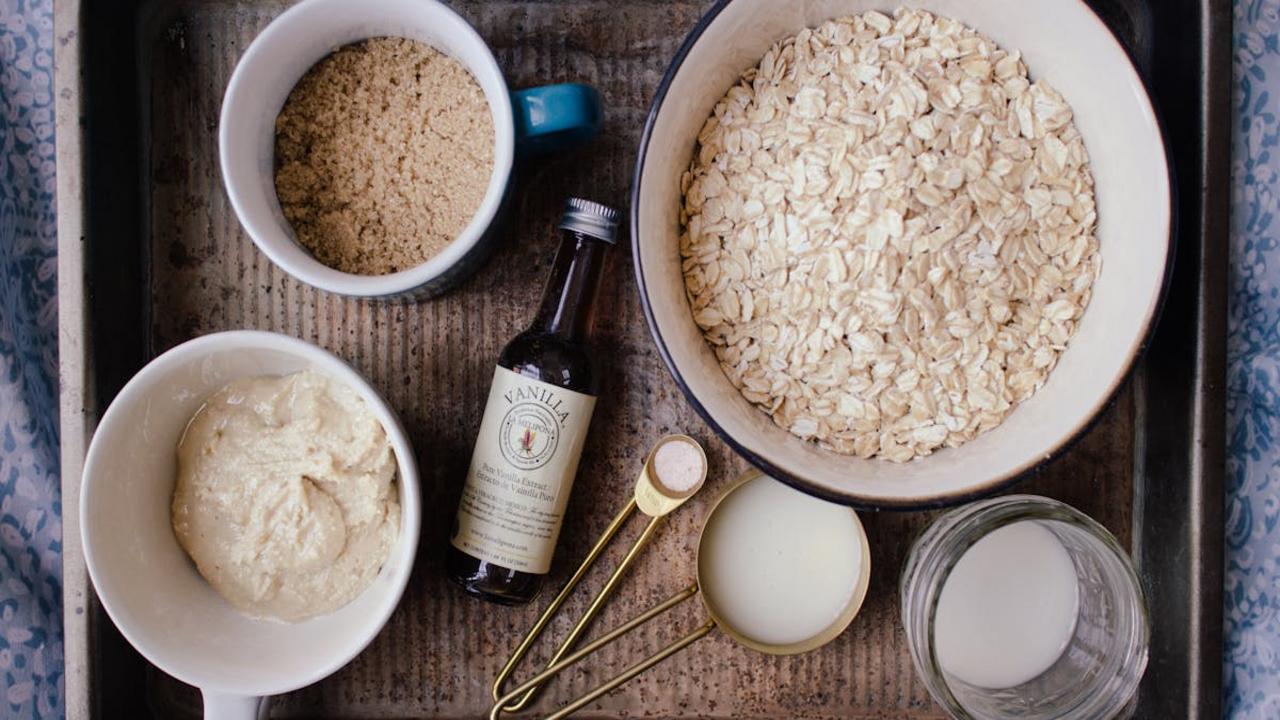
I keep bottles of vanilla extract that are years old in my pantry, and they’re absolute treasures. Real vanilla extract becomes more complex and nuanced as it ages, developing deeper, richer notes that you simply can’t get from a fresh bottle. The vanilla beans continue to infuse the alcohol base, creating layers of flavor that transform from sharp and one-dimensional to smooth and luxurious. I’ve noticed that my three-year-old bottle has developed subtle caramel undertones and a warmth that makes everything I bake taste more sophisticated.
If you’re making your own vanilla extract – which I highly recommend – patience becomes your greatest ally. I split Madagascar vanilla beans and submerge them in quality vodka, then forget about the jar for months. The magic happens slowly, and after six months to a year, you’ll have liquid gold that outperforms any store-bought version. I use aged vanilla extract in my morning coffee, homemade ice cream, and weekend pancakes. The difference is remarkable – it adds depth without overwhelming sweetness, and creates that bakery-quality flavor we all crave in our home cooking.
Dark Chocolate
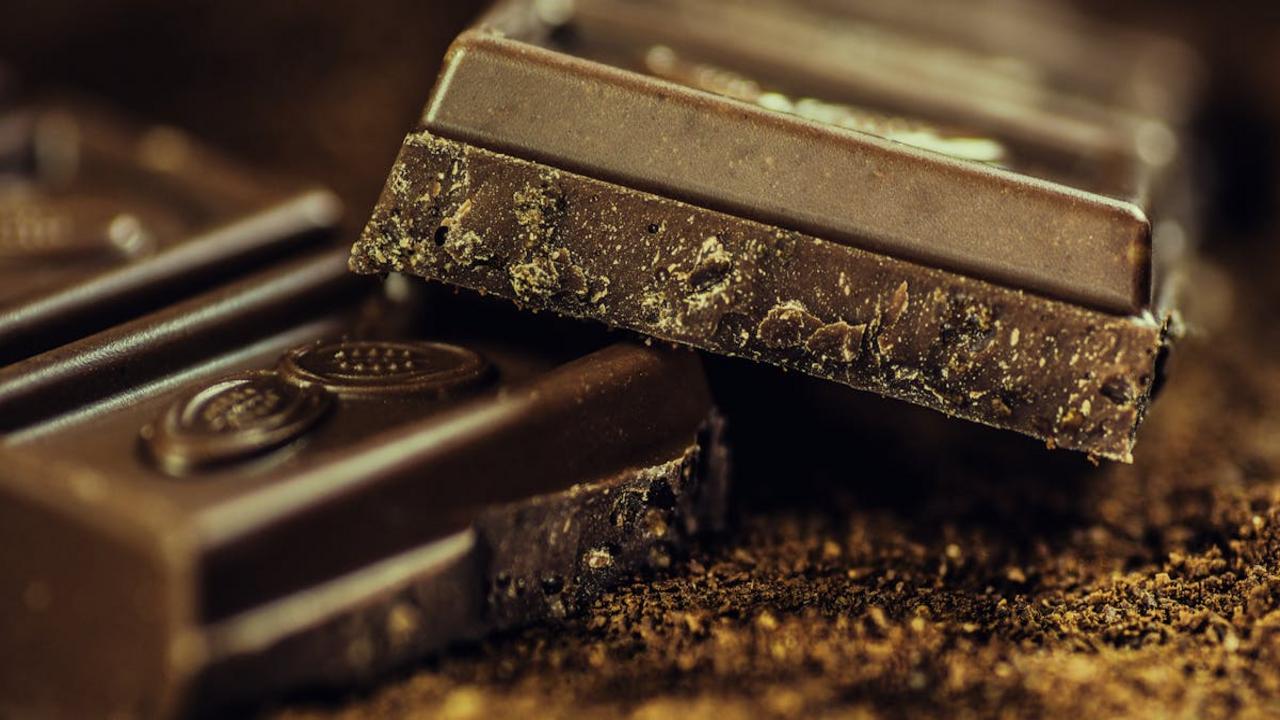
You know that bar of 70% dark chocolate sitting in your pantry? Don’t rush to finish it in one sitting. Dark chocolate transforms beautifully over time, developing deeper, more complex flavors that make each bite a revelation. I keep several bars in my kitchen cabinet, rotating through them slowly, and I’m always amazed by how the harsh edges soften and the bitter notes mellow into something rich and velvety. The cocoa compounds continue to mature, creating layers of flavor you simply can’t get from fresh chocolate.
What makes this even more exciting is how well-aged dark chocolate works in cooking. I use month-old bars in my homemade mole recipes, where the chocolate’s developed complexity adds incredible depth to the sauce. The aging process breaks down some of the more aggressive tannins, leaving behind smooth, rounded notes that pair beautifully with warm spices like cinnamon and chili. Try grating some aged dark chocolate over fresh berries or melting it into a simple ganache – you’ll taste the difference immediately. Store your bars in a cool, dry place wrapped in parchment paper, and watch how time transforms this already incredible ingredient into something truly special.
Miso Paste
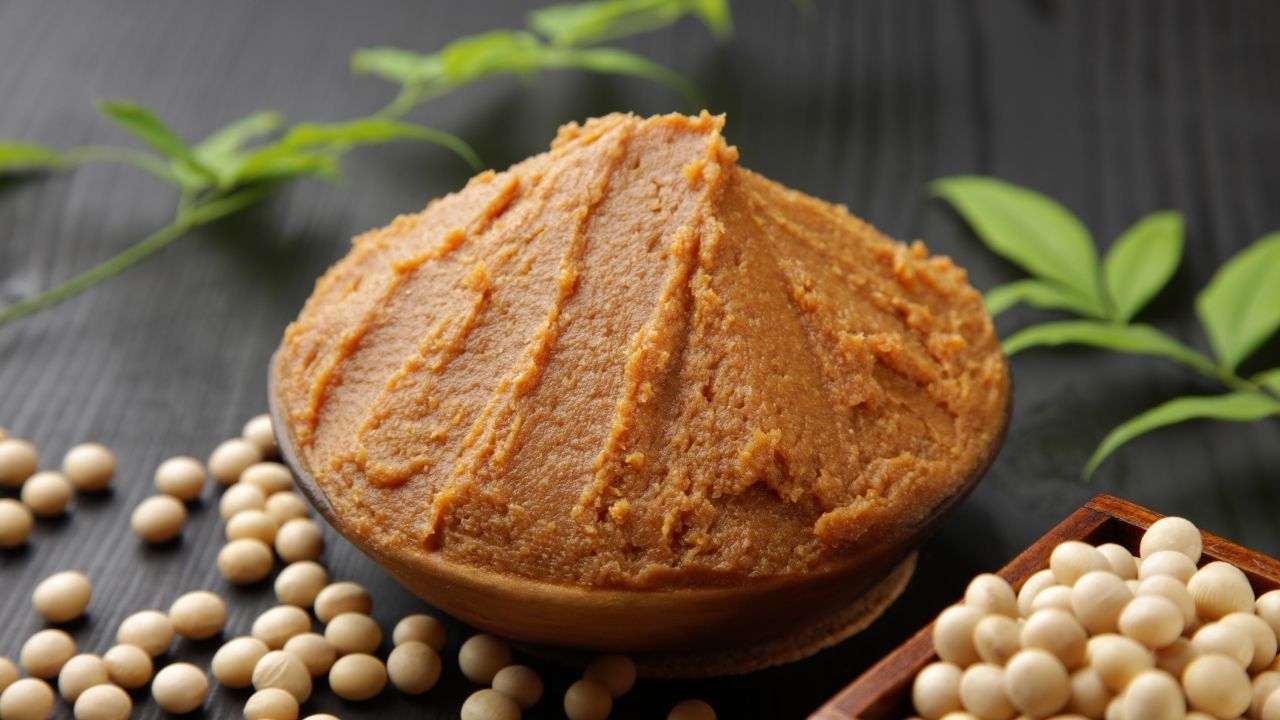
You know that jar of miso paste sitting in your fridge? The one you bought for that ramen recipe and then forgot about? Here’s something beautiful: miso gets more complex and nuanced the longer it ages. Traditional Japanese miso makers understand this deeply – they age their pastes for years, sometimes decades. As miso sits, the fermentation continues slowly, developing deeper umami notes and a richer, more rounded flavor profile. The saltiness mellows while earthy, almost wine-like characteristics develop. I keep multiple jars at different stages because each brings something unique to my cooking.
What excites me most about aged miso is how it transforms simple dishes into something extraordinary. A spoonful of well-aged miso whisked into salad dressings creates depth that’s impossible to achieve with fresh paste alone. I love using older miso in marinades for roasted vegetables – the concentrated flavor penetrates beautifully and caramelizes gorgeously in the oven. Even a tiny amount stirred into soups or stews adds layers of savory complexity. The key is treating aged miso like a fine condiment rather than just a soup base. Start with small amounts and taste as you go – that concentrated flavor can surprise you with its intensity.
Beef
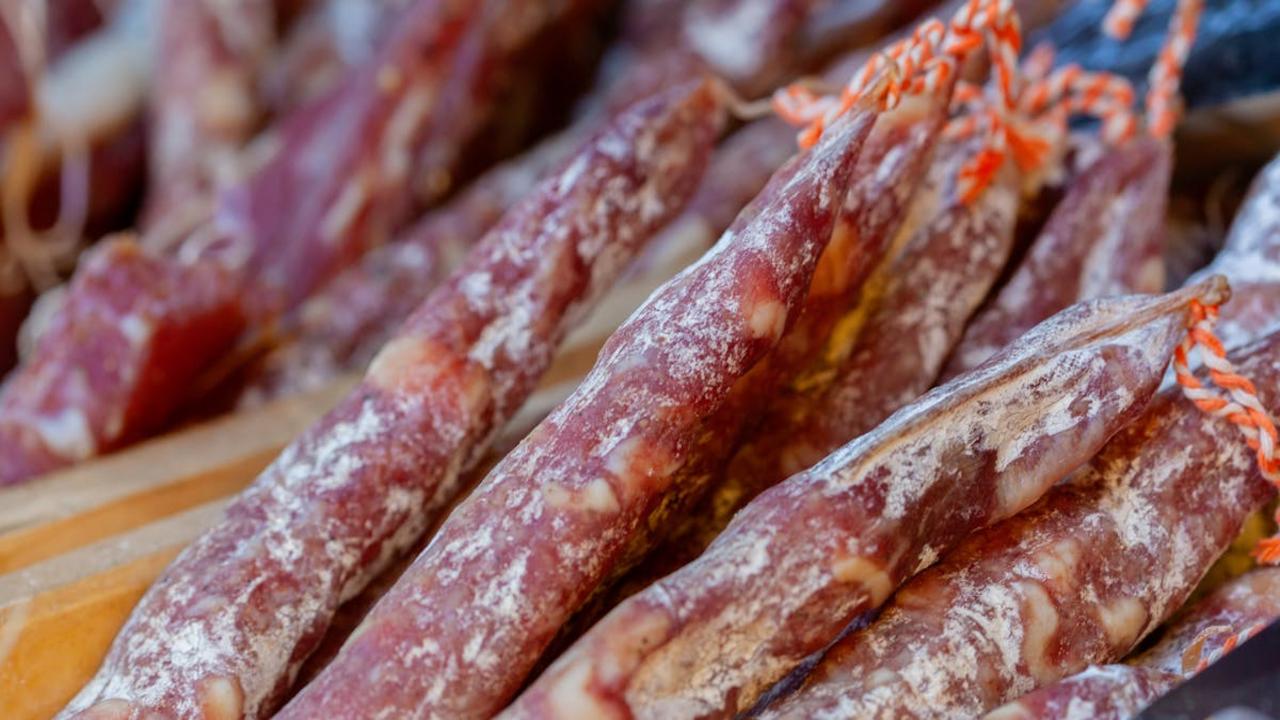
You know that amazing pot roast your grandmother used to make? The one where the meat practically fell apart with a fork and tasted like pure comfort? That magic happens because beef transforms dramatically over time through slow cooking methods. When you give tough cuts like chuck roast, brisket, or short ribs the gift of low, slow heat for hours, their connective tissues break down into silky gelatin that coats every fiber with rich, savory goodness. I always tell my friends that patience with beef rewards you with flavors that simply can’t be rushed – those tough, inexpensive cuts become the most tender, flavorful meals when you treat them right.
The same principle applies to aged beef, where controlled time creates incredible depth of flavor through enzymatic breakdown. Even at home, you can see this magic work with simple techniques like marinating tough cuts overnight or braising them low and slow until they surrender their toughness. I love taking a humble piece of chuck and turning it into something spectacular with nothing more than time, gentle heat, and maybe some onions, carrots, and herbs from my garden. The transformation teaches you that the best things in cooking – just like in life – often require patience and can’t be hurried.
Hot Sauce
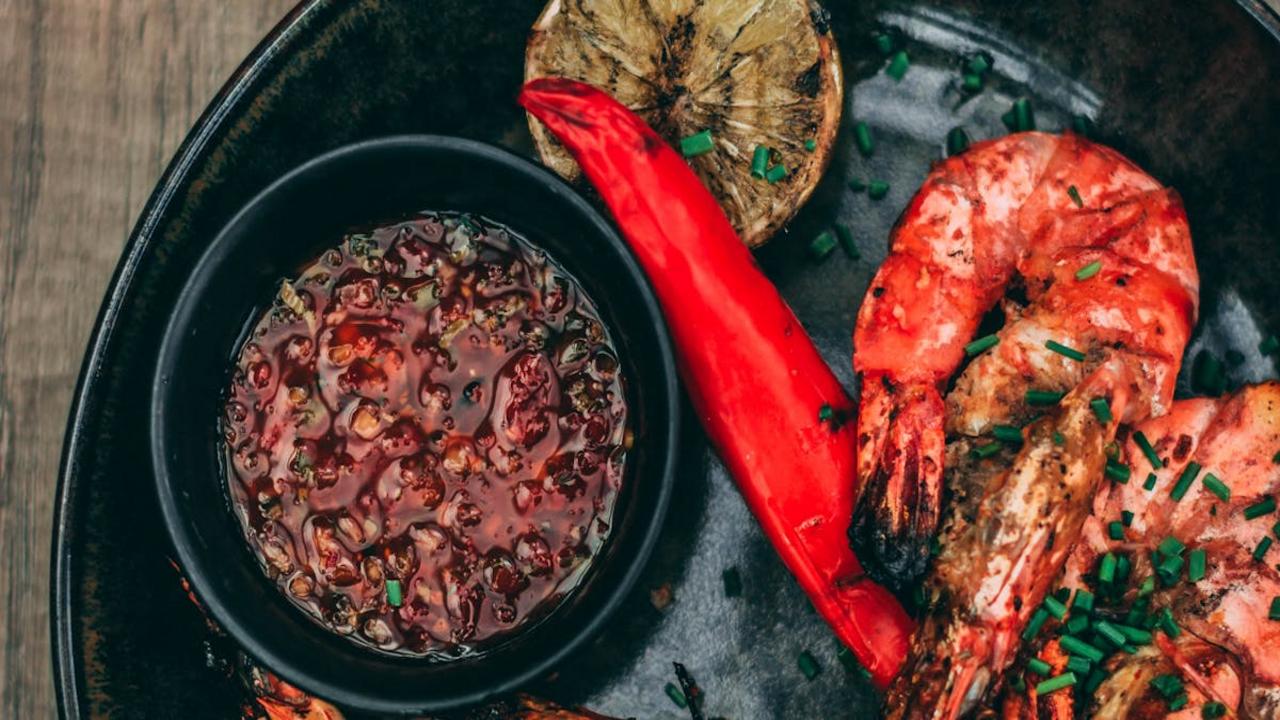
I keep bottles of homemade hot sauce aging in my pantry like precious wine, and trust me—the wait transforms them into something magical. Fresh hot sauce burns bright and sharp, but give it three to six months, and those aggressive heat notes mellow into complex, rounded flavors that dance on your tongue. The capsaicin compounds break down slowly, creating depth while the vinegar marries beautifully with garlic, onions, and whatever spices you’ve thrown into the mix. I make my hot sauces with whole ingredients—fresh chilies, raw honey instead of sugar, and apple cider vinegar—then let time work its alchemy.
The transformation happens gradually as acids soften the heat and allow other flavors to bloom. That harsh burn you get from fresh jalapeños or habaneros becomes this warm, lingering heat that enhances rather than overpowers your food. I’ve noticed my aged hot sauces develop almost smoky undertones, especially when I include roasted garlic or charred onions in the original blend. The beauty of making your own means you control every ingredient—no preservatives, no artificial colors, just pure flavor evolution happening right in your kitchen. Store them in a cool, dark place and shake occasionally; your future self will thank you for the patience.
Hard Cheese
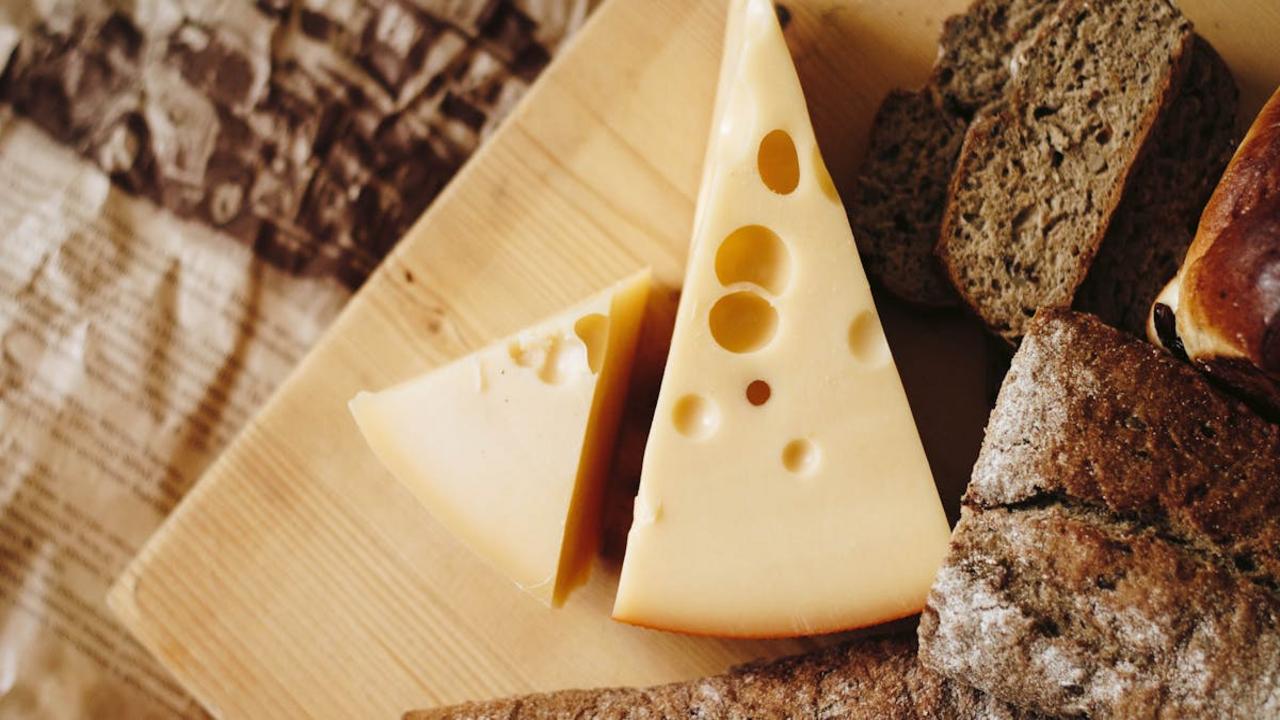
You know that block of Parmigiano-Reggiano sitting in your fridge? Give it time, and watch magic happen. Hard cheeses like aged cheddar, Gouda, and Pecorino Romano develop complex flavors through months or years of careful aging. During this process, proteins break down into smaller compounds, creating those beautiful crystalline textures you feel on your tongue – those little crunchy bits that make each bite so satisfying. The moisture slowly evaporates, concentrating the flavors until what started as mild becomes bold and nutty.
I keep several hard cheeses in different stages of aging because each brings something unique to my cooking. A young Manchego melts beautifully into my weekend scrambled eggs, while an aged version gets grated over roasted vegetables for depth. The beauty lies in patience – that two-year-old Gouda carries caramel notes that simply cannot exist in its younger counterpart. When you buy hard cheese, resist eating it all immediately. Wrap it properly in wax paper, store it in your refrigerator’s cheese drawer, and let time work its magic. Your future self will thank you when you discover how much more complex and interesting these cheeses become.
Kombucha
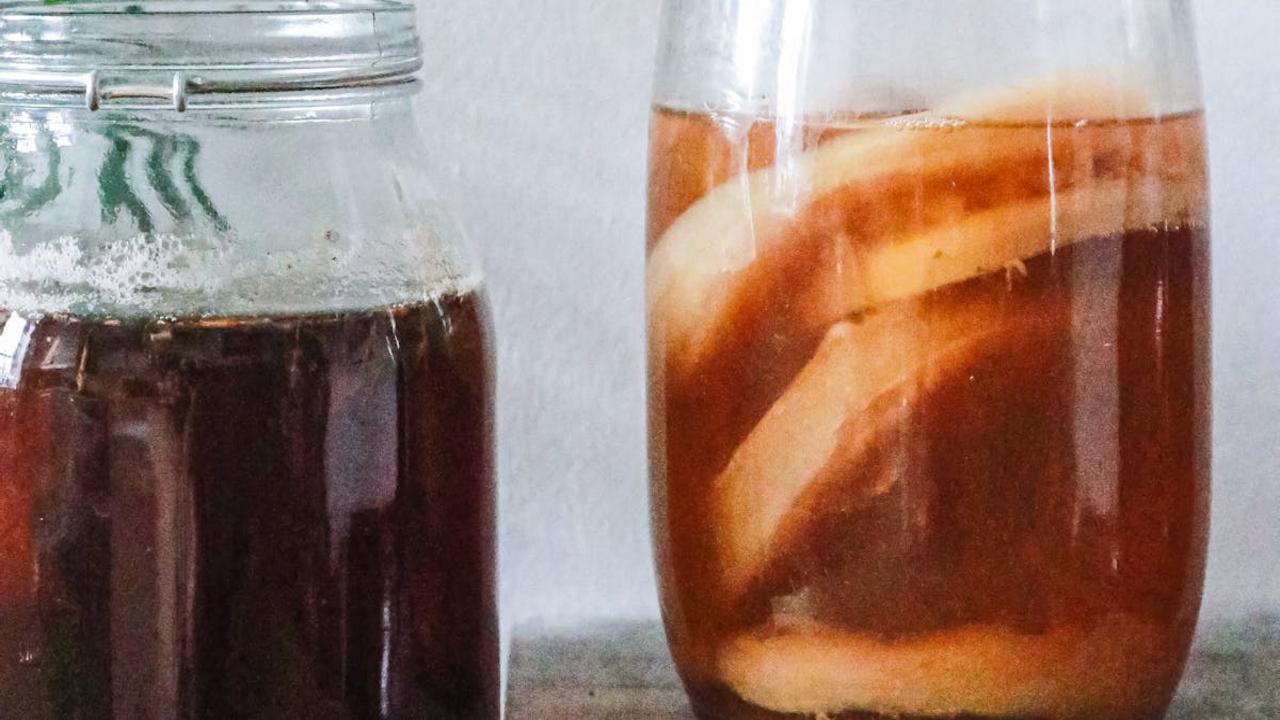
You know that bottle of kombucha sitting in your fridge right now? Don’t rush to drink it! This fermented tea gets more complex and interesting as days pass. I started brewing my own kombucha at home after realizing how much better the flavors develop when you give them time. Fresh kombucha can taste sharp and one-dimensional, but after a few extra days of fermentation, the flavors mellow and create this beautiful balance between tangy, sweet, and effervescent that commercial versions rarely achieve.
The magic happens because the beneficial bacteria and yeast keep working their transformation even in cold storage. I love experimenting with second fermentation by adding fresh ginger, turmeric, or seasonal fruits like pomegranate seeds or fresh berries. After 3-5 days, these additions create natural flavor compounds that taste like they’ve been crafted by time itself. The bubbles become more refined, the acidity softens, and you get these subtle notes that remind me why I prefer making things from scratch. Your patience rewards you with a probiotic powerhouse that tastes infinitely better than anything you can grab off the shelf.
Fish Sauce
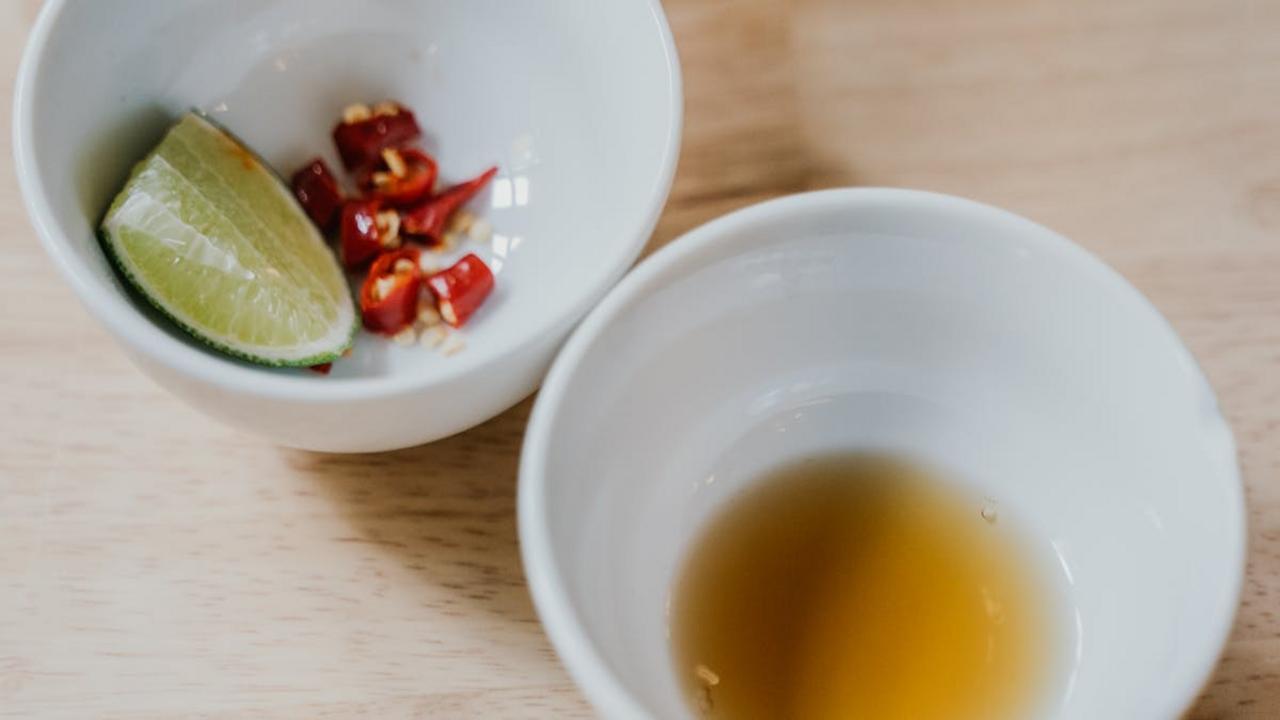
I remember the first time I opened a bottle of fish sauce – the smell hit me like a wave, and I honestly questioned whether this ingredient belonged anywhere near my kitchen. But here’s what I’ve learned through years of cooking: fish sauce transforms dramatically as it ages, developing layers of complexity that make it absolutely indispensable in my pantry. Fresh fish sauce can be quite pungent and one-dimensional, but give it time – sometimes years – and something magical happens. The sharp, briny notes mellow into rich, savory depths that add an incredible umami foundation to countless dishes.
Now I buy fish sauce in bulk and store bottles in my cool, dark pantry, watching them develop character over months and years. The aged versions become liquid gold, with a concentrated essence that elevates everything from Vietnamese pho to simple stir-fries and even unexpected additions like salad dressings. I’ve started treating good fish sauce like fine wine – the older bottles get reserved for finishing touches and special occasions, while the younger ones work perfectly for everyday cooking. This fermented wonder proves that patience pays off in the kitchen, turning what seems like an intimidating ingredient into one of the most versatile flavor enhancers you can own.
Kimchi
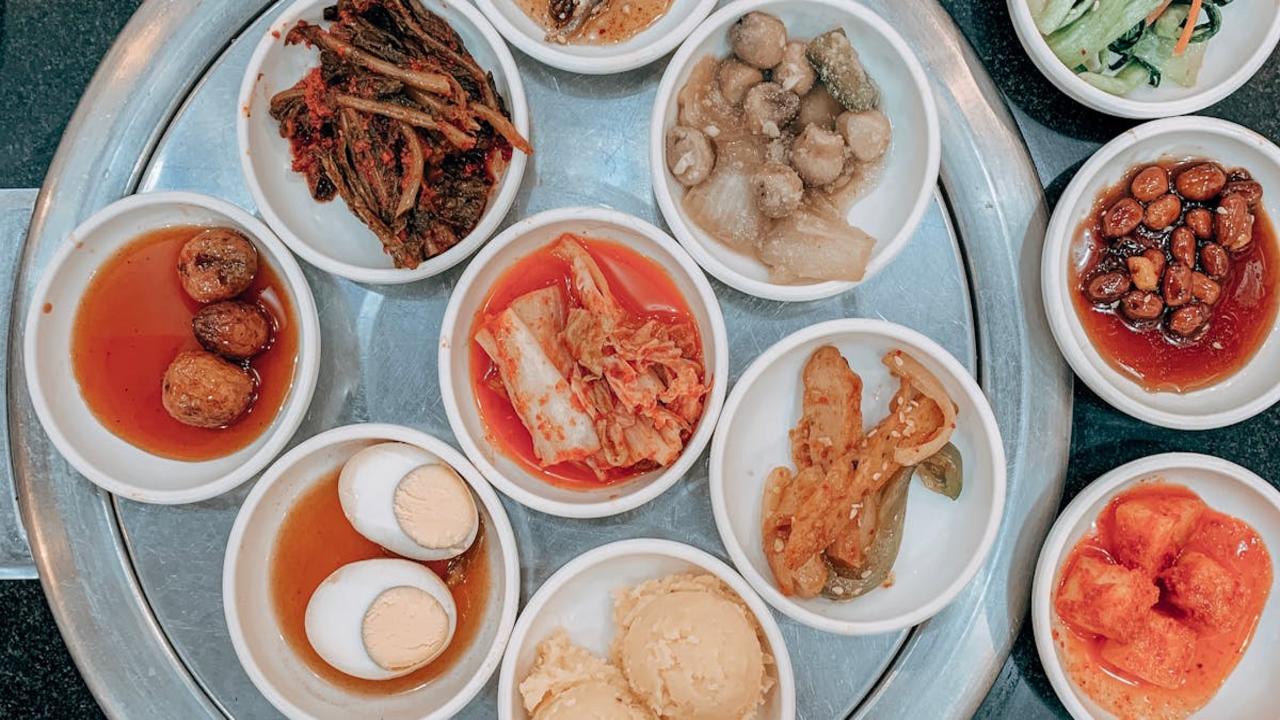
You know that first bite of fresh kimchi? Sharp, crunchy, with a quick fermentation punch that makes your mouth water. But here’s what I’ve discovered through years of making my own batches: kimchi transforms into something completely magical after weeks of patient fermentation. The aggressive heat mellows into a complex warmth, while those crisp cabbage leaves develop a tender bite that still maintains their structure. The garlic and ginger marry with the chili flakes, creating layers of flavor that dance between sweet, sour, and umami in perfect harmony.
I remember my Korean neighbor teaching me that the best kimchi waits at least a month before reaching its peak. She was absolutely right—that extended fermentation period allows the beneficial bacteria to work their magic, breaking down the vegetables just enough to create an almost wine-like complexity. The brine becomes more mellow, less acidic, and develops this incredible depth that makes you want to drink it straight from the jar. When I use aged kimchi in my fried rice or stews, the difference is remarkable. Fresh kimchi adds crunch and heat, but aged kimchi brings soul to the dish, infusing every grain of rice with that deep, funky richness that only time can create.
Balsamic Vinegar
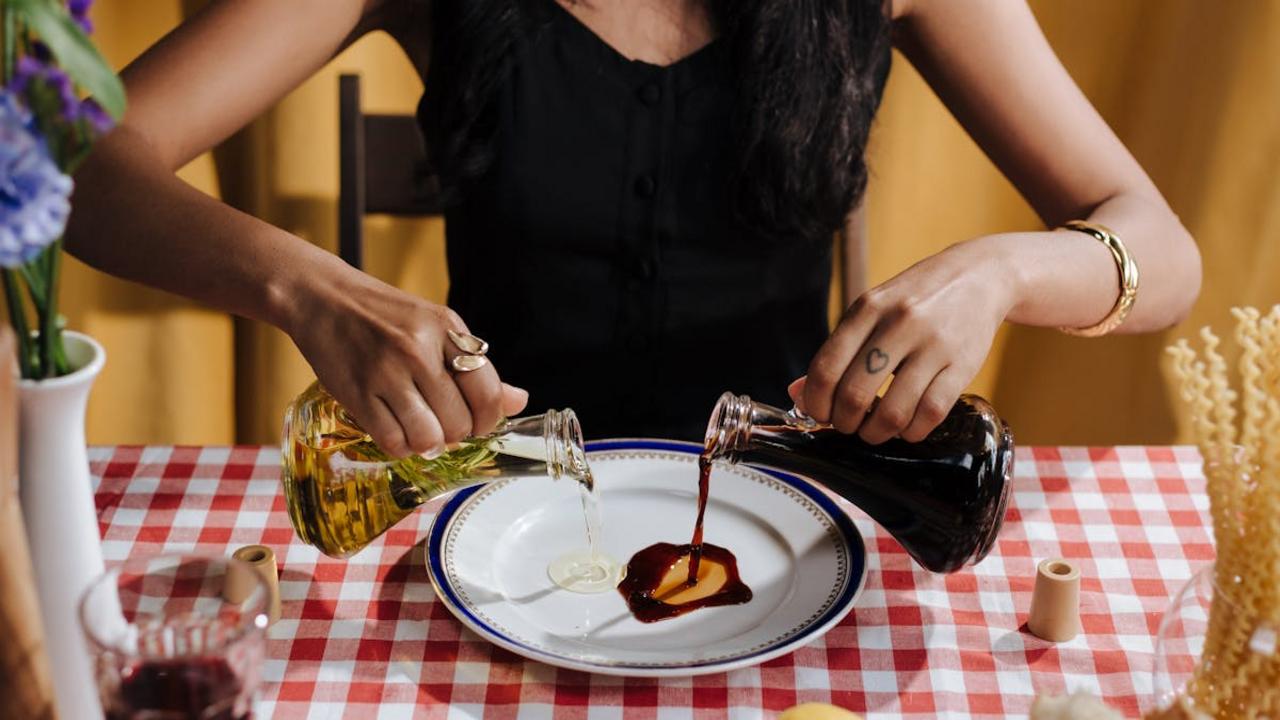
You know that bottle of balsamic vinegar sitting in your pantry? Time transforms it into liquid gold. True aged balsamic vinegar—the kind that’s been resting in wooden barrels for years, sometimes decades—develops a complexity that makes your regular grocery store version seem like a completely different ingredient. I keep both types in my kitchen because they serve different purposes, but the aged stuff? That’s pure magic. The acidity mellows, the sweetness concentrates, and you get these incredible notes of wood, fruit, and sometimes even hints of chocolate or vanilla.
I drizzle aged balsamic over fresh strawberries, let it pool around creamy burrata, or use just a few drops to finish roasted vegetables. The beauty lies in how those years in the barrel create natural sweetness without any added sugars—it’s fermentation and patience working together. You don’t need much either; a little goes a long way. While young balsamic works perfectly for marinades and everyday cooking, the aged version becomes a condiment that can transform simple ingredients into something extraordinary. It’s one of those ingredients that proves time really does make everything better.