14 American Foods Other Countries Have Banned from Store Shelves
As someone who spends countless hours in my kitchen experimenting with fresh ingredients, I find it fascinating how different countries approach food safety. While I’m busy creating wholesome recipes from scratch, many nations have taken bold steps to protect their citizens by banning certain American food products that still fill our grocery stores.
These restrictions aren’t random decisions – they stem from serious health concerns about additives, processing methods, and chemical treatments that other countries consider too risky. From hormone-treated meat to artificial preservatives, these banned items highlight a stark contrast in food regulations across borders.
Understanding what’s prohibited elsewhere opens our eyes to making better choices in our own kitchens. By focusing on minimally processed, whole ingredients, we can create nourishing meals that align with the stricter standards other countries maintain for their people’s wellbeing.
Bleached Flour
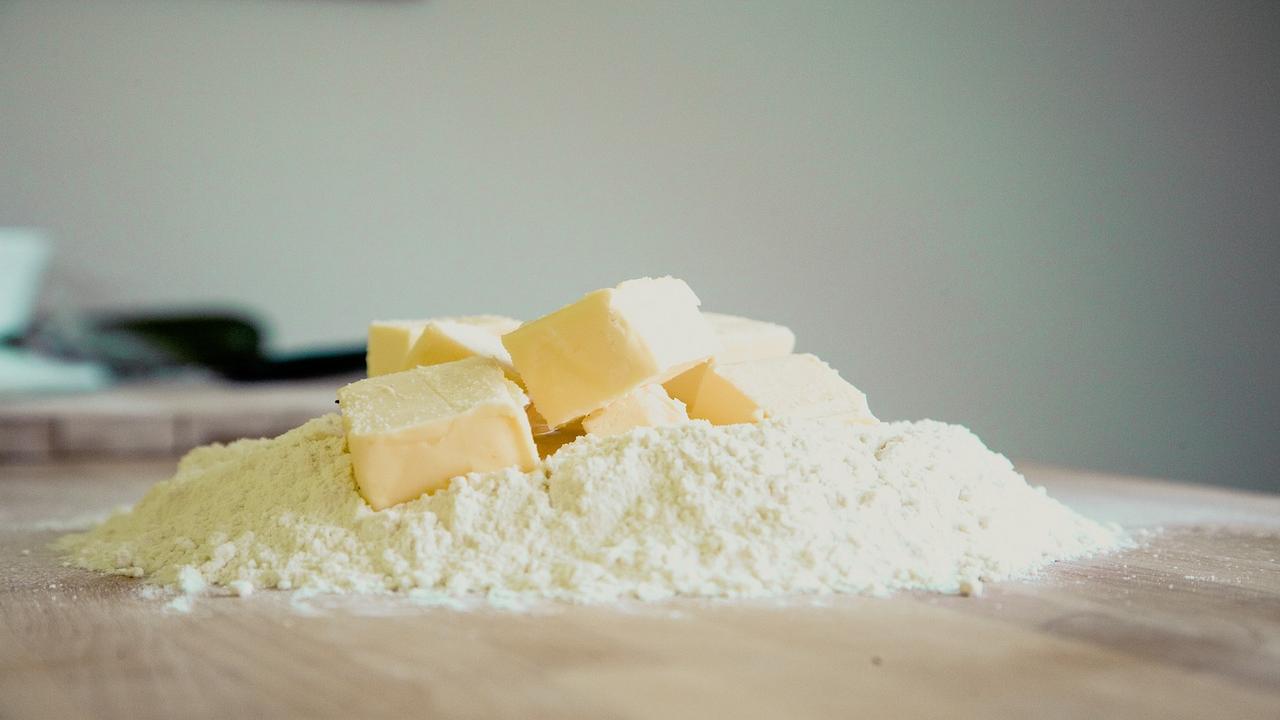
You know that bright white flour sitting in your pantry? The one that makes those picture-perfect cakes and fluffy biscuits? Well, here’s something that might make you pause next time you’re baking: that pristine whiteness comes from chemical bleaching agents like chlorine dioxide and benzoyl peroxide. While the FDA says these chemicals are safe in small amounts, countries across Europe, Australia, and China have taken a different stance. They’ve banned bleached flour entirely, choosing to stick with naturally aged flour that develops its baking properties over time without chemical intervention.
I started using unbleached flour years ago after learning about this difference, and honestly, the switch was easier than I expected. Unbleached flour has a slightly creamier color and works beautifully in everything from sourdough bread to chocolate chip cookies. The texture might be marginally denser in some baked goods, but the trade-off feels worth it when you’re creating meals from scratch for your family. Plus, there’s something satisfying about knowing your flour achieved its baking properties through natural aging rather than chemical processing. If you’re ready to make the switch, look for “unbleached” on the label – your local health food store probably carries several varieties, and many mainstream brands offer unbleached options too.
Chlorine Washed Chicken
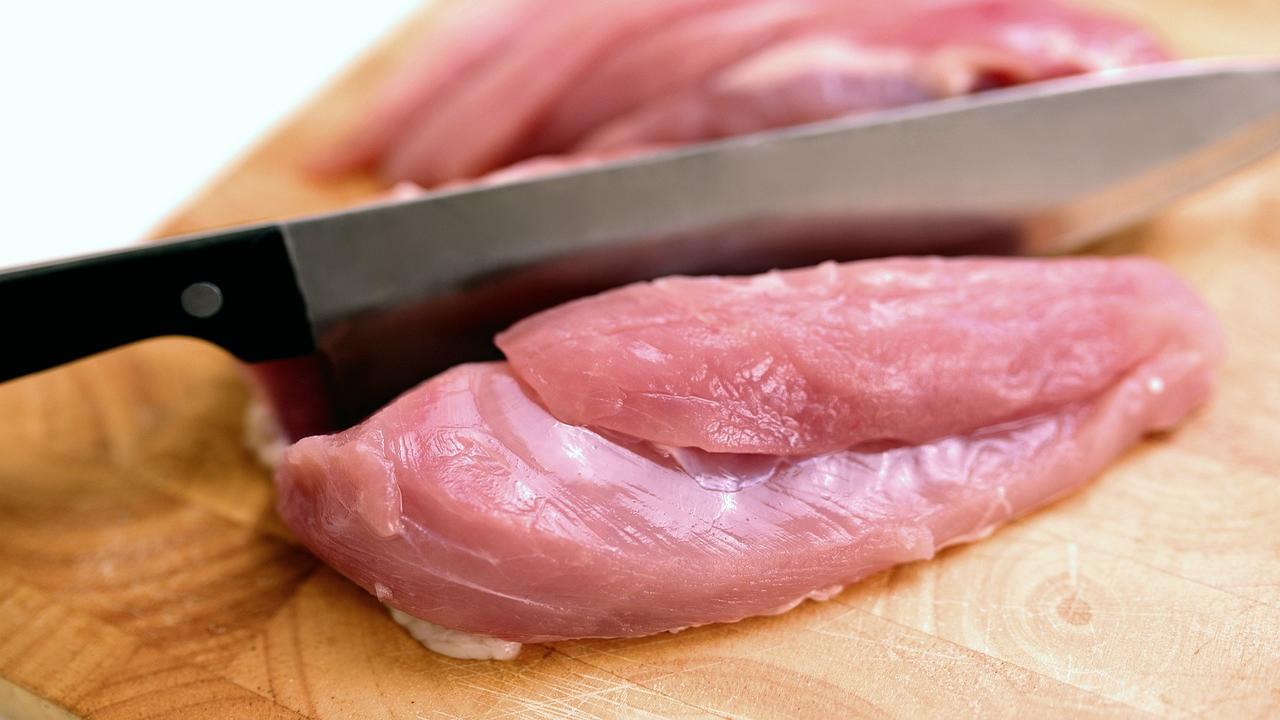
You know how I always talk about keeping things simple and natural in the kitchen? Well, here’s something that might shock you – that chicken breast you just bought at the grocery store could have been bathed in chlorine before it reached your shopping cart. The US allows poultry processors to rinse chicken carcasses with chlorinated water to kill bacteria like salmonella and campylobacter. While the FDA considers this safe, the European Union banned this practice entirely, along with countries like Russia and China. They argue that proper hygiene throughout the entire production process is more important than relying on chemical washes at the end.
What bothers me most about this whole chlorine washing situation is that it can mask poor sanitary conditions during processing. Instead of maintaining clean facilities from start to finish, producers can rely on that final chemical rinse to meet safety standards. European countries require stricter hygiene protocols throughout the entire chicken production chain, which means their birds never need that chlorine bath. When I’m selecting chicken for my family, I always look for organic or pasture-raised options from local farms where I can see how the animals are raised and processed. Sure, it costs more, but knowing my protein source hasn’t been swimming in chemicals gives me peace of mind when I’m creating those nourishing meals we all deserve.
Growth Hormone in Cattle
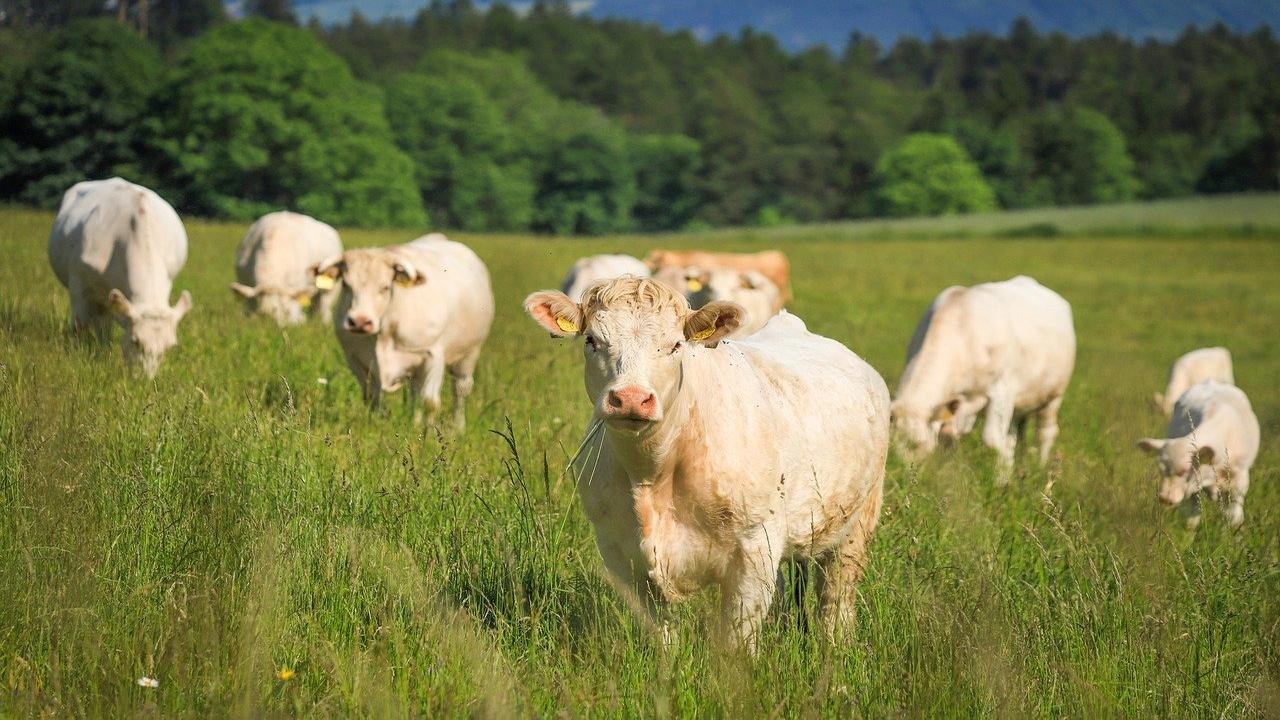
You know how I always talk about knowing where your ingredients come from? Well, here’s something that might make you think twice about that grocery store beef. Most American cattle receive synthetic growth hormones like rBST and rBGH to make them grow faster and produce more milk. These hormones boost production, sure, but they also end up in the meat and dairy we bring home to our families. The European Union, Canada, and Australia have all said “no thanks” to these hormone-treated products, banning imports of American beef since the late 1980s.
What really gets me is how this affects the cooking experience and our health. When I’m selecting beef for my family’s dinner, I want to know that what I’m serving comes from animals raised naturally, without synthetic shortcuts. These growth hormones can disrupt our own hormone systems, and some studies link them to early puberty in children and increased cancer risks. That’s why I always seek out grass-fed, hormone-free beef from local farms or look for certified organic options. Yes, it costs more, but when you’re cooking from scratch and creating nourishing meals, every ingredient matters. Your family deserves beef that’s raised the way nature intended.
BHA and BHT Preservatives
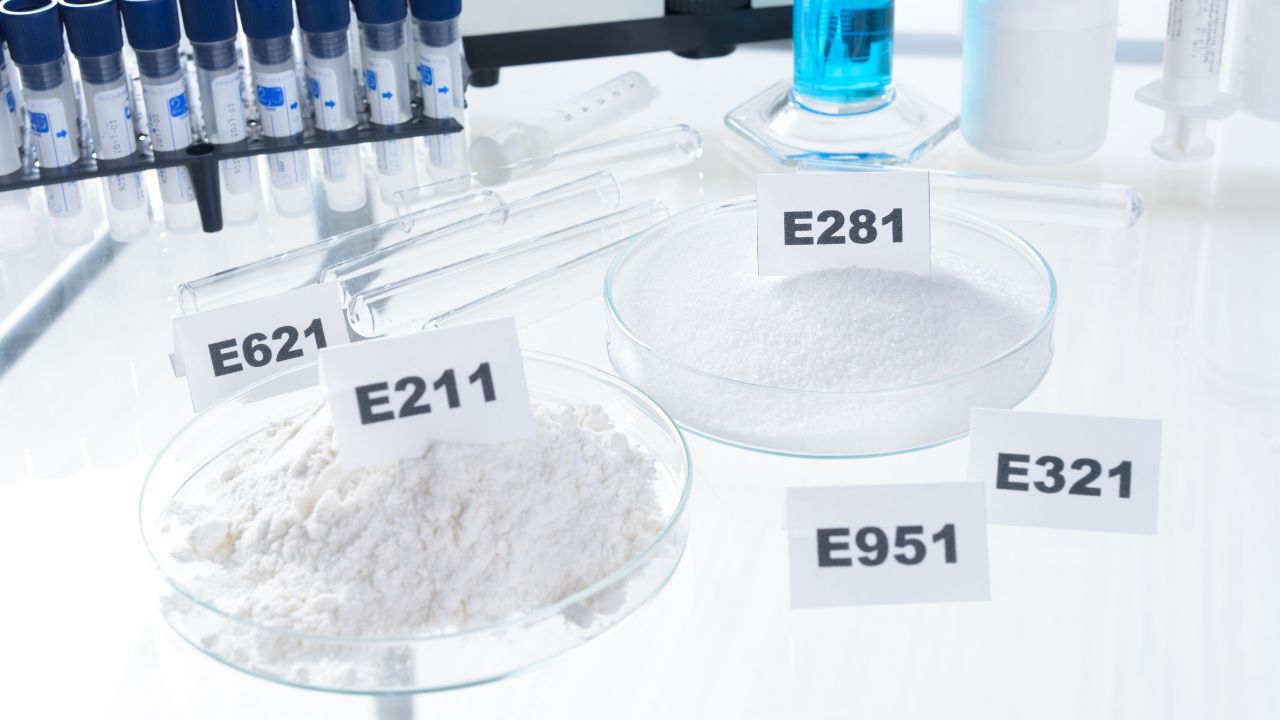
You know what breaks my heart? Walking through American grocery stores and seeing BHA (butylated hydroxyanisole) and BHT (butylated hydroxytoluene) listed on nearly every packaged food label. These synthetic preservatives keep your cereals, crackers, and processed snacks shelf-stable for months, but here’s what really gets me – countries like Japan, Australia, and much of Europe have either banned or severely restricted these chemicals because studies link them to potential cancer risks and hormone disruption. Meanwhile, we’re still munching on them daily without a second thought.
I’ve made it my mission to help you spot these preservatives hiding in everything from breakfast cereals to salad dressings, and more importantly, show you how to avoid them completely. Instead of reaching for that box of processed crackers loaded with BHA, I’ll teach you to whip up homemade versions using simple ingredients like oats, seeds, and natural oils that actually nourish your body. The beautiful thing about cooking from scratch is that you control every single ingredient – no mysterious three-letter chemicals required. Your pantry becomes your pharmacy, filled with real foods that don’t need synthetic preservatives because you’re eating them fresh, the way nature intended.
Artificial Food Dyes
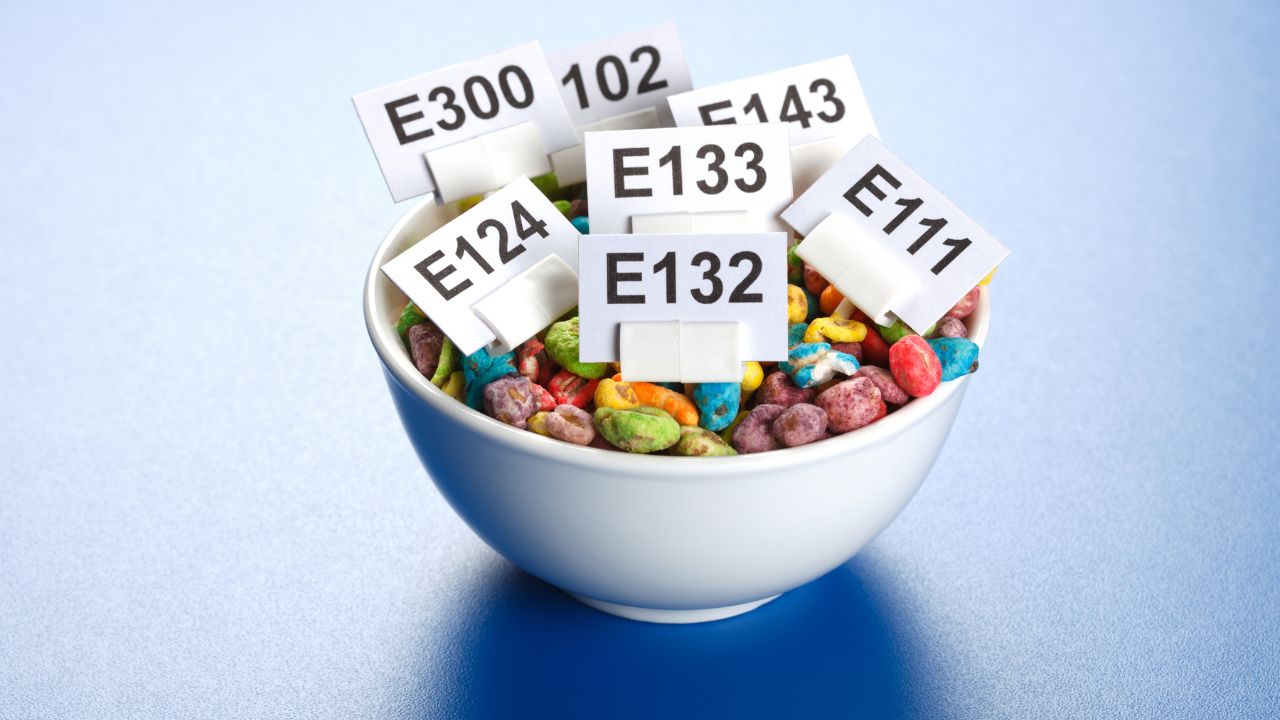
You know what breaks my heart? Walking down American grocery aisles and seeing those rainbow-bright cereals, candies, and drinks that practically glow under the fluorescent lights. Those vivid colors come from artificial food dyes like Red 40, Yellow 5, and Blue 1 – chemicals that many countries have kicked off their shelves entirely. The European Union requires warning labels on foods containing these dyes, linking them to hyperactivity in children, while countries like Norway and Austria have banned several of them outright. Meanwhile, we’re still pouring these synthetic colors into everything from mac and cheese to sports drinks.
I’ve learned to make my own vibrant foods using nature’s palette instead. Turmeric gives you that golden yellow in curries and rice dishes, beetroot creates stunning pink and red hues in smoothies and desserts, and spirulina powder turns your morning smoothie bowl that gorgeous blue-green. My kids actually prefer homemade fruit snacks colored with real berry purees over those artificially bright gummy bears – and honestly, they taste so much better too. These natural colorings don’t just make food beautiful; they bring actual nutrients and antioxidants to your plate. Why settle for chemical rainbows when Mother Nature offers the most gorgeous colors with real health benefits?
Olestra/Olean Fat Substitute
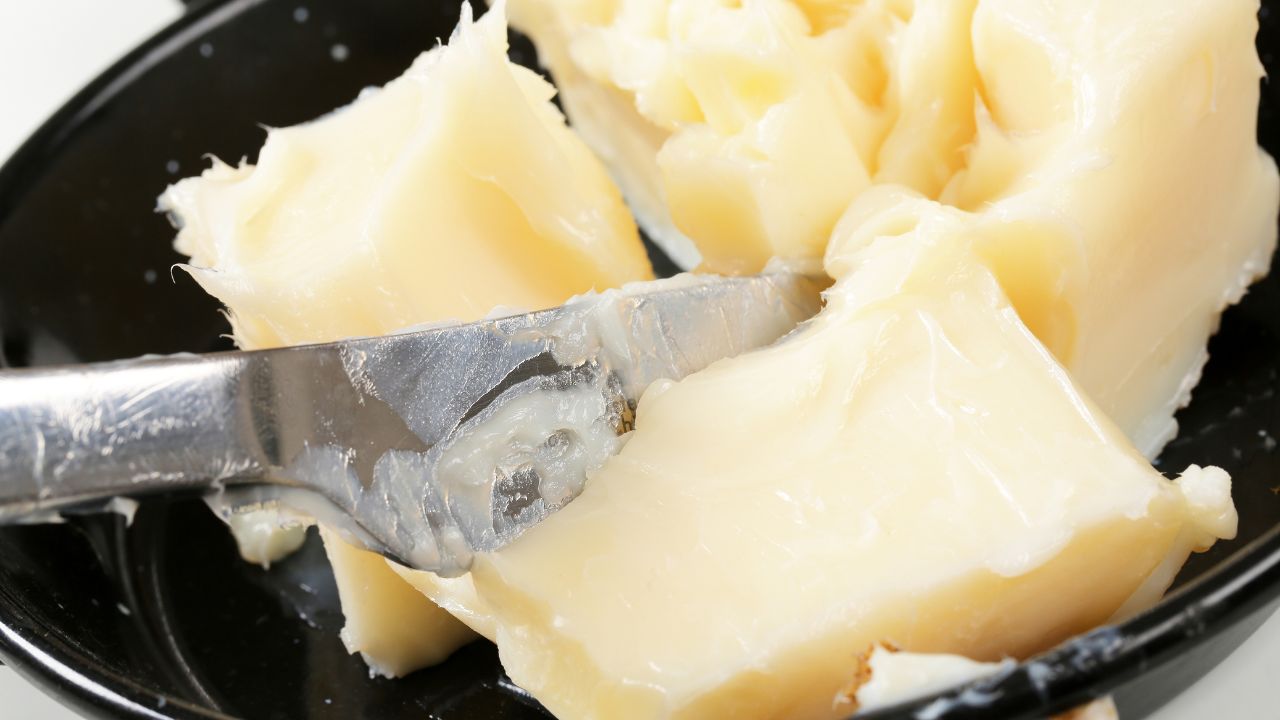
You know how I always talk about reading ingredient labels? Well, here’s one that’ll make your head spin – olestra, also known as Olean. This synthetic fat substitute was created to give you all the taste of fried foods without the calories, sounds amazing, right? But here’s the thing – while you can still find it in some American snack foods, countries across Europe and Canada said “absolutely not” and banned it completely. The European Union took one look at the potential side effects and decided their citizens deserved better than this laboratory creation.
I’ve always believed that real food doesn’t need a chemistry degree to understand, and olestra proves my point perfectly. This fake fat can cause some pretty unpleasant digestive issues – we’re talking cramping, loose stools, and it actually blocks your body from absorbing important fat-soluble vitamins like A, D, E, and K. When I’m creating recipes, I focus on using natural fats like olive oil, avocado, or even a small amount of real butter because your body knows how to process these ingredients. Sure, moderation matters, but I’d rather enjoy a smaller portion of something made with honest ingredients than gamble with synthetic substitutes that other countries won’t even allow on their shelves.
Azodicarbonamide Bread Additive

You know that soft, pillowy texture in your favorite sandwich bread? There’s a good chance it comes from azodicarbonamide, a chemical additive that makes dough rise faster and creates that bouncy consistency we’ve grown accustomed to. While the FDA allows up to 45 parts per million in American baked goods, countries like Australia, the UK, and most of Europe have completely banned this ingredient from their food supply. The reason? Azodicarbonamide breaks down into chemicals that may cause respiratory issues and has been linked to asthma in bakery workers who handle it regularly.
Here’s what really gets me fired up about this: the same ingredient they use to make yoga mats and shoe soles more flexible ends up in our daily bread. I’ve been making my own sourdough for years now, and I can tell you that real bread doesn’t need these shortcuts. When you work with just flour, water, salt, and wild yeast, you get bread that actually nourishes your body instead of filling it with unnecessary chemicals. Sure, homemade bread takes more time and doesn’t last as long on the counter, but the flavor is incomparable, and you know exactly what’s going into every bite.
Genetically Modified Papaya
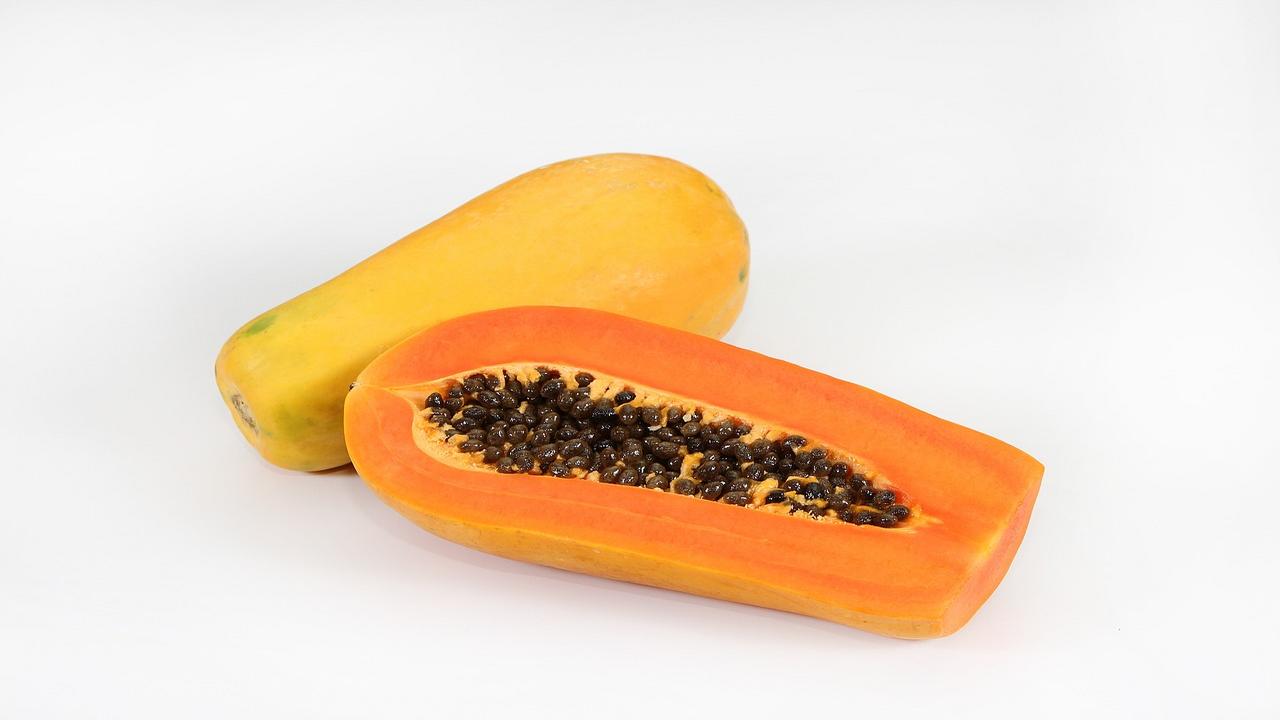
Picture this: you’re walking through a Hawaiian market, eyeing those gorgeous golden papayas, but did you know that about 80% of Hawaii’s papaya crop comes from genetically modified seeds? I’ve been cooking with papaya for years—tossing it into fresh salsas, blending it into smoothies, and using it as a natural meat tenderizer in marinades. But here’s what gets me fired up: while we’re happily slicing into these GM papayas in America, countries like Japan and the European Union have banned their import completely. The genetic modification was designed to resist the ringspot virus that was devastating Hawaiian papaya farms, and I get why farmers needed a solution.
Now, I’m not here to scare you away from this incredible fruit—papaya brings so much to the table with its digestive enzymes and vibrant tropical flavor that transforms any dish. But I do think we deserve transparency about what we’re eating. When I’m creating recipes that celebrate whole, unprocessed ingredients, I want to know exactly what I’m working with. The truth is, you can still find non-GMO papayas if you seek them out, often from Mexico or other regions. I love using papaya in my Thai-inspired salads, where its crisp texture and subtle sweetness balance perfectly with lime, chilies, and fresh herbs—it’s these simple, honest ingredients that make cooking from scratch so rewarding.
Arsenic Laced Chicken
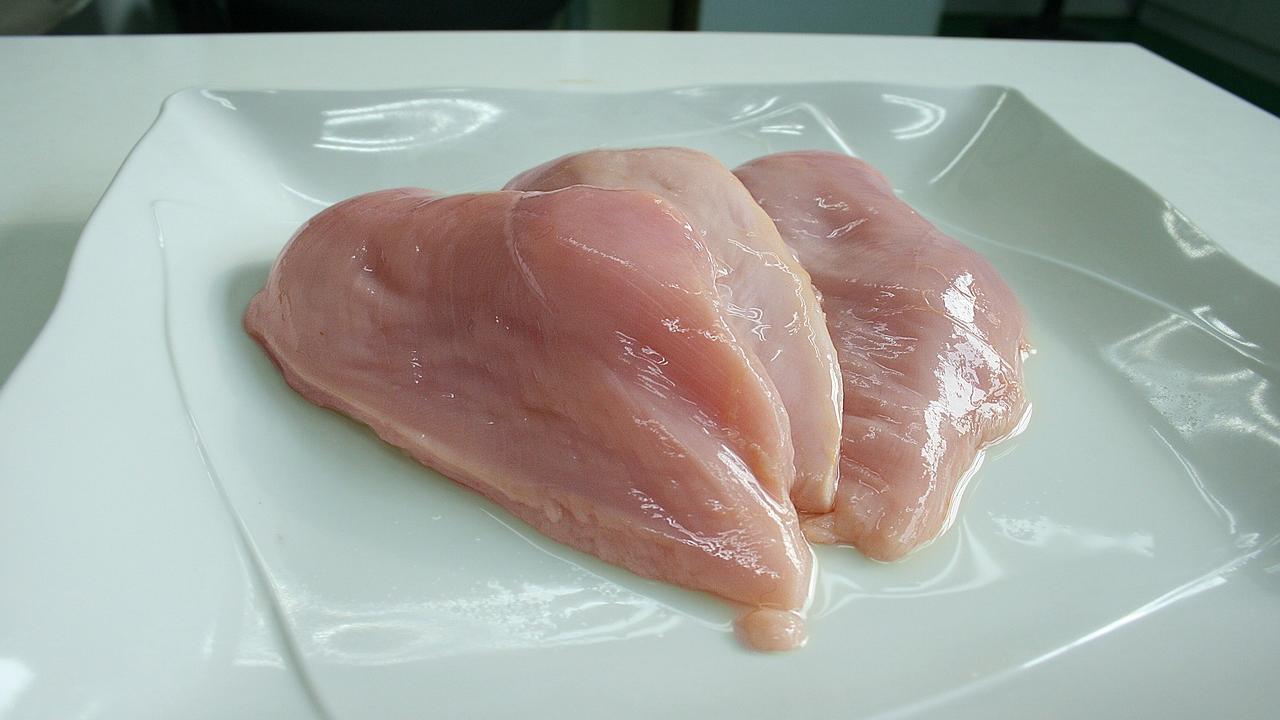
You know how I always tell you to read those ingredient labels? Well, here’s something that might shock you about conventional chicken in America. Many commercial poultry producers feed their birds arsenic-containing compounds to promote growth and give the meat that appealing pink color we associate with “fresh” chicken. I discovered this years ago when I started sourcing my protein directly from local farms, and it completely changed how I approach buying chicken for my family.
The European Union banned arsenic in animal feed back in 1999 because they recognized the serious health risks – we’re talking about a known carcinogen here! Yet here in the States, we’re still allowing this practice in many commercial operations. When I cook chicken now, I always go for organic, pasture-raised birds from farmers I trust. Yes, they cost more upfront, but think about it – you’re investing in meat that doesn’t carry these concerning additives. The flavor difference is incredible too – these naturally-raised chickens have so much more depth and richness that you’ll never want to go back to conventional poultry again.
RBGH and RBST Milk
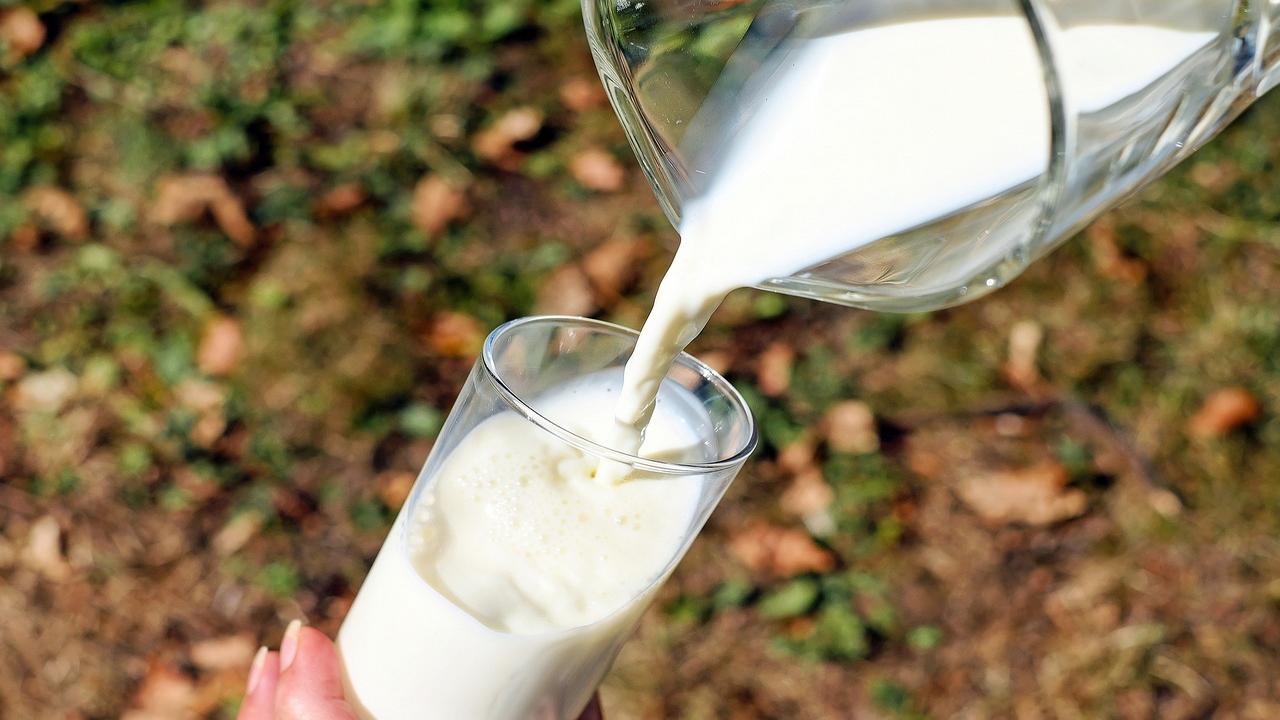
You know that glass of milk sitting in your fridge right now? If you’re in America, there’s a good chance it comes from cows treated with synthetic hormones called rBGH (recombinant bovine growth hormone) or rBST (recombinant bovine somatotropin). These lab-created hormones boost milk production in dairy cows, but here’s what gets me fired up: countries like Canada, Australia, New Zealand, Japan, and all of the European Union have completely banned this stuff from their food supply. They’ve looked at the science and said “absolutely not” to putting these synthetic hormones in their milk.
The concerns aren’t just theoretical either. Milk from hormone-treated cows contains higher levels of IGF-1 (insulin-like growth factor), which some studies link to increased cancer risks. Plus, these hormones can cause painful infections in cows, leading to more antibiotic use – and nobody wants those residues in their morning cereal bowl. I always tell people to look for organic milk or brands that specifically say “rBGH-free” or “rBST-free” on the label. It’s one of those simple swaps that makes a huge difference for your family’s health, and honestly, the taste is cleaner too. Your pancakes and homemade ice cream deserve better than hormone-laden milk anyway!
Potassium Bromate in Bread
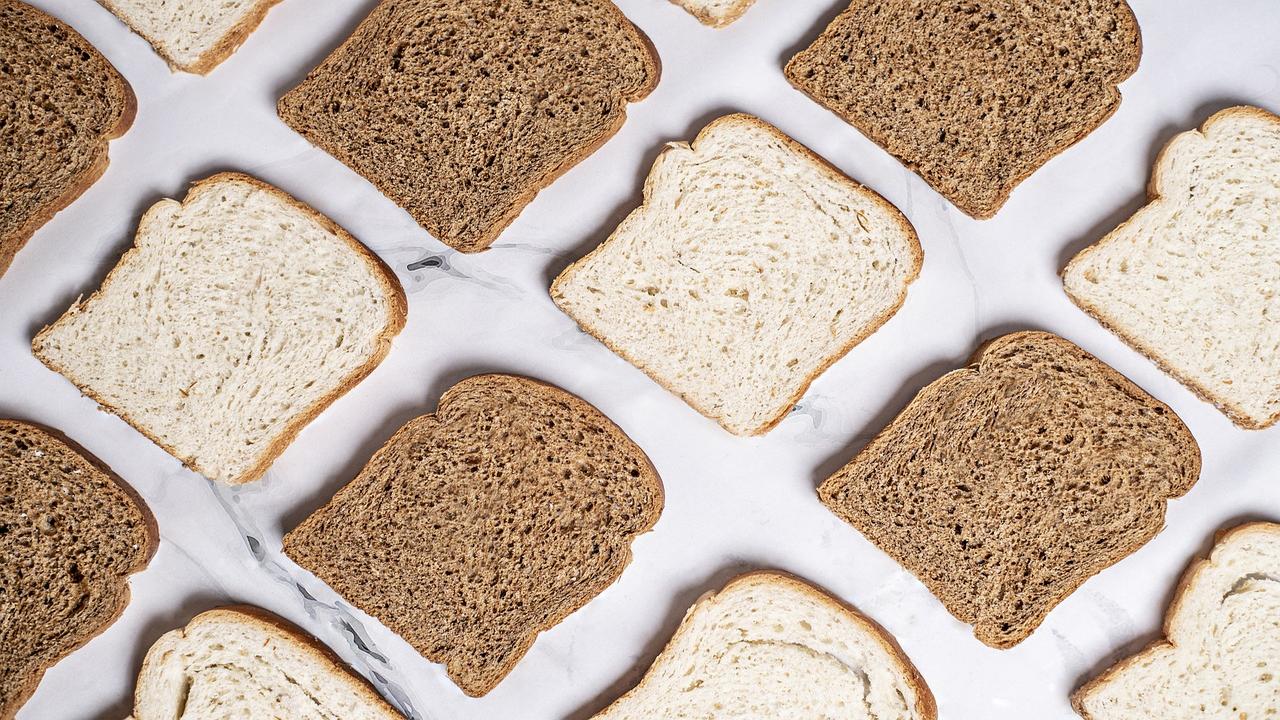
You know that fresh-baked bread smell that makes your kitchen feel like home? Well, here’s something that might surprise you about commercial bread production. Many American bakeries add potassium bromate to their flour – a chemical that helps create those perfectly fluffy, high-rising loaves you see lining grocery store shelves. This additive works by strengthening gluten bonds, giving bakers more consistent results and that picture-perfect texture we’ve grown accustomed to seeing.
But here’s where things get concerning: the European Union, Canada, and several other countries have completely banned potassium bromate because studies link it to kidney damage and potential cancer risks. While most of this chemical should break down during baking, residual amounts can remain in the finished product. This is exactly why I always encourage making bread from scratch using simple, whole ingredients – flour, water, yeast, and salt. When you control what goes into your dough, you’re not just creating something more nutritious; you’re connecting with an ancient tradition that doesn’t need questionable chemicals to produce incredible results.
Flame Retardant Drinks (BVO)
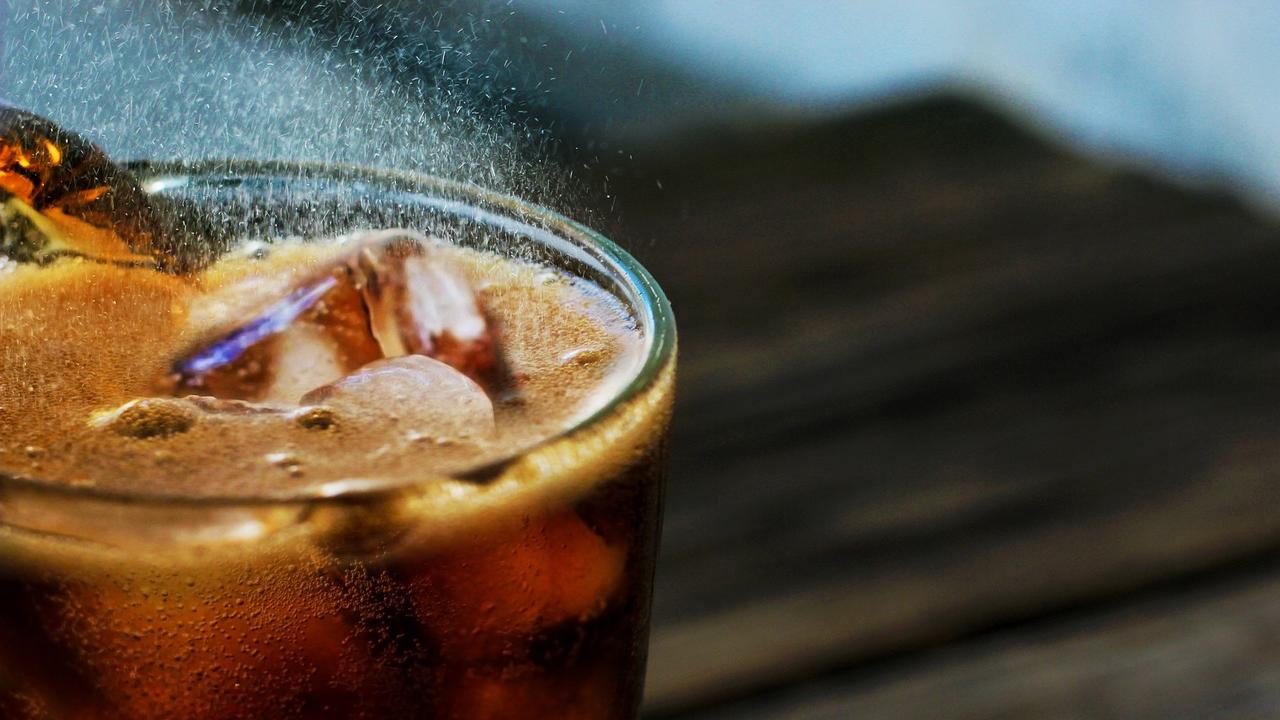
You know that bright orange glow in your favorite citrus soda? That unnaturally vibrant color comes courtesy of brominated vegetable oil, or BVO – and yes, it contains the same bromine found in flame retardants for furniture and electronics. I’ve watched friends reach for these drinks without realizing they’re sipping something that keeps couches from catching fire. The European Union, Japan, and India said “absolutely not” to this ingredient years ago, but here in America, we’re still finding it in popular sports drinks and citrus-flavored sodas.
BVO works by weighing down citrus oils so they don’t float to the surface of your drink, creating that uniform color distribution manufacturers love. But your body doesn’t love it – bromine can build up in your tissues over time, potentially affecting your nervous system and thyroid function. Instead of reaching for these artificially brightened beverages, I make my own citrus refreshers at home using fresh lemon, lime, and orange juice mixed with sparkling water. Add a touch of honey and fresh mint, and you get that same refreshing kick without any flame retardant chemicals. Your body deserves drinks that nourish, not ones that contain industrial additives.
Ractopamine Treated Meat
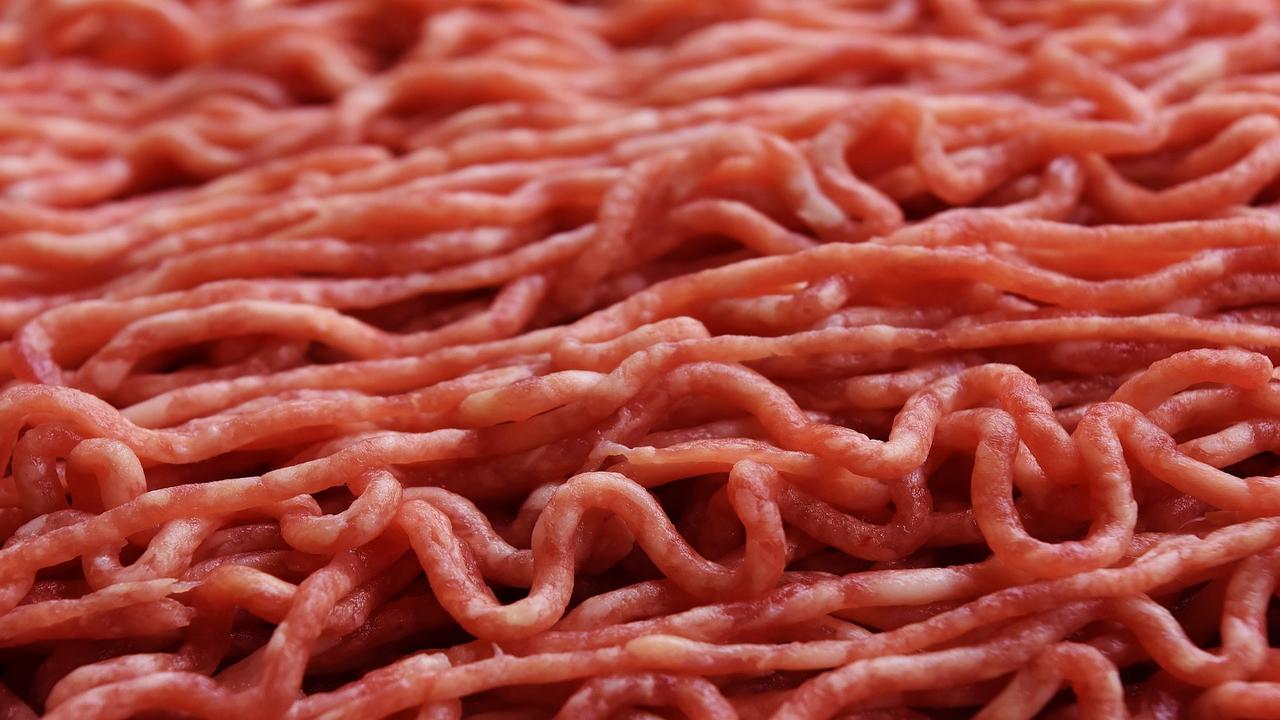
You know how I always tell you to read those ingredient lists? Well, here’s something that might make you want to dig even deeper into where your meat comes from. Ractopamine is a growth-promoting drug that farmers feed to pigs, cattle, and turkeys right before slaughter to increase lean muscle mass and reduce fat. While the FDA considers it safe for American consumers, over 160 countries including China, Russia, and the entire European Union have banned meat from animals treated with this drug. These nations cite concerns about potential health risks and the lack of long-term studies on how ractopamine affects humans who consume the meat.
I’ve been sourcing my meat from local farms for years now, and conversations with these farmers opened my eyes to practices I never knew existed. When you buy directly from farmers who raise their animals naturally, you’re not just getting better flavor—you’re avoiding additives that make other countries nervous enough to ban them entirely. The difference in taste is remarkable too; meat from pasture-raised animals that haven’t been given growth drugs has this rich, complex flavor that you simply can’t get from conventionally raised livestock. Next time you’re at the butcher or farmer’s market, ask about their practices. Your body will thank you for choosing meat that’s raised with care rather than rushed with chemicals.
Farm Raised Salmon
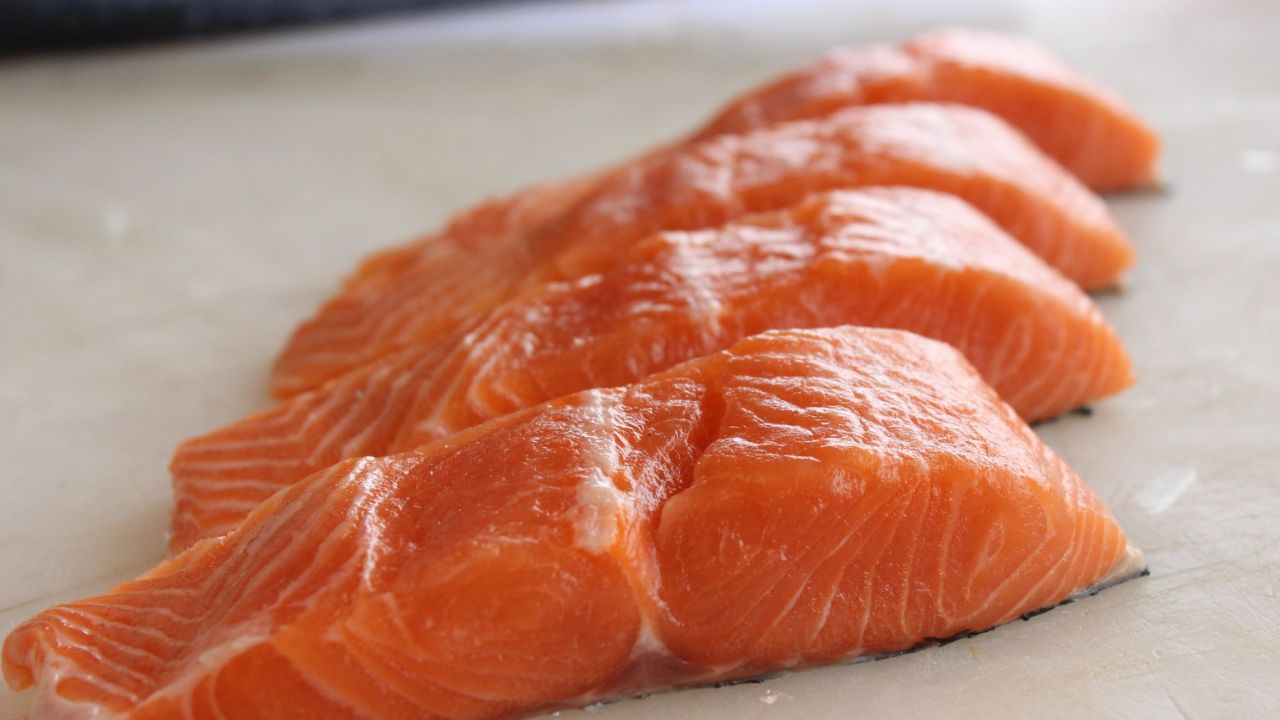
You know how I always tell you to read those labels carefully? Well, here’s something that might shock you – that beautiful pink salmon sitting in your grocery store’s seafood case could be banned in Australia and New Zealand. Farm-raised salmon often gets its rosy color from synthetic astaxanthin, a chemical dye that these countries have decided doesn’t belong on dinner plates. Without this artificial coloring, farmed salmon would actually appear gray and unappetizing. I’ve seen this firsthand when visiting salmon farms during my travels – the natural color is nothing like what we expect salmon to look like.
What really gets me fired up about this is how we’ve normalized eating something that needs artificial enhancement to look “right.” Wild salmon gets its gorgeous pink hue naturally from eating krill and other small creatures rich in natural astaxanthin. When I cook with wild-caught salmon, I can taste the difference immediately – it’s richer, more complex, and doesn’t leave that slightly artificial aftertaste. Sure, wild salmon costs more, but I’d rather eat it less frequently and know I’m getting something pure. Try sourcing from local fishmongers or even frozen wild options – your body will thank you for choosing food that doesn’t need a chemistry set to look appealing.