14 Food Safety Habits Every Home Cook Should Master
Your kitchen might look spotless, but invisible bacteria are throwing their own party on your cutting board right now. Food poisoning sends over 128,000 Americans to hospitals annually – that’s roughly one person every four minutes discovering their homemade potato salad wasn’t quite as innocent as it appeared.
Master these fourteen food safety habits, and you’ll transform from unwitting host of microscopic mayhem into kitchen superhero. Each technique protects your family from nasty surprises while keeping your cooking confidence sky-high. Think of food safety as your culinary insurance policy – boring perhaps, but infinitely better than explaining to guests why everyone’s hugging your toilet.
Ready to banish bacteria and make your kitchen safer than a grandmother’s hug? These proven methods will revolutionize how you handle everything from raw chicken to leftover pizza, turning potential disasters into delicious victories every single time.
Food Allergen Management
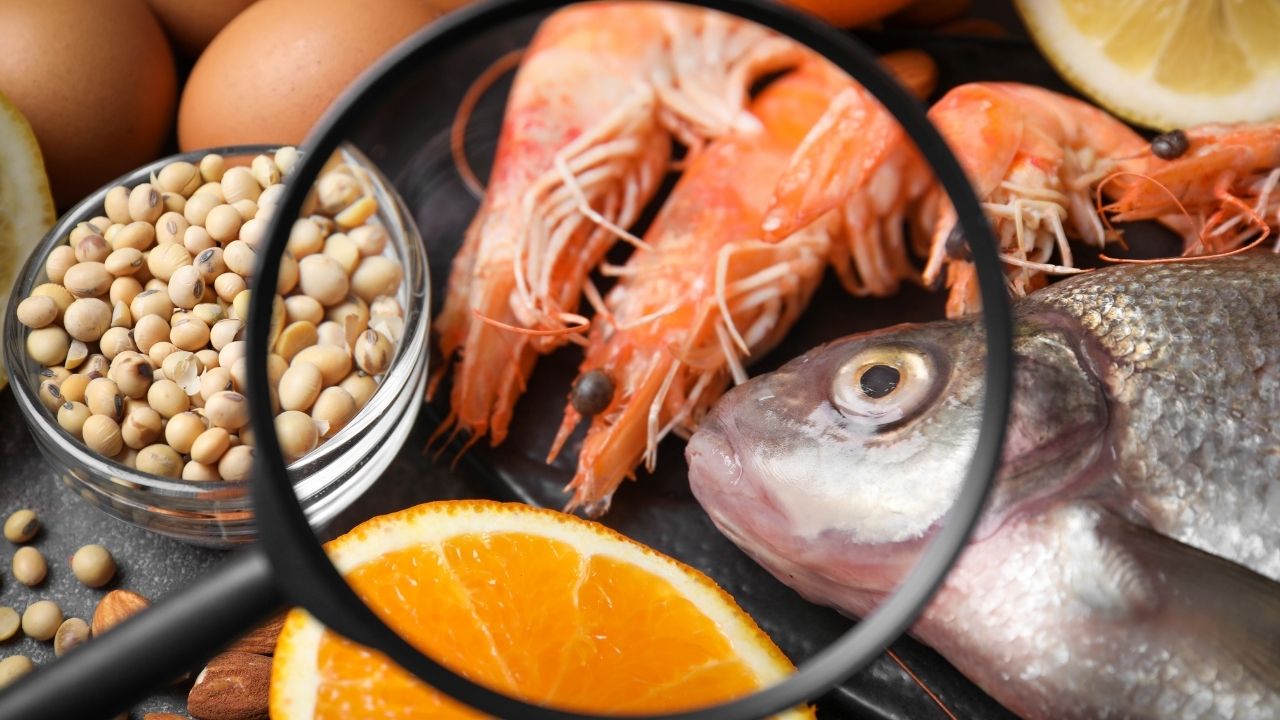
Picture this: you’re hosting dinner for your friend Sarah who’s allergic to nuts, and halfway through prep, you realize you just chopped almonds with the same knife you’re about to use for her salad. Cue the panic sweats! Food allergen management isn’t just about reading labels (though that’s huge) – it’s about creating an invisible force field around allergens in your kitchen. Cross-contamination happens faster than you can say “EpiPen,” and even microscopic amounts of allergens can trigger serious reactions. I learned this the hard way after accidentally sending my neighbor into anaphylactic shock with a “nut-free” cookie that had been made on the same baking sheet I’d used for pecan bars earlier.
Your kitchen needs designated allergen-free zones, separate cutting boards, and cleaning protocols that would make a surgeon proud. Keep allergen-containing foods in clearly labeled containers (trust me, that unmarked Tupperware will bite you later), and always wash your hands, utensils, and surfaces with hot soapy water between handling different ingredients. Fun fact: peanut residue can linger on surfaces for months, and even steam from cooking shellfish can trigger reactions in sensitive individuals. Create a mental map of your kitchen’s allergen hotspots, and treat them like radioactive zones – because to someone with severe allergies, they basically are!
Personal Hygiene While Cooking

Your hands are basically tiny germ airports, and trust me, you don’t want those microscopic passengers boarding your dinner flight! I once watched a friend casually wipe her nose mid-chop and continue dicing onions without missing a beat – needless to say, I suddenly wasn’t hungry for her famous French onion soup anymore. Washing your hands isn’t just a suggestion your mom drilled into you; it’s your first line of defense against turning your kitchen into a bacterial battlefield. Scrub those digits for at least 20 seconds with warm, soapy water before you even think about touching food, and repeat this ritual every time you handle raw meat, touch your face, or take a bathroom break.
Here’s a fun fact that’ll make you rethink your cooking attire: your clothes can harbor more bacteria than a subway turnstile! That adorable apron isn’t just for Instagram photos – it’s your edible armor against cross-contamination. Keep your hair tied back (nobody wants a surprise strand of DNA in their pasta), and if you’re the type who gestures wildly while cooking like an Italian grandmother, make sure those fingernails are trimmed short and scrubbed clean. I learned this lesson the hard way when I discovered a mysterious black speck in my homemade bread that turned out to be… well, let’s just say my manicure needed work. Clean hands, clean clothes, and clean workspace equal clean conscience when serving your masterpiece!
Kitchen Tool Sanitization
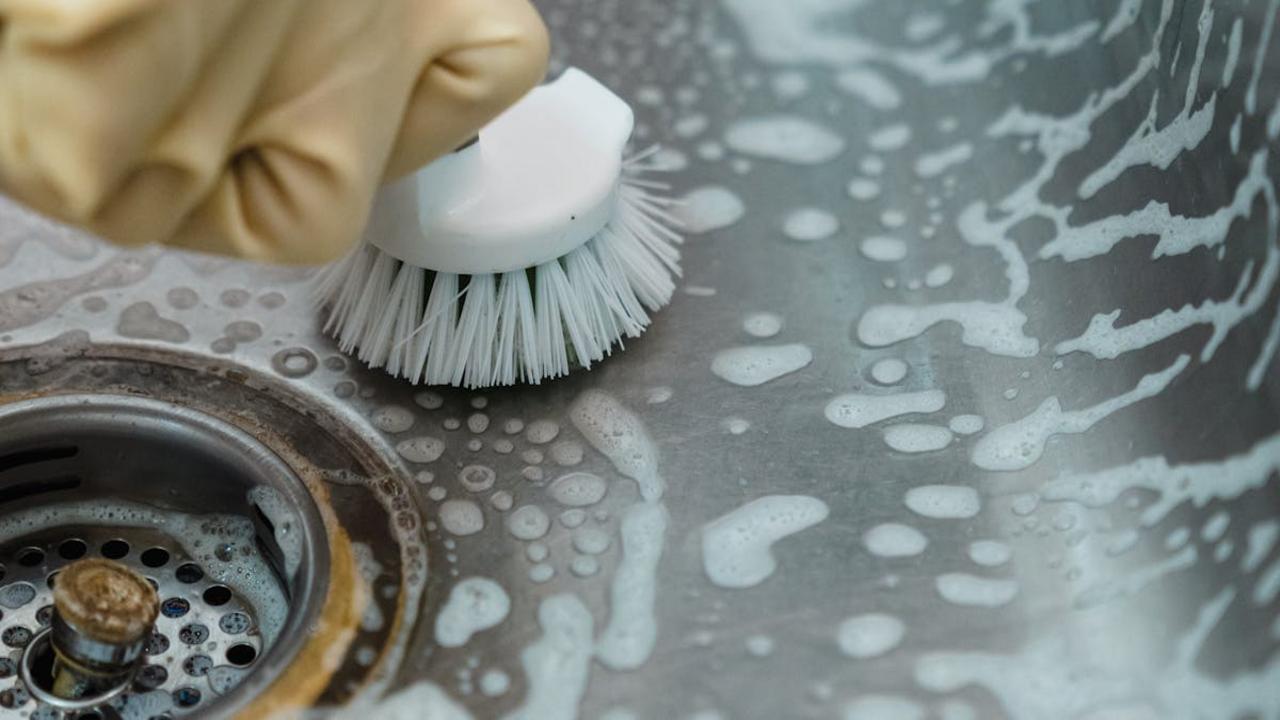
Your cutting board just went from chopping onions to slicing strawberries, and now you’re wondering if those berries will taste like tears of regret? Welcome to the wild world of cross-contamination, where your kitchen tools play musical chairs with bacteria! That innocent-looking wooden spoon might look clean, but it’s probably hosting a microscopic dance party you definitely didn’t invite. The solution? Sanitize those bad boys like your dinner party reputation depends on it—because honestly, it does.
Here’s your sanitization game plan: wash everything with hot, soapy water first (think of it as the opening act), then hit them with a sanitizing solution of one tablespoon bleach per gallon of water. Let those tools soak for at least 30 seconds—enough time to mentally rehearse your acceptance speech for “Home Cook of the Year.” Fun fact: ancient Romans used to sanitize their cooking tools with wine, which honestly sounds way more fun than bleach, but modern food scientists frown upon this delicious method. For wooden cutting boards, scrub them with coarse salt and half a lemon, then rinse and air dry—your kitchen will smell like a citrus grove, and your tools will be squeaky clean!
Safe Leftover Storage
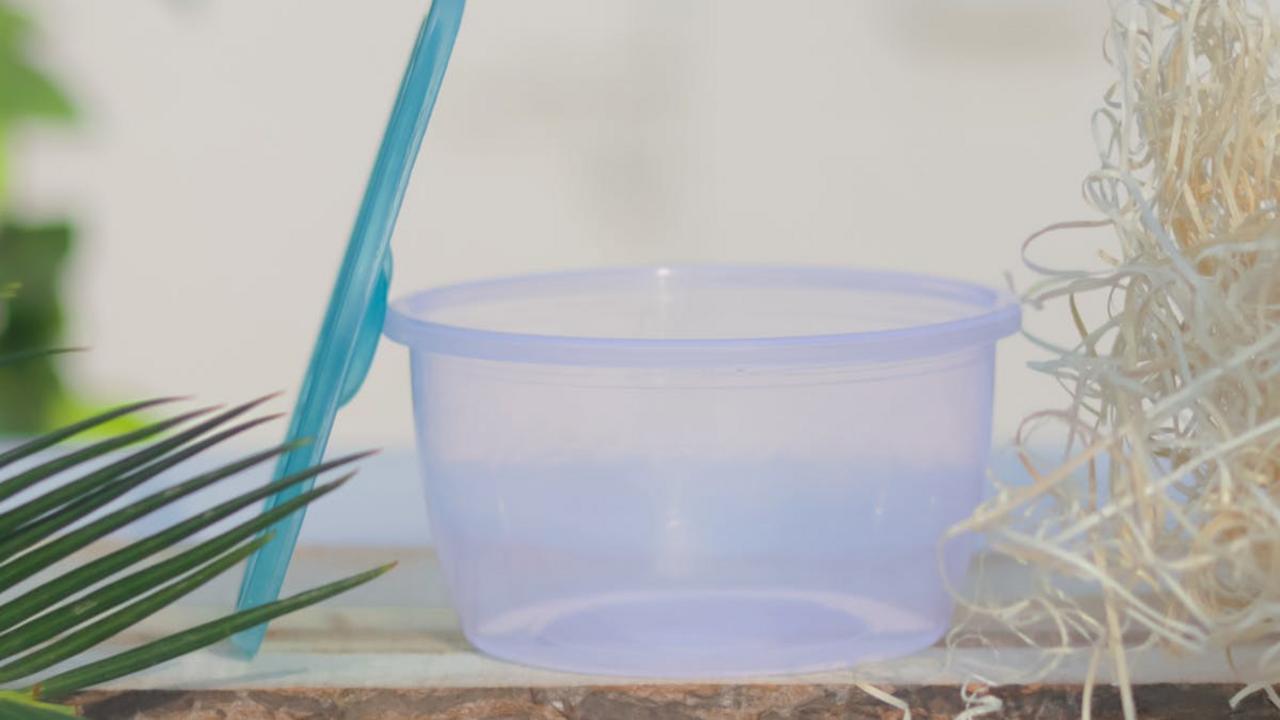
Your leftover lasagna doesn’t need to become a science experiment growing fuzzy green sweaters in the back of your fridge! The golden rule of leftover storage is the “two-hour window” – get those beautiful leftovers into the refrigerator within two hours of cooking (or one hour if your kitchen feels like a sauna above 90°F). Your grandmother might have left her pot roast on the counter overnight and lived to tell the tale, but bacteria multiply faster than gossip at a family reunion once food hits the danger zone between 40°F and 140°F. Fun fact: bacteria can double their population every 20 minutes in this temperature sweet spot, which means your innocent meatloaf can become a bacterial metropolis faster than you can say “food poisoning.”
Storage containers become your leftover’s best friends, so invest in good ones with tight-fitting lids that actually seal (unlike that warped Tupperware from 1987 that refuses to cooperate). Divide large portions into smaller, shallow containers – this helps food cool down faster and prevents that annoying phenomenon where your soup is freezing cold on top but mysteriously volcanic hot in the center. Label everything with dates because that mysterious container of brown stuff could be last week’s chili or last month’s chocolate pudding gone wrong. Most leftovers stay fresh for 3-4 days in the fridge, though some items like seafood prefer a shorter vacation of just 1-2 days before they start plotting their revenge on your digestive system.
Cooking Temperature Guidelines
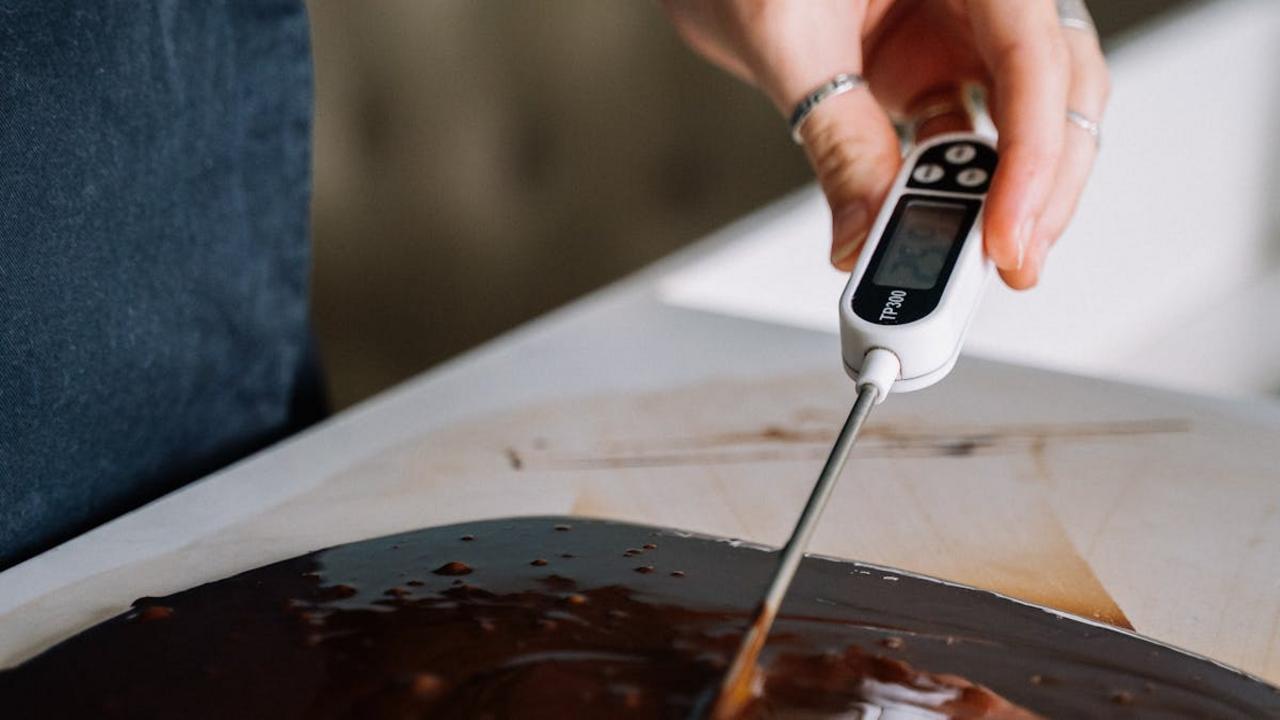
Here’s the thing about cooking temperatures – they’re like that friend who always tells you exactly what you need to hear, even when you don’t want to listen. Your chicken doesn’t care if you’re running late for dinner; it still needs to hit 165°F internally or you’ll be having a very different kind of party later. I learned this the hard way during my college years when I thought “pink chicken” was just another trendy food aesthetic. Spoiler alert: it’s not, and my digestive system filed a formal complaint that lasted three days. The USDA didn’t create these temperature guidelines to ruin your spontaneous cooking vibes – they did it because bacteria like salmonella throw the worst kind of surprise parties in undercooked meat.
Ground meats need 160°F (except for poultry, which still demands its royal 165°F treatment), while whole cuts of beef, pork, and lamb can party safely at 145°F with a three-minute rest period. Fish gets the same 145°F love, and here’s a fun fact: properly cooked fish should flake easily with a fork and look opaque throughout – no mysterious translucent bits lurking in the middle. Investing in a reliable meat thermometer will change your cooking game forever, and I’m not being dramatic here. Those little pop-up timers in turkeys? They’re about as reliable as weather forecasts three weeks out. Stick that thermometer into the thickest part of your protein, away from bones and fat, and trust the numbers over your gut instincts – because sometimes your gut can’t tell the difference between “perfectly done” and “food poisoning waiting to happen.”
Fresh Produce Cleaning
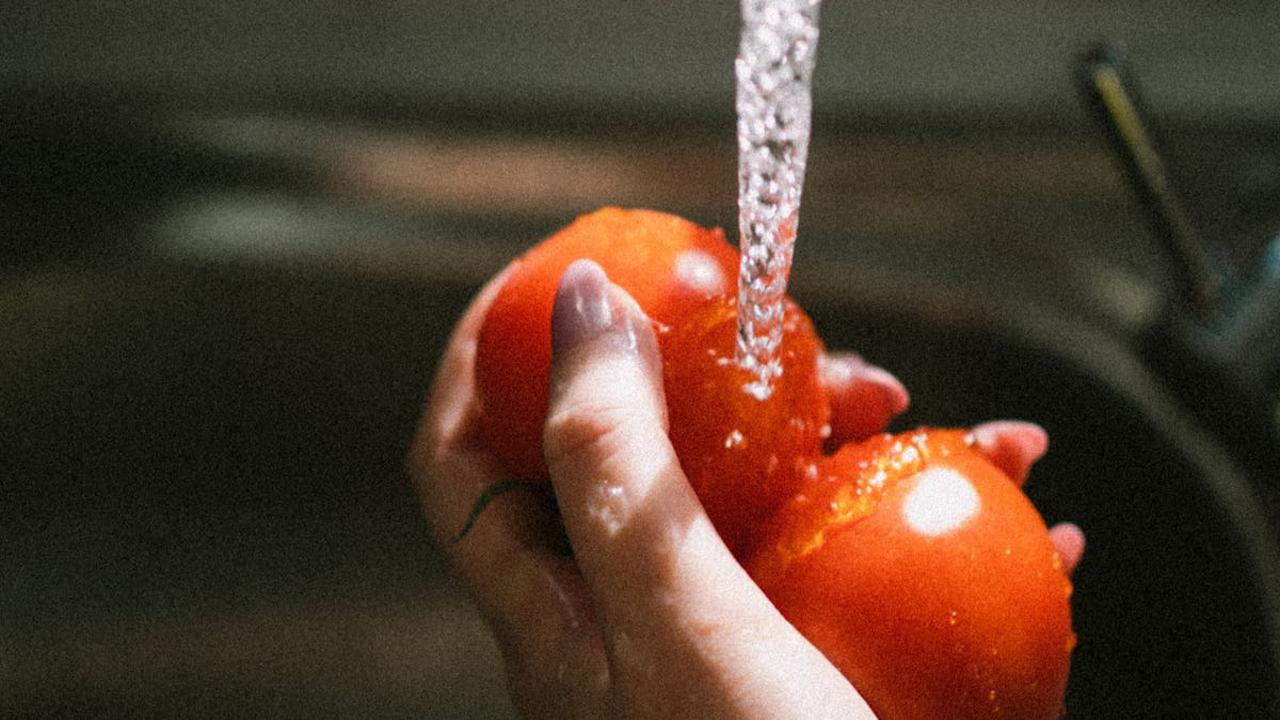
Listen, I get it—you think that apple looks pristine straight from the grocery store display, practically glowing under those fluorescent lights like it’s auditioning for a fruit commercial. But here’s the reality check: that shiny surface has been fondled by approximately 47 other shoppers, rolled around in trucks, and possibly sneezed on by a toddler having a meltdown in aisle three. Even your seemingly innocent bag of pre-washed spinach needs a second rinse because “triple-washed” apparently doesn’t account for the field mouse that might have scampered through the processing facility (yes, this happens more than you’d like to know).
The good news? Cleaning produce doesn’t require a chemistry degree or fancy equipment—just cold running water and a gentle scrub brush for the tough guys like potatoes and carrots. Skip the soap and those expensive produce washes; plain water removes 98% of bacteria, and you don’t want your strawberries tasting like dish detergent. For leafy greens, fill a bowl with cold water, swish them around like you’re giving them a spa day, then pat them dry with paper towels. Pro tip: wash your hands first because you’re not exactly sterile yourself, and clean your produce right before eating—wet vegetables stored in the fridge turn into science experiments faster than you can say “Is this still good?”
Refrigerator Organization
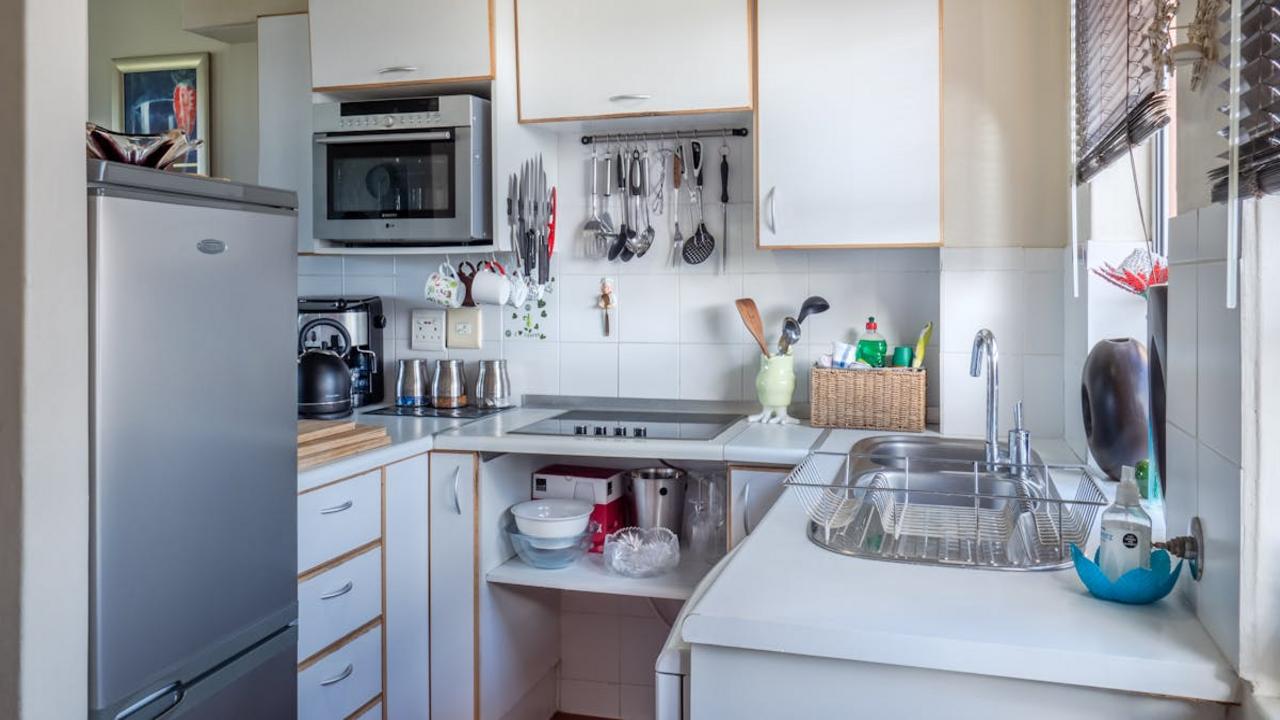
Your refrigerator isn’t just a cold box—it’s a complex ecosystem where temperature zones can make or break your food safety game! Picture this: your fridge has more microclimates than a rainforest, and knowing where each food item thrives will save you from the dreaded “sniff test” disasters. The top shelves stay consistently cool (perfect for leftovers and drinks), while the door endures more temperature swings than a moody teenager—which explains why storing milk there is basically asking for trouble. Those crisper drawers? They’re not just fancy veggie prisons; they control humidity levels that keep your produce from turning into science experiments.
Here’s the real kicker: raw meat belongs on the bottom shelf, not because it’s less important, but because gravity is unforgiving and nobody wants chicken juice raining down on their strawberries like some twisted food safety apocalypse. Keep your dairy products in the main body where temperatures stay steady, and give your eggs the VIP treatment in their original carton (those door compartments are just for show). Fun fact: your grandmother’s habit of covering everything in foil or plastic wrap wasn’t just about being thrifty—proper wrapping prevents cross-contamination and keeps odors from turning your ice cream into garlic-flavored disappointment. Organization isn’t just about looking Pinterest-perfect; it’s about creating a fortress against foodborne illness that would make any health inspector weep tears of joy!
Safe Defrosting Methods

Picture this: you’re staring at that frozen chicken breast like it’s a solid block of meat-shaped ice, and your dinner guests arrive in two hours. Before you even think about dunking it in hot water (please don’t!), let me share the defrosting secrets that’ll save your meal and your stomach. The refrigerator method remains your safest bet – just move that frozen protein to the fridge about 24 hours before you need it. Sure, it requires the planning skills of a military strategist, but your future self will thank you. For faster results, submerge your sealed meat in cold water, changing the water every 30 minutes. This method transforms your frozen treasure into cooking-ready goodness in about 30 minutes per pound.
Here’s where things get interesting: your microwave’s defrost setting actually works wonders, but only if you cook the food immediately afterward. Think of it as the express lane of defrosting – quick but with strings attached. Never, and I mean NEVER, leave meat sitting on your counter to thaw at room temperature. That’s basically throwing a welcome party for bacteria, complete with refreshments and party favors. Room temperature creates the perfect breeding ground for nasty microorganisms that multiply faster than rabbits in springtime. If you’re really in a pinch, you can cook some foods directly from frozen – just add about 50% more cooking time and keep your meat thermometer handy to ensure you hit those safe internal temperatures.
Raw Meat Handling
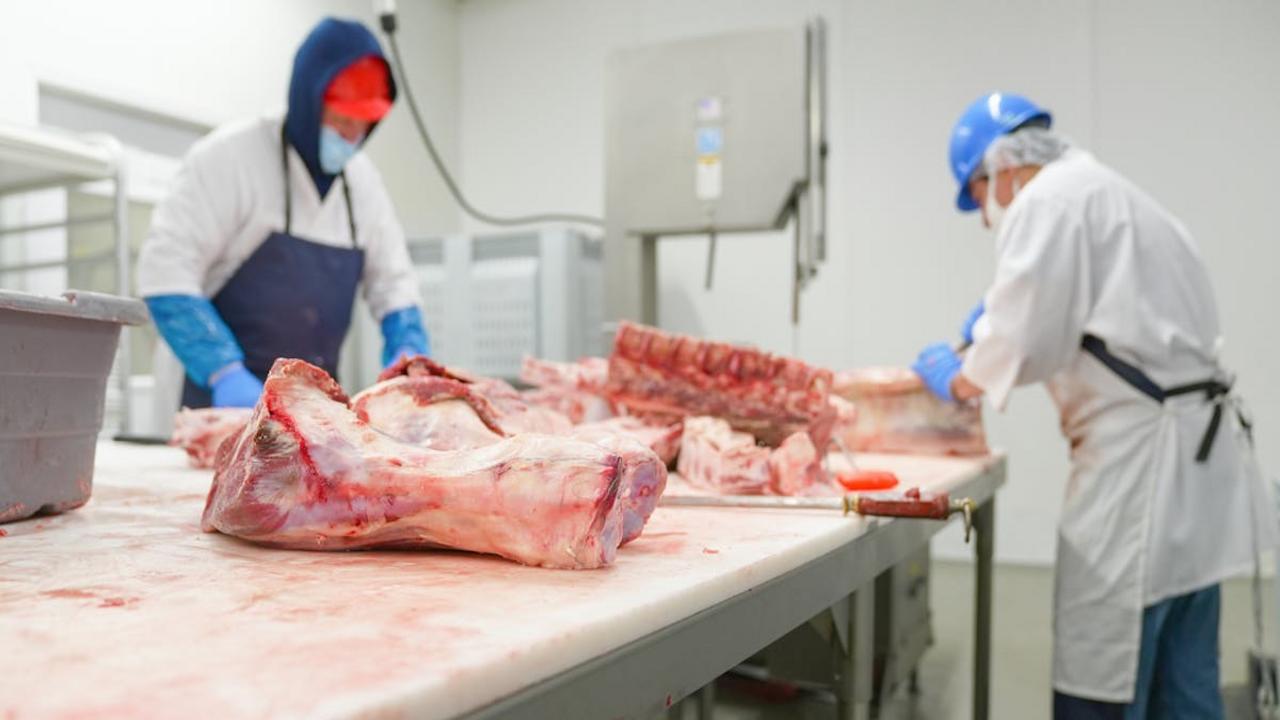
Picture this: you’re channeling your inner chef, ready to create that perfect steak dinner, when suddenly your cutting board looks like a crime scene from CSI: Kitchen Edition. Here’s the thing about raw meat – it’s basically hosting a microscopic party for bacteria like Salmonella and E. coli, and trust me, these uninvited guests don’t bring good vibes to your dinner table. The golden rule? Treat raw meat like that friend who always borrows money but never pays it back – keep your distance and don’t let it touch anything precious. Always use separate cutting boards for meat and vegetables (color-coded ones work great – red for meat, green for veggies), and wash your hands like you just pet a particularly grumpy porcupine.
Here’s a fun fact that’ll make you the hit of your next dinner party: bacteria can double every 20 minutes at room temperature, which means leaving that chicken breast on the counter for two hours basically turns it into a biological warfare experiment. Keep raw meat on the bottom shelf of your fridge so gravity doesn’t turn your lettuce into a casualty, and invest in a good meat thermometer – it’s cheaper than a trip to the emergency room. Pro tip from someone who learned the hard way: marinate meat in the fridge, not on the counter, unless you want to serve your guests a side of food poisoning with their perfectly seasoned protein.
Kitchen Surface Sanitization
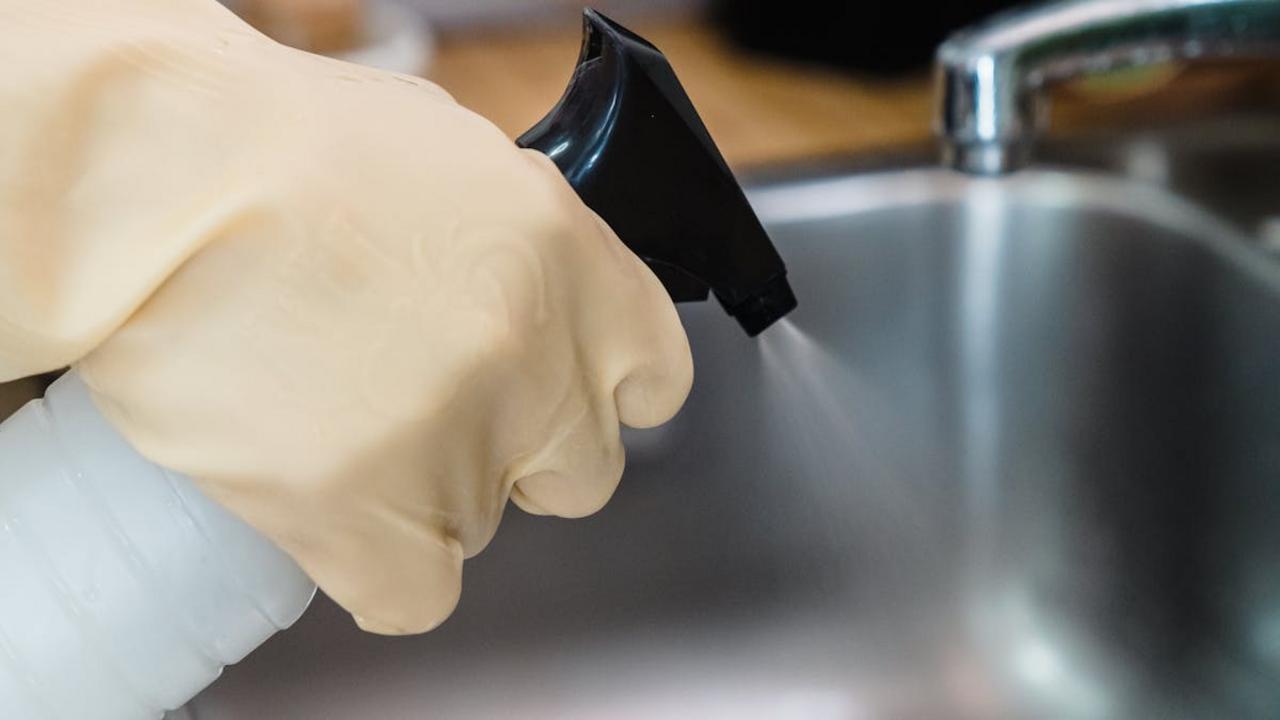
Your kitchen counters have seen more action than a reality TV show – raw chicken drama, vegetable prep chaos, and that unfortunate incident with the exploding marinara sauce. Think of your surfaces as the stage where all your food stories unfold, and just like any good theater, they need a thorough cleaning between acts. I once watched a friend casually chop onions on the same board where she’d just prepped raw fish, and my inner food safety alarm went off louder than a smoke detector at 3 AM. The truth is, bacteria throw parties on dirty surfaces faster than college kids during spring break, multiplying every 20 minutes under the right conditions.
Here’s your sanitization game plan: first, clean with hot soapy water to remove the visible grime and grease (think of this as the opening act), then follow up with a sanitizing solution – either a diluted bleach mixture or a commercial sanitizer that would make germaphobes weep with joy. Don’t forget those sneaky spots like can opener blades, cutting board grooves, and the mysterious sticky patches near your stove that somehow accumulate faster than laundry. Fun fact: studies show that kitchen sponges harbor more bacteria than toilet seats, so either replace them weekly or give them a microwave spa treatment for 60 seconds. Your future self will thank you when you’re not spending quality time with food poisoning instead of your favorite Netflix series.
Food Expiration Dates
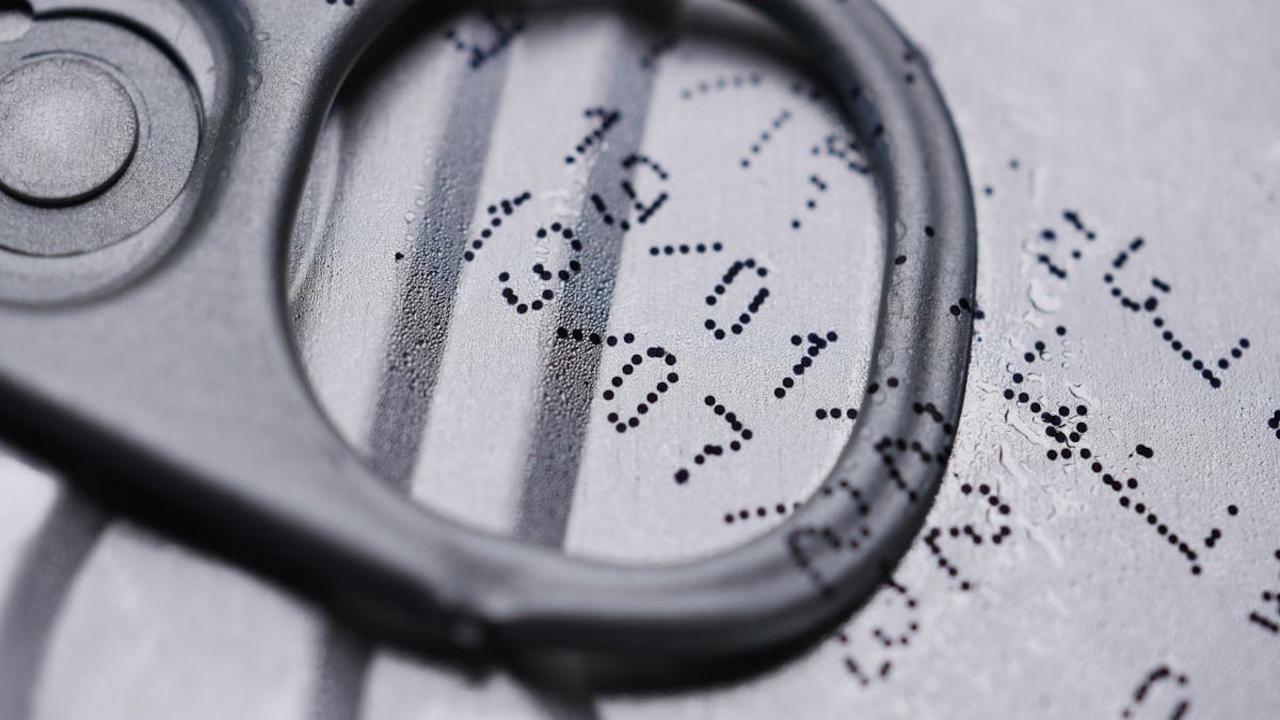
You know that milk carton glaring at you from the fridge with yesterday’s date? Here’s a secret the food industry doesn’t want you broadcasting at dinner parties: most expiration dates are more like gentle suggestions than legal documents. Those “best by” dates rarely indicate safety – they’re usually about peak flavor and quality. Your nose, eyes, and taste buds make far better inspectors than any printed calendar. I once discovered a forgotten block of aged cheddar that was supposedly “expired” three months prior, yet it had transformed into something magnificent that would make a French cheese master weep tears of joy.
The real trick lies in understanding the difference between “sell by,” “use by,” and “best before” dates. “Sell by” dates help stores rotate inventory – you can safely consume most items days or even weeks past this point. Canned goods can outlast their dates by years if stored properly, while eggs remain good for weeks beyond their carton’s proclamation. Fresh produce laughs at expiration dates entirely – trust your senses instead. Give that questionable yogurt a sniff test, check for mold growth, and remember that sour cream is supposed to be sour! Your grandmother survived decades without consulting date stamps, and her instincts kept the family fed and healthy.
Cross Contamination Prevention
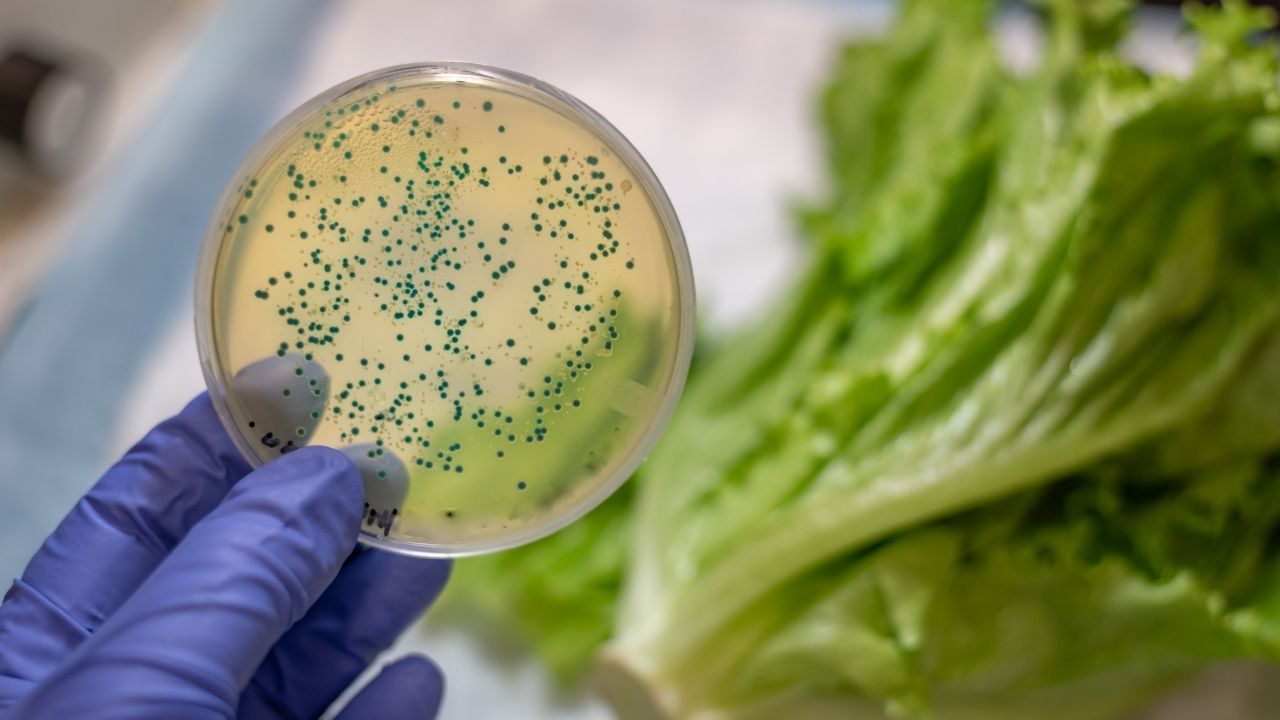
Picture this: you’re making chicken tacos for dinner, and after handling the raw poultry, you grab that same cutting board to chop your fresh cilantro. Congratulations, you just created a bacterial playground that would make E. coli do a happy dance! Cross contamination happens faster than you can say “food poisoning,” and it’s one of those sneaky kitchen villains that loves to crash your dinner party. The science behind it is surprisingly simple – bacteria from raw meat, poultry, seafood, and unwashed produce can hitchhike onto other foods through shared surfaces, utensils, or even your hands.
Here’s your battle plan: think of your kitchen like a crime scene where evidence (bacteria) can’t mix. Keep separate cutting boards for raw meat and everything else – I like to use red for meat and green for vegetables because it’s impossible to mess up. Wash your hands like you’re scrubbing in for surgery every time you switch between ingredients, and never, ever let raw meat juices touch anything you plan to eat without cooking. Fun fact: bacteria can survive on surfaces for hours, so that innocent-looking counter where you placed your raw chicken package needs a good bleach wipe-down. Your future self will thank you when you’re not spending quality time with your toilet at 3 AM!
Safe Food Storage Temperatures
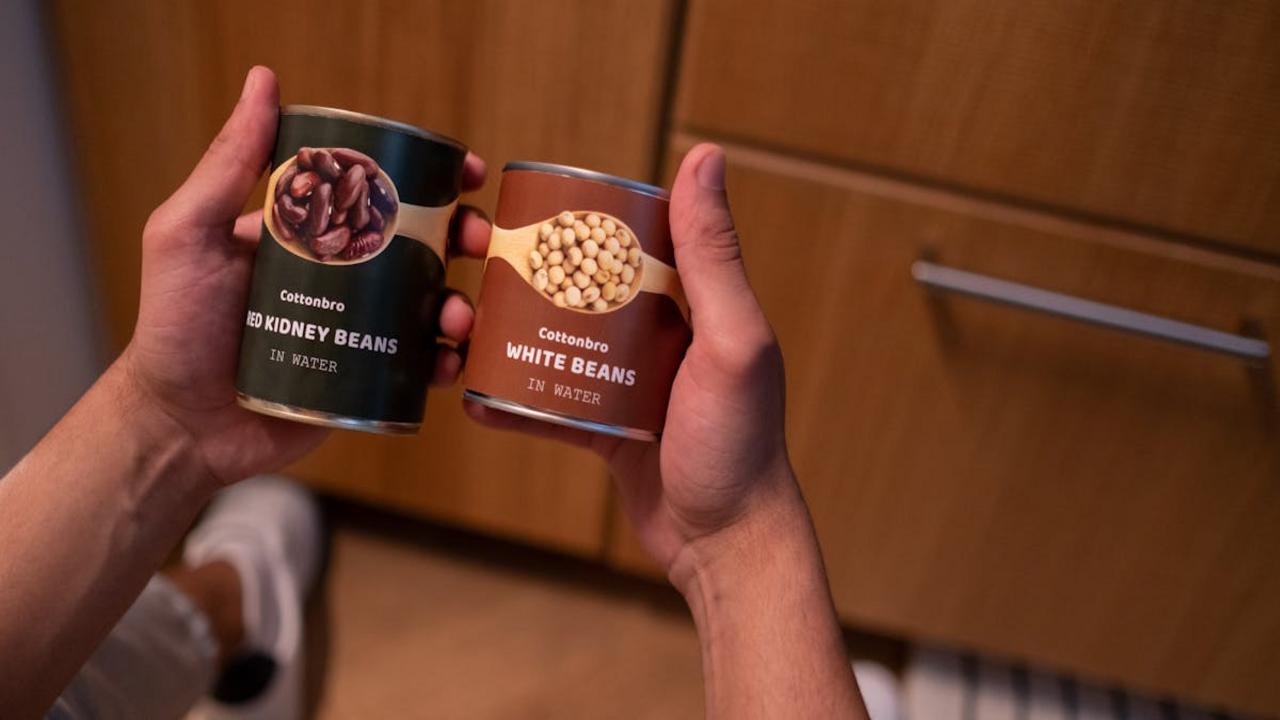
Your refrigerator isn’t just a cold box – it’s your kitchen’s bodyguard, standing between you and some seriously nasty bacteria that would love nothing more than to crash your dinner party. The magic number you need to remember is 40°F (4°C) or below for your fridge, and 0°F (-18°C) for your freezer. Think of these temperatures as the bouncer at an exclusive club, keeping the troublemakers like Salmonella and E. coli out on the street where they belong. I once knew someone who kept their fridge at a balmy 50°F because they thought it saved energy – spoiler alert: they spent way more money on doctor visits than they ever saved on electricity bills!
Here’s something that’ll make you chuckle: bacteria throw their wildest parties between 40°F and 140°F, which food safety nerds call the “danger zone” (cue dramatic music). In this temperature range, those microscopic party animals can double their population every 20 minutes – faster than rabbits on espresso! Your leftovers sitting on the counter for three hours? They’ve basically become a bacterial nightclub. Get yourself a good refrigerator thermometer (yes, they make those, and yes, you need one) because your fridge’s built-in display lies more than a politician during election season. Store your raw meats on the bottom shelf so their juices don’t take a scenic drip down onto your salad greens – nobody wants beef au jus on their lettuce!
Proper Hand Washing
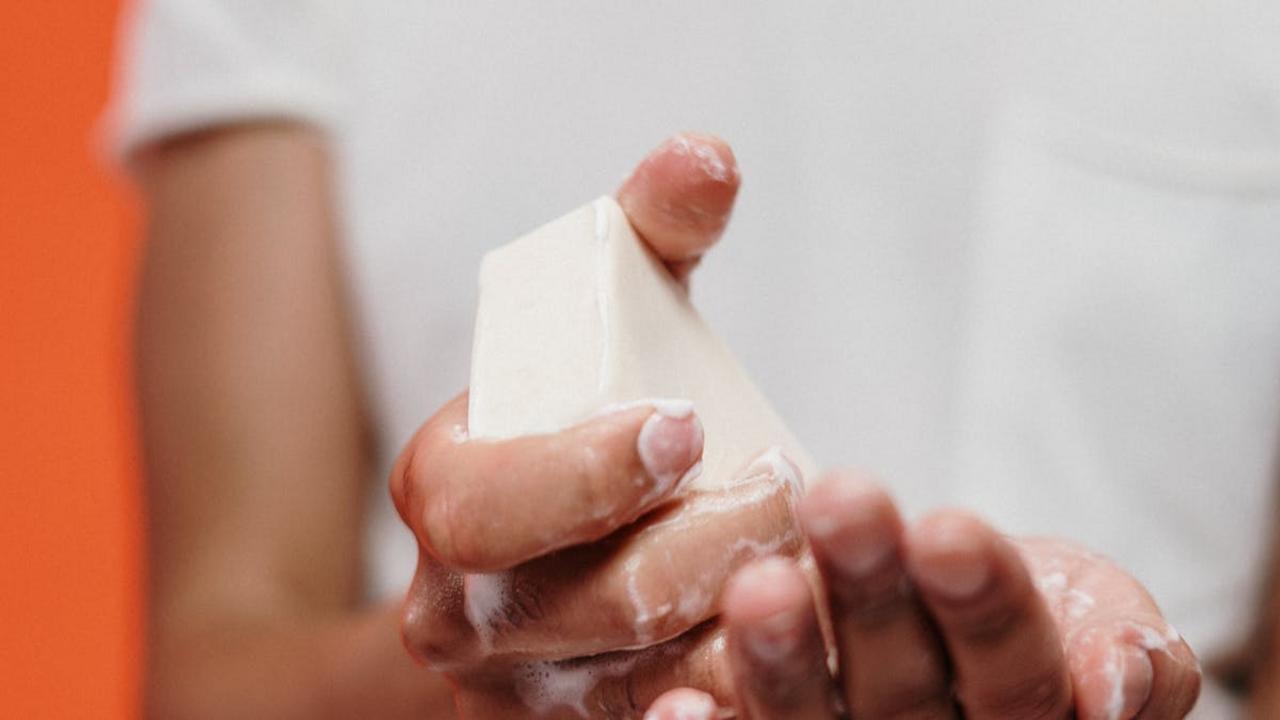
You know that friend who claims they can cook a five-course meal but somehow always ends up giving everyone food poisoning? Yeah, they probably skip this step. Washing your hands isn’t just about rinsing off the Cheetos dust from your last snack attack – it’s about creating a clean slate for your cooking adventures. The magic happens when you scrub for a full 20 seconds (sing “Happy Birthday” twice, or if you’re feeling fancy, belt out the chorus to your favorite power ballad). Hot water, soap, and some serious friction between your fingers, under your nails, and around your wrists will send those pesky bacteria packing faster than you can say “salmonella surprise.”
Here’s something that’ll blow your mind: your hands carry more germs than a subway pole during rush hour, with over 1,500 bacteria per square centimeter living rent-free on your skin. Every time you touch your phone, pet your dog, or scratch that itch, you’re collecting microscopic hitchhikers ready to crash your dinner party. Smart cooks wash their hands before cooking, after handling raw meat, after touching their face (we all do it, don’t lie), and basically whenever they transition between tasks. Think of hand washing as the opening act to your cooking show – boring maybe, but absolutely necessary if you want your audience (aka your family) to stick around for the main event instead of spending the evening hugging the porcelain throne.