14 Iconic American Dishes That Actually Came From Abroad
Picture this: you’re at a Fourth of July barbecue, chomping down on a hot dog while apple pie cools on the windowsill. That hamburger sizzling on the grill? The pretzel you grabbed from a street cart? Even those buffalo wings you demolished during the game? Plot twist—none of them started life on American soil.
Your favorite “American” foods have been living double lives, carrying passports from Germany, Italy, China, and beyond. These dishes snuck across borders, reinvented themselves, and somehow convinced us they were born in the USA. It’s like food identity theft, but way more delicious.
From General Tso’s chicken (which would probably confuse the actual General Tso) to fortune cookies that fortune tellers in China have never seen, American cuisine is basically the world’s greatest remix album. We took everyone else’s hits and made them our own—with extra cheese, bigger portions, and zero shame about it.
Buffalo Wings
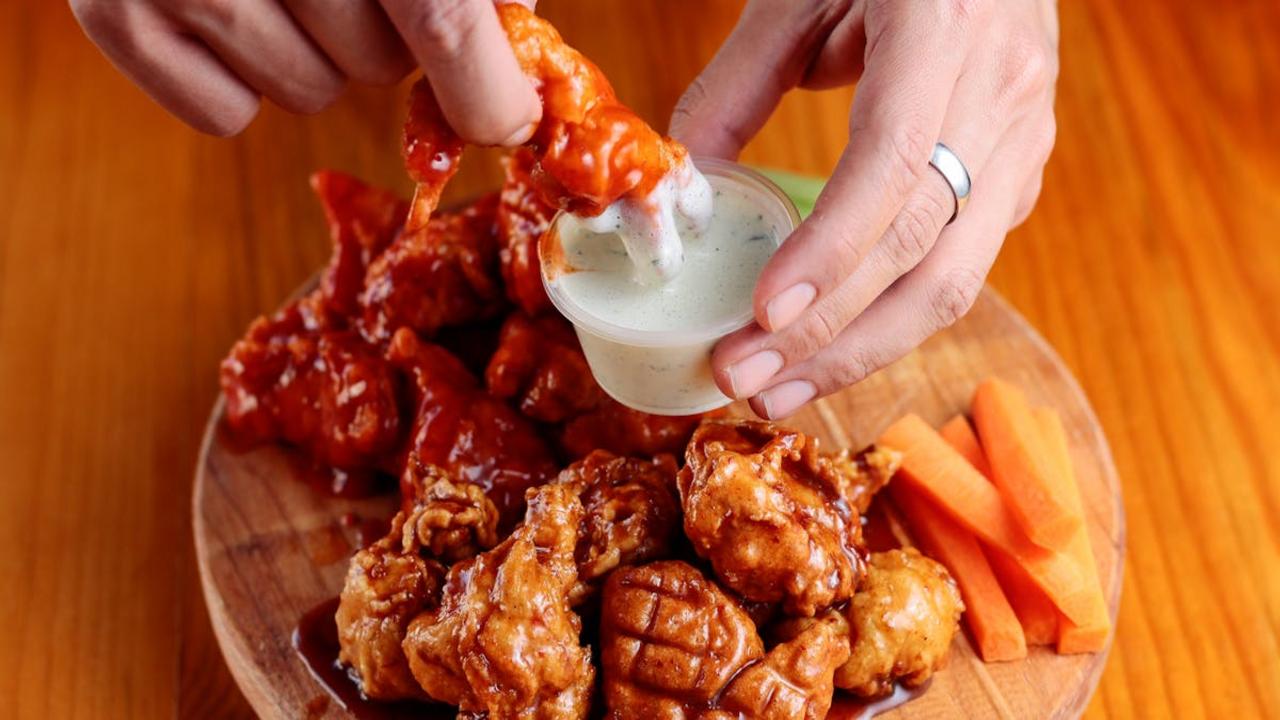
You know that sticky, saucy masterpiece that graces every sports bar in America? Well, plot twist – buffalo wings aren’t actually an ancient American tradition passed down through generations of patriots. These finger-licking beauties were born in 1964 at the Anchor Bar in Buffalo, New York, when Teressa Bellissimo had to whip up a late-night snack for her son and his friends. Here’s where it gets interesting though: the technique of tossing chicken wings in hot sauce and butter? That’s straight from the Caribbean playbook, baby! West Indian cooks had been doing this dance with scotch bonnet peppers and similar preparations for centuries before Teressa ever touched a wing.
The genius wasn’t in the invention – it was in the adaptation. Teressa took that Caribbean wisdom and gave it an American makeover with Frank’s RedHot sauce and a side of blue cheese dressing that would make ranch lovers weep. What started as a quick fix for hungry college kids turned into a billion-dollar industry that spawned everything from boneless “wings” (which, let’s be honest, are just fancy chicken nuggets) to wing-eating contests that separate the brave from the merely hungry. The irony? Buffalo doesn’t even have buffalo – the city got its name from a creek, and now it’s forever linked to chicken parts covered in molten orange goodness.
German Chocolate Cake
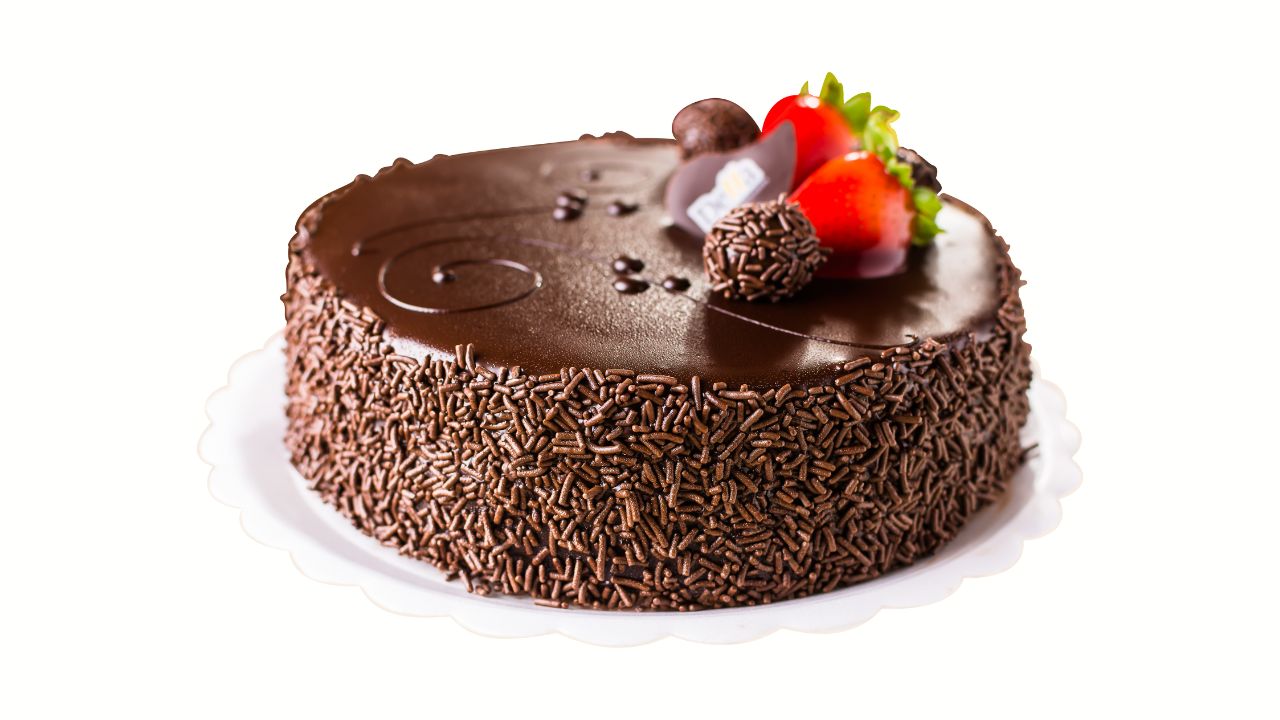
Here’s a plot twist that’ll make you question everything you thought you knew about American desserts: German Chocolate Cake isn’t German at all! This decadent beauty with its signature coconut-pecan frosting was actually born right here in the good ol’ USA. The confusion comes from a guy named Samuel German who developed a type of dark baking chocolate for Baker’s Chocolate Company back in 1852. When a Texas homemaker named Mrs. George Clay used “German’s Sweet Chocolate” in her cake recipe and sent it to a Dallas newspaper in 1957, the cake became an overnight sensation. The original recipe called it “German’s Chocolate Cake,” but somewhere along the way, that pesky apostrophe and ‘s’ got dropped, leaving everyone thinking it came from Deutschland.
What makes this cake absolutely irresistible isn’t just the rich chocolate layers—it’s that gooey, sticky coconut-pecan frosting that gets slathered between each layer and on top. Picture this: sweetened condensed milk bubbling away with butter, egg yolks, vanilla, shredded coconut, and chopped pecans until it becomes this glossy, caramel-colored heaven. The contrast between the moist chocolate cake and that textured, almost candy-like frosting creates pure magic in your mouth. Fun fact: Baker’s Chocolate Company saw their sales of German’s Sweet Chocolate increase by 73% after that recipe hit the newspapers! Today, you’ll find this “German” imposter gracing tables at church potlucks, birthday parties, and diners across America, proving that sometimes the best cultural mix-ups happen in the kitchen.
Bagels
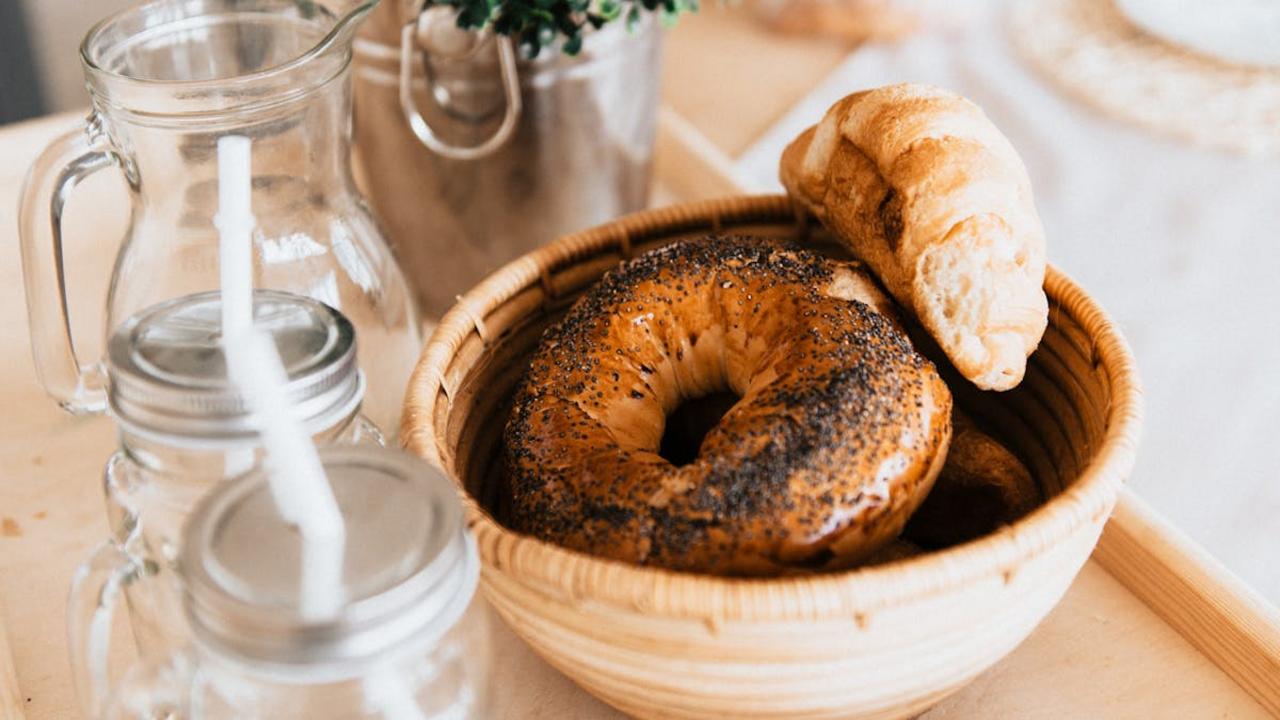
You know that perfect Sunday morning when you bite into a fresh everything bagel slathered with cream cheese? Well, plot twist – that quintessentially New York moment actually started in 17th-century Poland! Jewish bakers in Kraków were already perfecting these ring-shaped beauties, originally called “bajgiel,” long before they made their Atlantic crossing. The story goes that a Polish baker created the first bagel in 1683 to honor King Jan Sobieski’s victory over the Turks, shaping the dough like a stirrup (or “beugel” in German) to celebrate the king’s horseback heroics.
Fast-forward to the late 1800s, and Eastern European immigrants brought their bagel-making secrets to New York’s Lower East Side, where these chewy circles of joy found their true calling. Here’s where it gets wild – for decades, bagel-making was so secretive that only members of the Bagel Bakers Local 338 union could legally make them in New York! They guarded their techniques like state secrets until the 1960s when automated bagel machines finally broke their monopoly. Today, Americans munch through about 3 billion bagels annually, turning this Polish import into a $4.5 billion industry. Who knew that a simple circle of dough could roll its way to such American stardom?
Macaroni and Cheese
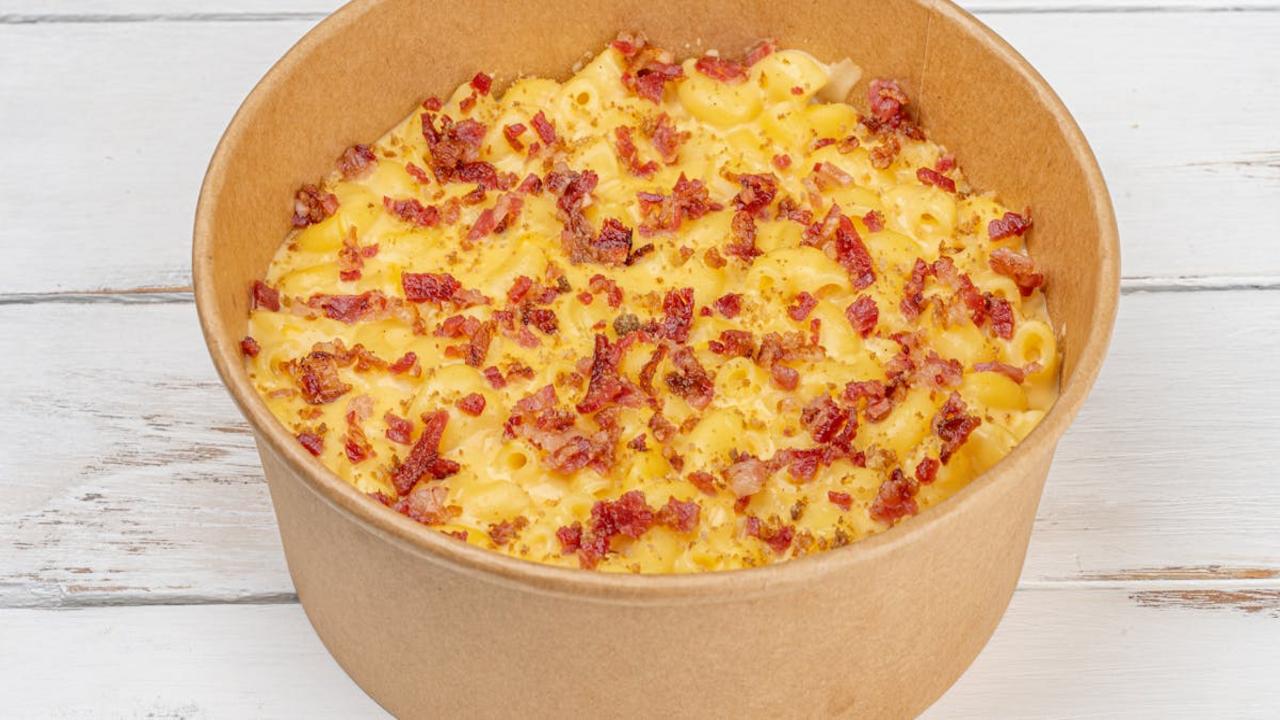
Hold onto your forks, because America’s most beloved comfort food has some serious Italian ancestry! You’d think mac and cheese was born in a midwestern kitchen, but this creamy dream actually traces back to medieval Europe. The dish made its grand American debut thanks to none other than Thomas Jefferson, who became obsessed with a similar pasta creation he encountered during his time as minister to France in the 1780s. Jefferson was so smitten that he imported both a pasta machine and a Parmesan wheel to recreate the magic at Monticello. His enslaved chef, James Hemings, who had trained in French cooking, helped perfect what would become Jefferson’s famous “macaroni pie.”
The transformation from fancy presidential dinner party fare to boxed convenience food is pure American genius. Kraft revolutionized everything in 1937 with their bright orange powder that somehow made millions of kids (and adults) weak in the knees. But here’s the kicker – authentic Italian cacio e pepe, made with just pasta, cheese, and pasta water, probably tastes nothing like the gooey, orange spectacle we’ve created. Today’s American mac and cheese has become its own beast entirely, loaded with everything from lobster to bacon to breadcrumbs. Jefferson would probably faint if he saw what his refined European inspiration became, but honestly? Our ridiculous, over-the-top version might just be better.
French Fries
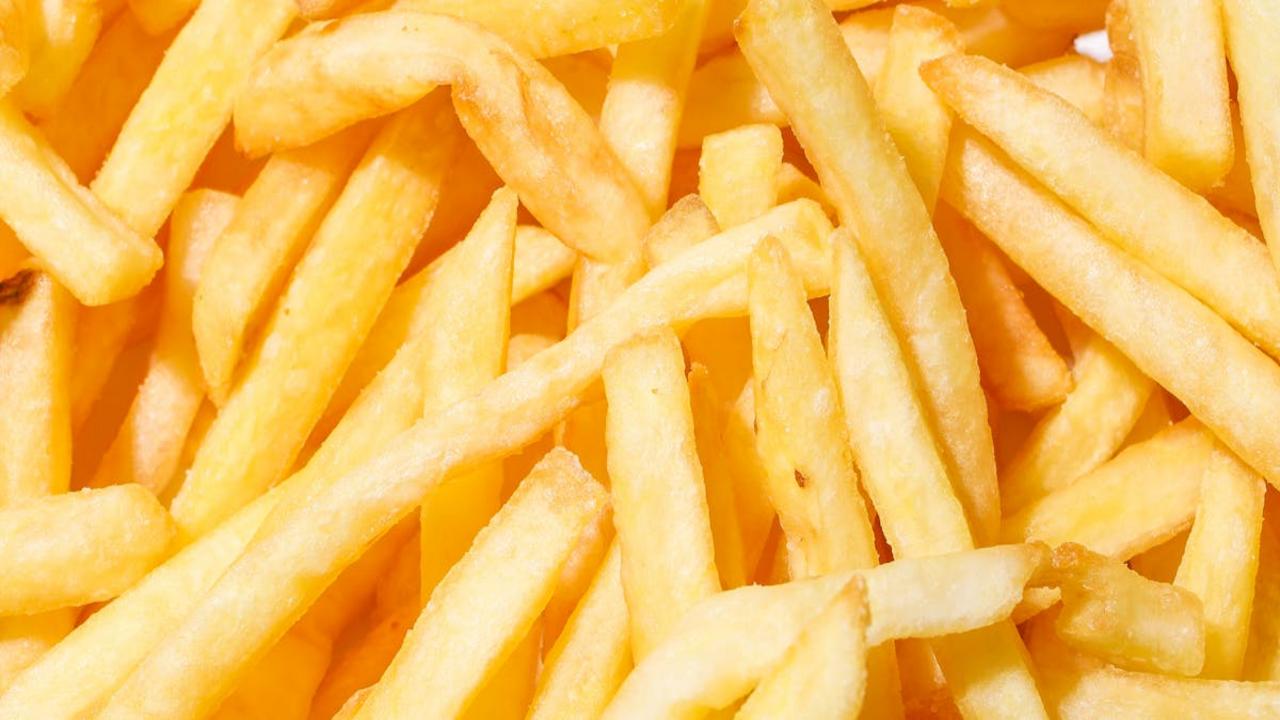
Hold onto your ketchup bottles, because I’m about to shatter one of America’s most beloved food myths! Those golden, crispy strips we call “French fries” didn’t actually originate in France—they’re from Belgium! The Belgians have been perfecting the art of twice-fried potato perfection since the 1600s, long before Americans ever dreamed of drive-throughs. Legend has it that Belgian fishermen used to fry small fish, but during harsh winters when rivers froze over, they switched to frying potato strips cut in the same shape. When American soldiers stationed in Belgium during World War I tasted these magnificent potato sticks, they called them “French” fries because French was the official language of the Belgian army.
The real tragedy here isn’t just the naming confusion—it’s that we’ve been doing fries all wrong! Belgians take their frites seriously, serving them in paper cones with an impressive array of mayo-based sauces that make ketchup look amateur. They use specific potato varieties, cut them thick, and fry them twice for that perfect contrast between crispy exterior and fluffy interior. Next time you’re munching on McDonald’s fries (which, fun fact, contain beef flavoring and aren’t even vegetarian), remember you’re eating Belgium’s greatest gift to the world, just with a serious case of mistaken identity!
Pizza
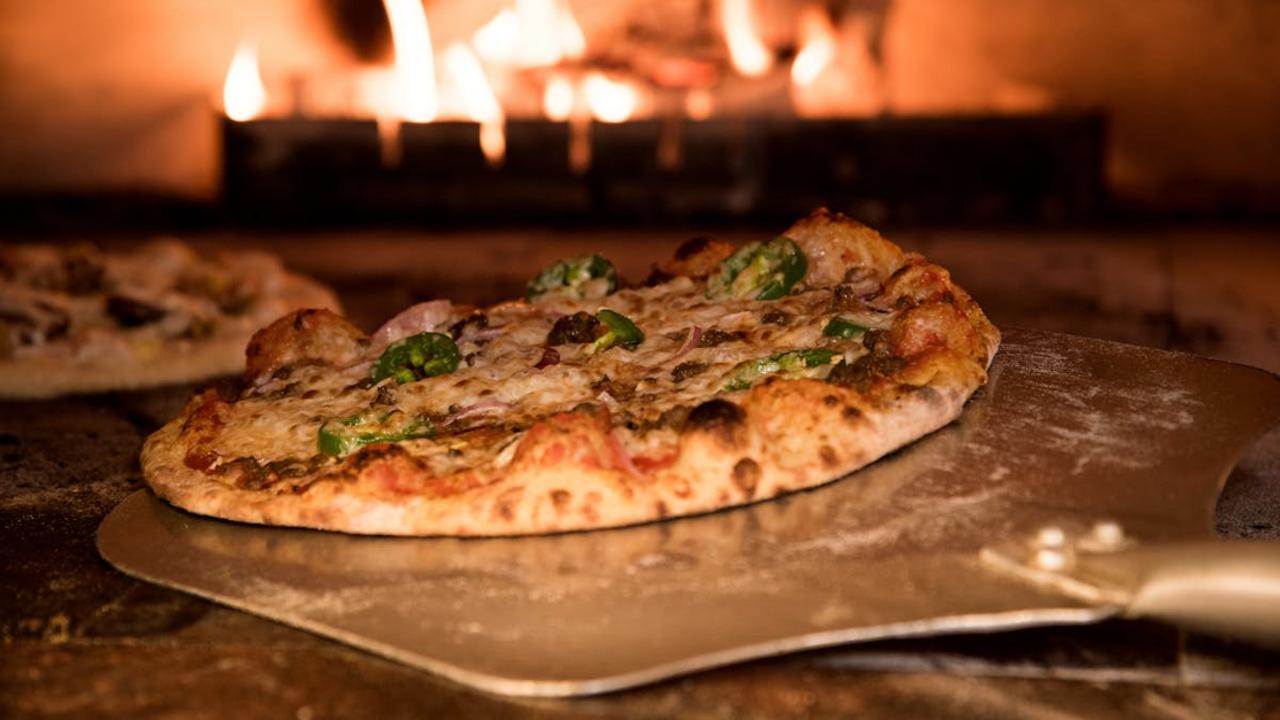
Listen, I know what you’re thinking – pizza is about as Italian as my nonna’s meatballs, right? Well, plot twist! While Italy gave us the gorgeous foundation, American pizza took that humble flatbread and transformed it into something completely different. Those early Italian immigrants brought their focaccia-style breads topped with tomatoes, but it was New York pizzaiolos who said “hold my marinara” and created the foldable, cheese-heavy slices we know today. The real kicker? Naples pizza traditionalists were so horrified by our thick crusts and mountains of mozzarella that they actually tried to get “authentic” pizza legally protected!
Chicago took this rebellion even further, basically flipping pizza upside down and creating a cheese-filled casserole that Italians probably cry about in their sleep. But here’s the beautiful truth – American pizza became its own magnificent beast. We stuffed crusts with cheese, invented Hawaiian pizza (sorry, Italy!), and created deep dish masterpieces that require structural engineering degrees to consume. Today, you can walk into any American pizzeria and order combinations that would make a traditional Italian chef faint – ranch dressing as a sauce, anyone? Yet somehow, this foreign-born dish became so fundamentally American that we consume 3 billion pizzas annually and consider it a vegetable in school lunches.
Peanut Butter
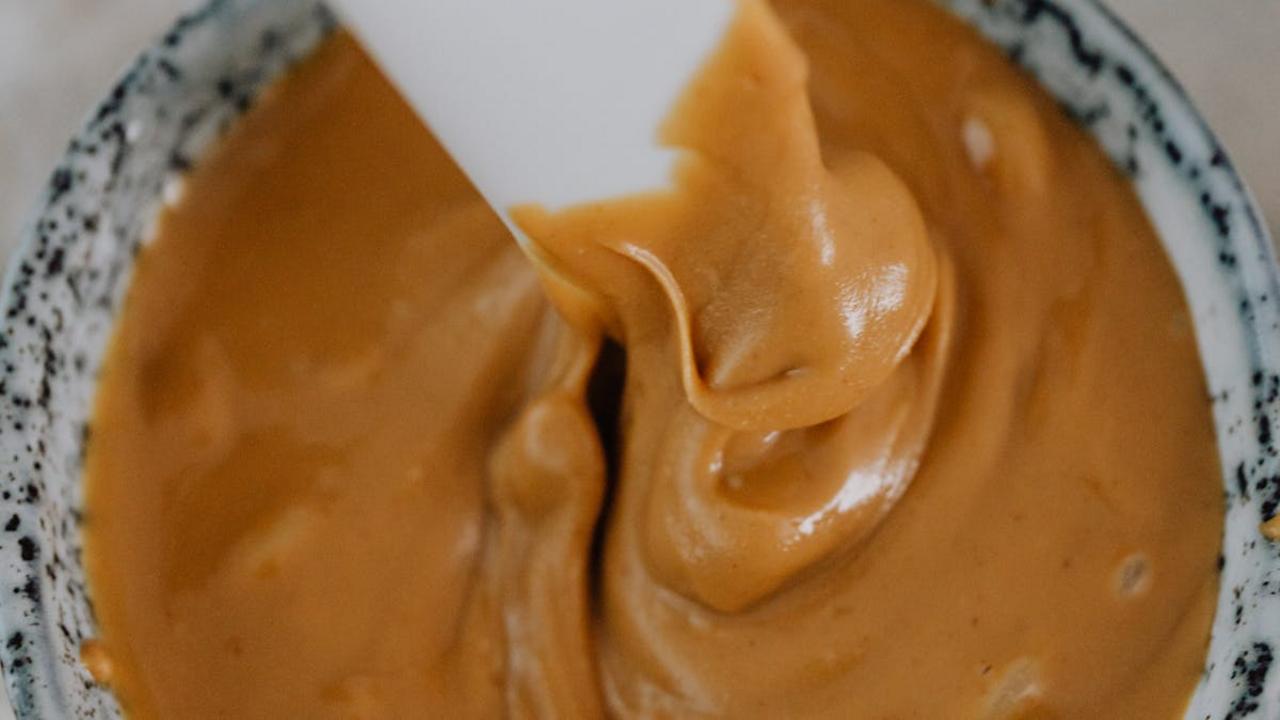
Hold onto your jelly jars, because I’m about to blow your mind! That creamy, sticky, absolutely divine spread sitting in your pantry right now? Yeah, peanut butter didn’t start its life in America. The Aztecs and Incas were grinding up peanuts into paste centuries before we even knew this continent existed. They mixed their ground peanuts with cocoa and honey, creating what was basically the world’s first energy bar in spreadable form. Talk about being ahead of their time! These ancient civilizations knew something good when they tasted it, and honestly, I’m a little jealous I wasn’t around to try their original version.
Now, before you start questioning everything you know about American food, let me set the record straight – we definitely perfected the art of peanut butter manufacturing. Dr. John Harvey Kellogg (yes, the cereal guy) patented a process for creating peanut butter in 1895, though his version was more like peanut paste and probably would have disappointed your inner child. The real magic happened when someone figured out how to make it smooth and spreadable without separating into oil and sad, dry crumbs. Today, the average American consumes about six pounds of peanut butter per year, which means we’re basically swimming in the stuff – and I’m not complaining one bit!
Pretzels
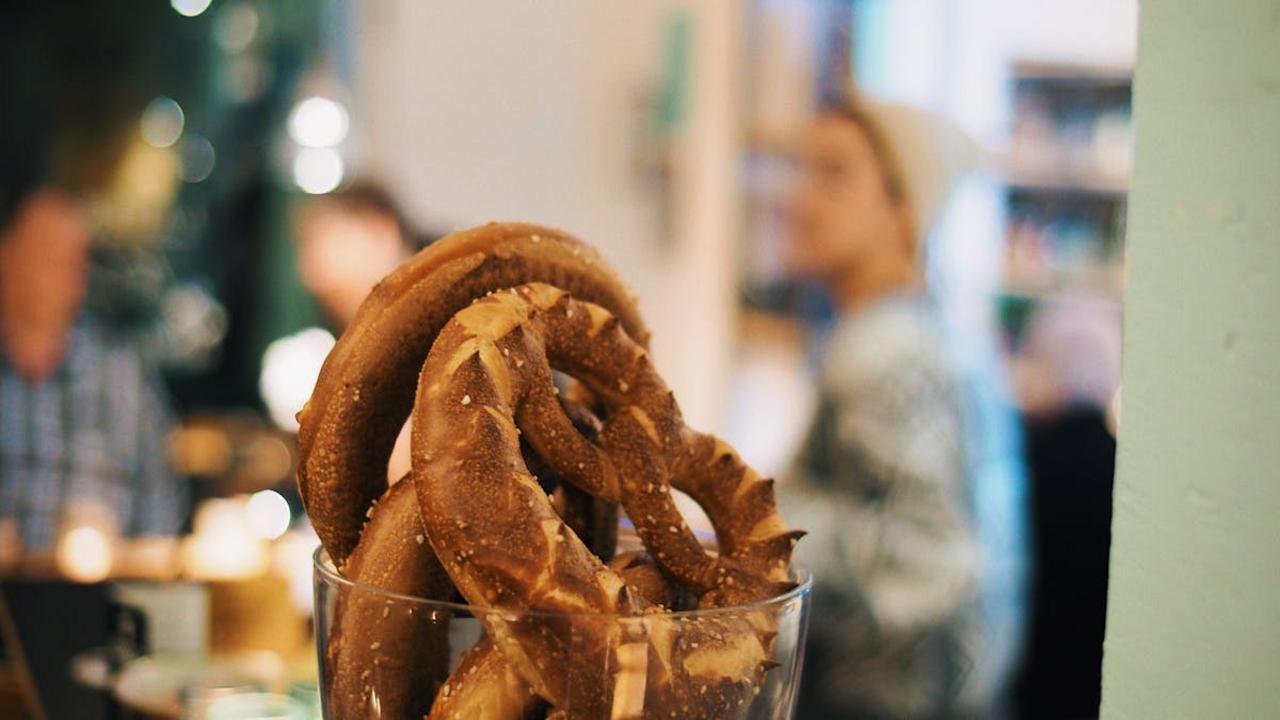
You know those twisted, salty beauties that scream “baseball game” and “street cart perfection”? Well, plot twist—pretzels actually come from medieval Europe! These rope-like wonders first appeared in European monasteries around 610 AD, where monks shaped leftover bread dough into what they called “pretiola” (meaning “little rewards”). The three holes supposedly represented the Holy Trinity, making pretzels the world’s first holy snack food. German immigrants brought their pretzel-making magic to Pennsylvania in the 1700s, and suddenly America had a new obsession on its hands.
Here’s where it gets wild: Philadelphia became the undisputed pretzel capital of America, churning out more soft pretzels than anywhere else on the planet. Those Philly pretzel vendors you see on every corner? They’re basically carrying on a 300-year-old tradition, one mustard-slathered bite at a time. The Pennsylvania Dutch perfected the art so well that today, Americans consume about 2.8 pounds of pretzels per person annually. Whether you’re team soft pretzel with that perfect chewy texture or you prefer the satisfying crunch of the hard variety, you’re basically eating edible history that traveled thousands of miles to become as American as apple pie.
Spaghetti and Meatballs
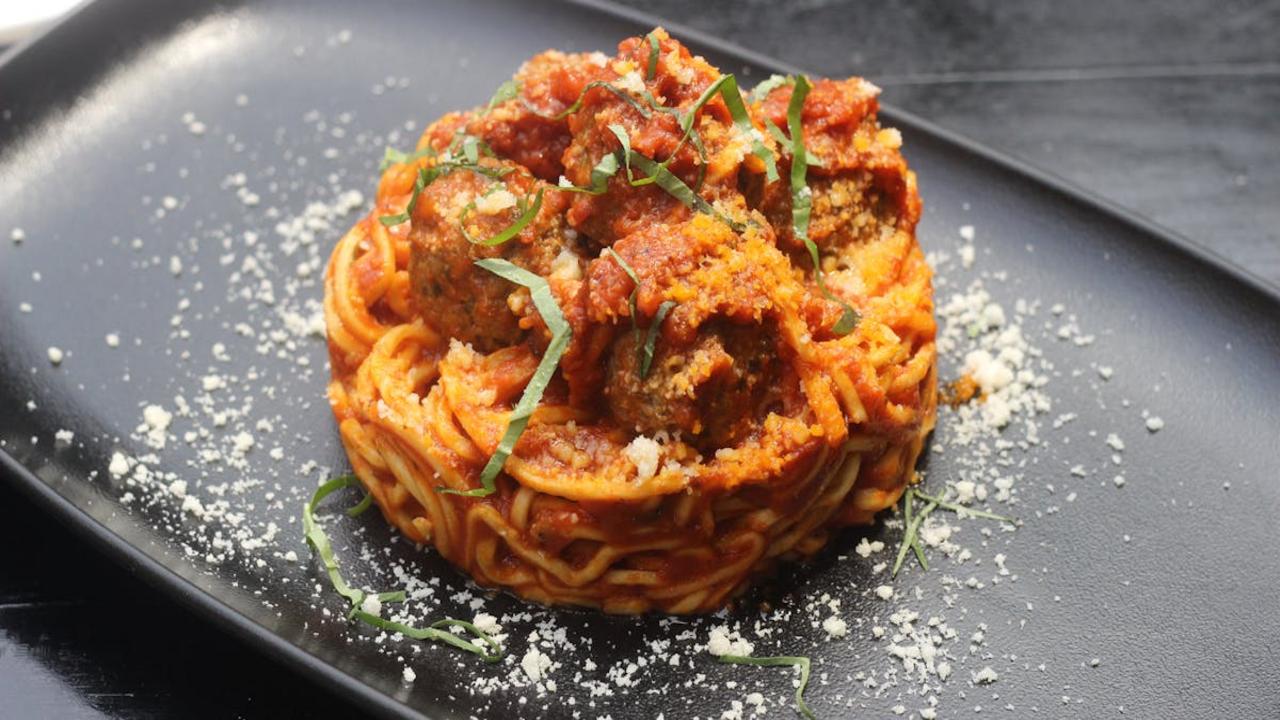
Here’s a plot twist that’ll make you question everything you thought you knew about Italian-American dining: spaghetti and meatballs isn’t actually Italian! I know, I know – your favorite red-checkered tablecloth restaurant has been living a beautiful lie. In Italy, you’ll find plenty of pasta dishes and plenty of meatball recipes, but they rarely meet on the same plate. Traditional Italian meatballs, called polpette, are usually served as a separate course or in soup, while pasta gets its own spotlight moment. The marriage of these two happened right here in America, where Italian immigrants got creative with larger portions and more accessible ingredients.
This dish became the poster child for Italian-American cuisine because it told the perfect immigrant success story – familiar flavors made bigger and more abundant. Italian families arriving in the early 1900s discovered that meat was cheaper and more plentiful in America than back home, so they supersized their meatballs and paired them with pasta for a hearty, satisfying meal that stretched the family budget. The result? A comfort food masterpiece that’s now more American than apple pie (which, by the way, also has European roots, but that’s another story). Today, you can walk into any Italian restaurant from Brooklyn to San Francisco and order this “authentic” dish that Italians would scratch their heads at – and honestly, that’s what makes American food culture so wonderfully weird.
Hamburgers
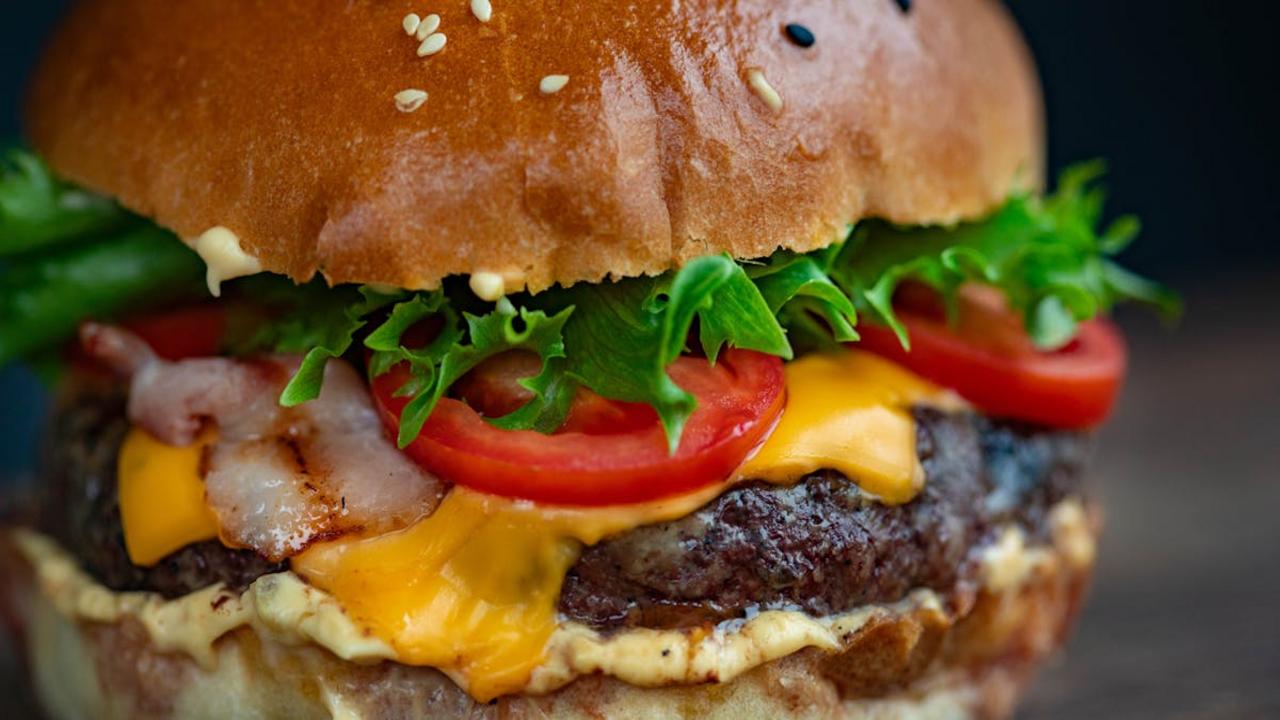
Here’s a plot twist that’ll make you drop your sesame seed bun: America’s most beloved sandwich isn’t actually American at all! The hamburger traces its meaty roots back to Hamburg, Germany, where 19th-century sailors munched on seasoned raw beef called “Hamburg steak.” When German immigrants sailed across the Atlantic, they brought this concept with them, though thankfully someone had the brilliant idea to cook the meat first. The transformation from European tartare to American icon happened gradually, with various claims about who first slapped that patty between two pieces of bread – but honestly, we should probably just thank whoever had the genius moment of realizing that eating with your hands is way more fun than using a fork.
What started as a simple convenience food has morphed into a cultural phenomenon that defines American dining. You can find hamburgers everywhere from fancy steakhouses serving $30 wagyu creations to drive-throughs dishing out dollar menu classics at 2 AM. The beauty of the hamburger lies in its democratic nature – whether you’re Team McDonald’s or you spend weekends perfecting your backyard burger blend, you’re participating in the same delicious tradition. Pro tip: if you want to honor the German ancestors of your burger, try mixing some worcestershire sauce and capers into your ground beef before forming patties. Your taste buds will thank you for this little nod to Hamburg while you’re living your best American life.
Apple Pie
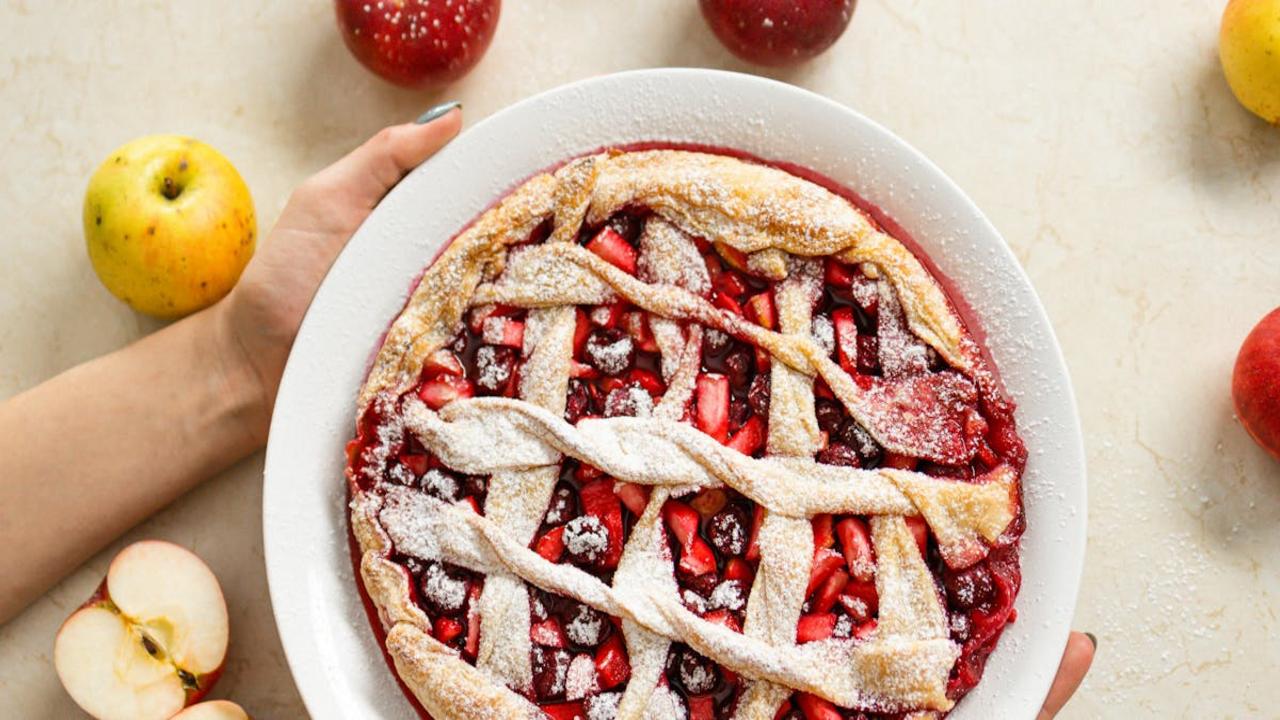
Nothing says “American as apple pie” quite like… well, apple pie! But here’s the plot twist that’ll make your red, white, and blue heart skip a beat: this golden-crusted beauty actually packed its bags in medieval England before hopping across the pond. The earliest recorded apple pie recipes date back to 14th-century England, where resourceful cooks were already mastering the perfect balance of tart apples, warm spices, and buttery pastry. Those clever Brits knew what they were doing – they created a dessert so irresistible that it would eventually become the unofficial mascot of an entire nation!
What makes this even more delightfully ironic is that apples themselves aren’t native to America either – European settlers brought over their favorite varieties, and these hardy fruits adapted so well to American soil that they practically became naturalized citizens. The phrase “as American as apple pie” didn’t even show up until the 1920s, proving that sometimes the best traditions are borrowed ones that we perfect with our own special touch. Today’s American apple pie typically features a double crust (because why settle for less?), a generous sprinkle of cinnamon, and enough love to make your grandmother weep with pride. So next time you’re savoring that flaky crust and cinnamon-sweet filling, remember you’re not just eating dessert – you’re participating in centuries of delicious cultural exchange!
Hot Dogs
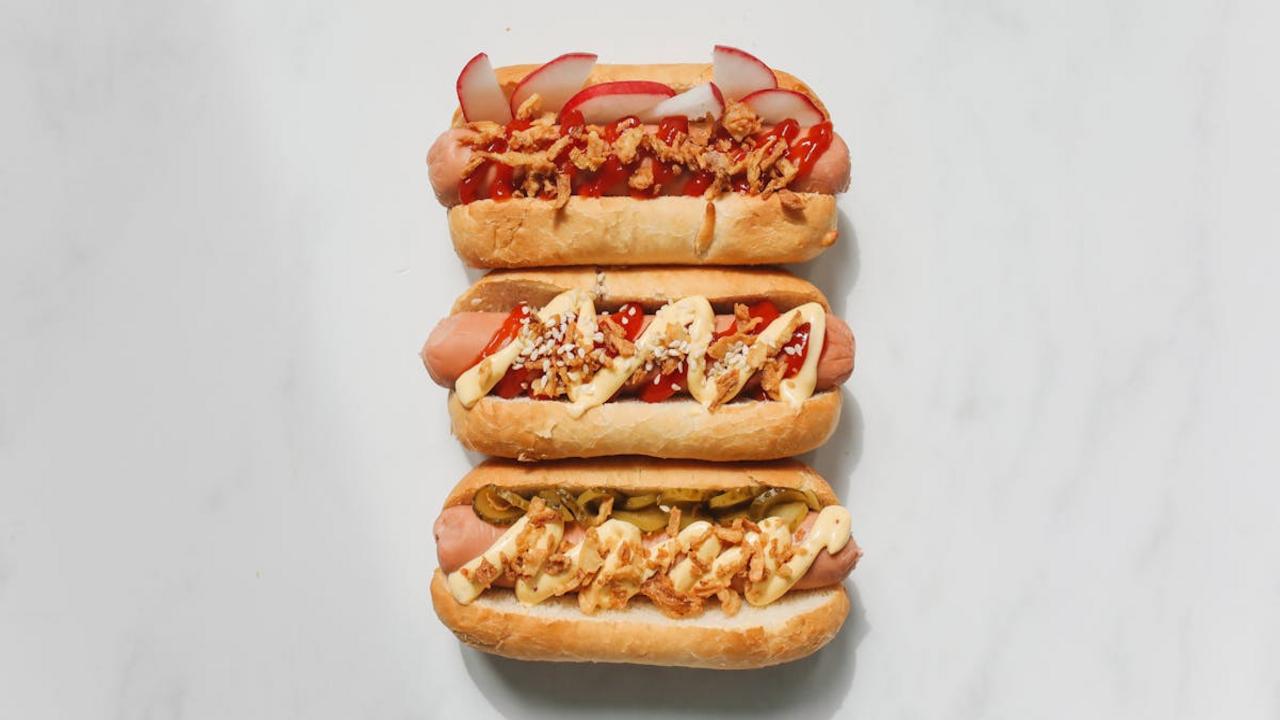
Picture this: you’re at a baseball game, mustard dripping down your chin, thinking you’re consuming pure American tradition. Plot twist! Those beloved franks actually sailed over from Germany in the pockets of immigrants who probably never imagined their humble sausages would become stadium superstars. German settlers brought their “dachshund sausages” to America in the 1850s, named after those adorable long-bodied pups because, well, the resemblance was uncanny. The genius move of stuffing them into portable bread happened when vendors needed a way for customers to hold these piping hot cylinders without burning their fingers – talk about accidental innovation!
Now here’s where things get spicy: multiple cities claim they invented the hot dog bun, from New York to St. Louis, each with their own dramatic origin story involving desperate vendors and creative problem-solving. What started as a practical German street food transformed into an American icon that spawns fierce regional debates – Chicago folks will lecture you about their all-beef beauties topped with everything except ketchup (seriously, don’t even think about it), while New Yorkers swear by their cart vendors who somehow make magic happen with just onions and mustard. You can dress up a hot dog with chili, cheese, or even pineapple if you’re feeling rebellious, but remember: you’re basically customizing a German immigrant’s lunch that accidentally conquered America one ballpark at a time.
Fortune Cookies
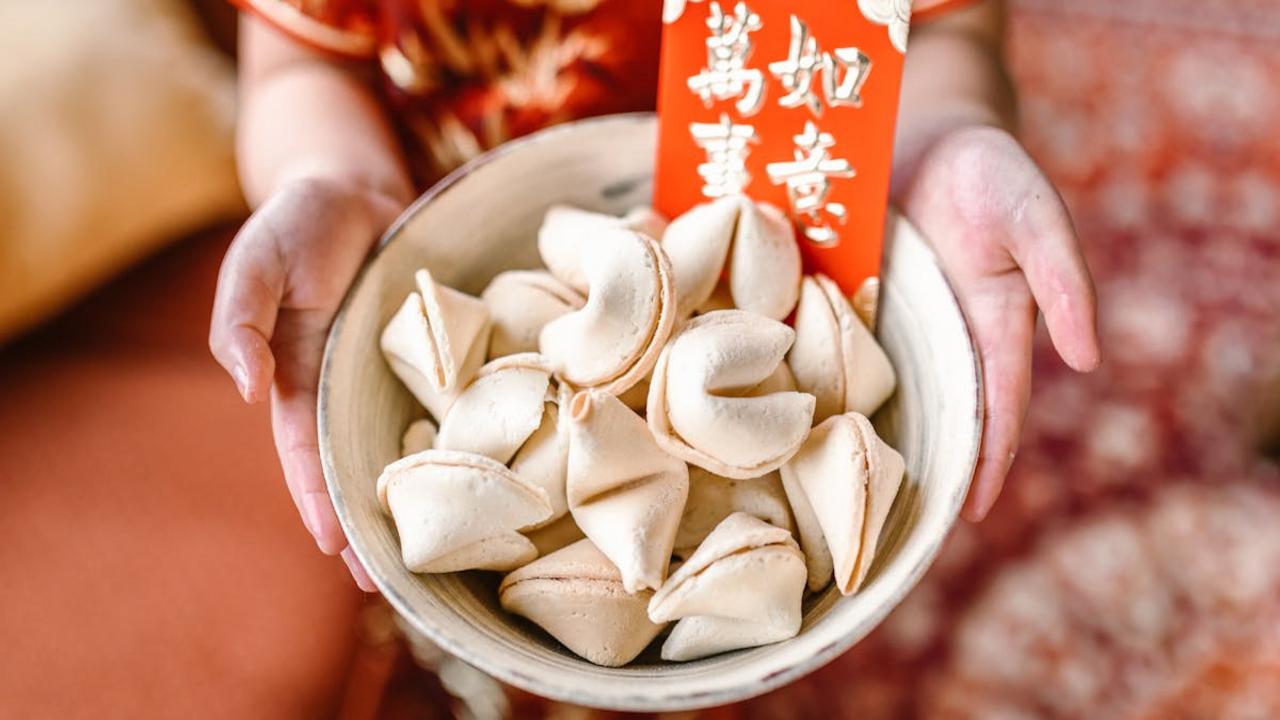
Here’s a plot twist that’ll crack you up more than the cookie itself: fortune cookies aren’t Chinese at all! These crispy little prophets were actually born right here in America, probably in early 1900s California. The most widely accepted origin story points to Makoto Hagiwara, a Japanese immigrant who served them at San Francisco’s Japanese Tea Garden. Another tale credits Los Angeles baker David Jung with creating them in 1918. Either way, these golden crescents of wisdom became so associated with Chinese restaurants that most people in China had never even seen one until recently. When I visited Beijing years ago, I brought fortune cookies as gifts and watched my Chinese friends examine them like archaeological artifacts!
The real kicker? Fortune cookies became such an American-Chinese restaurant staple that we now produce about 3 billion of them annually. The largest fortune cookie factory sits in New York City, cranking out 4.5 million cookies daily with fortunes written in multiple languages. But here’s my favorite fact: during World War II, fortune cookie companies actually helped locate missing Japanese Americans by including coded messages in their fortunes. These days, you can even get custom fortunes printed for weddings or proposals. So next time you crack one open after your General Tso’s chicken, remember you’re participating in a uniquely American tradition that’s about as authentically Chinese as a cheeseburger spring roll!
General Tsos Chicken
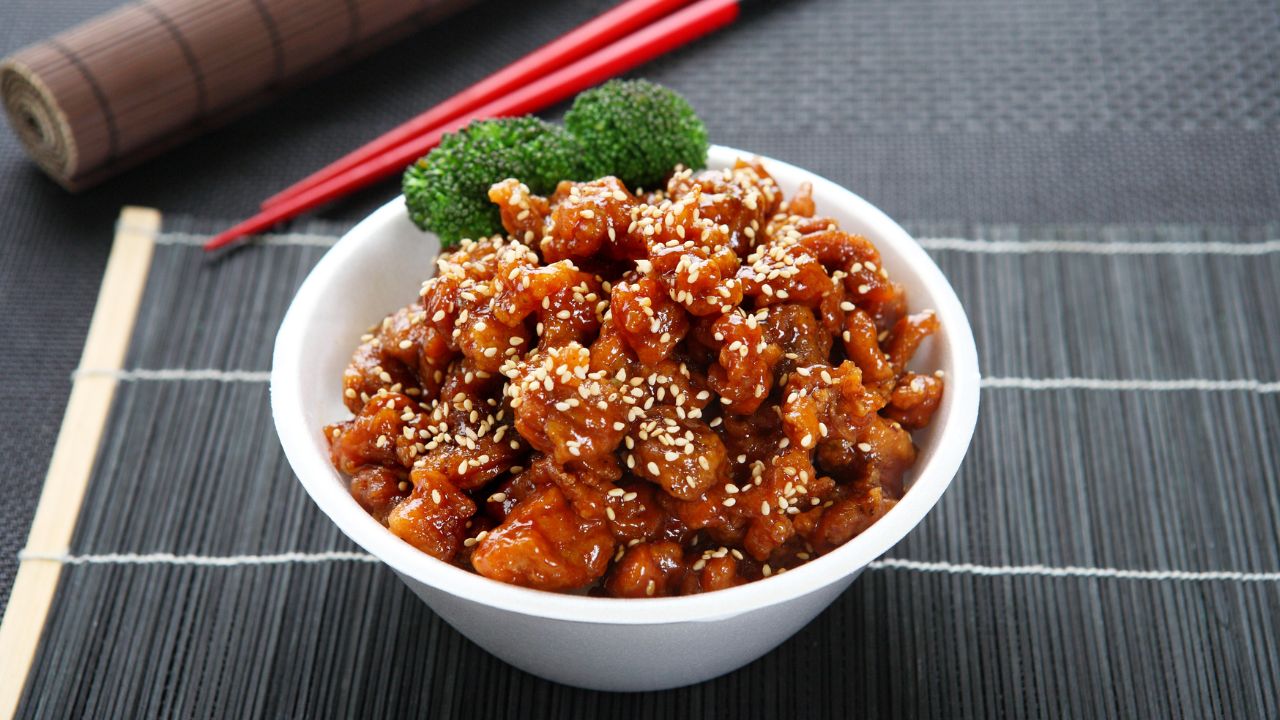
You know that sweet, sticky, gloriously crispy chicken that practically owns every Chinese takeout menu in America? Well, plot twist—General Tso’s chicken is about as authentically Chinese as my grandmother’s apple pie recipe. This beloved dish actually sprang from the brilliant mind of Chef Peng Chang-kuei in the 1970s, a Taiwanese chef who whipped it up specifically for American palates at his New York restaurant. The real General Tso was an actual 19th-century Chinese military leader who probably never touched a piece of battered poultry in his life, but hey, his name sure sounds impressive on a menu!
What makes this dish so addictively perfect is that sweet-and-sour sauce that coats every golden nugget of chicken like edible armor. Chef Peng originally created a much spicier, less sugary version, but American diners wanted more sweetness (because of course we did), so he adapted the recipe to include extra sugar and that signature glossy glaze we all crave. Today, you’ll find dozens of variations across Chinese-American restaurants, each chef adding their own spin to this cross-cultural masterpiece. Pro tip: if you’re making it at home, double-fry that chicken for maximum crunch—your future self will thank you when you bite into that perfect contrast of crispy exterior and tender meat.