14 Foods Chefs Always Keep on Hand for Easy, Everyday Meals
Want to know what chefs keep stocked in their kitchens for quick, healthy meals? I’ve gathered 14 powerhouse ingredients professional cooks reach for daily. These foods aren’t just nutritious—they transform simple dishes into something special without hours of prep work.
My personal kitchen always contains fermented foods like kefir and kimchi alongside versatile proteins such as tempeh. I’ve found that seeds (chia and flax) add instant nutrition to almost anything, while fruits like papaya and green kiwi bring natural sweetness and digestive benefits to your plate.
The best part? You don’t need fancy techniques to use these ingredients. Slice some ginger into hot water for a morning boost, sprinkle fennel seeds on roasted vegetables, or add artichoke hearts to pasta. These chef-approved staples help you cook intuitively and creatively every day.
Fennel Seeds
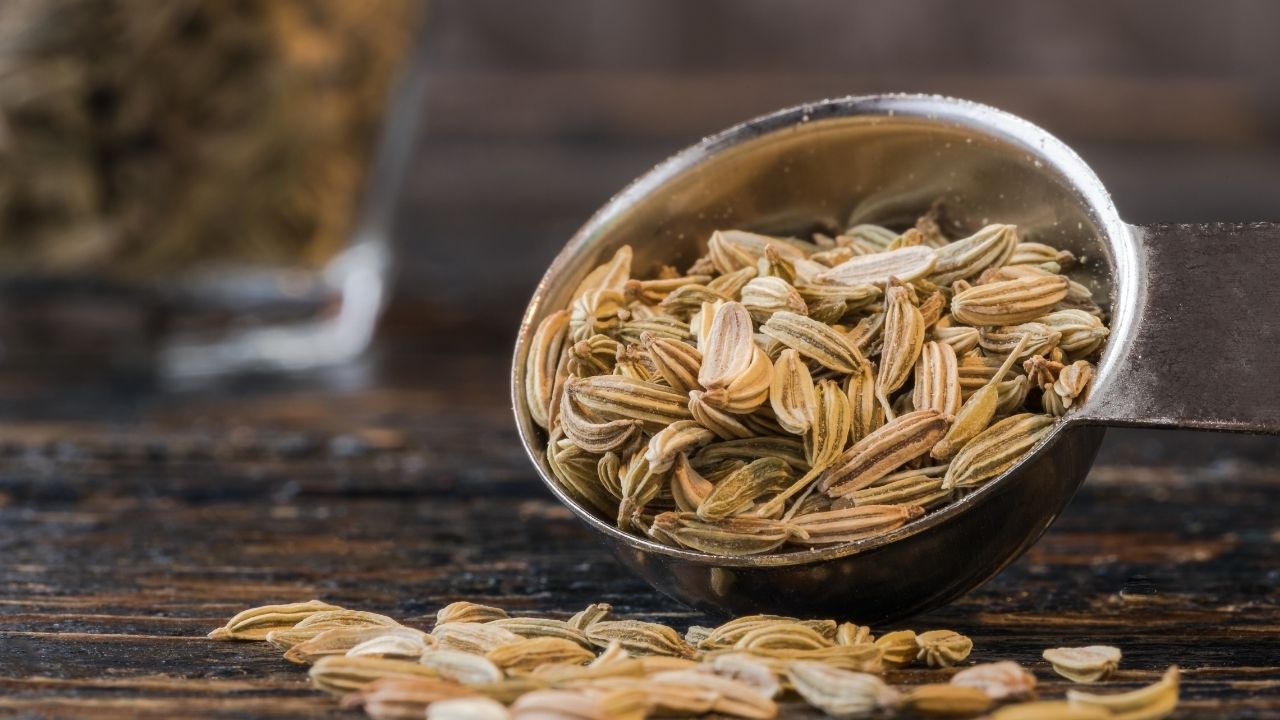
I keep a jar of fennel seeds right next to my stove because they transform ordinary dishes into something magical. These tiny, pale green gems carry an incredible complexity—sweet licorice notes balanced with warm, earthy undertones that work beautifully in both savory and sweet applications. When I toast them for just thirty seconds in a dry pan, their aroma fills my entire kitchen with this intoxicating fragrance that immediately tells everyone dinner is going to be special. I love crushing them lightly with the flat side of my knife to release even more of their oils, then sprinkling them over roasted vegetables, adding them to my homemade bread dough, or incorporating them into spice blends for curries and stews.
What makes fennel seeds so brilliant for everyday cooking is their incredible versatility across different cuisines. I use them in Italian sausage recipes, Indian dal preparations, Middle Eastern spice mixes, and even steep them in hot water for a soothing digestive tea after heavy meals. They pair wonderfully with tomatoes, potatoes, fish, and pork, but I’ve also discovered they add unexpected depth to fruit compotes and even chocolate desserts. Unlike many spices that can overpower a dish, fennel seeds bring harmony—they bridge flavors together rather than competing for attention. Keep them whole in an airtight container, and they’ll maintain their potency for months, ready to elevate your cooking whenever inspiration strikes.
Ginger Root

Fresh ginger root sits in my kitchen like a trusted companion, ready to transform any ordinary dish into something extraordinary. I keep a generous piece in my refrigerator at all times because this knobby rhizome brings warmth, brightness, and complexity to everything from morning teas to evening stir-fries. You can grate it into marinades for chicken, slice it thin for pickling vegetables, or simmer whole pieces in broths for depth that reaches your soul. The anti-inflammatory properties make it a powerhouse for health-conscious cooking, while its versatility spans continents—from Asian curries to Caribbean beverages to Middle Eastern spice blends.
What I love most about ginger is how it awakens other flavors rather than overpowering them. A thumb-sized piece grated into your morning smoothie adds zing without the processed sugar crash, while thin slices in hot water create the most soothing tea for busy afternoons. I often keep crystallized ginger on hand too, which works beautifully in both sweet and savory applications. Fresh ginger paste mixed with garlic becomes my go-to base for countless dishes, and I freeze extra portions in ice cube trays for quick weeknight cooking. This root connects you to centuries of global cooking traditions while supporting your modern healthy lifestyle.
Banana
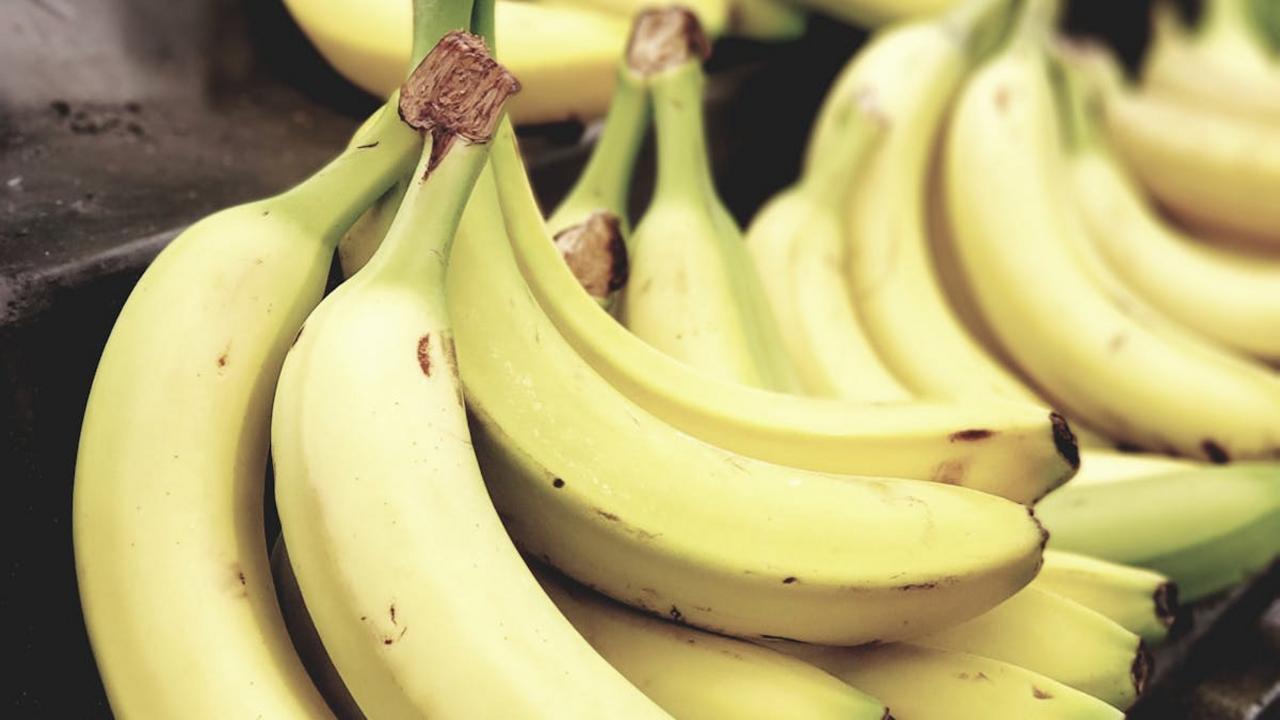
You know that moment when you open your fridge and think there’s absolutely nothing to make? That’s when bananas become your best friend. I always keep a bunch on my counter because they transform from sweet breakfast additions to dinner game-savers faster than any other fruit. When they’re perfectly yellow, I slice them into my morning oatmeal with a sprinkle of cinnamon and cardamom – a combination I picked up from an Indian friend that completely changed how I think about breakfast. But here’s where bananas really shine: they’re incredible natural sweeteners that can replace processed sugar in so many recipes.
Those overripe bananas that everyone else throws away? They’re pure gold for wholesome baking and unexpected savory dishes. I mash them into pancake batter for naturally sweet weekend treats, or blend them into smoothies with spinach and ginger for a green drink that actually tastes amazing. But my favorite discovery happened by accident – I started adding mashed banana to curry sauces for a subtle sweetness that balances spicy heat beautifully. The natural sugars caramelize slightly when cooked, creating this rich depth that makes people ask what my secret ingredient is. Plus, they’re packed with potassium and fiber, so you’re nourishing your body while creating something delicious from scratch.
Green Kiwi
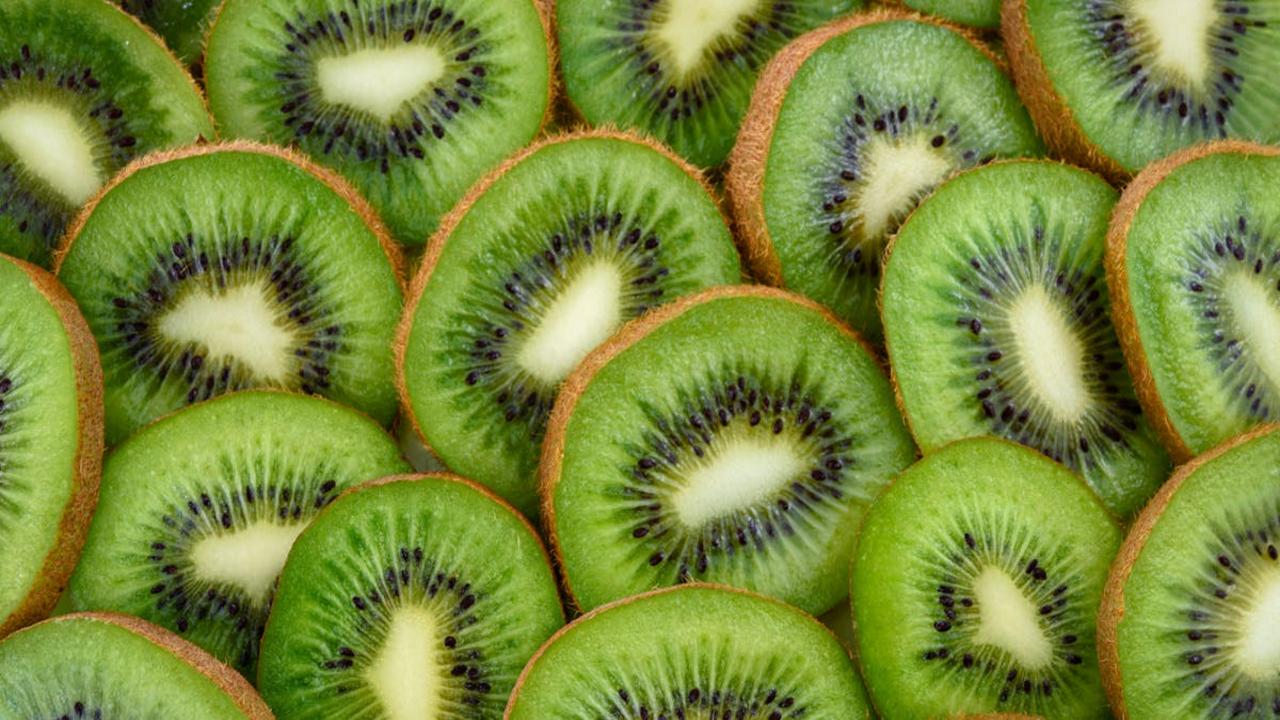
You know that moment when you’re staring into your fridge, wondering what magic you can create with what’s on hand? Green kiwi always saves the day for me. This fuzzy little fruit packs incredible versatility – I toss sliced kiwi into grain bowls for a bright pop of sweetness, blend it into smoothies for natural tartness, or muddle it into homemade agua frescas that transport me straight to my grandmother’s kitchen in summer. The natural enzymes in kiwi work beautifully as a meat tenderizer too, so I often purée it into marinades for chicken or pork, creating dishes that marry unexpected flavors with amazing results.
What I love most about keeping kiwi around is how it bridges sweet and savory applications effortlessly. I’ll dice it into fresh salsas with jalapeños and cilantro, creating vibrant accompaniments for grilled fish that sing with global influences. The fruit’s unique tang also makes incredible chutneys when combined with ginger and lime – perfect for spreading on flatbreads or serving alongside roasted vegetables. Since kiwi ripens beautifully at room temperature and stores well in the refrigerator once ready, you can always have this nutritious powerhouse ready to transform simple ingredients into something special. Trust me, once you start experimenting with kiwi beyond breakfast bowls, you’ll discover endless possibilities.
Pineapple

You know what I always keep in my kitchen? Fresh pineapple. This tropical beauty transforms ordinary weeknight dinners into something special without any fuss. I grab one every grocery trip because it works magic in both sweet and savory dishes. Toss chunks into a quick stir-fry with bell peppers and snap peas, and suddenly you have this beautiful balance of sweet and tangy that makes your mouth water. Or blend it into a marinade with ginger and soy sauce for chicken or tofu – the natural enzymes break down proteins while adding incredible flavor depth.
What I love most about pineapple is how it bridges different cuisines effortlessly. One night I’m making Mexican-inspired tacos with grilled pineapple and jalapeños, the next I’m adding it to a Thai-style fried rice with basil and fish sauce. The fruit’s natural sweetness means I rarely need added sugars in my cooking, keeping meals wholesome and bright. Plus, those enzymes I mentioned? They’re fantastic for digestion. I often juice the core (don’t throw it away!) and add it to smoothies or use it as a meat tenderizer. Fresh pineapple gives you so much more than the canned stuff – better flavor, better nutrition, and endless possibilities.
Papaya
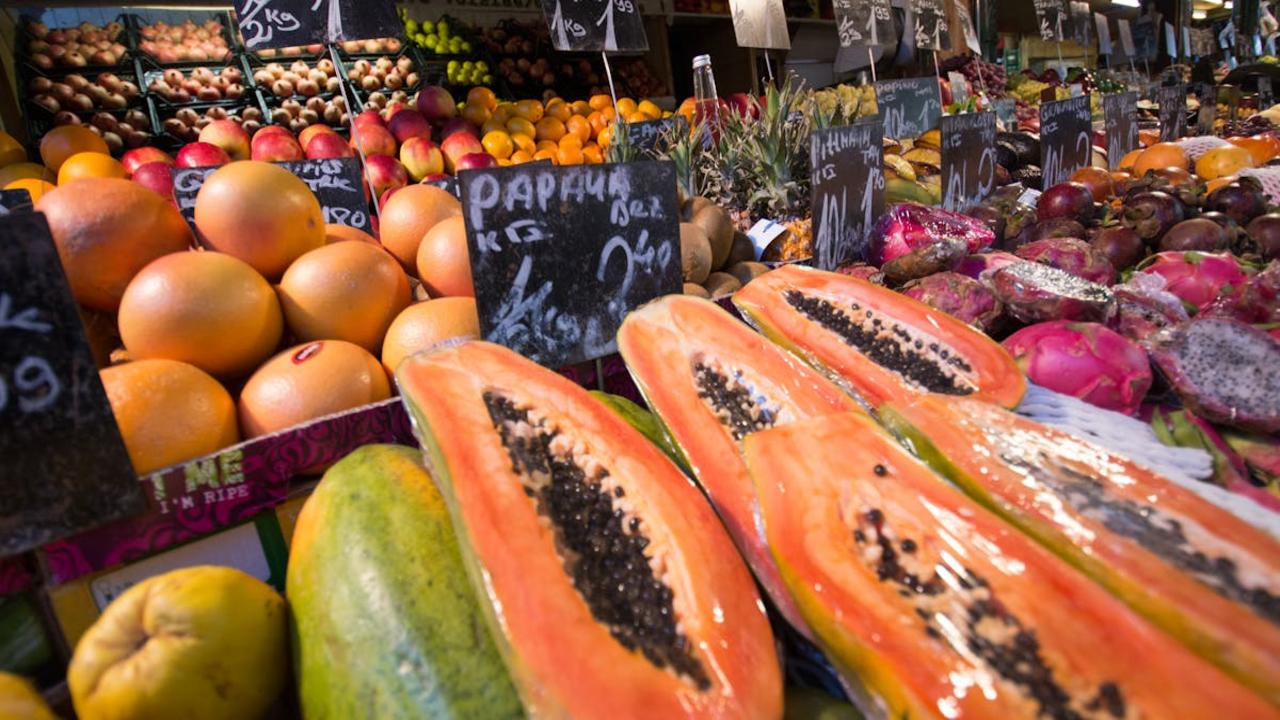
Papaya sits quietly in my fruit bowl, waiting for the perfect moment to transform an ordinary meal into something special. This tropical fruit brings so much more to your kitchen than just sweetness – I reach for it when I want to add brightness to savory dishes or create cooling salads that balance rich, spicy flavors. The enzymes in papaya work magic as a natural meat tenderizer, making it perfect for marinades when you want your proteins incredibly tender. I love how versatile it becomes: green papaya creates the most refreshing Thai-style salads with lime and chilies, while ripe papaya adds tropical notes to salsas and chutneys.
You can count on papaya to bring that perfect sweet-tart balance that makes your palate sing. I keep both green and ripe papayas because they serve completely different purposes – the green ones offer crisp texture and subtle flavor that pairs beautifully with bold dressings, while ripe papaya melts into smoothies or creates stunning fruit salsas for grilled fish. The best part about cooking with papaya is how it connects global flavors – from Mexican agua frescas to Southeast Asian som tam, this fruit bridges cultures on your plate. Fresh papaya juice also makes an incredible base for vinaigrettes, adding natural sweetness without refined sugar.
Jerusalem Artichokes
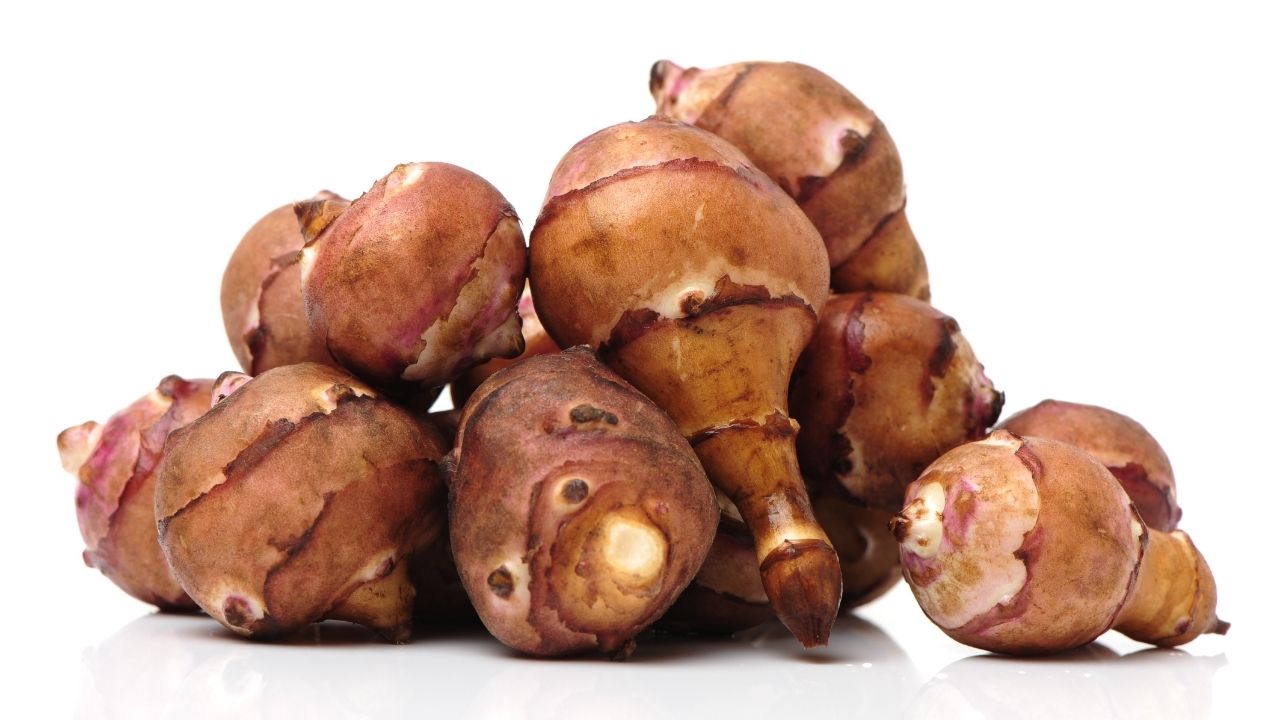
You know, I discovered Jerusalem artichokes completely by accident at my local farmers market, and now I can’t imagine my pantry without them. These knobby, potato-like tubers aren’t actually artichokes at all—they’re sunflower roots with a wonderfully nutty, slightly sweet flavor that transforms any ordinary dish into something special. I keep a bag in my refrigerator because they’re incredibly versatile: roast them with olive oil and herbs for a crispy side dish, slice them thin for gratins, or puree them into silky soups that rival anything you’d find in a fancy restaurant.
What I love most about Jerusalem artichokes is how they bridge the gap between comfort food and healthy eating. They’re packed with inulin, a prebiotic fiber that supports gut health, but more importantly, they taste incredible. I often spiralize them into “noodles” for pasta dishes, or dice them into my morning hash with eggs and fresh herbs. They work beautifully in both Western and Eastern preparations—I’ve tossed them into Thai-inspired stir-fries and added them to Moroccan tagines. The best part? They keep for weeks in the fridge, so you can grab a handful whenever inspiration strikes and create something unexpectedly delicious.
Artichokes
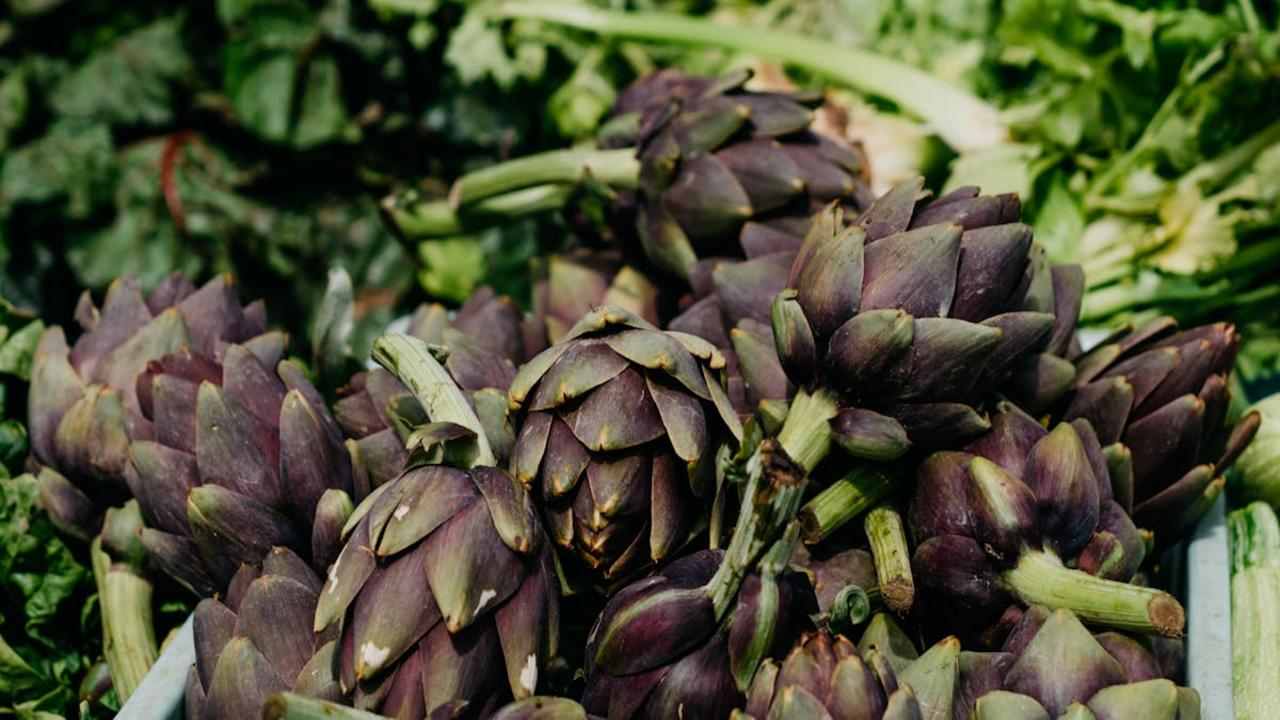
I always keep a few jars of marinated artichoke hearts in my pantry because they transform ordinary weeknight dinners into something special. These Mediterranean gems bring a tangy, herbaceous flavor that works beautifully in pasta dishes, grain bowls, or even scrambled eggs. When I’m feeling uninspired, I’ll toss them with some chickpeas, roasted red peppers, and fresh herbs for an instant salad that feels both satisfying and nutritious. The briny, slightly acidic notes cut through rich dishes perfectly, which is why I love adding them to creamy risottos or alongside roasted vegetables.
Fresh artichokes require more time, but I make them a weekend project when I want to slow down in the kitchen. I’ll steam them whole and serve with a simple lemon-garlic aioli, or I’ll clean the hearts and stuff them with breadcrumbs mixed with parmesan, garlic, and fresh parsley. The process becomes meditative—peeling away the tough outer leaves, scooping out the fuzzy choke, revealing that tender heart underneath. Whether you choose the convenience of jarred or the satisfaction of preparing fresh ones, artichokes add a sophisticated touch to your cooking without requiring fancy techniques or expensive ingredients.
Flaxseeds
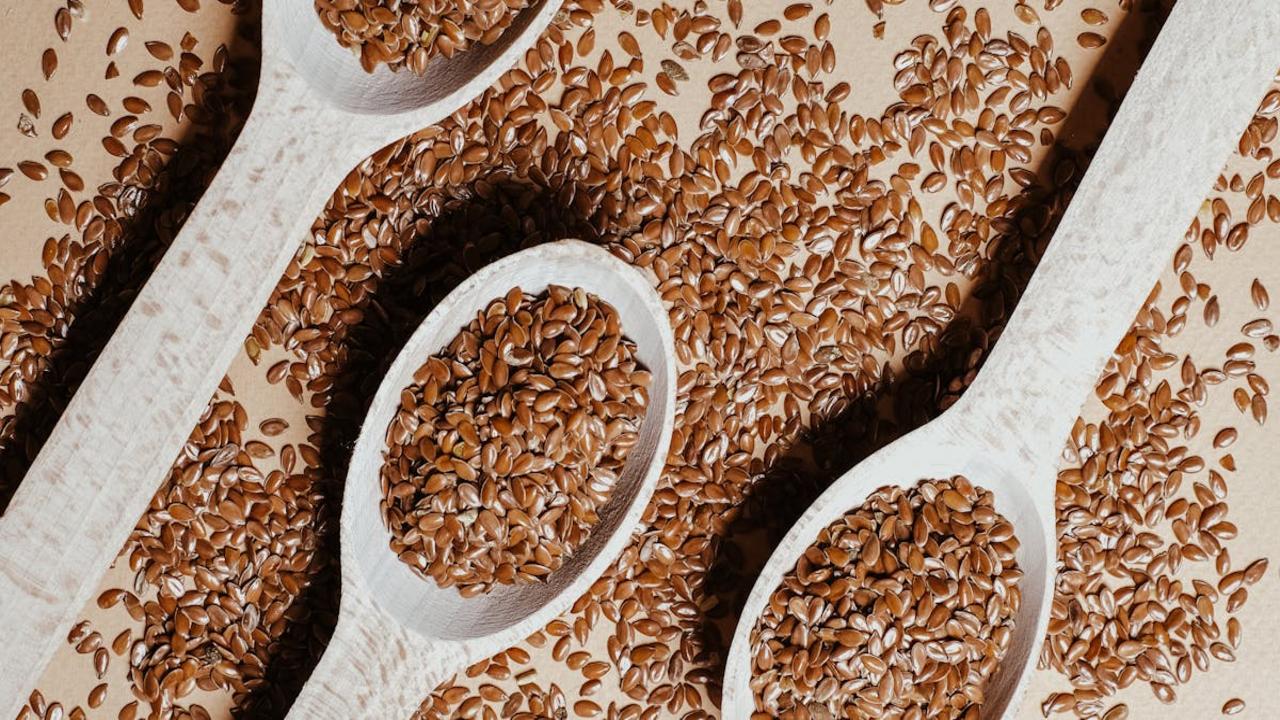
I keep flaxseeds in my pantry because they’re like tiny nutritional powerhouses that quietly transform everyday dishes. These small brown seeds pack omega-3 fatty acids, fiber, and protein into almost everything I cook. I grind them fresh each week in my spice grinder – whole flaxseeds pass right through your body without releasing their nutrients, but ground ones become this nutty, almost buttery addition that disappears into recipes while boosting their nutritional value.
You can stir ground flaxseeds into morning smoothies, mix them into pancake batter, or use them as an egg substitute in baking by combining one tablespoon with three tablespoons of water. I love sprinkling them over yogurt or oatmeal, and they work beautifully in homemade granola. The texture becomes almost creamy when you soak them, making them perfect for overnight oats or chia pudding variations. What makes flaxseeds so practical is their neutral flavor – they enhance nutrition without competing with other ingredients, making healthy eating feel effortless rather than forced.
Chia Seeds
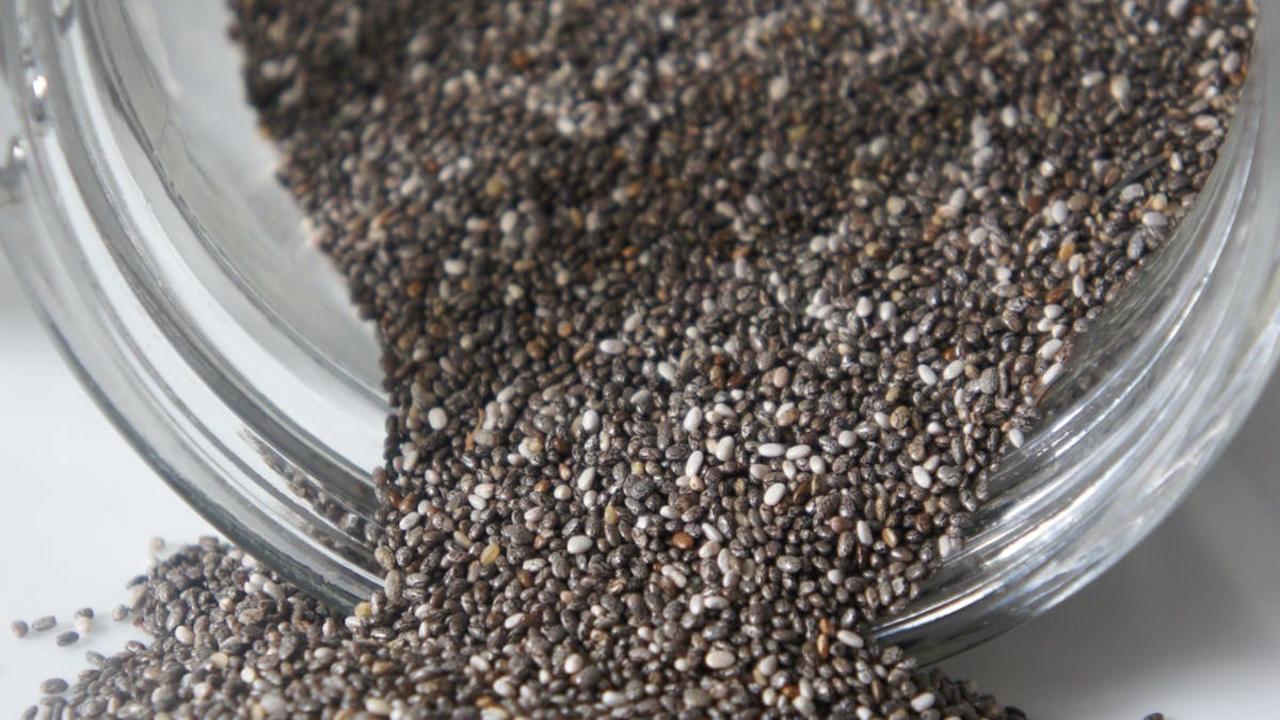
You know how I’m always talking about those little powerhouse ingredients that work magic in your kitchen? Chia seeds are exactly that kind of ingredient – tiny black or white specks that transform into something completely different the moment they meet liquid. I keep a big jar of these on my counter because they’re like having a secret weapon for both sweet and savory dishes. When you soak them for just fifteen minutes, they develop this amazing gel-like texture that can thicken smoothies, create puddings, or even replace eggs in baking. I love how they carry flavors from whatever you pair them with, whether that’s coconut milk and mango for a tropical breakfast or tahini and za’atar for a Middle Eastern-inspired snack.
What really gets me excited about chia seeds is how they bridge the gap between nutrition and creativity in cooking. These little seeds pack omega-3 fatty acids, fiber, and protein into every spoonful, but they never feel like you’re eating something because it’s “good for you.” I’ll stir them into my morning yogurt with cardamom and honey, blend them into sauces for extra body, or sprinkle them raw over salads for that satisfying crunch. They’re also my go-to thickener for homemade jams – no pectin needed, just fruit, a touch of sweetener, and these magical seeds that create the perfect consistency while adding nutritional value to every jar.
Kimchi
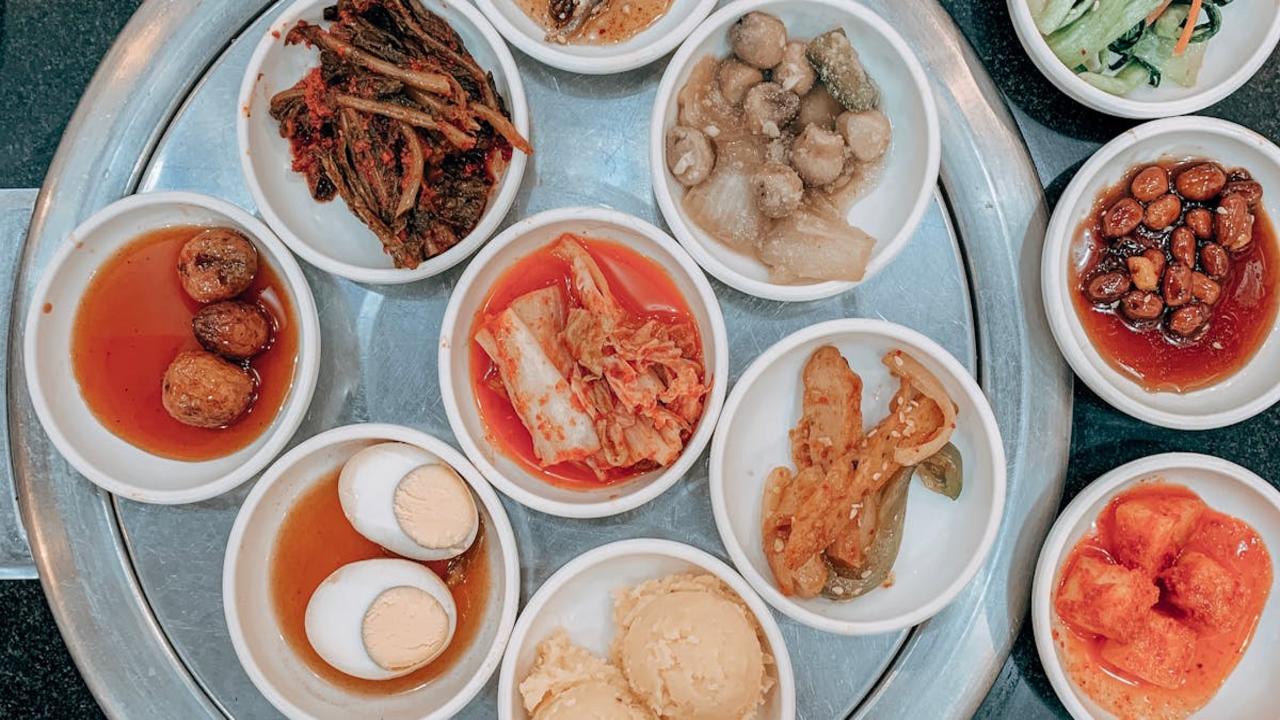
You know what transforms my weeknight cooking from ordinary to extraordinary? A jar of good kimchi sitting in my fridge. This fermented Korean staple brings instant depth and complexity to whatever I’m making, whether I’m stirring it into fried rice, adding it to grilled cheese for a tangy kick, or simply enjoying it alongside scrambled eggs. The beauty of kimchi goes beyond its bold, spicy flavor – it’s packed with probiotics that support gut health, making every meal a little more nourishing. I always keep both the traditional napa cabbage version and sometimes experiment with radish or cucumber kimchi for different textures and heat levels.
What I love most about cooking with kimchi is how it acts as both ingredient and condiment. You can chop it up and fold it into pancake batter for Korean pajeon, blend it into mayo for an incredible sandwich spread, or simply serve it as a bright, crunchy side that cuts through rich dishes. The fermented funk adds umami depth that would take hours to build otherwise, and the natural acidity helps balance heavy or fatty foods beautifully. Since kimchi keeps for months in the refrigerator and actually improves with age, it’s become my secret weapon for adding instant flavor complexity to simple weeknight meals without any extra prep work.
Tempeh
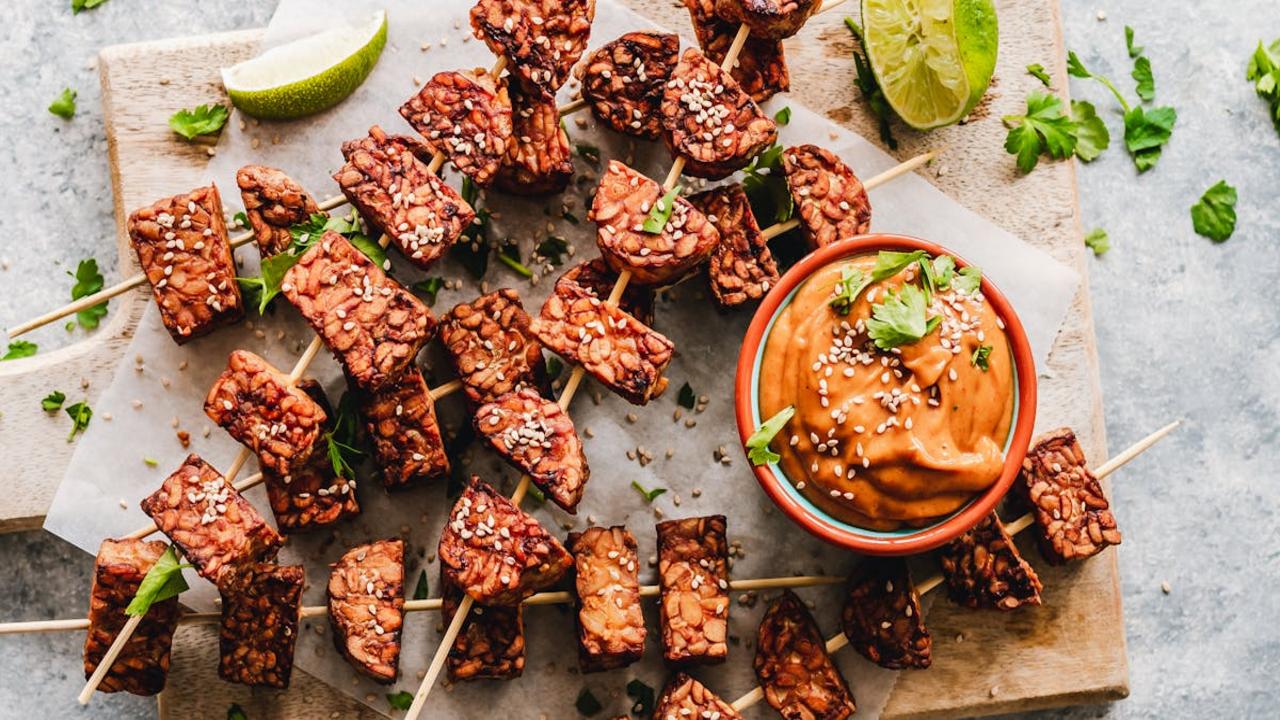
I keep tempeh stocked in my fridge because it’s one of those incredible fermented foods that brings both nutrition and flavor to my everyday cooking. This Indonesian staple made from fermented soybeans has a nutty, earthy taste that I find way more interesting than tofu. The fermentation process creates beneficial probiotics while giving tempeh a firm, meaty texture that holds up beautifully in stir-fries, curries, and grain bowls. I love how it absorbs marinades and spices, making it perfect for those spontaneous weeknight dinners when I want something satisfying and protein-packed.
What makes tempeh so brilliant in my kitchen is its versatility – I can crumble it into pasta sauces, slice it for sandwiches, or cube it for soups. Unlike many processed meat alternatives, tempeh is minimally processed and packed with complete proteins, fiber, and B vitamins. I often marinate thin slices in tamari, ginger, and garlic before pan-frying them until golden and crispy. The result is something that adds substance and umami to any dish. Whether I’m making Indonesian rendang-inspired tempeh or throwing it into a Mediterranean-style grain salad, this fermented powerhouse never disappoints me.
Kombucha

You know how sometimes you need that perfect acidic component to brighten up a dish, but lemon juice feels too sharp and vinegar too harsh? That’s where kombucha becomes your secret weapon in the kitchen. I always keep a bottle of plain kombucha in my fridge because it brings this beautiful, complex tartness that can transform everything from marinades to salad dressings. The fermented tea has this incredible depth – it’s tangy without being aggressive, slightly effervescent, and carries these subtle tea notes that work magic in unexpected places.
I love using kombucha as a braising liquid for chicken thighs or pork shoulder, where its acidity helps tenderize the meat while adding layers of flavor you simply can’t get from wine or stock alone. Mixed with olive oil, garlic, and herbs, it creates the most incredible marinade for vegetables before roasting. Sometimes I’ll reduce it down to a syrupy glaze that pairs beautifully with grilled proteins. The probiotics break down during cooking, sure, but what remains is this gorgeous umami-rich base that connects all your flavors together. Plus, having kombucha around means you’re always one step away from a refreshing drink that actually supports your gut health.
Kefir

I keep kefir in my fridge like a secret weapon for both cooking and drinking. This tangy, probiotic-rich fermented milk has this incredible versatility that makes it perfect for so many dishes beyond just sipping it straight. You can blend it into smoothies with fresh berries and a drizzle of honey, or use it as a base for creamy salad dressings that won’t weigh you down. The slight tartness adds depth to marinades for chicken or lamb, and I often substitute it for buttermilk in pancakes and quick breads for that extra tang and fluffy texture.
What really excites me about kefir is how it bridges different food traditions while keeping things wholesome and natural. I’ve started using it in Middle Eastern-inspired dishes, mixing it with herbs and garlic for a cooling sauce that pairs beautifully with grilled vegetables or kebabs. The probiotics make it a gut-friendly addition to your daily routine, and unlike many processed dairy products, good kefir contains live cultures that actually benefit your digestive system. Keep both plain and flavored varieties on hand, and you’ll find yourself reaching for this fermented gem more often than you’d expect.