10 Easy Kitchen Swaps to Dial Down Sugar Without Losing Flavor
Sugar lurks in so many foods we love, but cutting back doesn’t mean sacrificing flavor! You can transform your eating habits with simple kitchen swaps that reduce sugar while keeping meals delicious. These practical changes fit easily into your daily routine without complex ingredients or extra cooking time.
I’ve discovered that small adjustments make big differences when reducing sugar consumption. Instead of going cold turkey (which often backfires!), try gradually replacing high-sugar items with naturally sweet alternatives. Your taste buds actually adapt over time, finding satisfaction in less sweetened foods that once seemed bland.
These ten easy swaps help you take control of your sugar intake while still enjoying meals. From smarter breakfast choices to restaurant ordering tips, each strategy gives you practical ways to create healthier habits. The best part? Your food will still taste amazing—maybe even better as natural flavors shine through!
Meal Planning Strategies
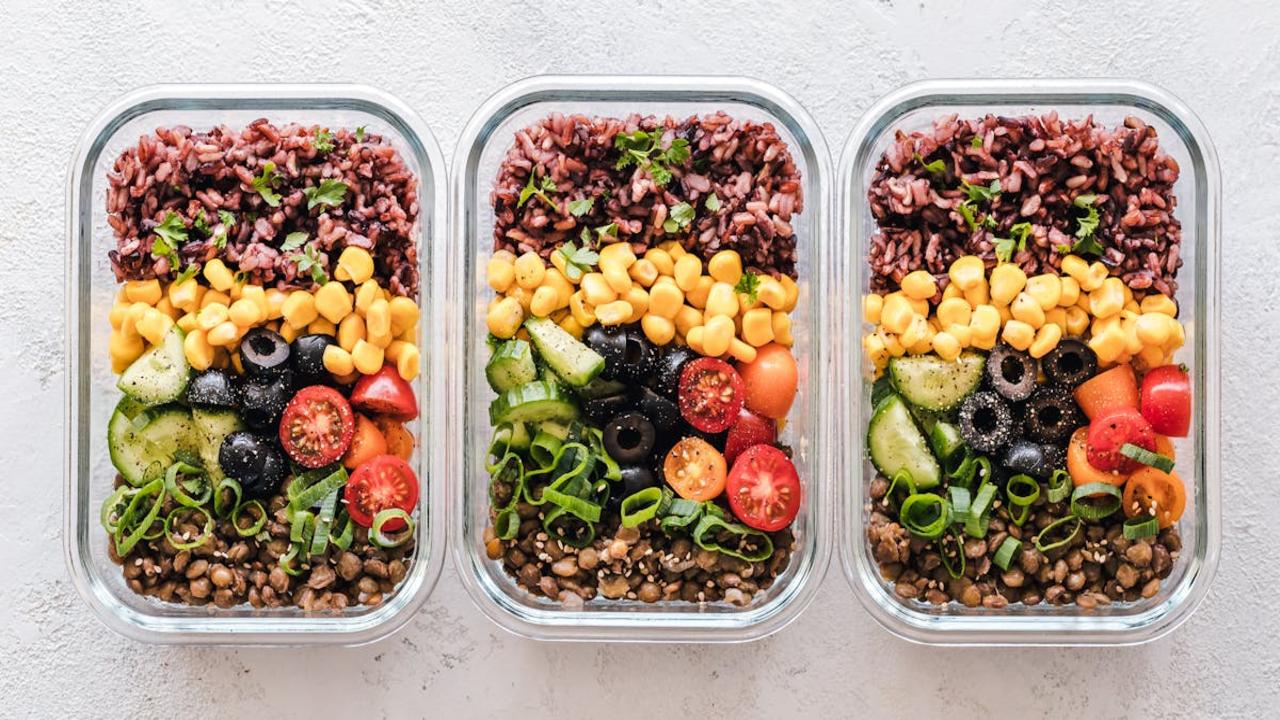
Smart meal planning becomes your secret weapon for reducing sugar intake without sacrificing the foods you love. Start by dedicating 30 minutes each weekend to map out your week’s meals, focusing on recipes that naturally satisfy your sweet tooth through whole foods rather than added sugars. Create a rotation of go-to breakfasts like overnight oats with mashed banana and cinnamon, or veggie-packed egg scrambles that keep you full and energized. Stock your pantry with sugar-smart staples like unsweetened nut butters, plain Greek yogurt, and frozen berries so you’re always prepared to whip up something delicious and nourishing.
Batch cooking becomes incredibly powerful for maintaining your low-sugar goals throughout busy weeks. Spend Sunday afternoon preparing large portions of roasted vegetables, quinoa salads, and protein-rich soups that you can mix and match for quick weekday meals. Keep a running grocery list on your phone, organized by store sections, and always shop with a full stomach to avoid impulse purchases of sugary snacks. Plan for flexibility by having backup meals ready – maybe a quick stir-fry formula or a simple pasta dish with olive oil and herbs – so you never feel tempted to order takeout when life gets hectic.
Alternative Desserts

You don’t have to completely abandon your sweet tooth to reduce sugar intake! I’ve discovered that some of the most satisfying desserts come from thinking outside the traditional recipe box. Try making chocolate avocado mousse by blending ripe avocados with unsweetened cocoa powder, a splash of vanilla, and just a touch of maple syrup or stevia. The creamy texture rivals any traditional mousse, and the healthy fats keep you feeling satisfied longer. Another winner is frozen banana “nice cream” – simply freeze sliced bananas overnight, then blend them with a splash of almond milk until creamy. Add cocoa powder for chocolate or berries for fruit flavors.
These alternative desserts prove that you can have your cake and eat it too, just in a different form! Chia seed puddings made with unsweetened almond milk and a natural sweetener create a satisfying treat that feels indulgent but packs protein and fiber. Date-based energy balls rolled in coconut or nuts satisfy chocolate cravings while providing natural sweetness and nutrients. The best part? These swaps often taste better than their sugar-loaded counterparts because you can actually taste the real ingredients. Your friends won’t believe these treats are healthier versions – they’ll just know they taste incredible and leave them feeling energized rather than sluggish.
Mindful Restaurant Orders

You don’t have to abandon your favorite restaurants just because you’re watching your sugar intake! I’ve learned that dining out successfully means becoming a savvy menu detective. Start by scanning for grilled, roasted, or steamed options instead of dishes with glazes, teriyaki sauces, or anything described as “honey-glazed” or “barbecue.” Ask your server about preparation methods – most restaurants happily accommodate requests for sauce on the side or can substitute steamed vegetables for that sugar-laden sweet potato casserole. Don’t hesitate to request modifications; I’ve found that most chefs appreciate diners who care about what they’re eating.
Your drink choice makes a massive difference in your overall sugar consumption during meals. Skip the sodas, sweet teas, and fancy cocktails loaded with simple syrups, and opt for sparkling water with fresh lime, unsweetened iced tea, or a glass of wine instead. I always check if the restaurant offers fresh herb-infused waters – they’re refreshing and naturally flavorful without any added sweeteners. Remember, you’re paying for this meal, so you deserve exactly what you want! Most servers appreciate clear communication about dietary preferences, and many restaurants now highlight lower-sugar options right on their menus to make your decision easier.
Fresh Snacks Options
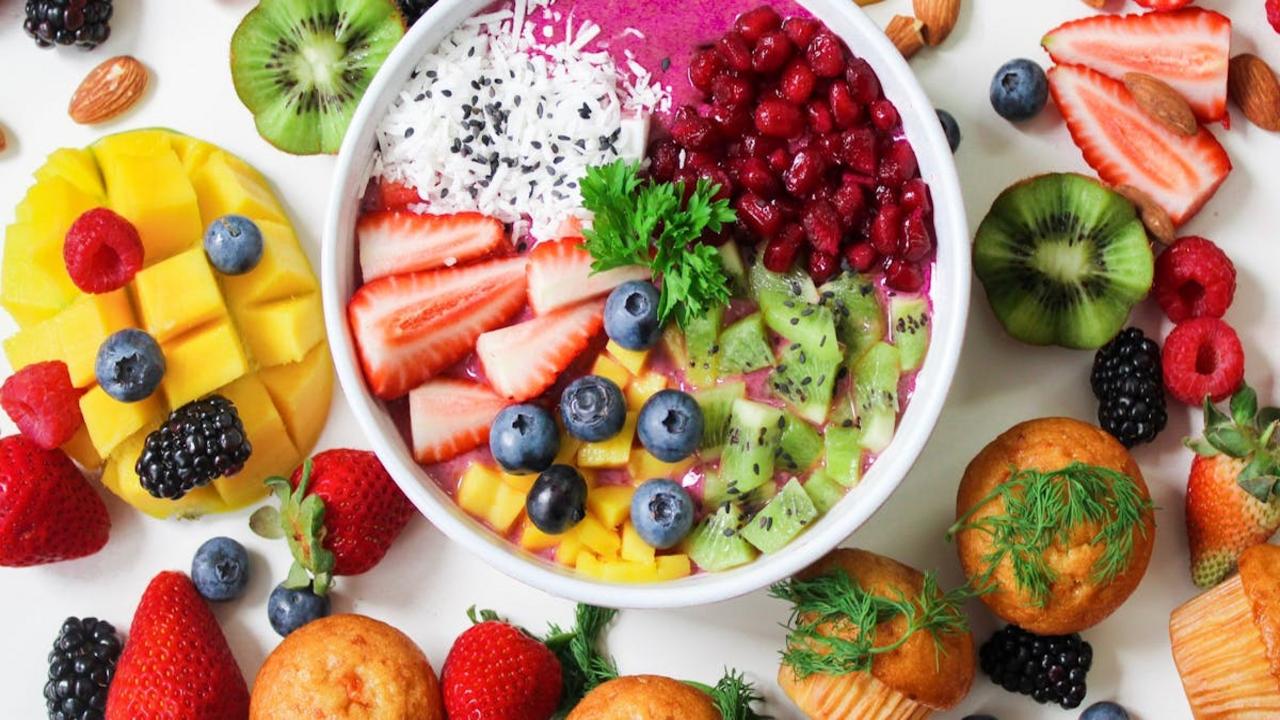
You know that afternoon sugar crash that hits around 3 PM? Instead of reaching for candy or cookies, I want you to discover how fresh fruit can become your new best friend. Apple slices with a sprinkle of cinnamon give you that sweet satisfaction while providing fiber that keeps you full. Berries mixed with a handful of nuts create the perfect balance of natural sweetness and protein. Even frozen grapes become nature’s candy – seriously, try them! These fresh options deliver vitamins, antioxidants, and natural sugars that your body actually knows how to process.
The magic happens when you pair fresh fruits with protein or healthy fats. Think strawberries with Greek yogurt, or banana slices topped with almond butter. These combinations slow down sugar absorption and keep your energy steady throughout the day. I keep pre-cut vegetables like carrots and bell peppers ready in my fridge too – they’re surprisingly satisfying when you’re craving something crunchy. The natural sweetness in these vegetables often surprises people who think they need processed snacks to feel satisfied. Your wallet will thank you too, since fresh produce costs way less than packaged snack foods in the long run.
Unsweetened Coffee and Tea

Your morning coffee and afternoon tea breaks don’t have to be sugar-loaded to taste amazing! I know switching from sweetened beverages feels daunting at first, but your taste buds adapt faster than you think. Start by gradually reducing the sugar in your current drinks over a week or two. Add warming spices like cinnamon, cardamom, or vanilla extract to your coffee for natural sweetness and depth. For tea lovers, try naturally sweet varieties like rooibos, chamomile, or fruity herbal blends that satisfy your sweet tooth without any added sugars.
The beauty of unsweetened coffee and tea lies in discovering their true flavors. High-quality coffee beans reveal notes of chocolate, fruit, or nuts that sugar often masks. Similarly, premium teas offer complex flavor profiles from floral and grassy to bold and malty. Cold brew coffee naturally tastes smoother and less acidic, making the transition easier. If you need a touch of sweetness, try adding a splash of unsweetened almond milk or a pinch of stevia. Within two weeks, you’ll wonder why you ever needed all that sugar in the first place!
Water Over Sugary Drinks

Making the switch from sugary drinks to water might sound boring at first, but trust me – your body will thank you for this simple change! Those sodas, fruit juices, and fancy coffee drinks pack way more sugar than you realize, often containing 25-40 grams per serving. That’s basically eating 6-10 teaspoons of sugar in liquid form. When you choose water instead, you’re instantly eliminating hidden sugars that sneak into your daily routine without adding any nutritional value.
If plain water feels too bland, jazz it up with natural flavor boosters that won’t spike your blood sugar. Try adding fresh lemon slices, cucumber rounds, mint leaves, or frozen berries to create refreshing infused waters. Sparkling water with a splash of unsweetened cranberry juice gives you that fizzy satisfaction without the sugar crash. You can even freeze fruit pieces in ice cube trays for a fun twist that slowly releases natural flavors as they melt. These creative approaches help you stay hydrated while breaking free from sugar dependency, and your energy levels will stay steady throughout the day.
Fruit Instead of Candy
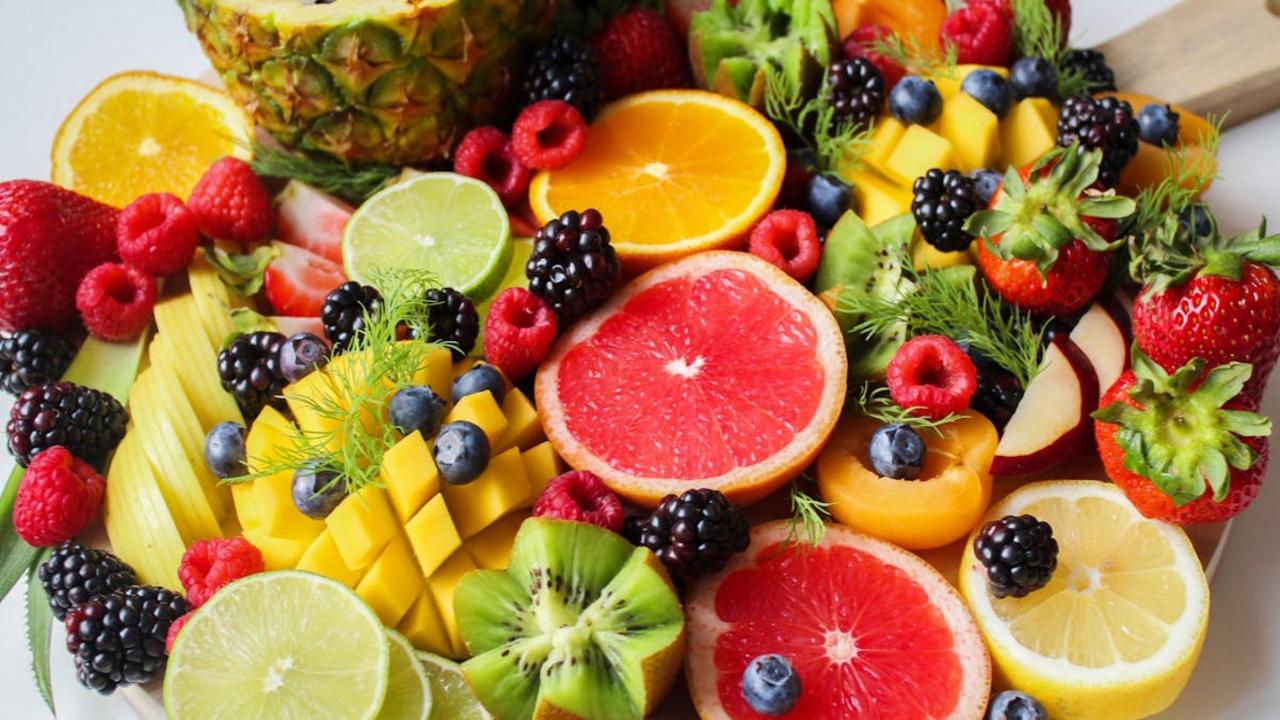
Trading candy for fresh fruit might sound like the oldest trick in the healthy eating playbook, but hear me out – this swap goes way beyond just cutting calories. When you reach for a juicy peach instead of gummy bears, or grab some frozen grapes instead of hard candies, you’re not just satisfying that sweet craving. You’re flooding your body with vitamins, fiber, and antioxidants that candy simply can’t provide. The natural sugars in fruit come packaged with nutrients that help your body process them more efficiently, preventing those energy crashes that leave you hunting for more sugar an hour later.
The beauty of this swap lies in how creative you can get with it. Freeze some grapes for a candy-like treat that takes longer to eat, giving your brain time to register satisfaction. Slice up some strawberries and sprinkle them with a tiny bit of dark chocolate chips for that candy bar feeling. Or try my personal favorite – dates stuffed with almond butter for when you need something rich and indulgent. The natural sweetness hits differently than processed sugar, and once your palate adjusts, you’ll find yourself craving the complex flavors that only real fruit can deliver. Your future self will thank you for making this simple but powerful switch.
Smart Breakfast Choices
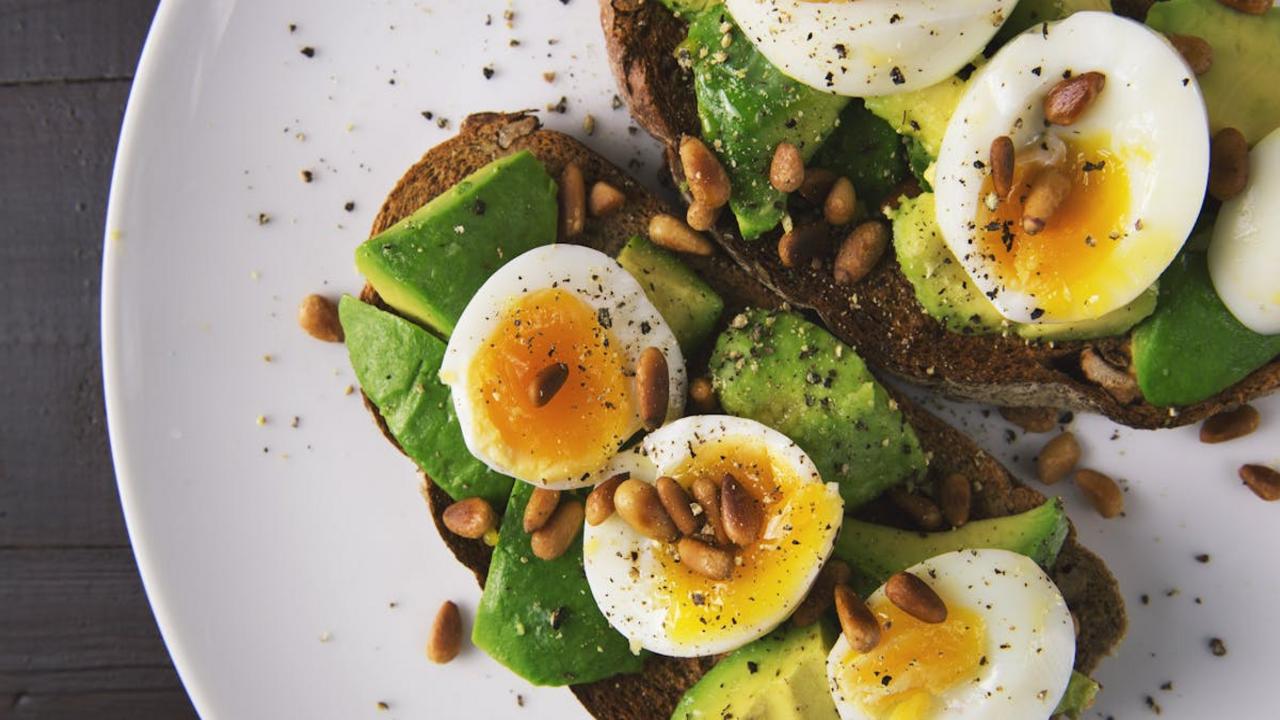
Your morning routine deserves a sugar makeover that won’t leave you feeling deprived or rushed out the door. Instead of reaching for those sugar-packed cereals or syrupy pancake mixes, try swapping in steel-cut oats topped with fresh berries and a sprinkle of cinnamon. The natural sweetness from the fruit combined with warming spices creates a satisfying bowl that keeps your energy steady throughout the morning. You can even prep overnight oats with unsweetened almond milk, chia seeds, and vanilla extract for those busy weekdays when every minute counts.
Greek yogurt becomes your new best friend when you ditch the flavored varieties loaded with added sugars and create your own parfait masterpiece. Mix plain, full-fat Greek yogurt with a drizzle of pure maple syrup and layer it with chopped nuts, seeds, and seasonal fruit. This protein-rich combination gives you that creamy, indulgent texture you crave while providing lasting satiety. The beauty of this approach is that you control exactly how much sweetness goes into your bowl, and your taste preferences can guide the way rather than letting food manufacturers decide for you.
Choose Natural Sweeteners
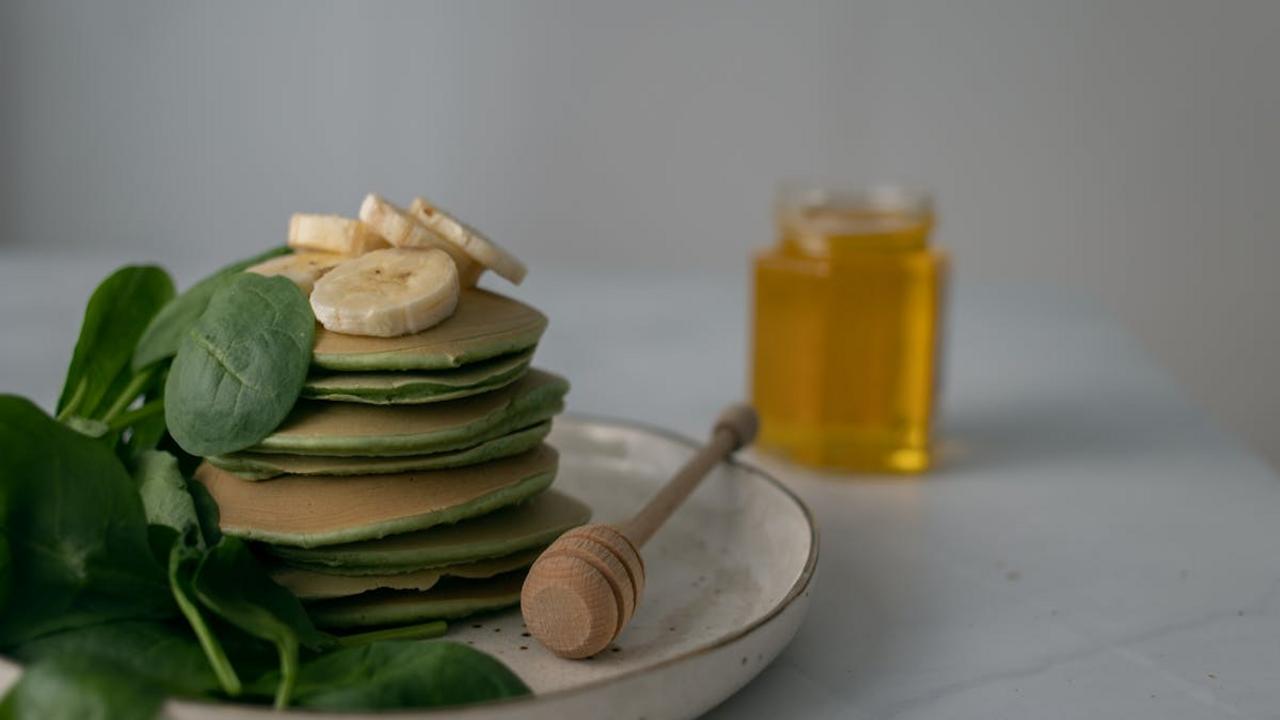
When you’re ready to break up with refined sugar, natural sweeteners become your new best friends in the kitchen. Honey, pure maple syrup, and dates offer incredible depth of flavor that white sugar simply can’t match. I love how honey brings floral notes to my morning yogurt, while maple syrup adds that rich, caramel-like sweetness to pancakes and oatmeal. Medjool dates, when blended into a paste, create the most luxurious texture in smoothies and energy balls. These natural options contain minerals and antioxidants that your body actually recognizes and can use.
The beauty of switching to natural sweeteners lies in their unique personalities – each one brings something special to your recipes. Coconut sugar has a subtle molasses flavor that works wonderfully in baked goods, while stevia leaves from your garden can sweeten your tea without any calories at all. Start small with these swaps – replace half the sugar in your favorite cookie recipe with mashed banana or applesauce. You’ll discover that natural sweeteners often require less quantity than refined sugar because they pack more complex flavors. Your palate will gradually adjust, and soon you’ll wonder why you ever thought you needed all that processed sweetness in the first place.
Read Nutrition Labels

You know that moment when you pick up what seems like a healthy product, only to discover it contains more sugar than a candy bar? I’ve been there countless times, and learning to decode nutrition labels became my secret weapon for making smarter kitchen choices. Start by checking the “Total Sugars” line, but don’t stop there – scan the ingredients list for sneaky sugar aliases like high fructose corn syrup, maltose, dextrose, or anything ending in “-ose.” Companies love to hide sugar behind fancy names, so becoming a label detective will save you from countless sugar bombs disguised as wholesome foods.
Make this habit stick by comparing similar products side by side during your grocery trips. You’ll be amazed how one brand of pasta sauce might pack 12 grams of sugar per serving while another contains just 4 grams – same flavor, completely different sugar impact on your family’s health. I always teach my readers to look for products with fewer than 6 grams of added sugar per serving, and remember that ingredients are listed by weight, so if sugar appears in the first few ingredients, put that item back on the shelf. Your future self will thank you for taking those extra 30 seconds to make informed choices that support your sugar reduction goals.