12 Delicious Reasons to Bring Back the Family Dinner Table
Remember sitting around the dinner table with your family? Amid our busy schedules, this tradition often disappears. Yet gathering for meals gives us so much more than food – it builds meaningful connections. Regular family dinners create a dedicated space where everyone can share their day, discuss ideas, and truly listen to each other.
Your family thrives when you eat together! Children who regularly join family meals typically eat healthier foods and develop better communication skills. Parents benefit too, finding moments of joy in daily life while teaching values through mealtime conversations. The dinner table becomes your family’s anchor during life’s ups and downs.
Bringing back family dinners doesn’t require fancy cooking or perfect attendance. Even twice-weekly gatherings make a difference. Turn off phones, serve simple foods you enjoy, and focus on conversation. The memories you create and skills you build together at the dinner table will nourish your family for years to come.
Refinement of Conflict Resolution Skills

Family dinners create the perfect training ground for learning how to handle disagreements with grace and understanding. When your teenager rolls their eyes at your choice of vegetables or siblings squabble over the last piece of garlic bread, you’re witnessing valuable lessons in real time. These moments teach everyone at the table how to express their feelings respectfully, listen to different viewpoints, and find compromises that work for the whole family. I’ve watched countless families transform their communication patterns simply by making dinner conversation a priority and creating space for everyone’s voice to be heard.
The magic happens when you model healthy conflict resolution during these shared meals. Instead of avoiding disagreements or letting them escalate into arguments, family dinners give you the chance to show your kids how to talk through differences calmly and constructively. Whether it’s negotiating who gets to choose next week’s menu or discussing different opinions about weekend plans, these regular interactions build emotional intelligence and problem-solving abilities that your children will carry into their relationships, school environments, and future workplaces. You’re literally serving up life skills alongside that homemade lasagna!
Support for Academic Success

When families gather around the dinner table regularly, something magical happens with kids’ report cards. Studies consistently show that children who eat with their families perform better in school, earn higher grades, and develop stronger vocabulary skills. The dinner table becomes a natural classroom where parents ask about homework, discuss current events, and encourage thoughtful conversation. This daily check-in creates accountability and shows children that their education matters to the whole family.
Think about it – where else do kids get uninterrupted time to practice communication skills, learn new words, and engage in meaningful dialogue? During family meals, children hear complex sentence structures, absorb diverse topics of conversation, and build confidence expressing their own thoughts and ideas. Plus, research shows that kids who regularly eat family dinners are more likely to stay engaged in school activities and less likely to skip classes. You’re not just serving dinner; you’re serving up better grades, improved focus, and a genuine love of learning that will benefit your children for years to come.
Promotion of Responsibility and Routine
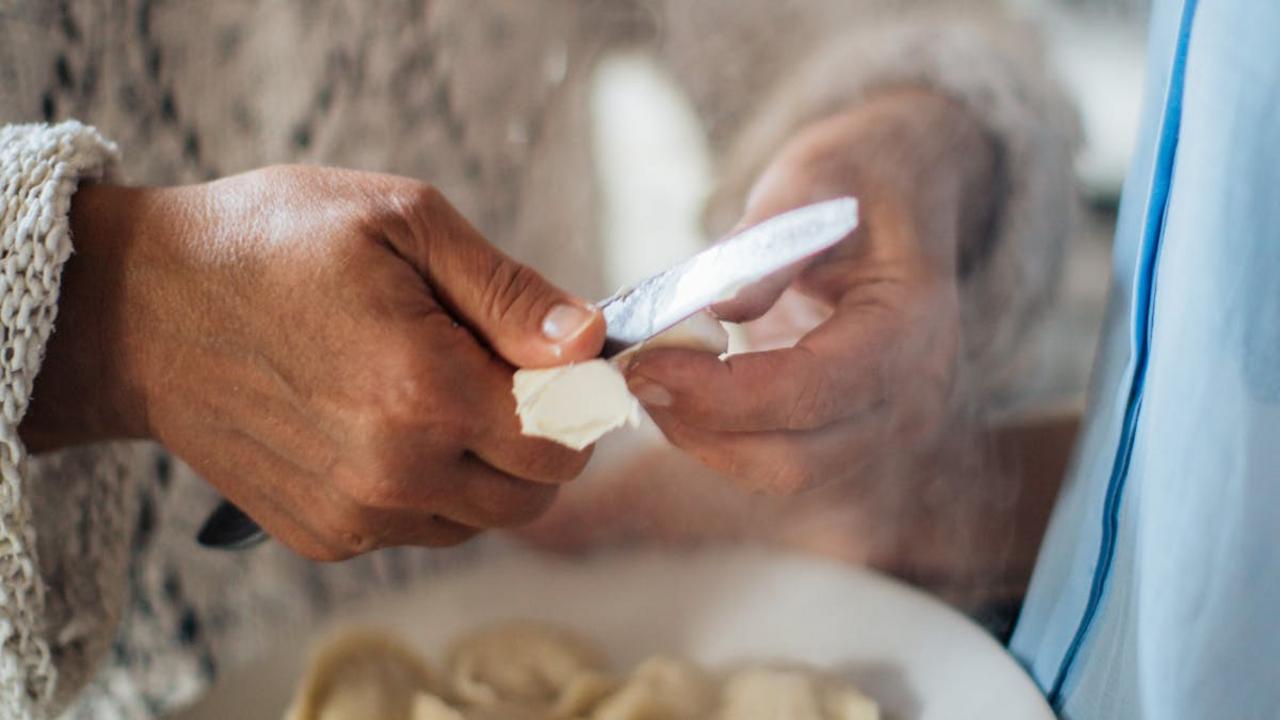
Family dinner time creates natural opportunities for everyone to pitch in and take ownership of mealtime preparation. When you assign each family member a specific role – whether it’s setting the table, chopping vegetables, or helping with cleanup – you’re building a system where everyone contributes to the household. Kids learn that meals don’t magically appear on the table; they require planning, preparation, and teamwork. This shared responsibility extends beyond the kitchen, teaching children valuable life skills while lightening the load for parents who often feel overwhelmed by daily meal preparation.
The beauty of regular family dinners lies in how they anchor your day with predictable structure that everyone can count on. When you establish a consistent dinner schedule, your family develops healthy rhythms that support better time management and emotional stability. Children thrive on routine, and knowing that dinner happens at the same time each day helps them organize their homework, activities, and free time more effectively. This predictability also gives you a chance to model good planning habits, showing your kids how to balance work, school, and family time while maintaining the priority of sitting down together for nourishing meals.
Development of Social Skills

Sitting around the dinner table creates the perfect environment for your kids to practice conversation skills, learn proper table manners, and understand social cues in a relaxed setting. When you gather your family for meals, children naturally pick up on how to wait their turn to speak, listen actively to others, and engage in meaningful dialogue about their day, school experiences, or current events. These daily interactions teach them patience, empathy, and how to read facial expressions and body language—skills that will serve them well throughout their lives.
The dinner table becomes a safe space where your children can experiment with different communication styles, ask questions freely, and receive immediate feedback from family members. You’ll notice how they start to understand the give-and-take of conversation, learning when to share their own stories and when to show interest in what others are saying. This regular practice in a supportive environment builds their confidence in social situations, whether they’re talking to teachers, making new friends, or participating in group activities at school. The ripple effect of these dinner table conversations extends far beyond your dining room, shaping how your children interact with the world around them.
Encouragement of Open Dialogue

You know what happens when everyone gathers around the dinner table? Magic starts flowing through conversations! When your family sits down together over a home-cooked meal, something beautiful unfolds – people actually start talking to each other. Without phones buzzing or televisions blaring, your dining room becomes a safe space where everyone feels comfortable sharing their thoughts, dreams, and daily experiences. I’ve watched countless families rediscover the joy of genuine conversation over bowls of hearty soup and plates of roasted vegetables. The simple act of passing dishes around creates natural opportunities for connection.
Your dinner table transforms into the perfect environment for meaningful discussions that strengthen family bonds. Kids feel more confident speaking up about school experiences, weekend plans, or even those tricky situations they’re working through. Parents get real insights into their children’s lives while sharing their own stories and wisdom. This regular practice of open communication builds trust and understanding that extends far beyond mealtime. Plus, when you’re all focused on enjoying delicious food together, conversations flow more naturally – there’s something about sharing a meal that breaks down barriers and brings out everyone’s authentic selves.
Opportunity to Pass Down Traditions

Your family dinner table becomes a living classroom where generations connect through food and stories. When you gather everyone around for a home-cooked meal, you create the perfect setting to share your grandmother’s secret spice blend or teach your kids how to fold dumplings just like your mother taught you. These moments go far beyond just eating – you’re actively preserving your family’s food heritage and creating new memories that your children will carry forward. I watch families in my community do this beautifully, passing down everything from holiday cookie recipes to the proper way to season cast iron, and it fills my heart every time.
You’ll discover that food traditions become the threads that weave your family’s story together across generations. Whether you’re teaching your teenager to make your signature pasta sauce or sharing the story behind why your family always serves a particular dish on special occasions, these dinner table moments create lasting bonds. Your children absorb not just the flavors and techniques, but the love and history behind each recipe. They learn that cooking isn’t just about nutrition – it’s about connection, celebration, and keeping family memories alive. Start small by sharing one special recipe or food story each week, and watch how these traditions naturally become part of your family’s identity.
Increased Sense of Belonging

Sharing meals around the dinner table creates something magical that happens naturally when families gather together regularly. Your kids start to feel like they truly belong somewhere special, and that somewhere is right at home with you. When you make family dinner a priority, you’re building invisible threads that connect everyone at the table. These moments become anchors in your children’s lives – they know that no matter what happens during their day, they have a safe place to return to where they’re welcomed, heard, and valued.
Think about how powerful it feels when your teenager actually opens up about their day while passing the mashed potatoes, or when your youngest shares their silly school stories between bites of their favorite meal. These conversations don’t happen by accident – they bloom naturally when everyone knows they belong at this table. You’re creating a family identity that extends far beyond the kitchen, where each person feels secure in their role and confident in their place within the family unit. Regular family dinners become the foundation where your children learn they matter, their voices count, and they’re an important part of something bigger than themselves.
Reduced Screen Time

You know that moment when everyone’s phones buzz at once during dinner? That’s exactly why family meals become such powerful screen-free zones! When you gather around the dinner table, something magical happens – those glowing devices naturally fade into the background as real conversations take center stage. I’ve watched families transform their evening routines simply by establishing one rule: no phones, tablets, or TVs during mealtime. The result? Kids actually talk about their day, parents share stories from work, and everyone connects on a deeper level than any social media post could ever provide.
Creating this tech-free sanctuary doesn’t require any fancy strategies or complicated rules. Start small by designating just 30 minutes for phone-free family time centered around a home-cooked meal you’ve prepared together. Watch how naturally the conversation flows when there aren’t any digital distractions competing for attention. Your teenagers might resist initially, but they’ll soon discover that sharing funny school stories beats scrolling through endless feeds. Plus, when you’re all focused on savoring that delicious homemade pasta or discussing weekend plans, you’re building memories that no screenshot can capture. These screen-free moments become the foundation for stronger family bonds and more meaningful relationships.
Enhanced Emotional Wellbeing
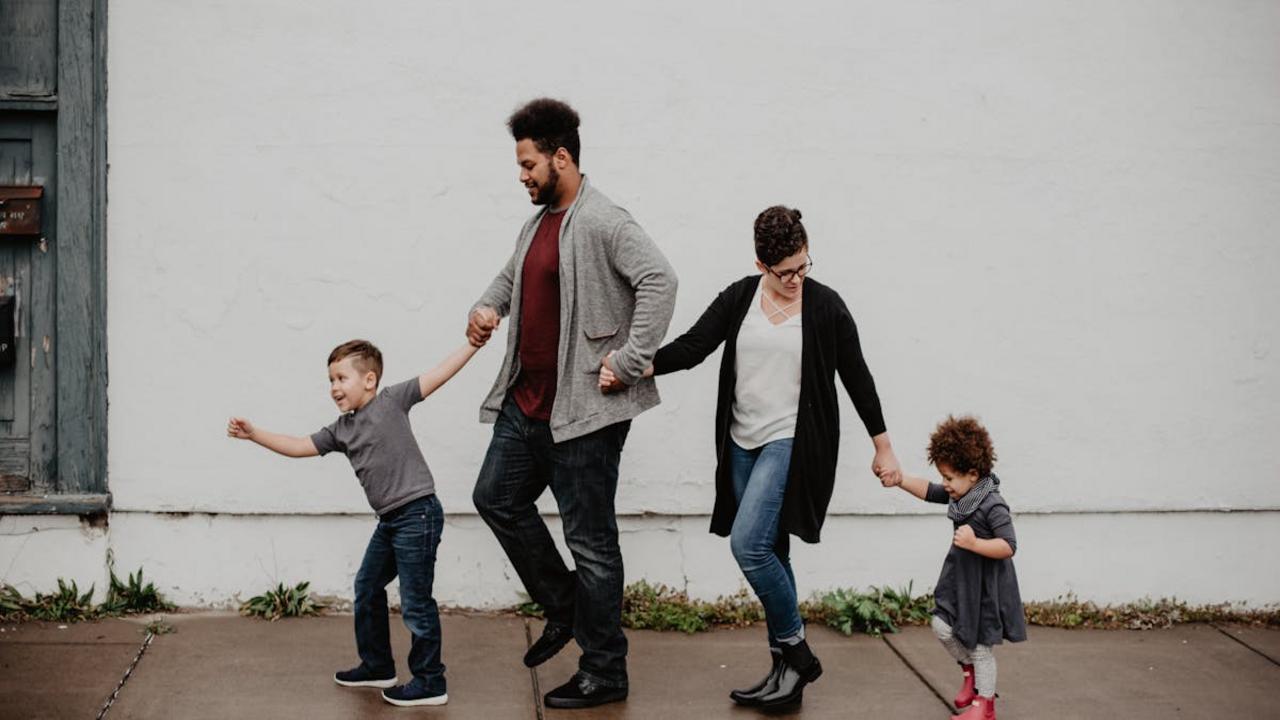
There’s something magical that happens when your family gathers around the dinner table each evening. Beyond the shared meals and conversations, these moments create a powerful foundation for emotional health that ripples through every family member’s life. Research consistently shows that children who regularly eat dinner with their families experience lower rates of depression, anxiety, and behavioral problems. The simple act of coming together creates a safe space where feelings can be shared, problems can be discussed, and support flows naturally between loved ones.
You’ll notice how these regular dinner gatherings become your family’s emotional anchor point. The consistency provides comfort during stressful times, while the open communication builds trust and strengthens relationships. Parents who prioritize family dinners often find their children are more likely to confide in them about school troubles, friendship drama, or personal struggles. This creates a protective buffer against life’s ups and downs, giving everyone in your family the emotional tools they need to thrive. When you commit to regular family meals, you’re not just feeding bodies – you’re nourishing hearts and minds in ways that last a lifetime.
Healthier Eating Habits

When you gather your family around the dinner table regularly, something magical happens to your eating habits. You’ll notice that home-cooked meals naturally contain more vegetables, lean proteins, and whole grains compared to grabbing takeout or eating on the go. I’ve watched countless families transform their relationship with food simply by making dinner time a priority. You control every ingredient that goes into your meals, which means less processed food, fewer preservatives, and more nutritious choices that fuel your body properly.
The beauty of family dinners lies in how they slow down your eating pace and create mindful moments around food. When you sit together and actually talk during meals, you give your brain time to register fullness signals, which prevents overeating. Your kids will naturally try new foods when they see everyone else enjoying them, and you’ll find yourself making more thoughtful choices about portion sizes and balanced plates. Plus, cooking together becomes a wonderful opportunity to teach your family about nutrition while creating meals that everyone can feel good about eating.
Stronger Family Bonds

When you gather everyone around the dinner table, something magical happens that goes far beyond just sharing a meal. You create a sacred space where family members naturally connect, share stories from their day, and truly listen to one another without the distractions of phones, tablets, or television. This simple act of coming together over food builds trust, improves communication, and strengthens the emotional ties that bind your family together. Research consistently shows that families who eat together regularly report higher levels of happiness, better relationships between parents and children, and a stronger sense of belonging.
The dinner table becomes your family’s daily meeting ground where you can celebrate victories, offer support during tough times, and create lasting memories through shared conversations and laughter. Children who grow up with regular family dinners develop better social skills, feel more secure in their relationships, and maintain closer connections with their parents well into adulthood. You’ll notice how these consistent moments of connection ripple outward, creating a more harmonious household where everyone feels valued and heard. Make tonight the night you start this beautiful tradition – your family bonds will thank you for it.
Improved Communication Skills

When you gather everyone around the dinner table, something magical happens – conversations flow more naturally than they ever would while everyone’s scattered around the house with their devices. Your family actually talks to each other! Kids share what happened at school, parents discuss their day, and siblings connect over shared experiences. This regular practice of face-to-face conversation helps children develop stronger verbal skills, learn to listen actively, and express their thoughts more clearly. They pick up on social cues, understand tone of voice, and master the back-and-forth rhythm of meaningful dialogue.
Think about it – where else do your kids get this kind of uninterrupted practice with real conversation? These dinner table chats teach them how to ask thoughtful questions, share stories, and even disagree respectfully. You’re giving them tools they’ll use throughout their lives, from job interviews to romantic relationships. Plus, when you’re all focused on each other instead of screens, you create space for deeper connections. Your teenager might actually open up about their day, your little one will feel heard and valued, and you’ll discover things about your family members you never knew before.