14 Popular Dishes You Think Are Italian But Actually Aren’t
Think your favorite “Italian” dishes come straight from Nonna’s kitchen in Naples? I hate to burst your pasta bubble, but many beloved “Italian classics” on American menus would baffle actual Italians. That creamy Chicken Alfredo you adore? Pure American invention. Those giant meatballs swimming in spaghetti? Not from Italy either!
What happens in the translation from Italian to Italian-American creates fascinating food hybrids. Immigrants adapted traditional recipes using local ingredients, creating new dishes that stuck. Pepperoni, garlic bread, and even “Italian dressing” exist primarily outside Italy’s borders, born from nostalgia and necessity rather than authentic tradition.
The real kicker? Many Italians would find our versions of their cuisine strange, excessive, or just plain wrong. That doesn’t make these dishes any less delicious – they’re just part of a different food story. So next time you order Shrimp Scampi or Penne alla Vodka, know you’re enjoying American creativity with Italian inspiration.
Penne alla Vodka
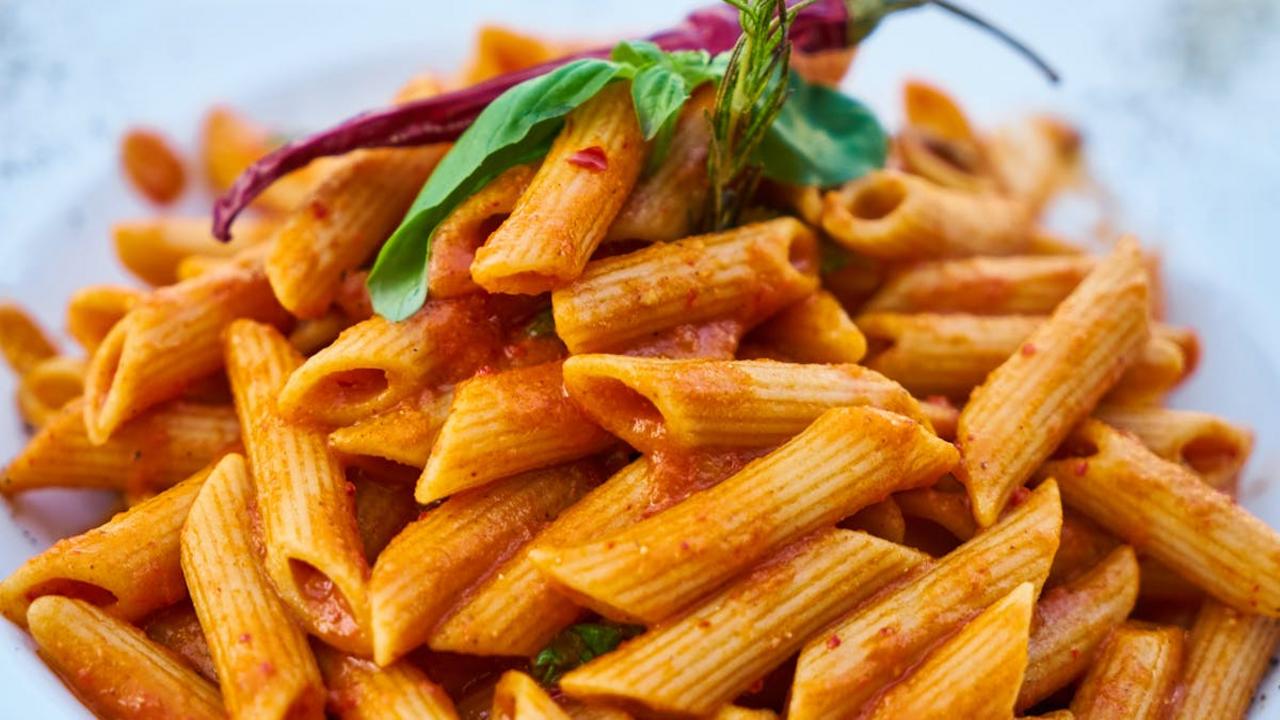
That creamy, tomato-y penne alla vodka you’ve been ordering at your local Italian joint? Spoiler alert: it’s about as Italian as I am a rocket scientist! This pink pasta dish actually burst onto the scene in New York City during the 1970s. Legend has it that a Columbia University student created it, while others claim it was born in a New York restaurant called Orsini. The vodka isn’t just for kicks—it actually acts as an emulsifier between the tomato sauce and cream, and helps release flavors that would otherwise remain locked in the tomatoes. Your Italian grandmother might scoff, but Americans sure embraced this creamy concoction!
The beauty of penne alla vodka lies in its simplicity—tubes of pasta coated in a luscious sauce made from tomatoes, cream, vodka, and a kick of red pepper flakes. You’ll rarely find this dish on menus in Italy, where locals might look at you sideways if you order it. Instead, it’s a perfect example of Italian-American fusion cuisine that took off in popularity during the disco era and hasn’t looked back since. So next time you’re twirling your fork through that blush-colored sauce, remember you’re enjoying a delicious bit of American ingenuity with Italian inspiration—no passport required!
Marinara Sauce (as we know it today)
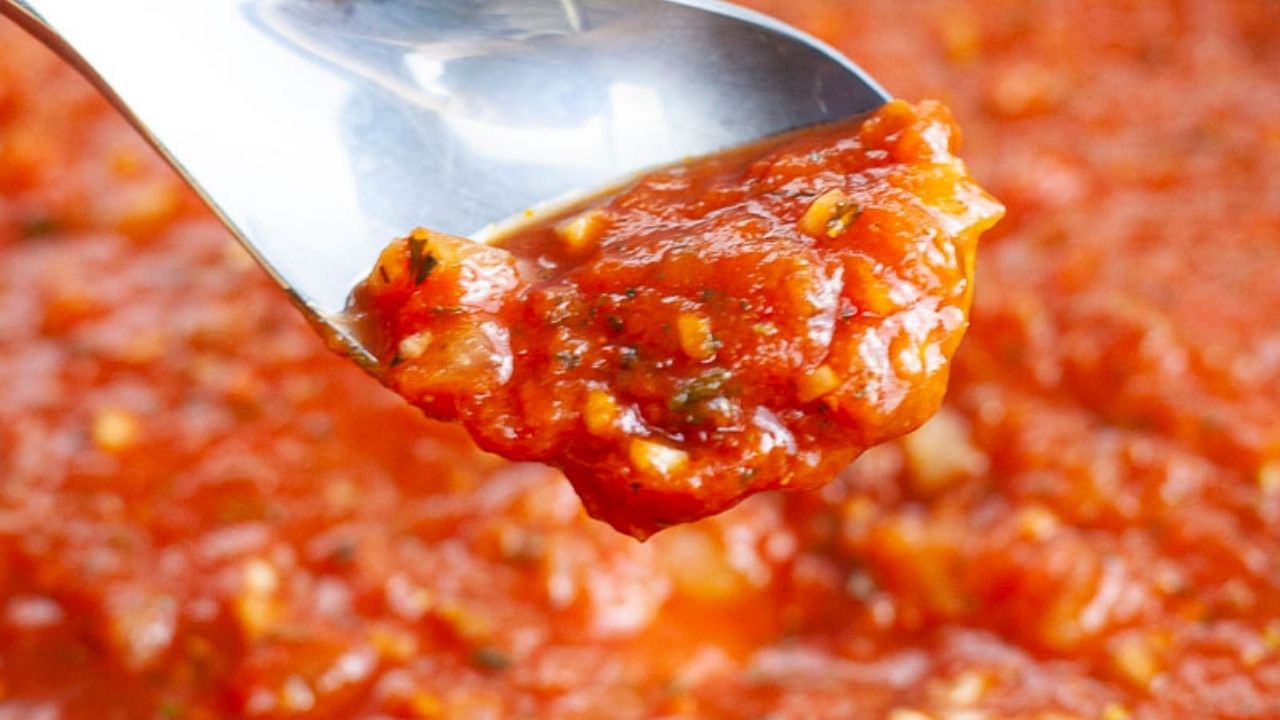
Hold onto your pasta forks, folks! That bright red marinara sauce you’ve been happily dousing your spaghetti with isn’t the authentic Italian creation you thought. The original Italian “alla marinara” simply meant prepared in the style of sailors, typically featuring olives, capers, and anchovies—nothing like our smooth tomato concoction! What Americans call marinara sauce evolved in the early 20th century when Italian immigrants adapted their recipes with abundant American tomatoes. The thick, herb-infused sauce we now dip our mozzarella sticks into? That’s a delicious Italian-American invention.
I cracked up when I discovered that many Italians visiting America get confused by our version of marinara. In Italy, you’ll rarely find this sauce sold in jars or labeled as “marinara” on menus. Instead, they have simpler sauces like “pomodoro” (tomato) or “sugo di pomodoro.” Next time you’re ladling that rich, garlicky marinara over your pasta or pizza, remember you’re enjoying a wonderful Italian-American fusion creation—not something you’d typically find on tables in Naples or Rome. It’s still amazing, just born from the creativity of immigrants rather than ancient Italian tradition!
Shrimp Scampi
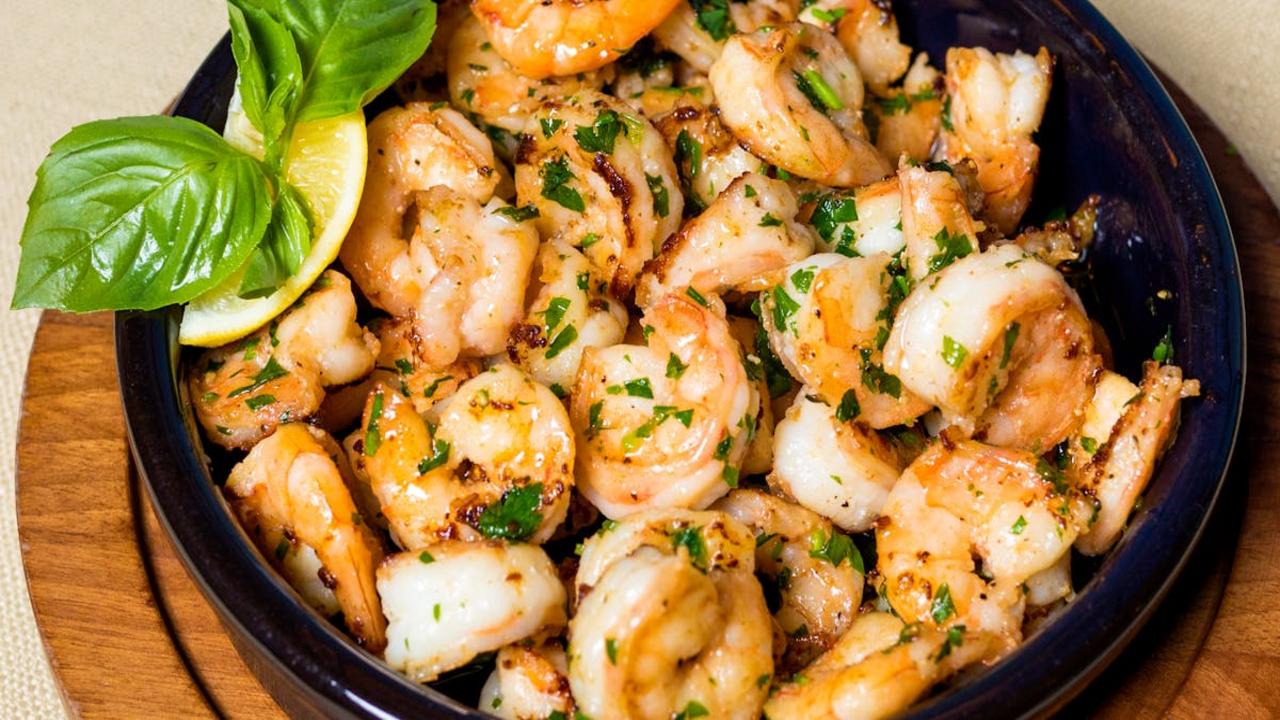
Oh, shrimp scampi – that buttery, garlicky seafood dish you’ve probably ordered countless times at your local Italian joint! But here’s the kicker: authentic Italian cuisine doesn’t actually include this American restaurant staple. The word “scampi” in Italy refers to langoustines (tiny lobster-like crustaceans), not the cooking method. What Americans call “shrimp scampi” would utterly confuse an Italian chef – it’s basically saying “shrimp lobsters,” which makes zero sense!
The American version emerged in the early 20th century when Italian immigrants couldn’t find scampi and substituted shrimp instead. They kept the name, creating this linguistic oddity that stuck around. Your typical American shrimp scampi – shrimp sautéed with butter, garlic, white wine and sometimes breadcrumbs – evolved completely separately from Italian cooking traditions. Next time you twirl that fork through your scampi and linguine, remember you’re enjoying a thoroughly American creation with just an Italian-sounding name tag slapped on for good measure!
Italian Dressing
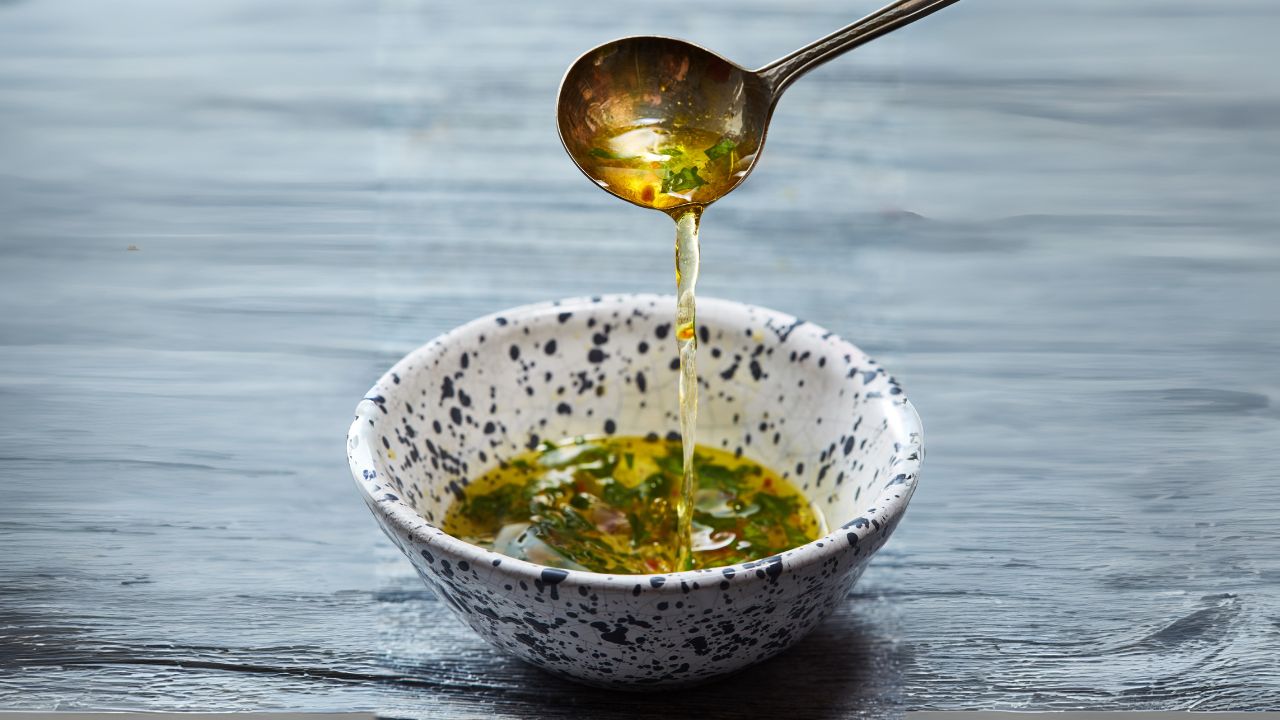
That bottle of herby, vinegary goodness in your fridge with “Italian” on the label? Total American fraud! Real Italians would be genuinely confused if you asked for Italian dressing in a restaurant. This American creation typically contains oil, vinegar, water, corn syrup (gasp!), and a blend of herbs that somehow got labeled “Italian” despite never existing in authentic Italian cuisine. Americans created this concoction in the 1940s, and it exploded in popularity during the 1950s as part of our obsession with convenience foods.
In actual Italian dining, you’ll find simple oil and vinegar bottles on tables, allowing you to dress your salad exactly how you prefer. Italians typically drizzle high-quality olive oil, a splash of vinegar (often balsamic), and maybe add salt and pepper. Nothing comes premixed in a bottle with ingredients like xanthan gum or calcium disodium EDTA. So next time you’re whipping up a salad with that zesty bottled dressing, remember you’re enjoying an American invention that Italians themselves would politely decline while wondering why Americans think this represents their cuisine!
Pasta Primavera
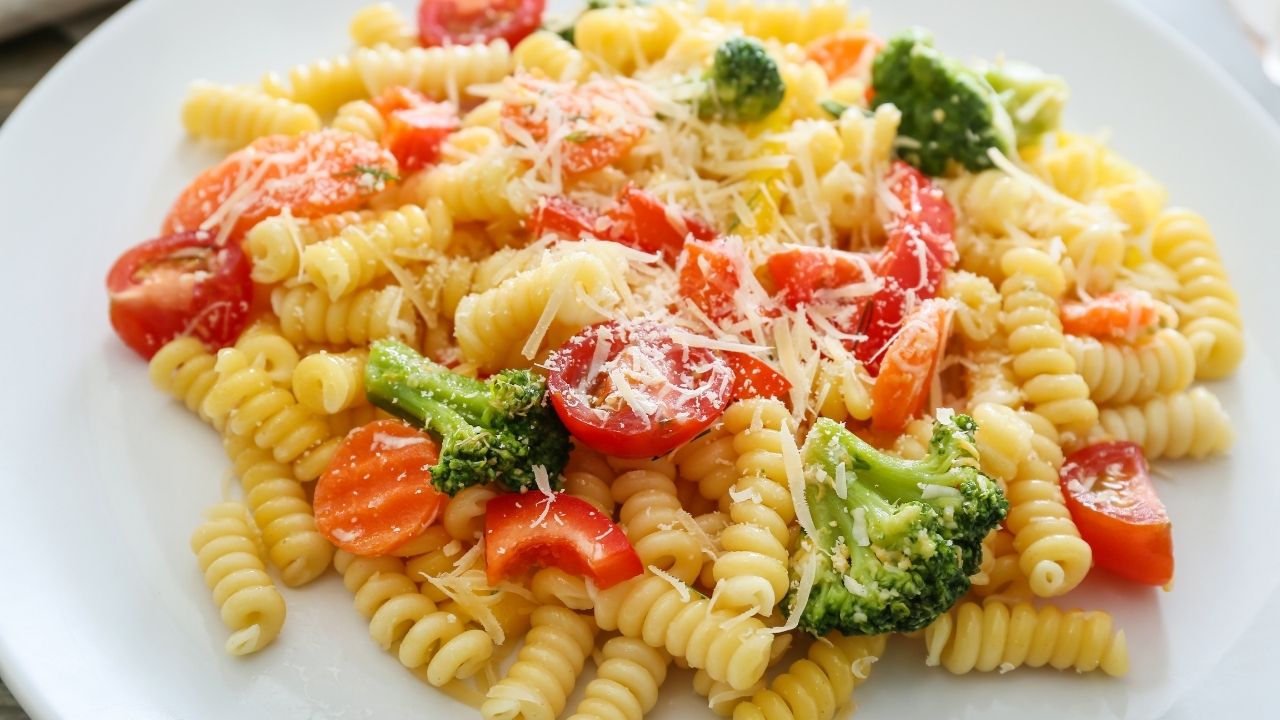
Picture this: you’re at your favorite “authentic” Italian restaurant, ordering that rainbow plate of veggies tossed with fettuccine that screams “buon appetito!” But hold onto your fork, folks! Pasta Primavera, that creamy, vegetable-loaded pasta dish, actually began its life in 1970s New York City. Created at Le Cirque restaurant by chef Sirio Maccioni, this dish came to life when he needed to feed a table of guests but had limited ingredients. He tossed together some vegetables, pasta, and cream – voilà! A non-Italian dish that most Americans now consider quintessentially Italian was born.
What makes this culinary case of mistaken identity even funnier? Most Italians would raise their eyebrows at the heavy cream sauce we Americans slather all over those spring vegetables. Traditional Italian cooking generally pairs vegetables with olive oil, not dairy-rich sauces that mask their natural flavors. The name itself means “spring pasta” in Italian, which sounds authentic enough, but the combination of ingredients and preparation method is pure American innovation. So next time you twirl that creamy veggie pasta on your fork, remember you’re enjoying a delicious bit of New York ingenuity, not a taste of the old country!
Lobster Fra Diavolo
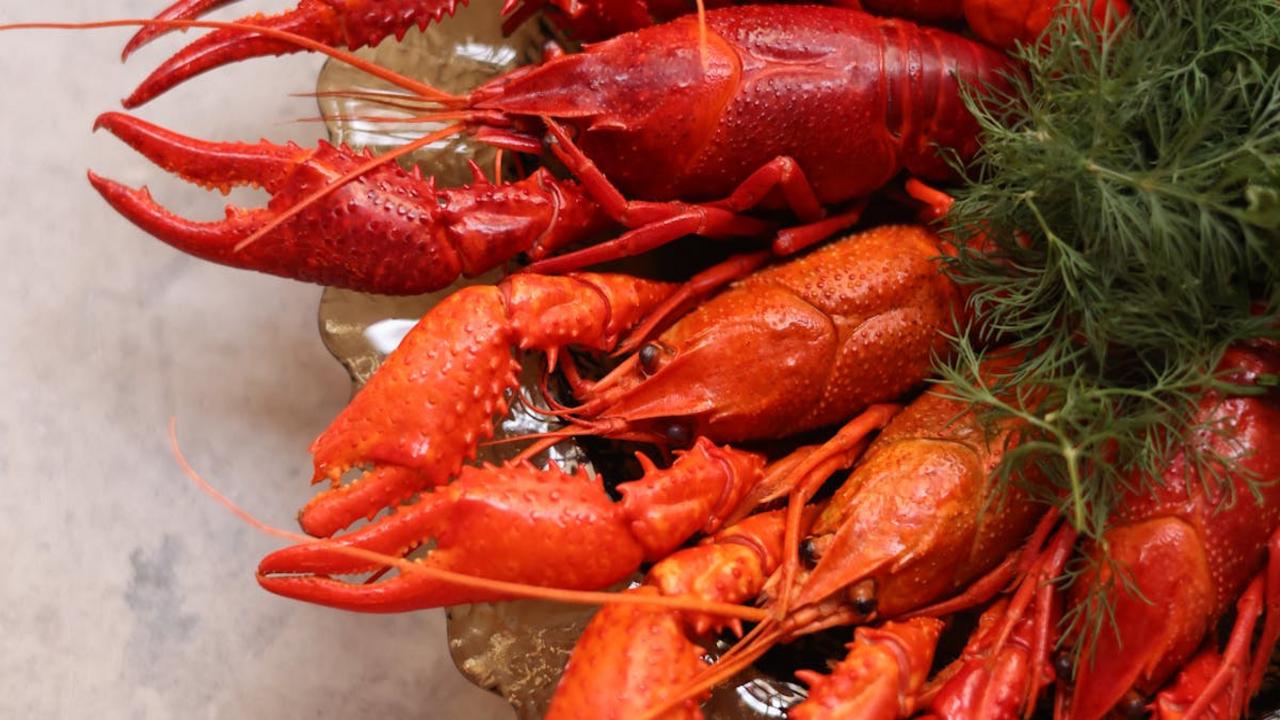
Hold onto your forks, folks! That spicy seafood dish you ordered at your favorite Italian-American restaurant—Lobster Fra Diavolo—is about as Italian as apple pie. This zesty creation, featuring lobster tossed in a fiery tomato sauce over pasta, was born right here in America in the early 20th century. Italian immigrants cooked up this dish to cater to American palates that craved both luxury (hello, lobster!) and heat. The name “Fra Diavolo” translates to “Brother Devil,” which perfectly captures its devilishly spicy kick!
You won’t find Nonna serving this in Naples or Sicily—authentic Italian cuisine typically treats seafood with a lighter touch, letting the ocean flavors shine without drowning them in sauce or spice. The heavy tomato sauce and chile heat combo is a dead giveaway of its American origins. Next time you’re twirling those spicy noodles around your fork, remember you’re enjoying a thoroughly Italian-American creation—one that showcases how immigrants adapted their cooking techniques to new ingredients and tastes. It’s fusion food history on a plate!
Cioppino
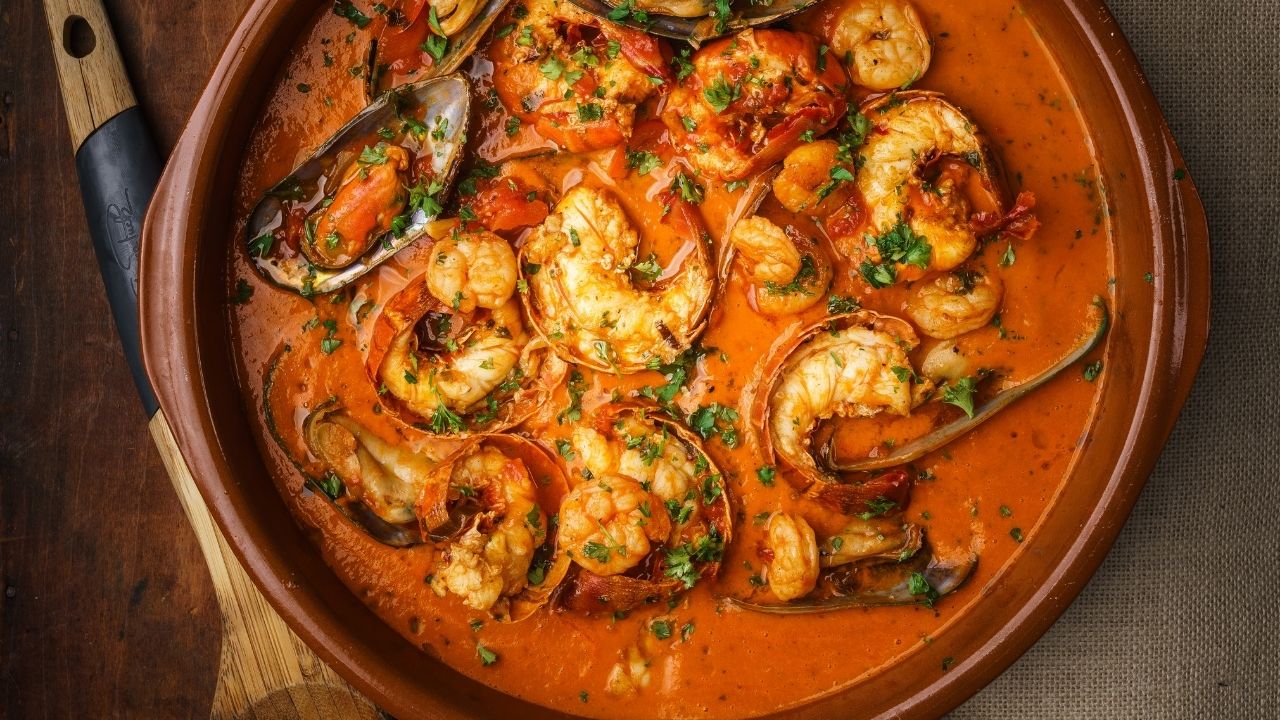
Think that tomato-based seafood stew called Cioppino hails from the boot-shaped peninsula of Italy? Sorry to break it to you, but you’ve been fooled! This hearty concoction of fish, shellfish, and aromatics in a wine-infused tomato broth actually originated in San Francisco during the 1800s. Italian immigrant fishermen, specifically from Genoa, created this dish using the catch of the day. The name allegedly comes from “ciuppin,” a Genoese word for “chopped” or “torn into small pieces” – which perfectly describes how the seafood gets thrown into the pot!
While Cioppino borrows Italian cooking techniques, it’s distinctly American in its generous abundance. Unlike its distant Italian cousin “zuppa di pesce,” Cioppino typically includes Dungeness crab (a West Coast specialty), clams, shrimp, scallops, squid, mussels, and white fish all swimming together in one glorious pot. The next time you crack those crab legs and dunk crusty sourdough into that rich broth at Fisherman’s Wharf, remember you’re enjoying a purely San Franciscan creation! Your Italian grandmother might make a magnificent version, but she picked up this recipe after arriving on American shores.
Garlic Bread
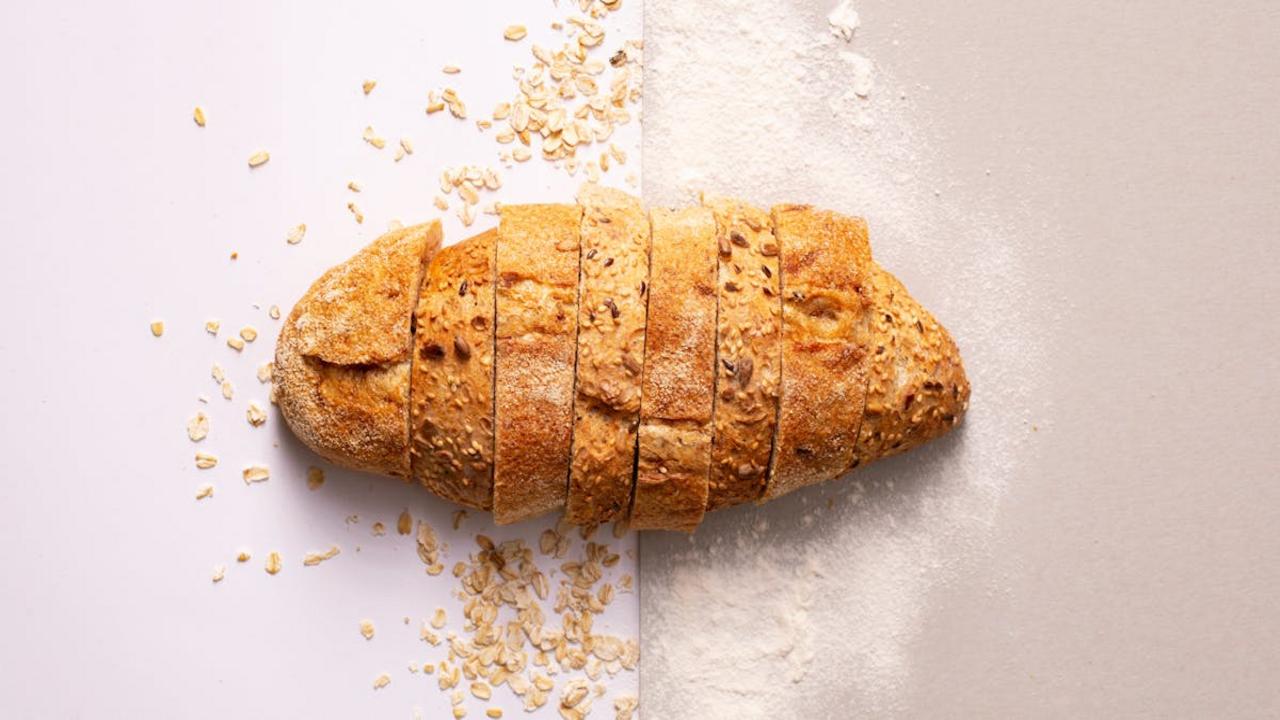
Oh, that crispy, buttery, garlicky slice of heaven you grab at your local Italian joint? Sorry to burst your bubble, but garlic bread isn’t actually Italian! This staple of American “Italian” restaurants likely evolved from bruschetta in the United States during the 1940s and 50s, when Italian-American cuisine took on a life of its own. Italians do enjoy “pane all’aglio,” but it’s typically rubbed with a raw garlic clove – no butter, no pre-made spreads, and definitely not the cheese-stuffed, herb-topped versions we devour by the basketful.
I once made the mistake of asking for garlic bread at a traditional trattoria in Rome, and the waiter looked at me like I’d requested ketchup for my pasta! In Italy, bread is sacred and usually served plain to complement the meal’s flavors, not compete with them. What we Americans consider garlic bread would make an Italian grandmother clutch her pearls in horror. Yet, there’s no denying its deliciousness, even if its roots are firmly planted in American soil rather than Italian tradition. Next time you munch on that buttery, garlic-infused goodness, remember you’re enjoying an American creation inspired by Italian cuisine!
Pepperoni
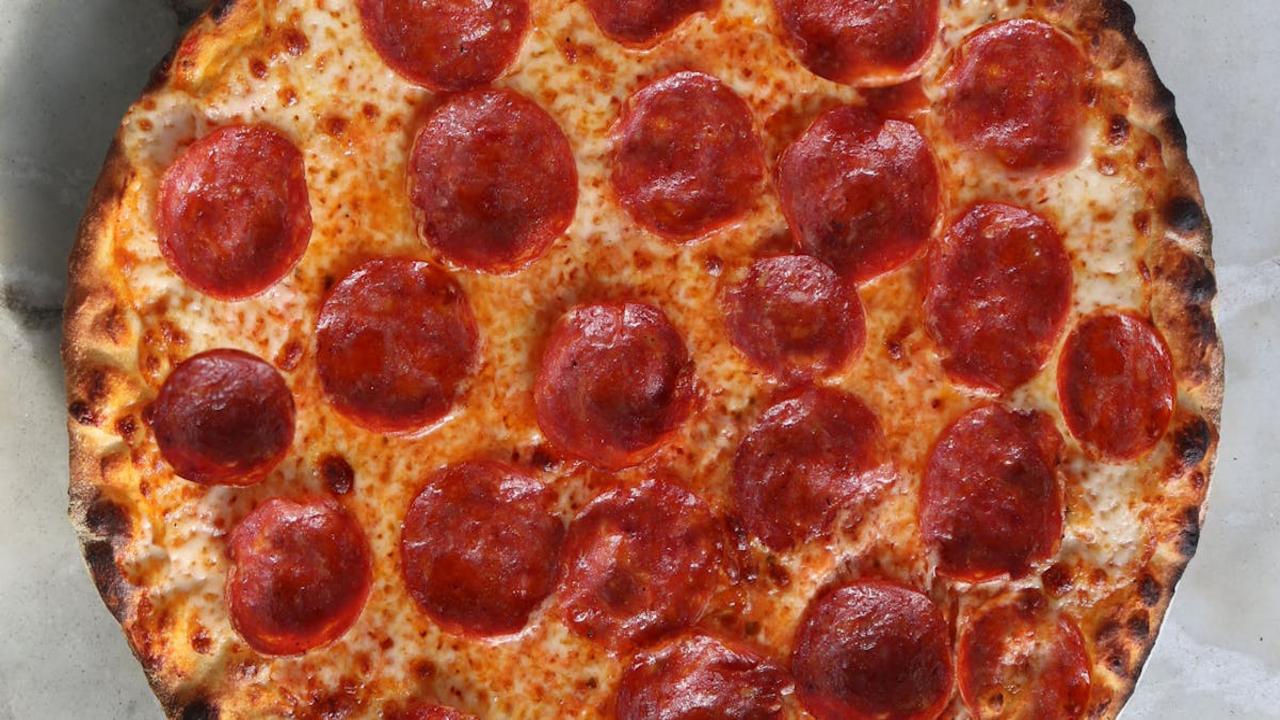
Think pepperoni pizza is straight from Naples? Sorry to burst your bubble, but this spicy salami topping is as American as apple pie! While Italy has a rich tradition of salamis, the bright red, slightly smoky pepperoni you pile on your pizza was invented by Italian immigrants in the US. The name comes from “peperoni” (with one ‘p’), which actually means bell peppers in Italian. If you ordered a “pizza con pepperoni” in Rome, you’d get a pizza topped with—you guessed it—bell peppers!
The real kicker? Authentic Italian pizza would never feature this American creation. Instead, Italians top their pies with prosciutto, mild salami, or other cured meats that don’t pack the same spicy punch. Next time you bite into that pepperoni slice, remember you’re enjoying a delicious Italian-American hybrid, born from immigrants adapting their traditions to new ingredients and tastes. The pepperoni we know today, with its characteristic red color and spicy kick, became popular in American pizzerias around the 1950s and has stayed a national favorite ever since.
Rainbow Cookies

You’ve seen them stacked prettily in Italian bakery windows—those colorful, layered treats with chocolate coating that you’ve always considered an authentic Italian dessert. Surprise! Rainbow cookies (also called tricolor cookies) are actually an American creation invented by Italian immigrants. These almond-flavored petit fours with red, green, and white layers were designed to honor the Italian flag and help maintain cultural connections in their new homeland. I spotted these colorful squares everywhere during my last trip to New York but couldn’t find a single one during my food tour through Italy!
The history behind these vibrant treats dates back to the early 20th century in New York City, where Italian-American bakers wanted something distinctive for their shop displays. The traditional recipe involves three thin cakes made with almond paste, layered with raspberry or apricot jam, then coated with chocolate. While Italians back home scratch their heads at these treats, they’ve become a fixture at American Italian celebrations, Christmas cookie exchanges, and Jewish delis (where they’re particularly popular). Next time you bite into those moist, colorful layers, remember you’re enjoying a thoroughly American invention—albeit one with strong Italian heritage!
Italian Wedding Soup
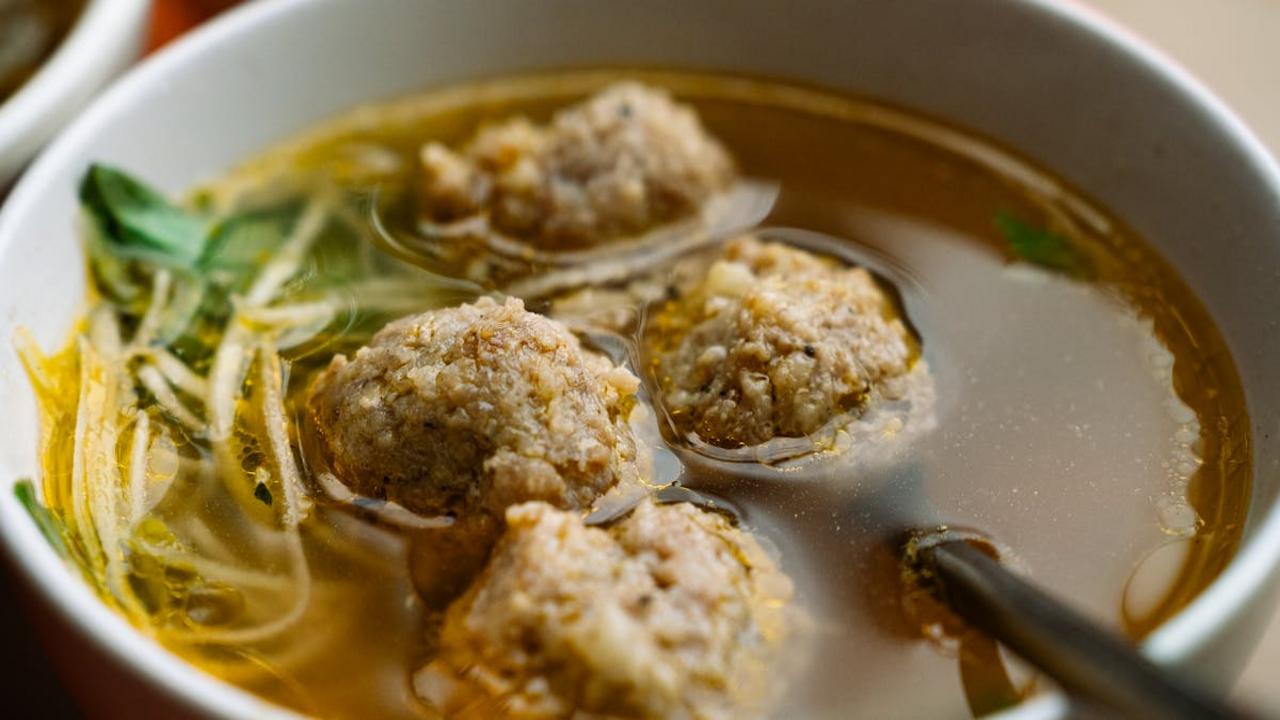
Surprise! That cozy bowl of Italian Wedding Soup you love? Not actually from Italy! Despite its romantic name, no Italian bride has this soup at her wedding. It’s actually an Italian-American creation, born from a mistranslation of “minestra maritata” (married soup). The “marriage” refers to the harmonious blend of meat and greens in the broth—not actual nuptials! Americans took this concept and transformed it into the tiny meatball and spinach concoction we know today.
You won’t find this soup on menus in Rome or Naples. Traditional Italian “married soup” features a variety of meats (often leftover scraps) with seasonal greens in a rich broth—quite different from our neat little meatball version. Next time you spoon up this comforting dish, impress your dinner companions with this tidbit! The dish perfectly represents how immigrant foods transform in new homes, creating something unique that honors tradition while becoming entirely new. It may not be authentically Italian, but it’s certainly delicious!
Spaghetti and Meatballs
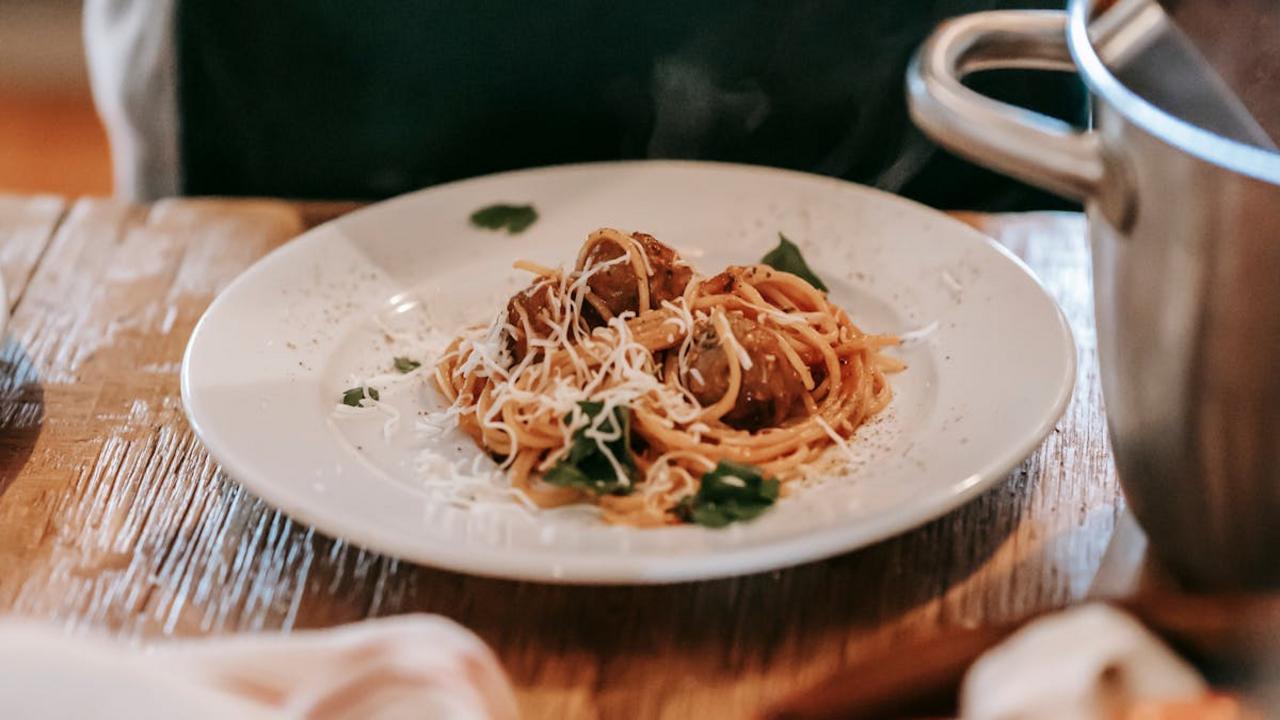
Mama mia! That heaping plate of spaghetti topped with massive meatballs might seem like the poster child for Italian cuisine, but I’ve got news for you – this dish is about as authentically Italian as I am (spoiler: I’m from Nebraska). While Italians do eat pasta and they certainly enjoy meatballs (called polpette), they would never dream of combining them in the same dish! This beloved comfort food was actually created by Italian immigrants in America around the early 20th century. They found meat more affordable and available in their new homeland and supersized their traditional polpette to create a hearty, filling meal that could satisfy hungry families.
In authentic Italian dining, meatballs typically appear as their own course, perhaps with a side of vegetables or bread – never lounging on top of pasta swimming in red sauce. The Italian-American version we know and love developed in the tenements of New York, Boston, and other American cities where immigrants adapted their cooking to local ingredients and preferences. Next time you twirl that forkful of spaghetti with a chunk of meatball, remember you’re enjoying a truly American creation – a delicious symbol of how immigrants transformed and contributed to our culinary landscape. Authentic or not, I’ll still happily devour a plate faster than you can say “That’s amore!”
Caesar Salad
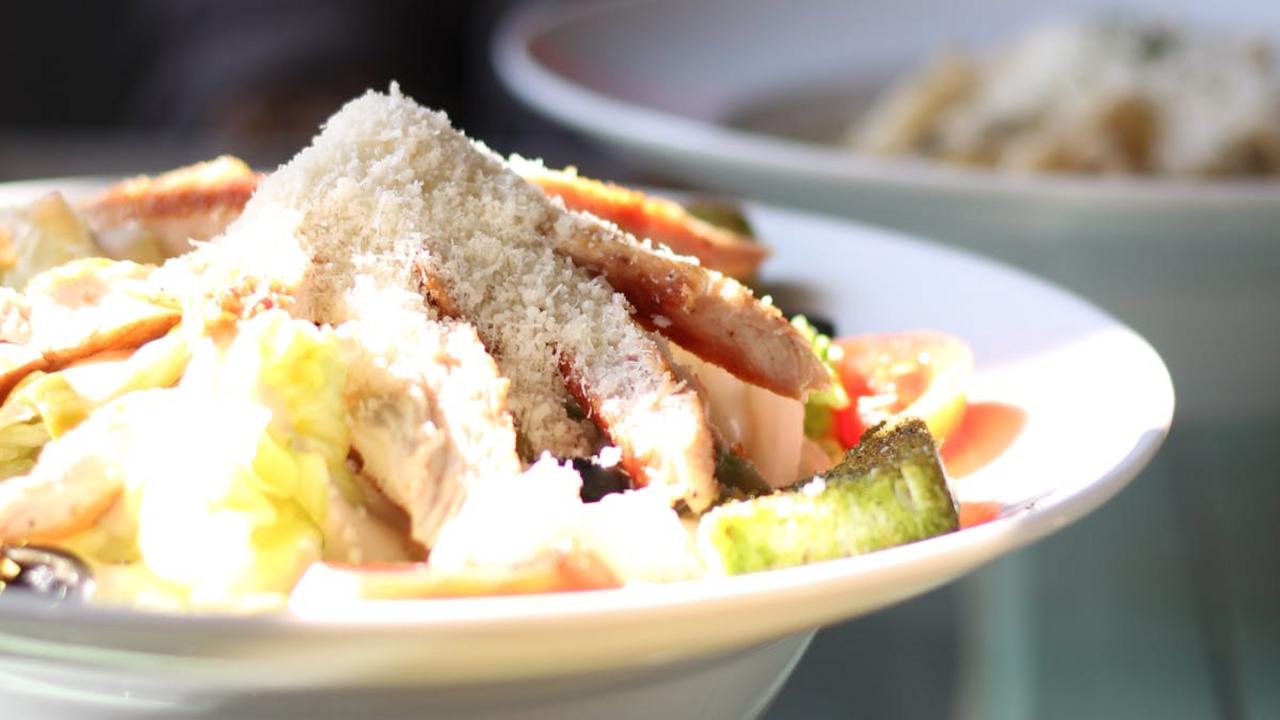
Hand me a Caesar salad and I’ll happily dig in, thinking I’m enjoying a classic Italian dish. Joke’s on me! This crisp combination of romaine lettuce, crunchy croutons, Parmesan cheese, and that tangy dressing actually originated in Tijuana, Mexico. The creator? An Italian-American restaurateur named Caesar Cardini who, during a busy July 4th rush in 1924, supposedly threw together whatever ingredients he had left in his kitchen. Talk about a happy accident that turned into an international sensation!
The original recipe didn’t even include anchovies – that fishy flavor came from Worcestershire sauce in the dressing. And forget about grilled chicken or fancy add-ons; Cardini’s version was simple yet theatrical, prepared tableside with whole lettuce leaves meant to be eaten with your fingers. Americans returning from Mexican vacations raved about this salad, spreading its popularity northward. So next time you crunch into those garlicky, lemony bites, remember you’re enjoying a Mexican-born creation with Italian-American parents – a true North American food child!
Chicken Alfredo
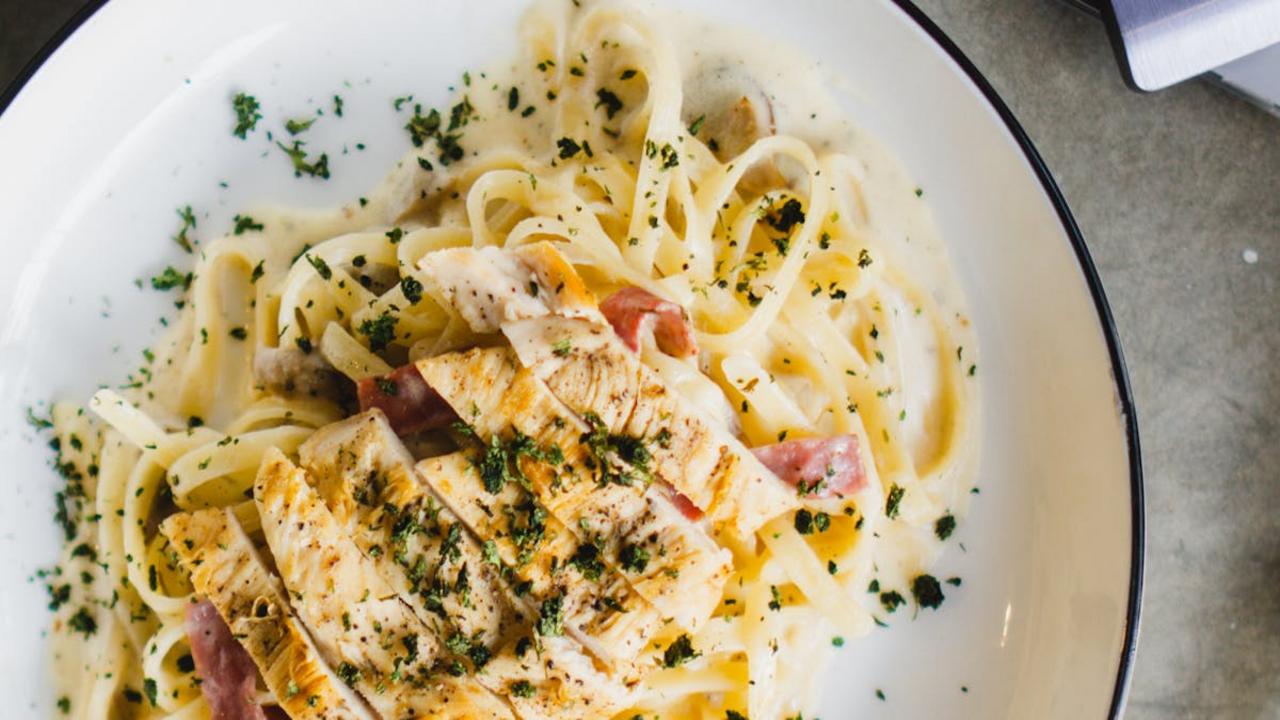
Picture this: you’re in a quaint Italian restaurant, ordering what you believe is an authentic Italian classic – Chicken Alfredo. I hate to burst your pasta bubble, but this creamy, chicken-topped fettuccine dish is about as Italian as I am a professional sumo wrestler! The original Fettuccine Alfredo, created by Alfredo di Lelio in Rome in the 1920s, contained only butter and Parmesan – no cream, no chicken, no fuss. Americans took this simple dish and transformed it into the decadent, protein-packed version you now gobble up at Olive Garden.
The Italian food purists practically faint when they see our American interpretation. In Italy, mixing chicken with pasta is considered strange – almost sacrilegious! Italians traditionally serve meat as a separate course after pasta. Next time you’re twirling those creamy fettuccine strands around your fork, remember you’re enjoying an American creation that would make an Italian grandmother throw her hands up in dismay. Delicious? Absolutely! Authentic Italian? Not even close. But hey, cultural food evolution has given us this comforting dish, so I say mangia anyway!