10 Clever Tactics Big Corporations Use to Make Junk Food Almost Impossible to Resist
Ever wondered why you can’t stop at just one potato chip or why that chocolate bar calls your name at 3 AM? The big food companies have turned snack creation into a science, mixing the perfect amounts of sugar, salt, and fat to hook us like a fish on a line.
They spend millions studying our brains, cravings, and eating habits. From the satisfying crunch of a cookie to the melt-in-your-mouth magic of chocolate, every sensation has been carefully engineered. Even the bright packaging and convenient sizes play into their master plan to keep us coming back for more.
Your favorite snacks pack a powerful punch of addictive ingredients and sneaky marketing tricks that make saying “no” feel like climbing Mount Everest. Ready to learn the secrets behind why your pantry looks like a convenience store? Let’s peek behind the curtain at 10 clever tactics that make junk food your guilty pleasure.
Brain Chemistry
Your brain goes wild every time you bite into that chocolate bar or bag of chips – and big food companies know exactly what they’re doing to make this happen. They’ve figured out the perfect combinations of sugar, salt, and fat that trigger your brain to release dopamine, the “feel-good” chemical that keeps you coming back for more. Think of it like a reward system: your brain gets a little hit of pleasure with each bite, creating a mini addiction loop that makes you crave these foods even when you’re not hungry.
The really sneaky part? Food scientists have mapped out exact ratios of ingredients that hit your brain’s sweet spot – they call it the “bliss point.” Take Doritos, for example. The moment that tangy, cheesy powder hits your tongue, your brain lights up like a Christmas tree. The salt makes you salivate, the fat gives you that satisfying mouth-feel, and the sugar (yes, there’s sugar in there!) adds that extra oomph that keeps you digging to the bottom of the bag. Your brain chemistry doesn’t stand a chance against this perfectly engineered snack attack!
Emotional Comfort
Remember how your grandma’s chocolate chip cookies could instantly turn a bad day into a good one? Big Food companies have caught onto this emotional connection and now design their products to hit those same comfort buttons in your brain. They’ve studied exactly which flavors, textures, and even packaging colors make you feel warm, happy, and safe – just like those childhood treats did. From the smooth, creamy satisfaction of ice cream to the crunchy-then-melty magic of a candy bar, these foods trigger a flood of feel-good chemicals that keep you coming back for more.
You’ll notice how junk food ads often link their products to happy memories, family gatherings, or stress relief. That bag of chips isn’t just a snack – it’s positioned as your faithful friend after a rough day at work. The ice cream carton beckons as your trusty companion during movie night. These emotional hooks run deep, making it extra tricky to resist reaching for these foods when you’re feeling down or anxious. The companies know that once you associate their products with emotional comfort, you’ll likely turn to them again and again, creating a cycle that’s tough to break.
Colors and Packaging

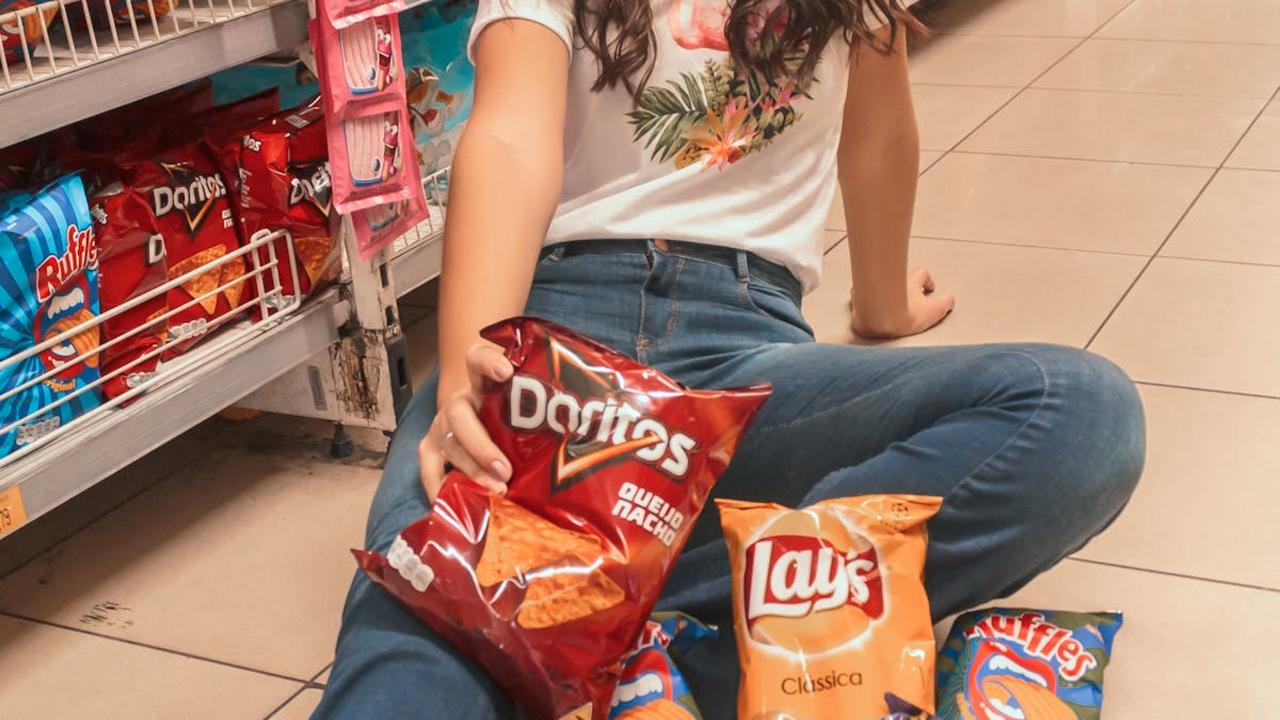
Have you noticed how candy wrappers and chip bags practically scream at you from the grocery store shelves? That’s no accident! Big Food companies spend millions researching which colors make you grab their products. Red and yellow trigger hunger pangs (hello, McDonald’s logo!), while bright, glossy packaging creates an instant “buy me” response in your brain. I once caught myself buying a chocolate bar solely because its shiny purple wrapper matched my outfit – and the marketing folks totally knew I would!
The psychology goes deeper than just pretty colors. Food companies design their packages with specific shapes and visual tricks to make portions look bigger or prices seem smaller. They’ll place their products at eye level, especially for kids who get drawn to cartoon characters and rainbow-colored treats. And notice how many snack bags are mostly air? That’s another clever trick – the bigger bag makes you think you’re getting more food. Next time you’re shopping, take a look at how many products use red, yellow, and orange in their packaging. You’ll start seeing these sneaky marketing tactics everywhere!
Convenience Factor
You know those nights when you’re exhausted, starving, and the last thing you want to do is cook? Big Food companies totally get it, and they’ve made their snacks available literally everywhere. From gas stations to vending machines in your office break room, they’ve planted their products within arm’s reach 24/7. I mean, why would you bother chopping vegetables for a salad when you can grab a bag of chips from the mini-mart downstairs? They’ve turned convenience into an art form, making it almost impossible to resist their salty, sugary treats.
The packaging adds another layer of genius to the convenience trap. Think about those resealable bags, single-serve portions, and ready-to-eat formats that fit perfectly in your car’s cup holder. Remember my friend Sarah who swore she’d start meal prepping? Three weeks later, I caught her munching on mini chocolate bars during her commute because “they’re just so easy to eat while driving!” Big Food companies have studied our daily routines and designed their products to slip right into our busy lives, making healthy alternatives seem like way too much work in comparison.
Hunger Stimulants

Have you ever noticed how a whiff of McDonald’s french fries makes your stomach growl, even if you just ate? That’s no accident, my friends! Big Food companies add specific compounds to their products that trigger your hunger signals like a sneaky little food ninja. These additives work by stimulating your appetite hormones, making you want to eat more and more. Think of MSG (monosodium glutamate) – it doesn’t just enhance flavor, it actively tricks your brain into thinking “Hey, I need more of this delicious thing right now!”
Your favorite snack brands also pack their products with artificial aromas that make you physically hungrier. The scent molecules float through the air and hit your nose before you even open the bag, setting off a chain reaction in your body. Your stomach starts producing more acid, your insulin levels spike, and suddenly you’re ready to demolish that entire bag of chips. I mean, who hasn’t opened a pack of Doritos “just for a few” and ended up with orange-dusted fingers and an empty bag? The science behind it is fascinating – these companies literally create chemical formulas designed to override your body’s natural fullness signals.
Texture Combinations

Ever noticed how you can’t stop munching those potato chips with ridges? Big Food companies know exactly what they’re doing when they create those irresistible texture combinations. Think about your favorite candy bar – that smooth chocolate coating that melts in your mouth, followed by a satisfying crunch of nuts or crispy wafers. This magical mix of textures triggers what food scientists call “dynamic contrast,” making your brain light up with pleasure signals faster than a kid in a candy store.
Just like a symphony needs different instruments to create beautiful music, junk food manufacturers orchestrate various textures to keep you hooked. Take ice cream sandwiches – you get the cold, creamy ice cream paired with chewy cookies, creating a texture party in your mouth. Or consider those chocolate-covered pretzels where the snap of salt-sprinkled crunch meets silky smooth chocolate. These clever combinations don’t happen by accident – food scientists spend countless hours in labs perfecting these textural mashups until they hit that sweet spot that makes you reach for “just one more.”
Artificial Flavors
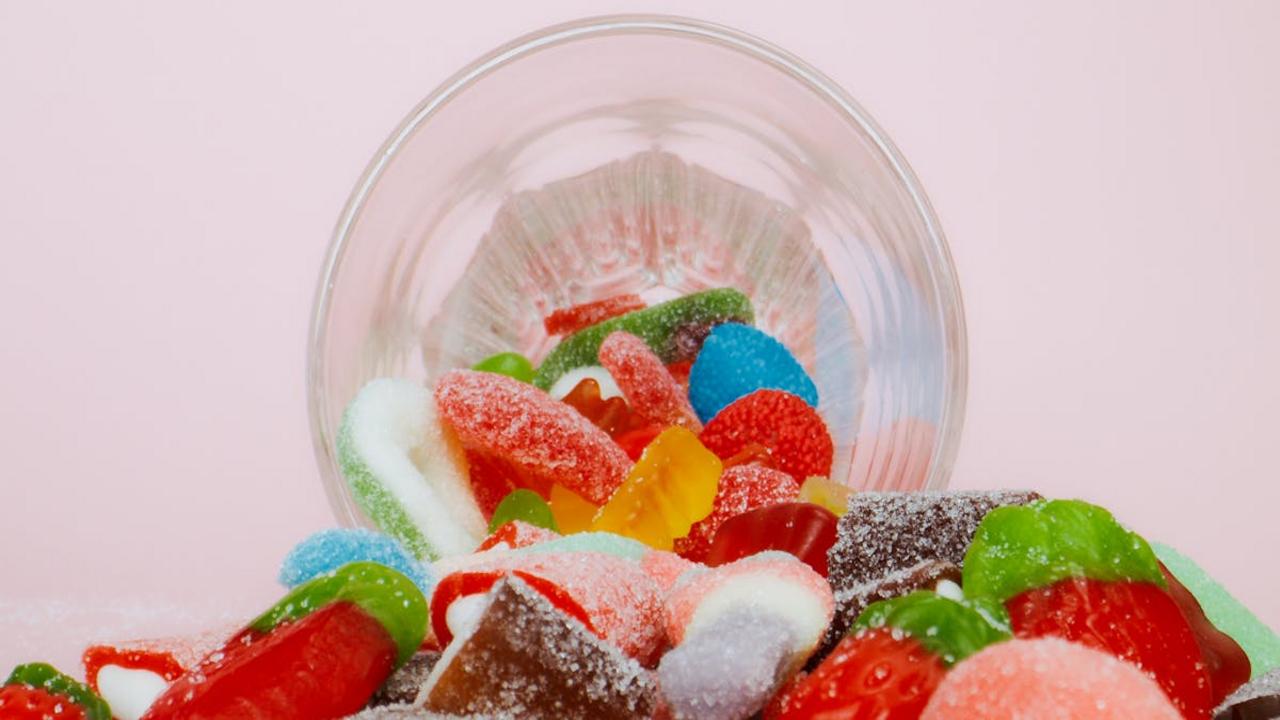
Picture this: you’re munching on a strawberry candy, but there’s not a single actual strawberry involved in making it. Wild, right? Food companies have mastered the art of recreating flavors in their labs, designing chemical combinations that trick your brain into tasting things that aren’t really there. They’ll mix specific compounds like ethyl butyrate for pineapple notes or methyl anthranilate for grape – creating flavors so intense and perfect, they make natural ingredients seem boring in comparison. These synthetic flavors hit your reward centers hard, making you crave more and more of that artificially enhanced goodness.
But here’s the really sneaky part – artificial flavors cost way less than natural ones, sometimes just pennies per pound. Companies can pump their products full of these lab-created taste enhancers without breaking the bank. Think about those fruit-flavored snacks you loved as a kid – one package might contain barely a trace of real fruit, but your brain registered “berry blast” or “tropical punch” because scientists specifically engineered those flavors to be more appealing than the real thing. They’ve figured out exactly which chemical combos will keep you reaching for more, making their products nearly impossible to put down once you start.
Fat Content
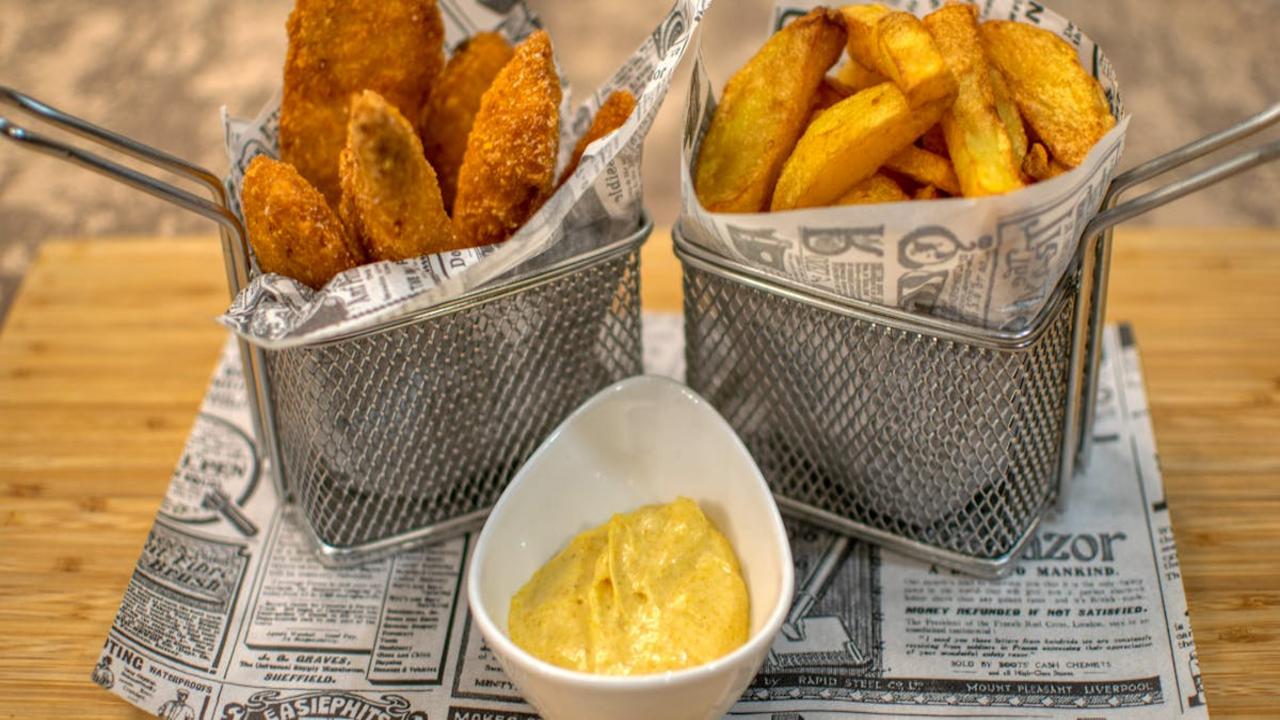
Ever noticed how a bag of chips can disappear before you even blink? Big Food companies know exactly what they’re doing with fat content – they’ve perfected what scientists call the “bliss point” where fat meets maximum satisfaction. Your brain goes bonkers for fatty foods because they pack more calories per bite, which made perfect sense back when our ancestors needed to stock up for lean times. Now, food manufacturers load their products with specific fat ratios that hit your pleasure centers like a flavor bomb.
Take your favorite ice cream, for example. That silky-smooth texture? It’s no accident. Food scientists tinker with different fat percentages until they find the exact amount that melts at body temperature, creating that magical mouthfeel you can’t resist. The fat also carries flavor compounds that stick around longer, making each bite more intense. McDonald’s fries get their addictive quality from a precise blend of oils that creates the perfect crispy-to-fluffy ratio. Your brain registers these fatty foods as high-value rewards, triggering the release of dopamine – the same chemical that makes you feel good after exercise or chocolate.
Salt Cravings

You know that feeling when you just can’t stop munching on those salty chips? Big Food companies have mastered the perfect salt ratios in their products to trigger our natural cravings. Your body needs sodium to function, but these clever food scientists have discovered the exact “bliss point” – that magical amount of salt that makes you want more and more. Think about how many times you’ve said “just one more bite” while demolishing a bag of pretzels. It’s no accident – they’ve calculated these levels through countless consumer tests.
The salt addiction goes deeper than just flavor though. Your brain releases dopamine when you eat salty foods, creating a mini reward system that keeps you coming back for more. Companies combine this with other tricks like adding sugar and fat to create what food scientists call “dynamic contrast” – that perfect storm of flavors that lights up your brain’s pleasure centers. Next time you’re mindlessly munching through a bag of chips, remember there’s a whole team of food scientists who spent months making sure you wouldn’t be able to stop at just one handful!
Sugar Rush
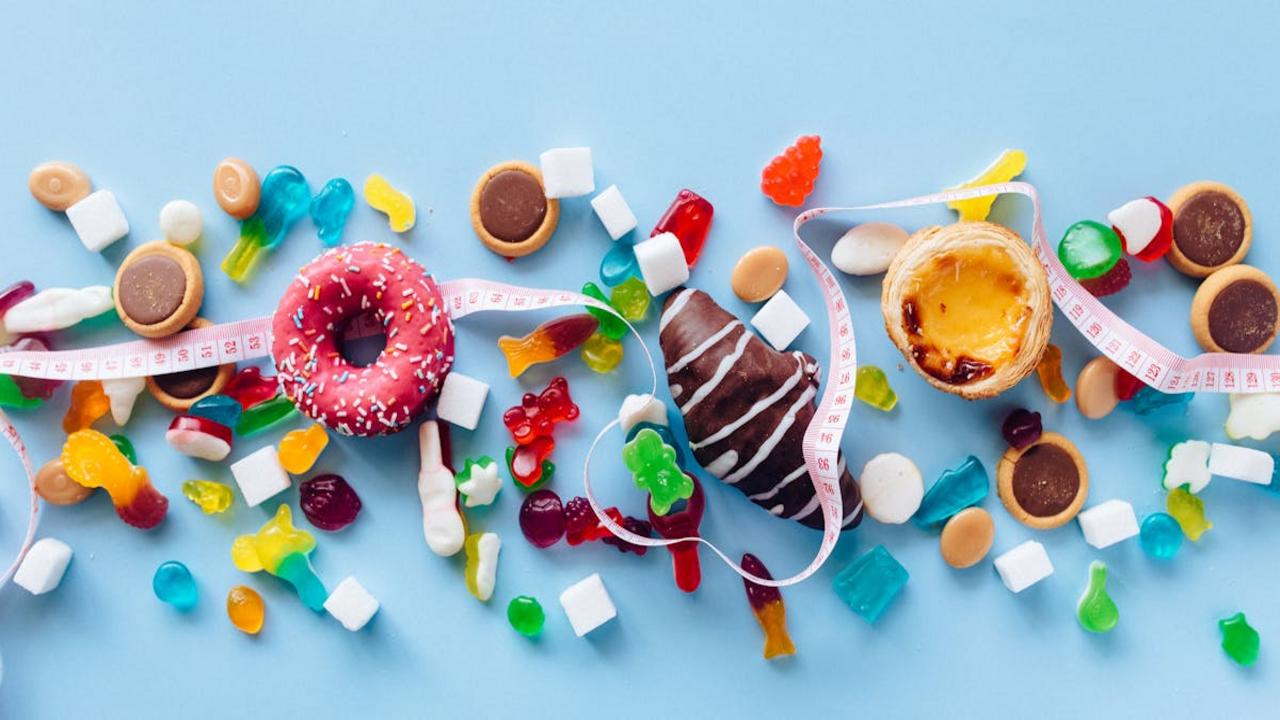
You know that wild, happy feeling you get from eating something sweet? That’s no accident! Big Food companies have mastered the “bliss point” – the perfect amount of sugar that makes your brain light up like a Christmas tree. They spend millions on research to nail down exactly how much sugar will keep you coming back for more without making things too sweet. Think about your favorite candy bar or soft drink – food scientists have tested hundreds of variations to find that magic formula that makes you want to grab another bite.
The sugar hit triggers your brain’s reward system, flooding it with feel-good chemicals like dopamine – the same stuff that makes you happy when you exercise or fall in love. But here’s the kicker: unlike natural sugars in fruits that come packed with fiber to slow down absorption, processed foods deliver a pure sugar blast that hits your system fast. Your brain quickly builds up tolerance to these sugar hits, so you need more and more to get that same good feeling. It’s like a sugar treadmill you can’t step off, and food companies know exactly how to keep you running.