14 Irresistible Cheeses That Will Supercharge Your Home Cooking
The right cheese can transform a plain dish into pure magic. Whether you’re sprinkling aged Parmesan over pasta or melting Gruyere into a gooey sandwich, cheese adds that “wow factor” to every bite. I’ve spent countless hours in my kitchen experimenting with different varieties, and trust me – each one brings its own unique superpower to your cooking.
From the mild creaminess of fresh mozzarella to the bold punch of blue cheese, these 14 must-have cheeses will revolutionize your recipes. They’re not just toppings – they’re game-changing ingredients that can elevate a simple mac and cheese or turn an ordinary pizza into something extraordinary.
Think of this list as your cheese cheat sheet. I’ve included everything from melty champions perfect for grilled sandwiches to crumbly stars that make salads sing. Each cheese has been carefully selected to give you maximum flavor impact with minimum fuss. Get ready to discover your new favorite kitchen allies!
Cream Cheese
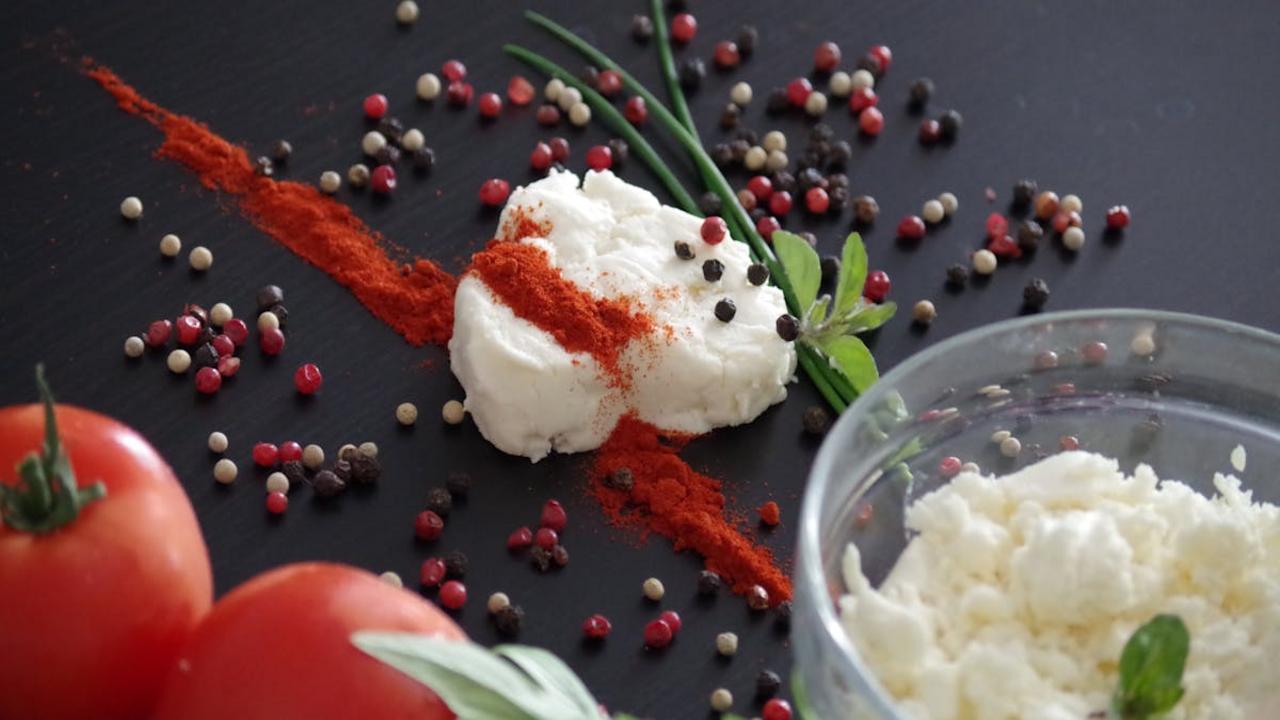
If you haven’t discovered the magic of cream cheese beyond your morning bagel, you’re missing out on one of the most versatile ingredients in your fridge! This smooth operator transforms from savory to sweet faster than you can say “cheesecake,” making it my go-to secret weapon for creating everything from velvety pasta sauces to impossibly creamy frosting. I’ve even caught my neighbor sneaking spoonfuls straight from the block – and honestly, who can blame her? The rich, mild flavor and spreadable texture make it practically irresistible.
Want to take your cooking game up several notches? Mix cream cheese with herbs and garlic for an instant bread spread that’ll make your guests swoon, or blend it into mashed potatoes for the fluffiest spuds you’ve ever tasted. Here’s a pro tip I learned from my grandmother: let it reach room temperature before mixing it into any recipe – it’ll blend like a dream and save you from those pesky lumps. Just remember to keep a few extra blocks in your fridge because once you start cooking with cream cheese, you’ll find yourself reaching for it more often than your TV remote!
Ricotta
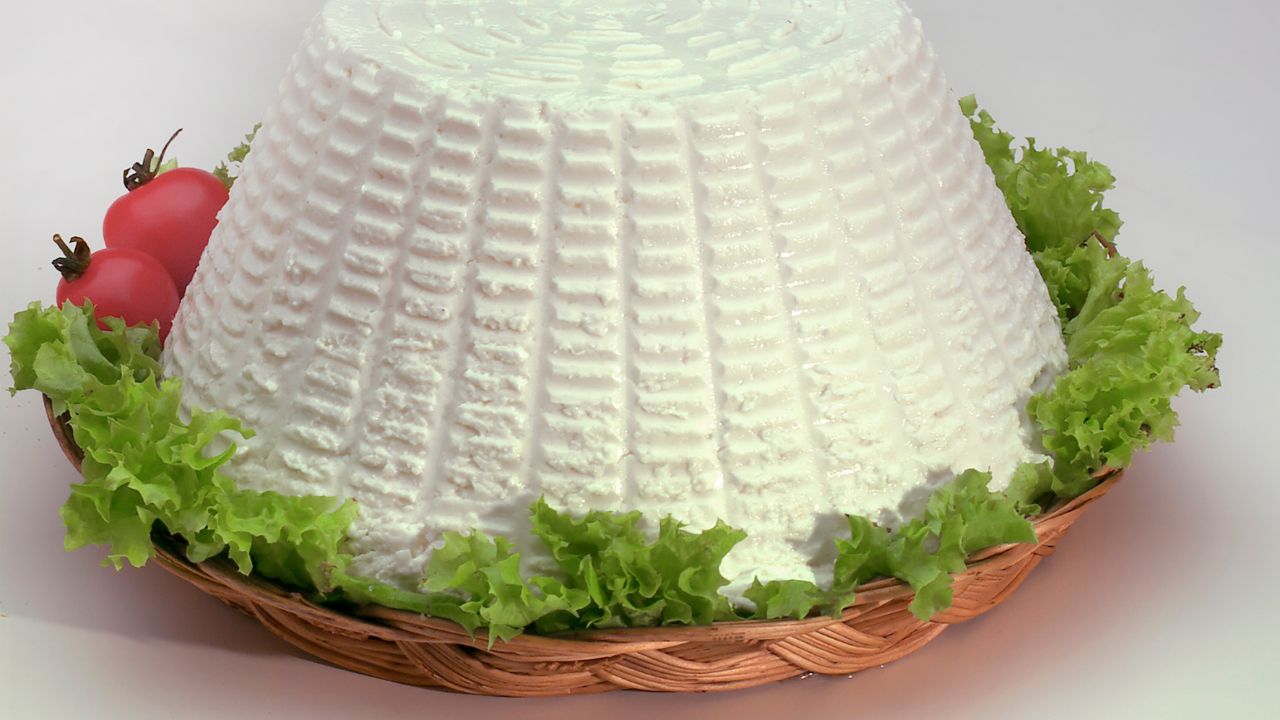
Oh, ricotta – the cloud-like Italian cheese that makes everything better! This fresh, mild superstar starts its life as a happy accident, made from the leftover whey of other cheeses (talk about resourceful!). Your lasagna wouldn’t be the same without its creamy layers, and your morning toast needs its pillowy presence. Mix it with honey and fresh figs for breakfast, or dollop it on pizza right after it comes out of the oven – pure magic! The word ‘ricotta’ means ‘recooked’ in Italian, and I’m telling you, those Italian cheese makers knew exactly what they were doing.
You’ll find ricotta working its magic in both sweet and savory dishes. Blend it into your pancake batter for the fluffiest breakfast ever, or stuff it into pasta shells with herbs and garlic for dinner-party perfection. The best part? It’s practically guilt-free – ricotta packs serious protein while keeping the fat content lower than many other cheeses. I keep a tub in my fridge at all times because you never know when you’ll need to whip up an impromptu cheesecake or add some creamy goodness to your scrambled eggs. Pro tip: drain it overnight in a cheesecloth if you want it extra thick and luxurious!
Feta
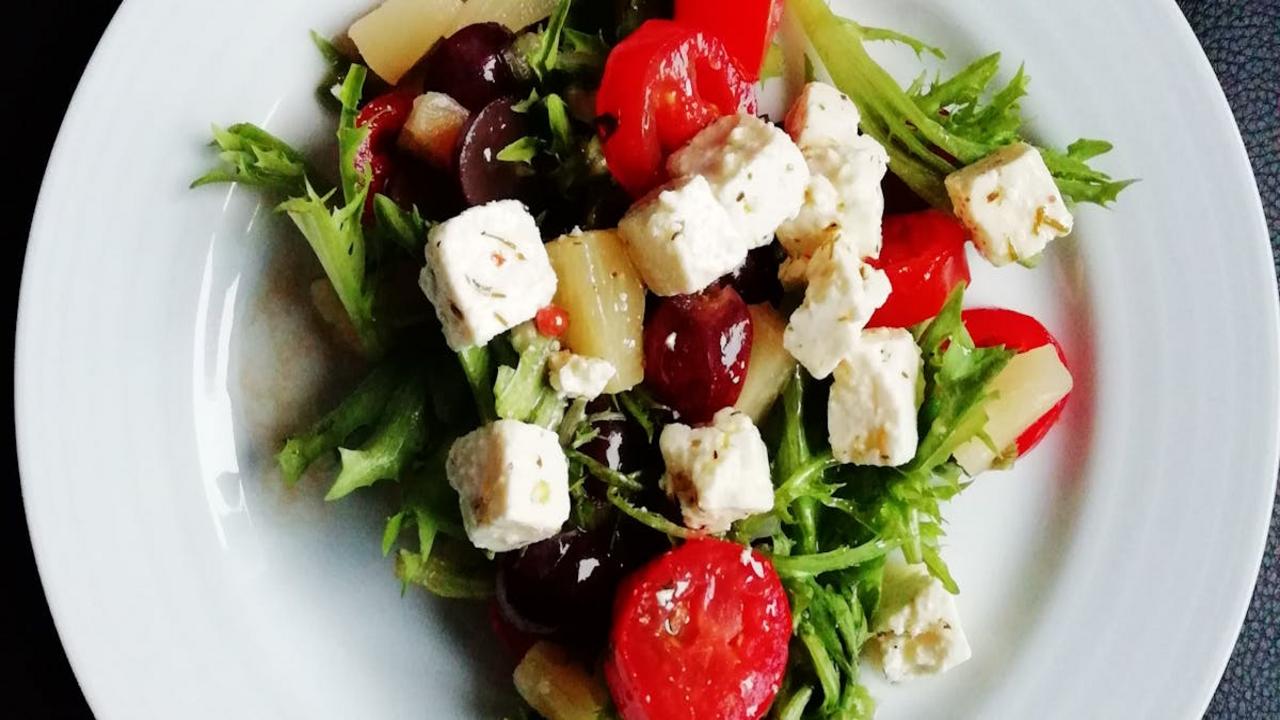
Oh, feta! The tangy troublemaker of Greek cuisine that turns every salad into a Mediterranean party. This briny, crumbly cheese packs a bold punch that can transform your cooking from “meh” to “more please!” Your morning eggs? Throw some feta on top. That bland pasta? Watch feta work its magic. Made traditionally from sheep’s milk (or sometimes with a mix of sheep and goat milk), this cheese brings a salty kick and creamy texture that’ll make you wonder why you ever bothered with plain old cheddar.
Here’s a fun fact that’ll win you points at your next dinner party: authentic Greek feta must contain at least 70% sheep’s milk by law! The Greeks take their feta seriously – they’ve even protected its name under EU law, much like champagne. I love crumbling it over watermelon for a sweet-salty summer treat, or baking it whole with cherry tomatoes and olive oil until it gets all melty and spreadable. Trust me, once you start cooking with feta, you’ll find yourself reaching for this Mediterranean MVP every time you open your fridge.
Provolone
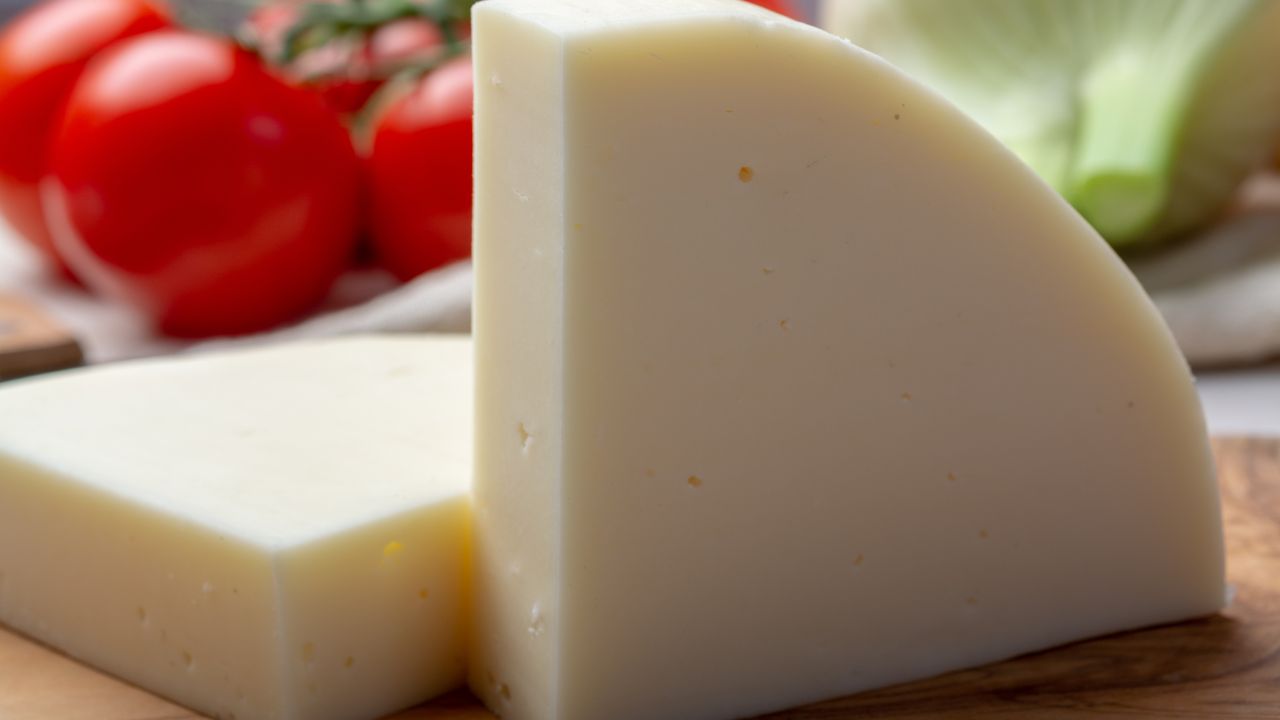
Oh, you lovely Italian stallion of cheese! Provolone brings such dramatic flair to your kitchen – it’s like the shape-shifting superhero of the cheese world. Starting life as a mild-mannered young cheese with sweet, buttery notes, it transforms into a fierce, sharp flavor bomb as it ages. I always keep both varieties in my fridge – the younger version for melting into gooey sandwich heaven, and the aged version for adding bold kicks to my pasta dishes and charcuterie boards.
Want to make your next grilled cheese transcend to divine status? Layer some thin slices of young provolone with roasted red peppers and a sprinkle of oregano. The cheese melts into this incredible stretchy blanket that’ll have you shooting Instagram-worthy cheese pulls. For a quick appetizer that’ll wow your guests, wrap aged provolone with prosciutto and drizzle with honey – the sharp, salty, sweet combo will make your friends beg for the recipe. Just remember: young provolone is your melting buddy, while aged provolone is your flavor powerhouse.
Pecorino Romano
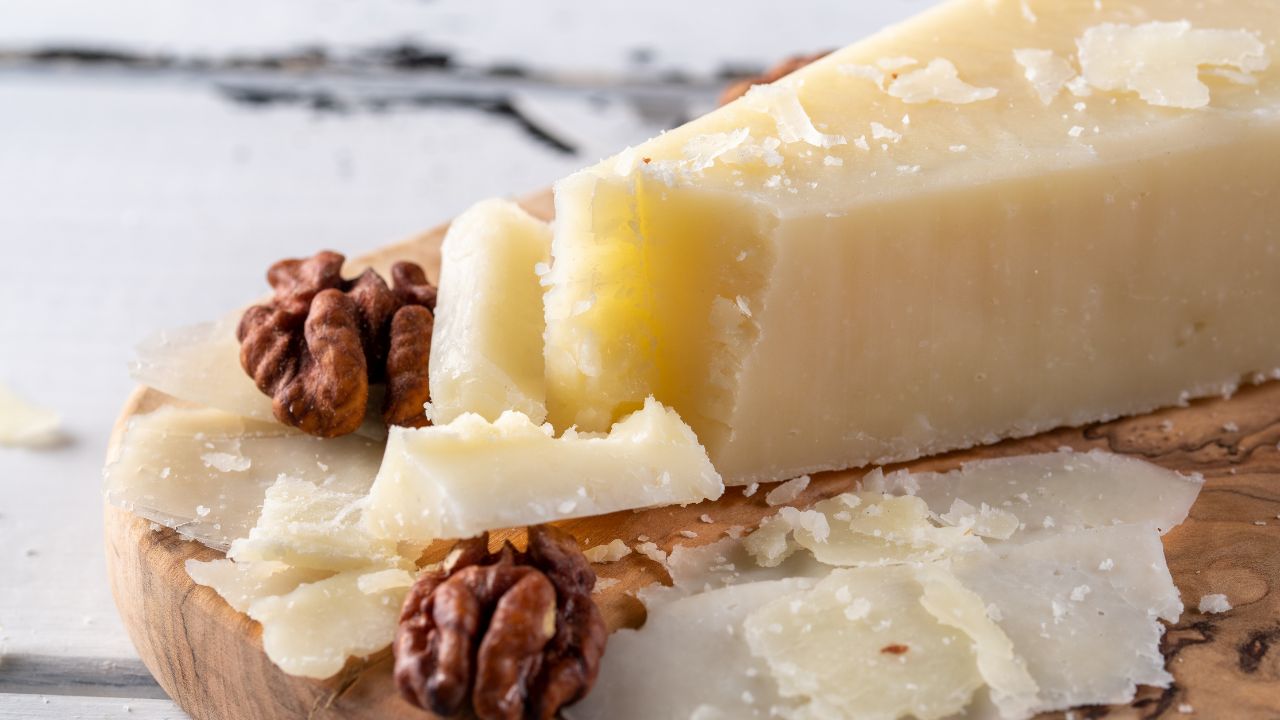
If you want to add some serious punch to your pasta, Pecorino Romano will knock your socks off! This hard Italian cheese packs more salt and tang than a seaside bar fight. Made exclusively from sheep’s milk in specific regions of Italy (including Lazio and Sardinia), this bad boy follows strict regulations dating back to ancient Roman times. Fun fact: Roman legionaries received a daily ration of Pecorino Romano during their conquests – talk about an energy-boosting snack for world domination!
You’ll want to keep this cheese in your kitchen arsenal for way more than just pasta. Grate it over roasted vegetables, whisk it into creamy dressings, or sprinkle it on top of a hot bowl of minestrone soup. The sharp, salty kick transforms ordinary dishes into extraordinary meals. While many people mix up Pecorino Romano with Parmigiano Reggiano, they’re totally different beasts – Pecorino’s intense sheep’s milk flavor makes it the bolder, more rebellious cousin of the cheese family. Just remember: a little goes a long way, unless you’re planning to conquer an empire!
Asiago
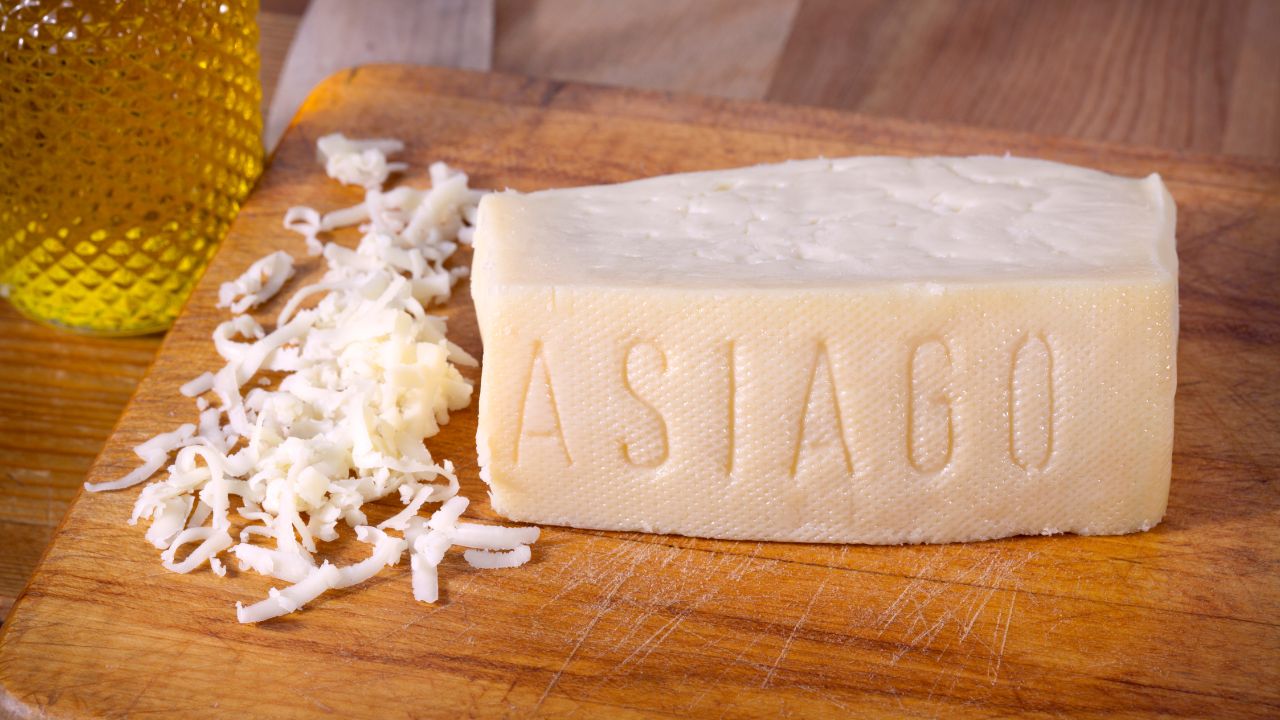
You’ll find Asiago stealing the spotlight in many Italian kitchens, and for good reason! This cow’s milk cheese from the Veneto region packs a flavor punch that can transform your everyday dishes into something extraordinary. Young Asiago (fresh) brings a smooth, mild personality to the party – perfect for melting into risottos or jazzing up your morning omelet. But age this beauty for a few months, and watch it develop into a hard, sharp sensation that’ll make your cheese grater the most popular tool in your kitchen.
I’ve discovered that grated aged Asiago works magic on roasted vegetables – just sprinkle it on during the last few minutes of cooking and watch it create a golden, crispy crust that’ll have everyone fighting for seconds. You can also shave it over salads or stir it into hot pasta for an instant upgrade. My favorite trick? Mix equal parts grated Asiago and breadcrumbs for a crunchy topping that’ll make any casserole sing. Just remember – fresh Asiago melts like a dream, while aged Asiago brings the bold, nutty notes that’ll knock your socks off!
Fontina
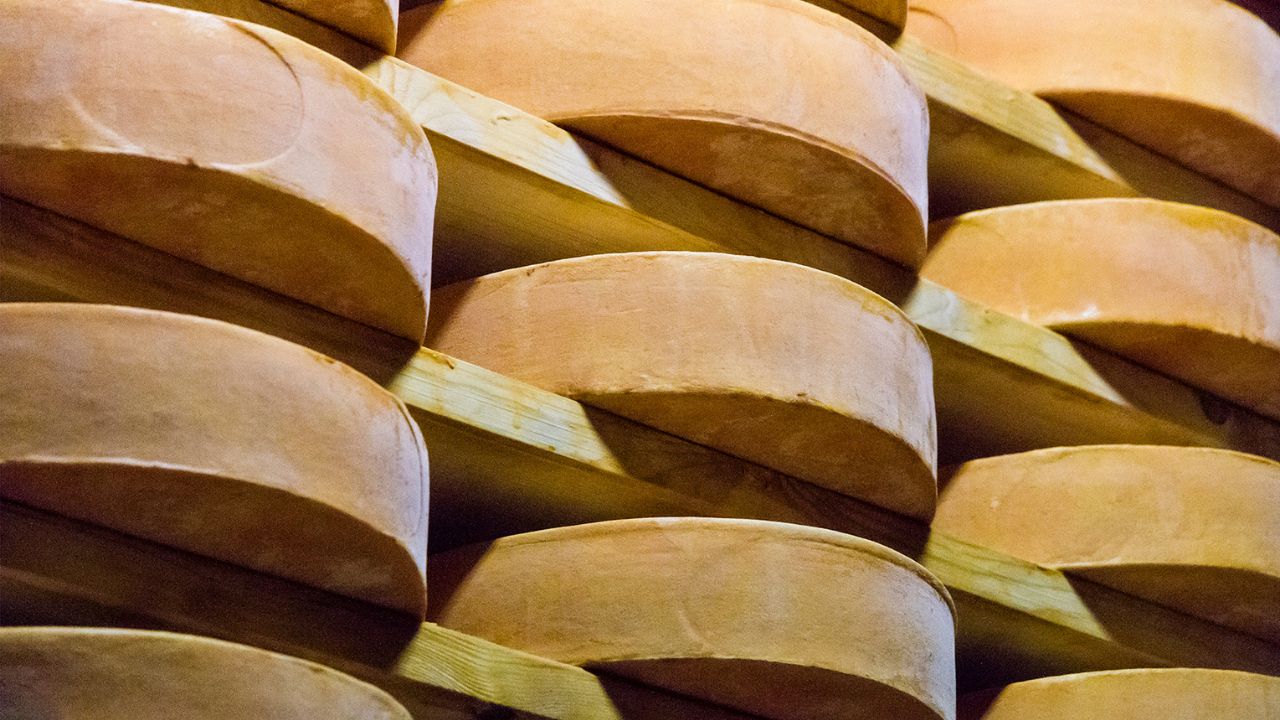
Meet your new Italian best friend – Fontina! This semi-soft cow’s milk cheese from Italy’s Aosta Valley will make you weak in the knees with its rich, nutty personality. Picture a cheese that melts like a dream, creating strings of pure joy between your spoon and plate. The authentic DOP Fontina sports a dark reddish-brown rind and a pale yellow interior that packs a punch of earthy mushroom notes and subtle woody undertones. I always keep a chunk in my fridge for those midnight grilled cheese cravings – trust me, it’ll revolutionize your sandwich game!
You can thank the Italian alpine cattle and their nutrient-rich milk for this cheese masterpiece. Fontina transforms any dish it touches – from classic fonduta (the Italian cousin of fondue) to the most heavenly mac and cheese you’ll ever make. Mix it into risotto for extra creaminess, layer it in lasagna, or simply pair it with crusty bread and a glass of bold red wine. Pro tip: if you spot some white crystals in your aged Fontina, do a happy dance! Those crunchy bits are amino acid clusters that signal peak flavor development. Just remember, authentic Fontina will have “DOP” on the label – accept no substitutes!
Blue Cheese

If you want to add some serious punch to your dishes, grab that beautiful blue-veined cheese that’s calling your name from the cheese counter! I absolutely adore how blue cheese transforms from a simple ingredient into a flavor bomb that makes everything from salads to burgers sing. The sharp, tangy notes come from beneficial molds (Penicillium roqueforti or P. glaucum) that create those gorgeous blue-green streaks throughout the cheese. Fun fact: Many medieval monks discovered blue cheese by accident when they aged cheese in caves where these specific molds naturally grew.
You can find countless varieties of blue cheese, each with its own personality – from the creamy Italian Gorgonzola that melts like a dream in risottos to the bold and spicy French Roquefort that’ll wake up any cheese board. For an easy weeknight dinner upgrade, crumble some blue cheese over a hot steak right off the grill, or whip it into butter for an incredible compound butter that’ll make your dinner guests weak in the knees. Pro tip: If you find blue cheese too strong, start with a milder variety like Danish Blue or mix it with cream cheese to tame that wild streak while keeping all the amazing flavor.
Brie
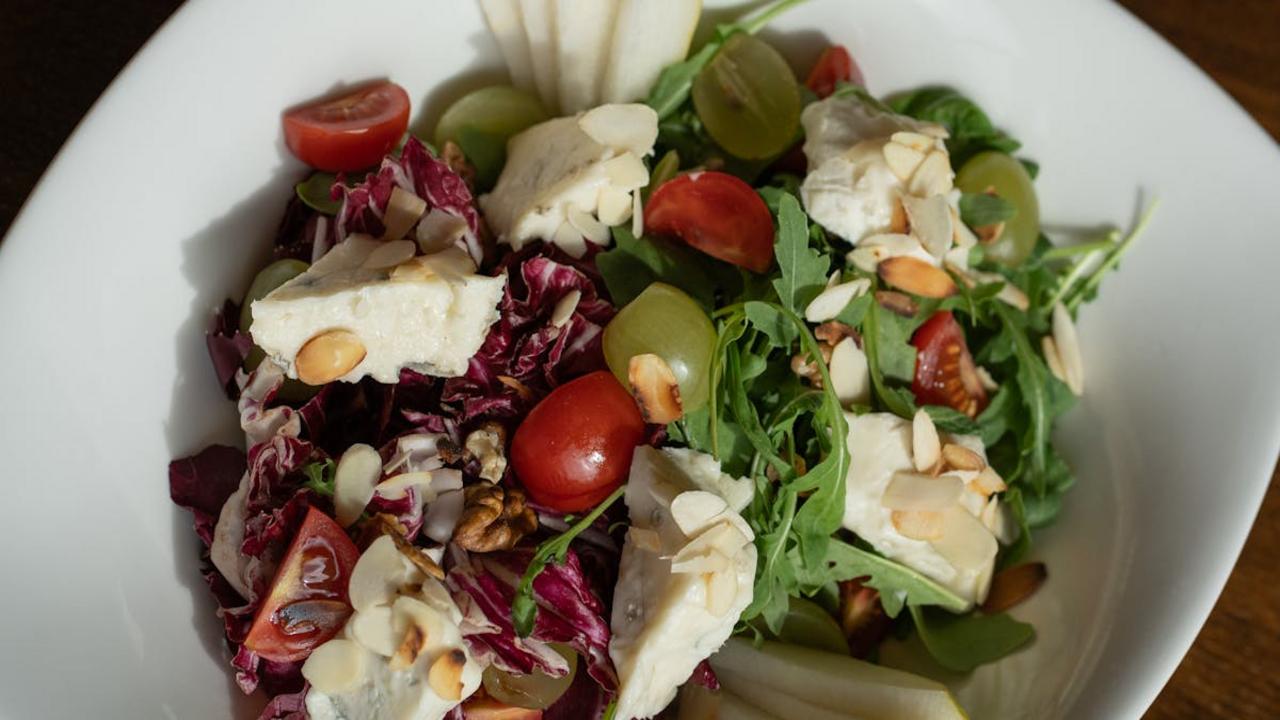
Meet Brie, the French cheese that’s basically heaven wrapped in a powdery white rind. This soft, buttery superstar transforms your average cheese board into a luxurious feast – and don’t get me started on what happens when you bake it! Once warmed, Brie turns into this gooey, molten pool of pure bliss that begs to be scooped up with crusty bread or crisp apple slices. You’ll find this cheese equally at home nestled in a fancy appetizer spread or melted into your midnight grilled cheese sandwich.
The magic of Brie lies in its versatility and that distinctive mushroomy aroma that food snobs call “earthy notes.” You can wrap it in puff pastry with honey and nuts for an impressive party trick, layer it in sandwiches for an instant upgrade, or just eat it straight off the cheese board (no judgment here – I’ve done it plenty of times). Pro tip: leave your Brie out at room temperature for about an hour before serving. This brings out its full flavor and gives it that perfectly creamy texture that’ll make your guests think you’ve hired a French chef.
Gouda
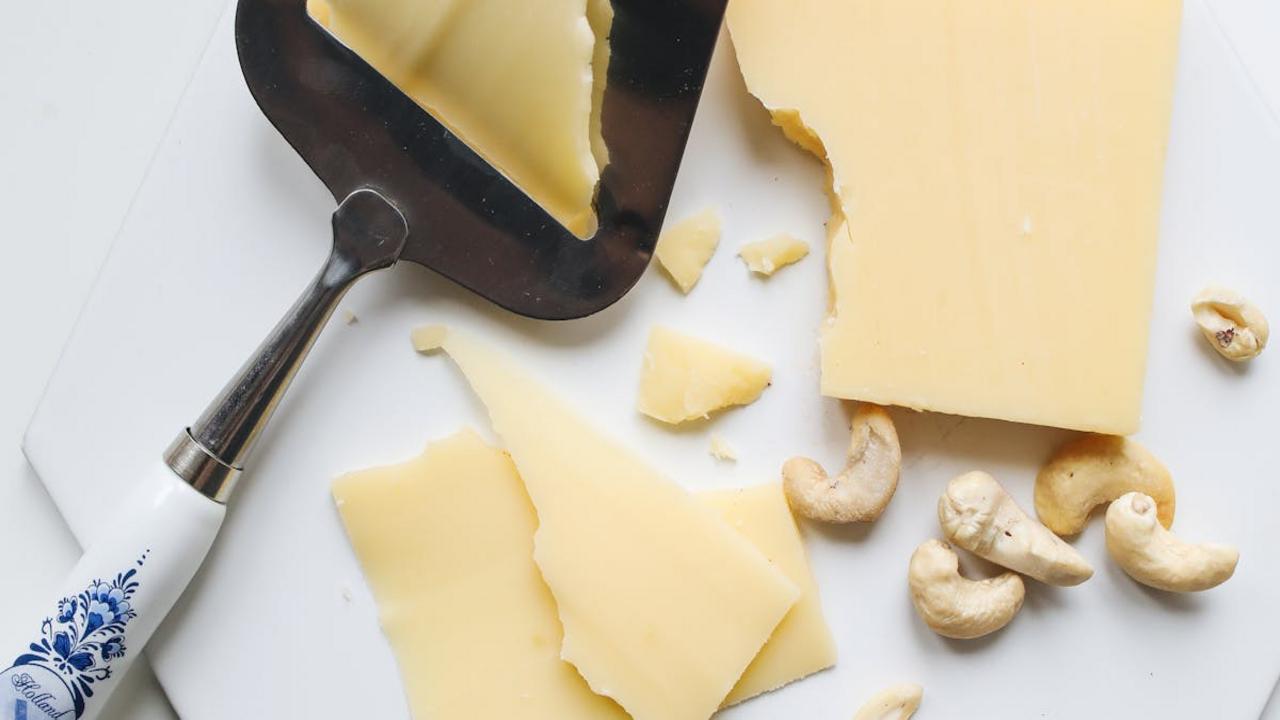
If you haven’t met Gouda yet, you’re missing out on one of the world’s most versatile cheeses! This Dutch superstar starts life mild and creamy, then transforms into something magical with age. Young Gouda brings a buttery-sweet punch to your grilled cheese, while aged versions pack a crunchy, crystallized texture with deep caramel notes that’ll make your cheese board sing. Fun fact: The Dutch have made this golden beauty since the 12th century, and they still ring bells at cheese markets to start trading!
I love adding young Gouda to mac and cheese for an ultra-creamy twist, or layering aged slices on apple pie (yes, really – it’s a Dutch thing and it’s incredible!). The aged varieties have these tiny protein crystals that crunch like rock candy, making them perfect for snacking or grating over roasted vegetables. Pro tip: Look for the red wax-coated wheels at your cheese shop – they’re usually the aged ones that pack the biggest flavor punch. And don’t forget to pronounce it “How-da” if you want to sound like a true Dutch cheese expert!
Gruyere
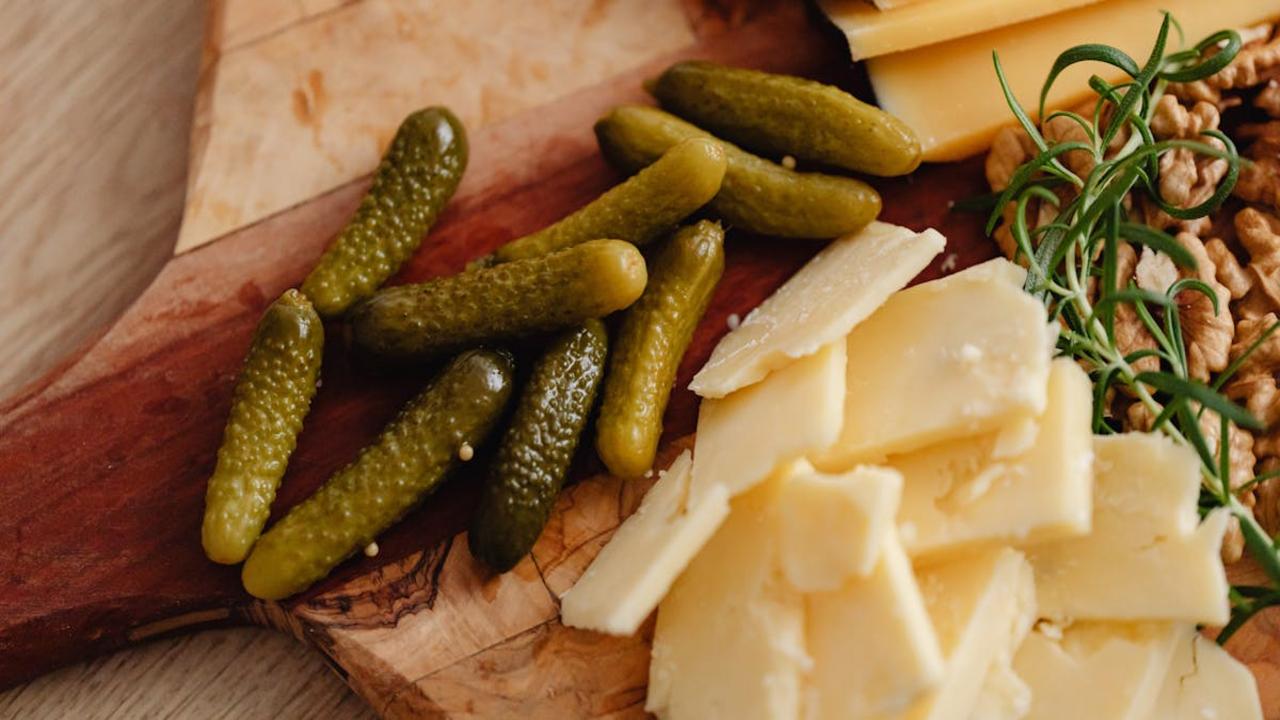
Get ready to meet the Swiss superstar that’ll make your fondue fantasies come true! Gruyere brings an unforgettable sweet-but-salty punch that transforms everything it touches into pure gold. I can’t count how many times this Alpine wonder has saved my bacon (literally – it makes the best bacon grilled cheese ever). The smooth, meltable texture creates the most incredible cheese pulls you’ve ever seen, while its complex flavor ranges from nutty to earthy as it ages.
Want to become a kitchen hero? Throw Gruyere into your next mac and cheese, and watch your family fight over seconds. This cheese works magic in gratins, on top of French onion soup, or simply paired with crusty bread and a glass of white wine. The traditional cheese-making process involves copper vats and careful aging in Swiss caves, giving Gruyere its distinctive tiny crystals that crunch ever so slightly. If you’re choosing between cheeses for your next cooking adventure, grab Gruyere – it’s like having a Swiss grandmother’s secret weapon in your fridge.
Parmesan
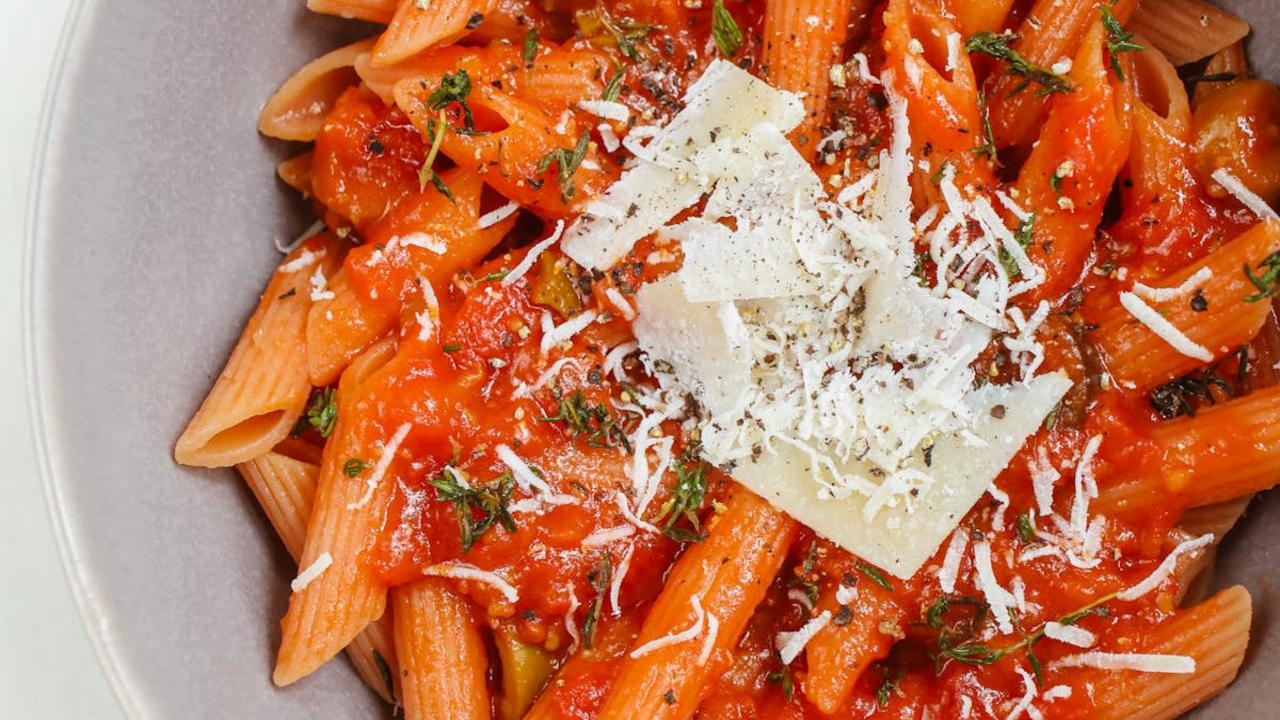
If cheese had a royal family, Parmesan (or Parmigiano-Reggiano for the purists) would sit on the throne wearing a golden crown. This hard Italian cheese packs such an intense punch of nutty, salty goodness that just a few shavings can transform your basic pasta into a masterpiece. I keep a big chunk in my fridge at all times – it’s like having a flavor bomb ready to drop on anything from risottos to roasted vegetables. Fun fact: authentic Parmesan wheels must age for at least 12 months, but some are aged for up to 36 months, developing little crunchy crystals that make cheese lovers weak in the knees.
You’d be amazed at what this cheese can do beyond the classic pasta sprinkle. Throw the rinds into your next pot of soup for an incredible depth of flavor – just fish them out before serving. Or try my favorite party trick: heat small piles of grated Parmesan in a non-stick pan until they melt and crisp up into frico – fancy cheese crisps that make everyone think you went to culinary school. The real beauty of Parmesan lies in its versatility – it plays nicely with everything from scrambled eggs to Brussels sprouts, adding that perfect umami kick that makes good food great.
Aged Cheddar
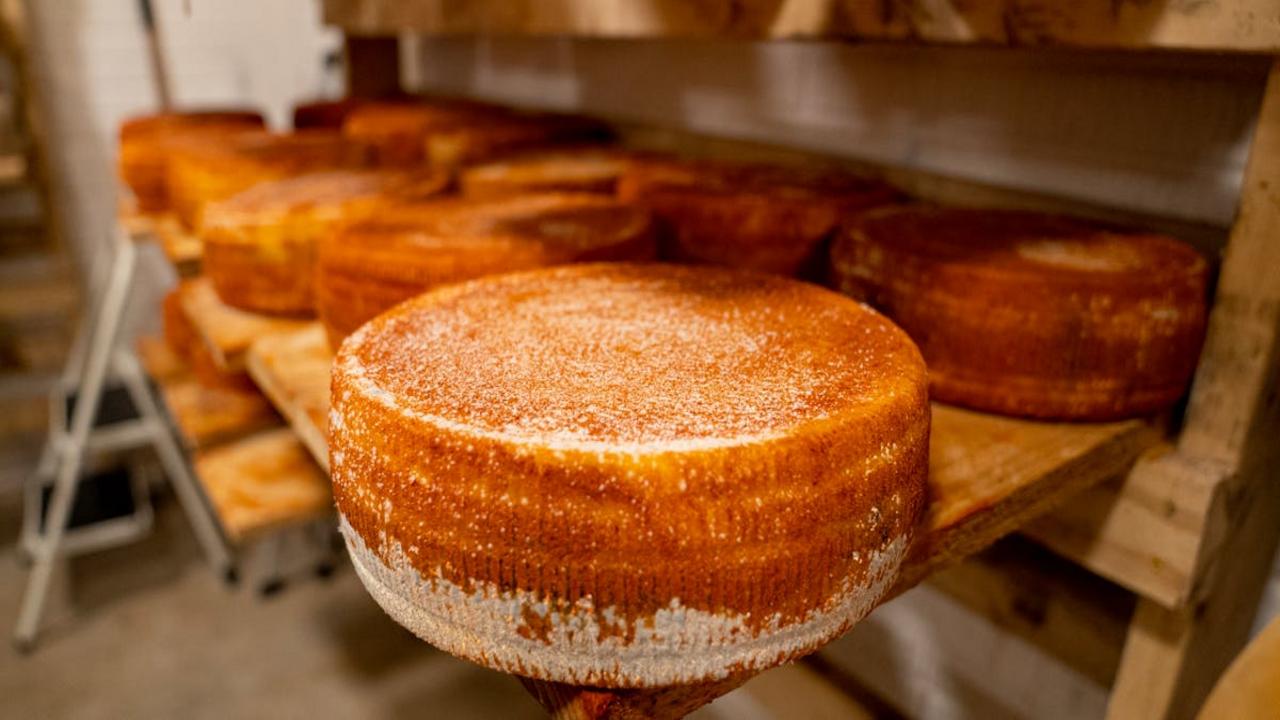
Listen up, cheese lovers! If you want to add some serious punch to your cooking, aged cheddar will rock your world. Unlike its younger, milder cousin, aged cheddar brings bold, complex flavors that’ll make your mac and cheese sing and your grilled cheese sandwiches reach new heights. The aging process (usually 12-24 months) creates those lovely little calcium crystals that give you that satisfying crunch, while developing deep nutty and caramel notes that’ll make you wonder how you ever lived without it.
I once smuggled a whole block of 5-year aged cheddar from Wisconsin in my carry-on (the TSA agent gave me a knowing wink), and let me say – worth every nervous minute! You’ll want to use aged cheddar anywhere you need a flavor boost. Grate it into your scrambled eggs, melt it over roasted vegetables, or just nibble it straight off the block with a glass of bold red wine. Pro tip: keep it wrapped in cheese paper or wax paper, not plastic wrap – your precious aged cheddar needs to breathe, just like we do after climbing three flights of stairs!
Fresh Mozzarella
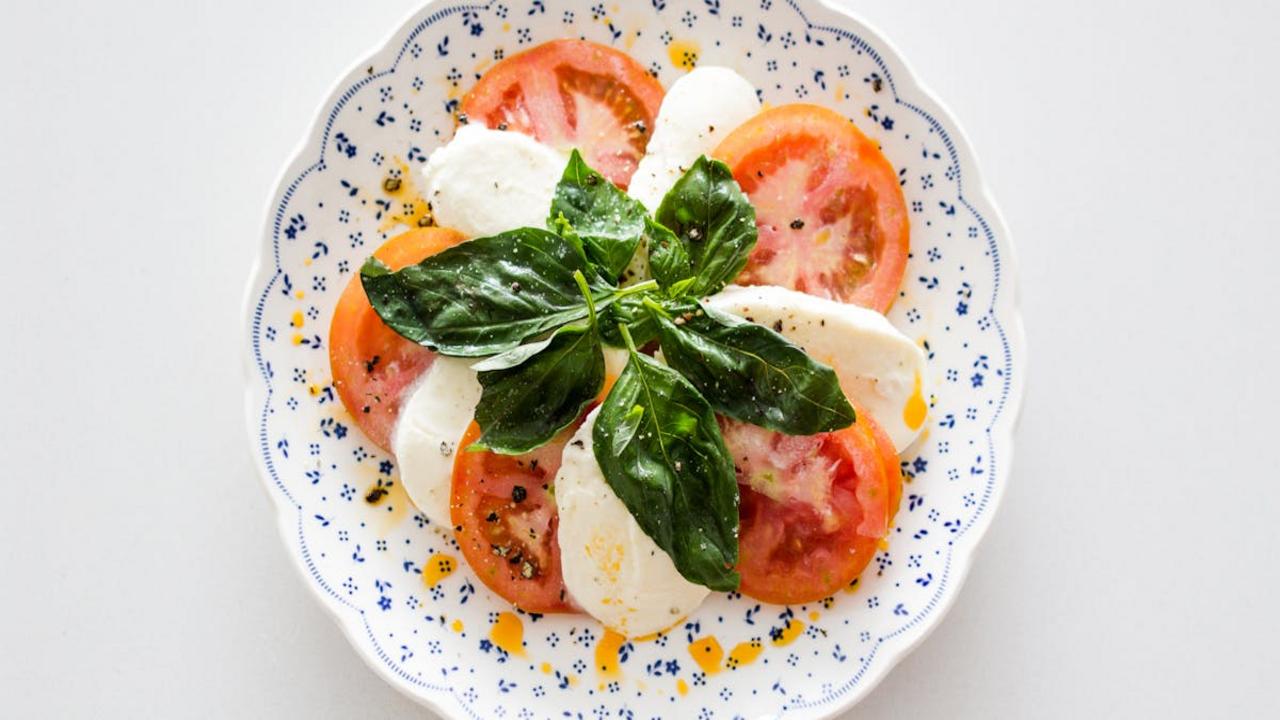
Oh, fresh mozzarella – the milky white cheese that makes every pizza and Caprese salad sing! You’ll know you’ve found the real deal when you spot those pure-white orbs swimming in their whey bath at the store. Unlike the low-moisture stuff you grate, fresh mozz brings a tender, pillowy texture and subtle dairy sweetness that’ll make you want to eat it straight from the container (I won’t judge – I do it too!). The magic happens when you tear into a ball and watch those gorgeous strands stretch like nature’s string cheese.
Want a pro tip? Pat your fresh mozz dry with paper towels before adding it to dishes – this helps prevent your pizza or sandwich from getting soggy. For the best experience, keep it at room temperature for 30 minutes before serving. The cheese becomes more supple and releases its full flavor. And here’s a fun fact: traditional Italian buffalo mozzarella makers can tell if their cheese turned out perfect just by feeling its weight in their hands! While cow’s milk versions work beautifully, if you can find buffalo mozzarella, grab it – it packs more intensity and richness that’ll knock your socks off.