15 Incredible Ingredients That Highlight America’s Regional Flavors
From the misty Pacific Northwest to the sunny shores of Hawaii, America’s regional ingredients tell unique stories of place and tradition. Each bite captures generations of local knowledge, seasonal rhythms, and distinct cultural influences that make our country’s food scene so rich and varied.
I’ve tracked down 15 spectacular ingredients that define their regions – wild berries bursting with tang, rare shellfish hiding in coastal waters, and heritage meats slow-cured in smokehouses. These foods aren’t just tasty – they’re living pieces of American food history that continue to shape how we eat today.
Ever tried fiddleheads foraged in New England spring woods? Or sweet-tart mayhaw jelly from a Southern grandmother’s recipe box? Get ready for a coast-to-coast tour of America’s most incredible regional ingredients – some familiar favorites, others deliciously obscure treasures waiting to be discovered.
Breadfruit – Hawaii
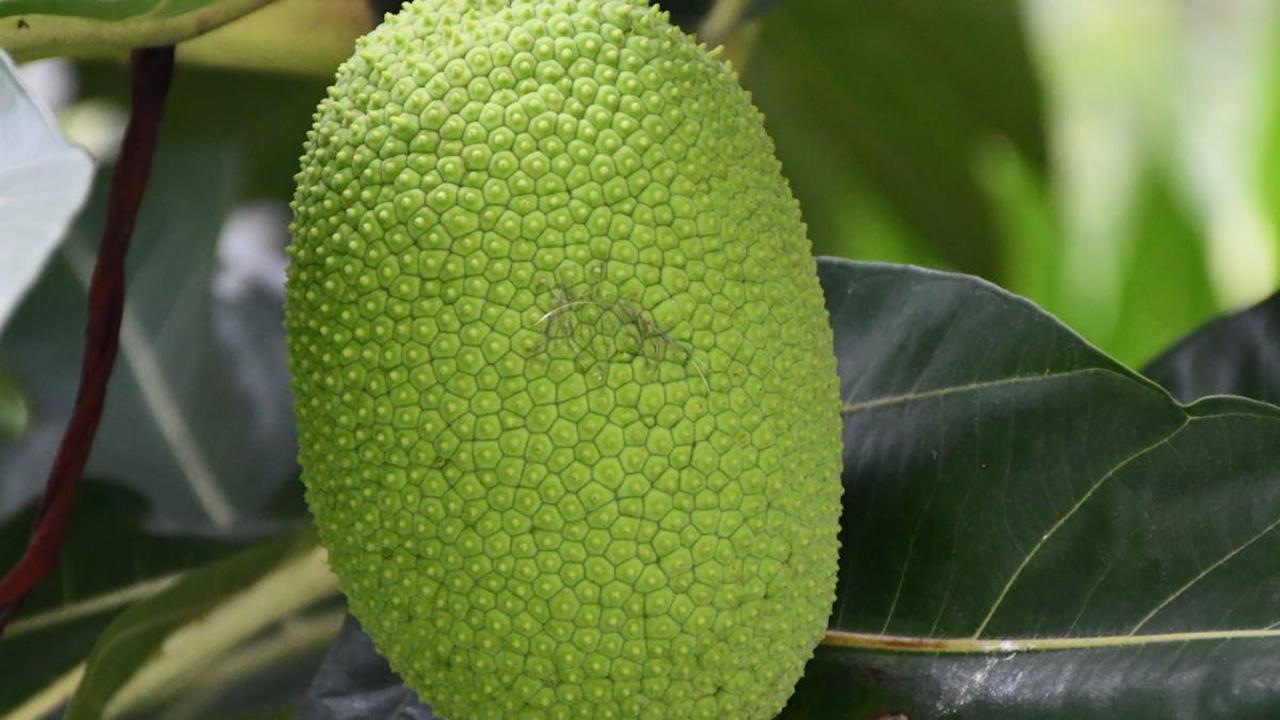
You haven’t lived until you’ve sunk your teeth into a warm, starchy slice of Hawaiian breadfruit! This volleyball-sized fruit has kept Pacific Islanders happy and full for thousands of years. Native to the South Pacific and brought to Hawaii by Polynesian voyagers, breadfruit (or ‘ulu in Hawaiian) looks intimidating with its bumpy green exterior, but don’t let that fool you. Once cooked, it transforms into something magical – imagine the love child of freshly baked bread and a potato, with a subtle sweetness that’ll make you wonder why you didn’t try it sooner.
In Hawaii, locals cook breadfruit every way imaginable – from crispy chips to creamy curry bases. My favorite? Slice it thin, fry it golden brown, and sprinkle with sea salt for the most addictive snack you’ll ever munch on. The fruit also packs a nutritional punch with loads of fiber, potassium, and vitamin C. Fun fact: one breadfruit tree can feed a family for generations and produce up to 200 fruits per year! That’s some serious food security wrapped in a spiky green package. Next time you spot this peculiar fruit at a Hawaiian market, grab one – your stomach will thank you.
Salmonberries – Alaska
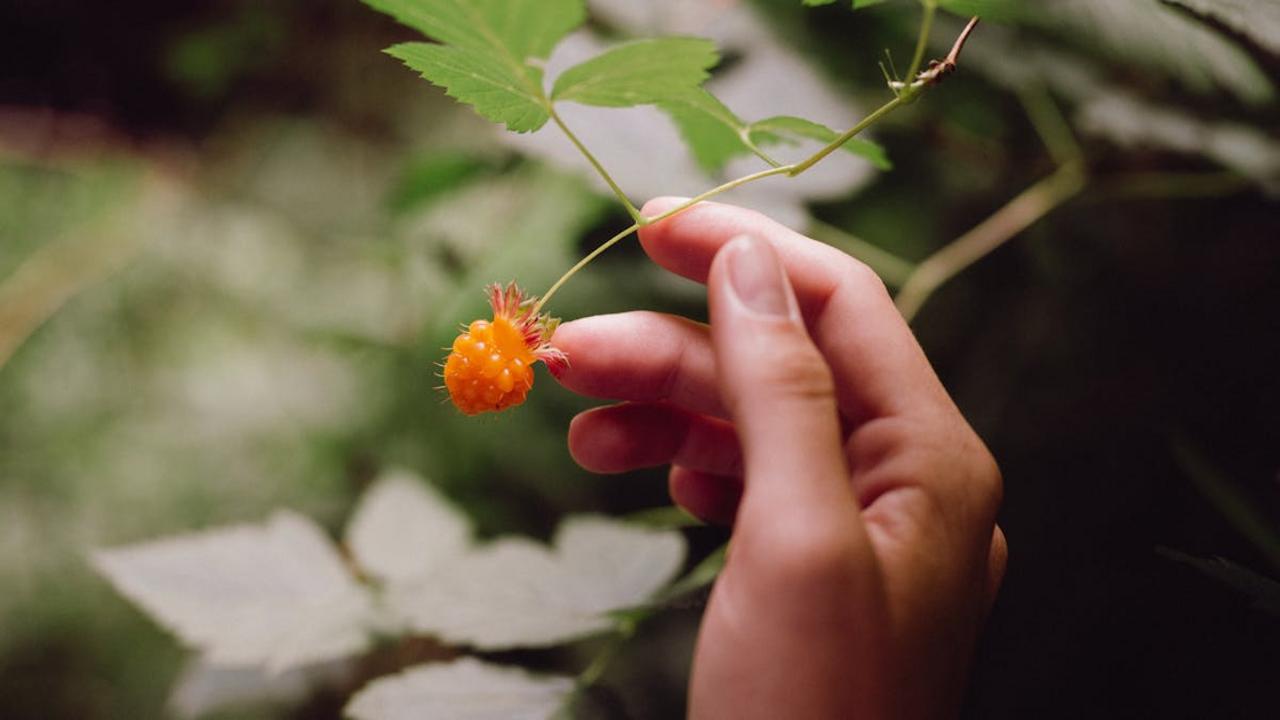
Picture yourself wandering through Alaska’s misty coastal forests, where you’ll spot clusters of bright orange-red berries that look like tiny, jewel-like salmon eggs. These are salmonberries, the pride of Alaskan summers and a treasure among indigenous communities. The berries pack a unique flavor – a mix of tart and sweet that changes throughout the ripening process, from firm and acidic to soft and mellow. Local foragers know the best time to pick them is when they practically fall off into your hand, usually during those long July days under the midnight sun.
You’ll find Alaskans transforming these vibrant berries into jams, pies, and traditional akutaq (also known as “Eskimo ice cream”). The berries grow so abundantly in some areas that bears often compete with human gatherers for the best patches. Native Alaskans have long mixed salmonberries with seal oil or whipped animal fat – a practice that not only preserved the berries but created a rich source of vitamins and energy during harsh winters. If you’re lucky enough to visit Alaska during berry season, keep your eyes peeled for these orange gems – they’re nature’s candy, free for the taking (just watch out for the bears!).
King Crab – Alaska
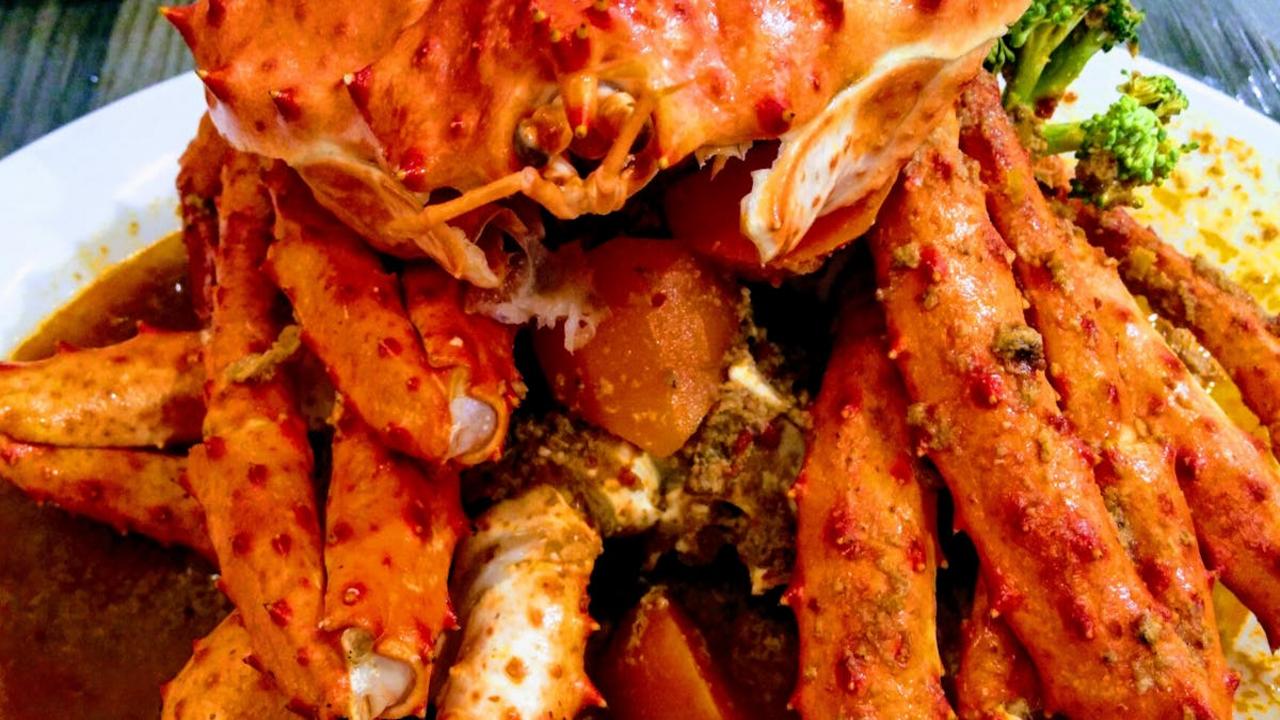
Picture this: you’re in Alaska, watching massive fishing boats return with their haul of what locals call “red gold” – the legendary Alaskan king crab. These mighty crustaceans can stretch up to 6 feet across and pack their shells with some of the sweetest, most tender meat you’ll find in the ocean. Unlike their smaller cousins, king crabs rule the icy depths of the Bering Sea, where they feast on fish, clams, and worms, developing their signature rich flavor that makes seafood lovers weak in the knees.
Getting your hands on these majestic creatures isn’t cheap – a single leg can cost upwards of $50 in restaurants. But oh boy, is it worth every penny! The meat practically melts in your mouth, needing nothing more than a quick steam and a dab of butter to shine. Fun fact: Alaskan fishermen nicknamed these giants “tanks” because of their hard shells and intimidating spikes. Despite their fierce appearance, they’re actually quite gentle – unless you’re a small fish swimming by their claws! Want the real Alaskan experience? Grab a mallet, roll up your sleeves, and dig into a pile of steaming legs with plenty of melted butter and lemon wedges.
Ground Cherry – Great Plains
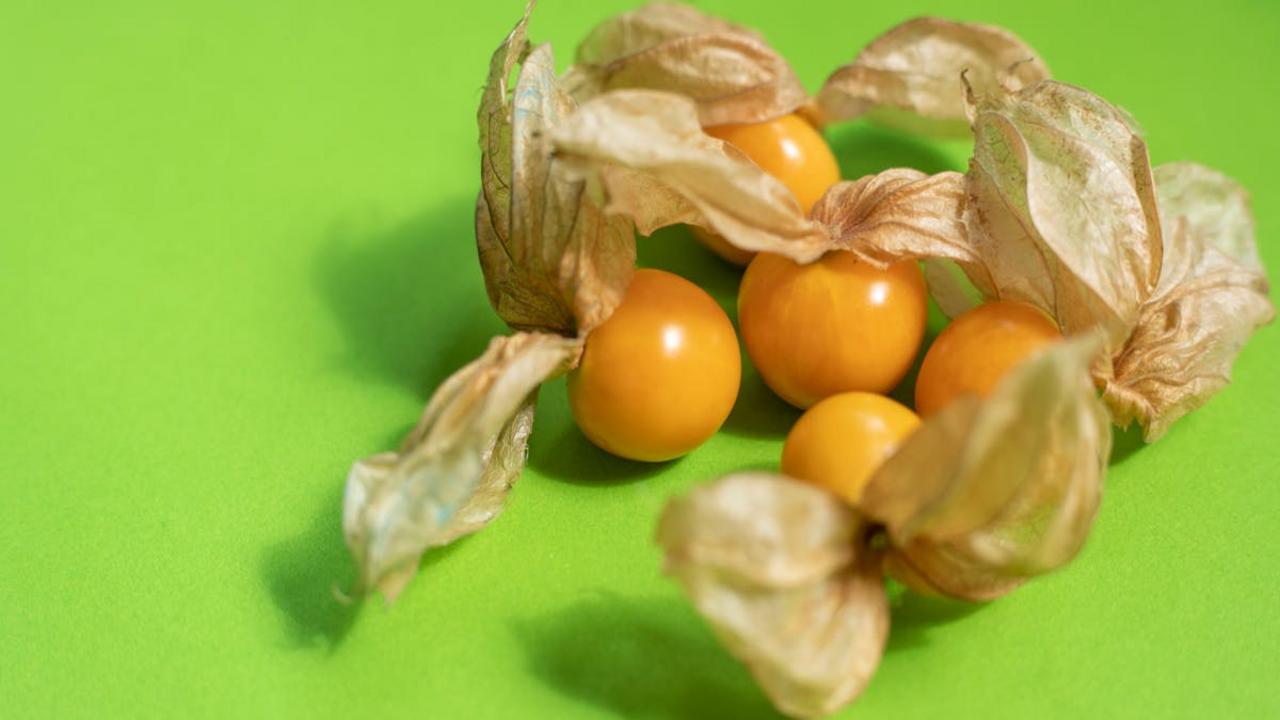
Meet the ground cherry, the adorable little fruit that looks like a tiny golden lantern wrapped in papery husks. Native to the Great Plains region, these sweet-tart berries pack a flavor punch that’ll make you wonder why you haven’t been snacking on them your whole life. Think pineapple meets vanilla meets cherry tomato – yeah, they’re that unique! You’ll find them growing wild across Nebraska and Kansas, where clever home gardeners have long treasured them for their versatility in pies, jams, and fresh-eating.
I discovered these little nuggets of joy at a Nebraska farmers’ market, where an elderly woman sold them by the basketful and shared her secret family recipe for ground cherry cobbler. The best part? These hardy plants practically grow themselves – they’ll volunteer year after year, popping up in gardens like friendly little surprises. Just remember to wait until they naturally fall to the ground (hence the name) before collecting them, and give the husks a gentle squeeze to check for ripeness. The fruits inside should be golden yellow and firm, ready to brighten up your next breakfast or dessert.
Tasso Ham – Louisiana
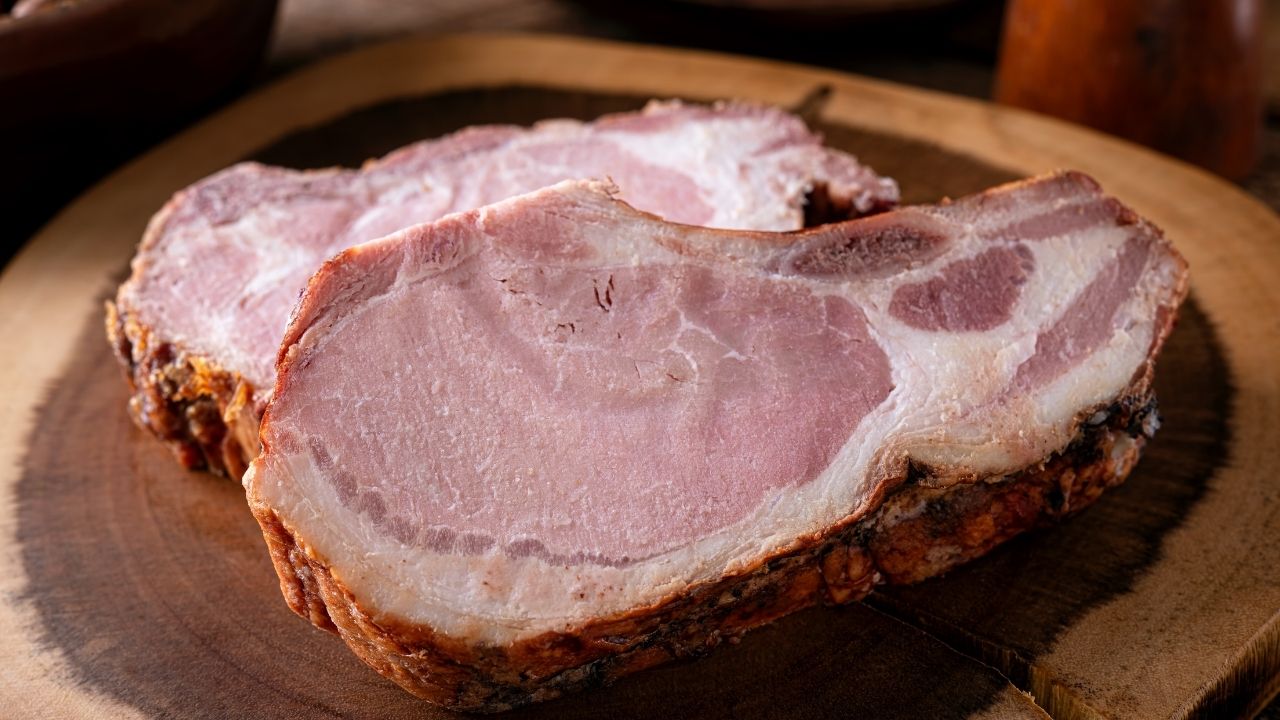
You haven’t truly experienced Louisiana cooking until you’ve encountered tasso ham, the spicy, smoky secret weapon that makes Cajun dishes sing. Unlike your standard deli ham, tasso packs a serious punch – it’s heavily seasoned with cayenne, garlic, and other bold spices before getting a deep smoke treatment. While technically not even a true ham (it’s actually made from pork shoulder), this intensely flavored meat works its magic in everything from jambalaya to red beans and rice.
I once watched my friend’s Louisiana grandmother throw a fit when she couldn’t find tasso for her gumbo – “It just ain’t the same without it!” she declared, waving her wooden spoon in protest. She had a point – the concentrated smoky-spicy flavor of tasso transforms ordinary dishes into something extraordinary. Just a small amount diced into your beans or rice kicks up the flavor tenfold. You’ll find this Cajun cornerstone doing heavy lifting in restaurant kitchens across Louisiana, where chefs know that a little tasso goes a long way in building those deep, complex flavors that make the region’s food so memorable.
Mirlitons – Louisiana
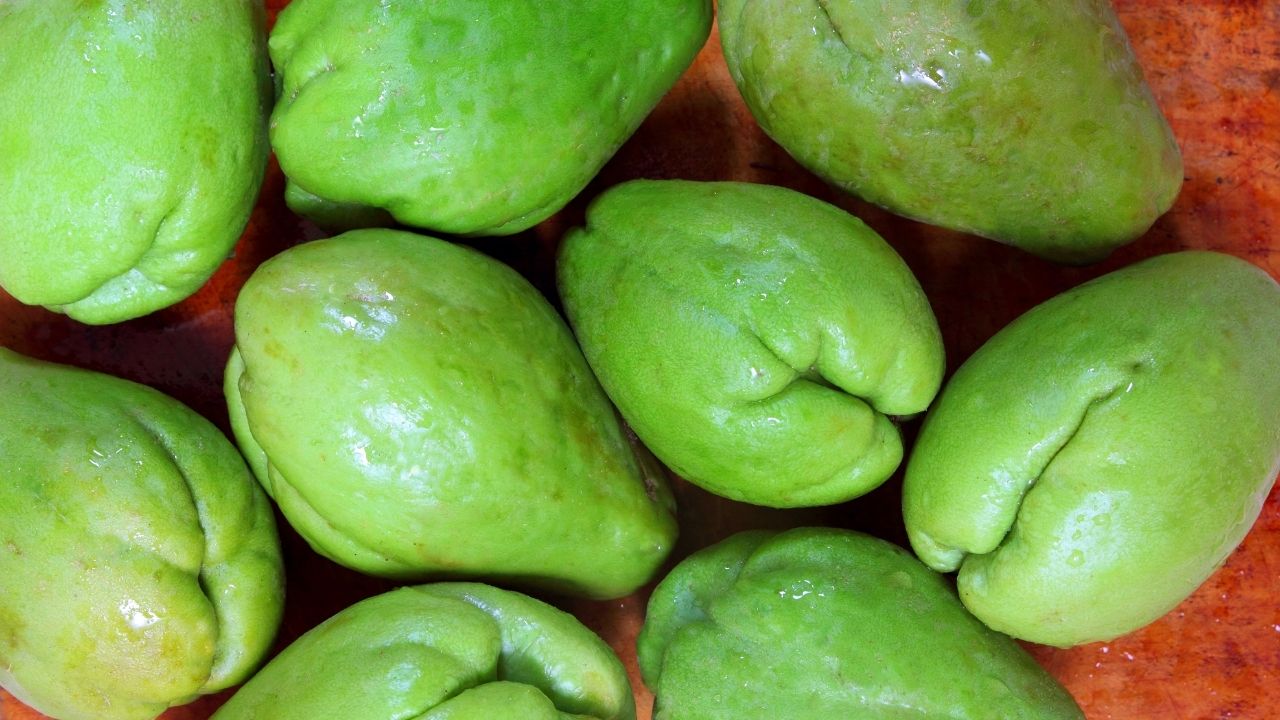
Say hello to the mirliton, Louisiana’s quirky little squash that looks like it got squeezed in all the wrong places! You’ll find these pear-shaped green vegetables (also called chayote) hanging out in every New Orleans backyard garden and market stall. The mild-mannered mirliton packs a subtle flavor somewhere between a cucumber and summer squash, making it the perfect canvas for bold Cajun seasonings. My favorite local grandma once told me she’d rather give up her gumbo pot than her mirliton patch – that’s how serious Louisiana folks are about this bumpy veggie!
New Orleans cooks stuff these babies with everything from spicy shrimp to seasoned breadcrumbs, creating hearty casseroles that’ll make you forget all about plain old squash. The versatile mirliton shows up in traditional holiday dishes and weeknight dinners alike. Raw, it adds a fresh crunch to salads, while cooked, it becomes tender and soaks up surrounding flavors like a champ. And here’s a fun fact – in New Orleans, you might hear old-timers call it a “vegetable pear” or “mango squash,” though it’s neither a pear nor a mango! Just another charming quirk of Louisiana food culture.
Scrapple – Mid Atlantic
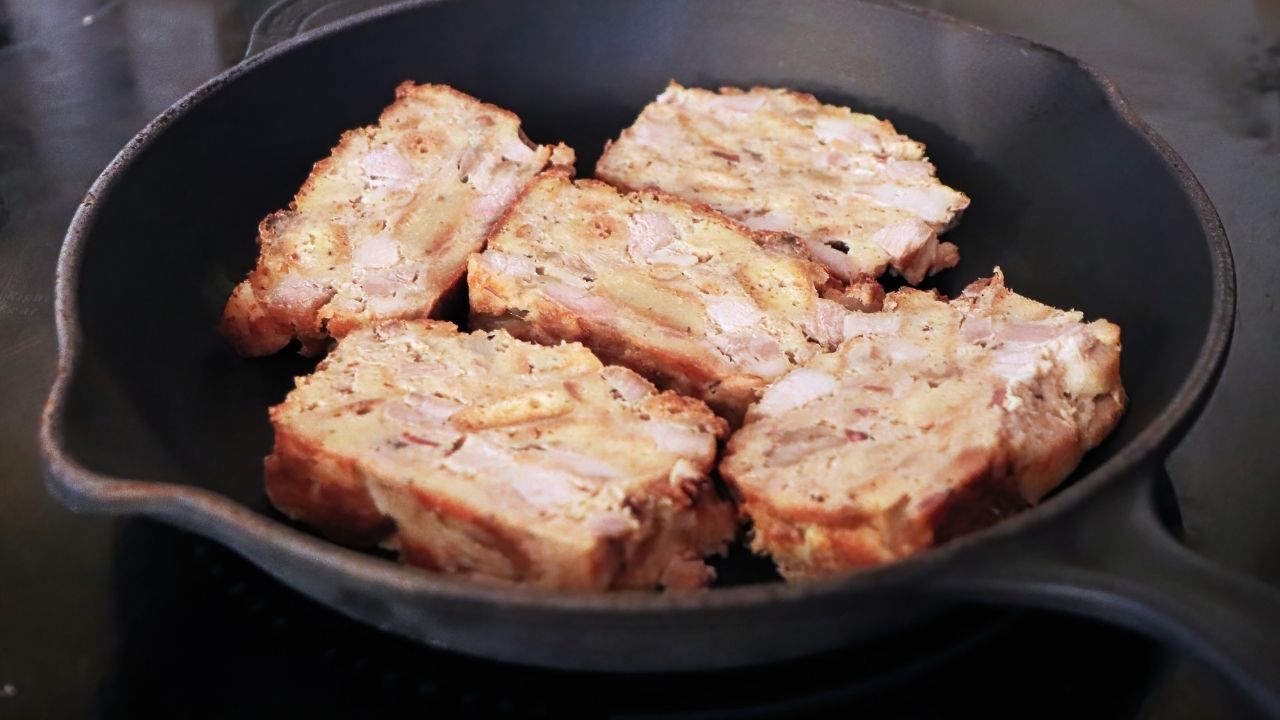
If you’ve never encountered scrapple, picture this: a savory loaf made from pork scraps, cornmeal, and spices that transforms into crispy-on-the-outside, creamy-on-the-inside slices of breakfast heaven. This Mid-Atlantic marvel originated with Pennsylvania Dutch settlers who followed the “waste not, want not” philosophy by turning every bit of their butchered pigs into something wonderful. Think of it as the original nose-to-tail eating, wrapped up in a neat, sliceable package that makes hash browns look boring.
You’ll find scrapple sitting proudly on breakfast plates across Pennsylvania, Delaware, and Maryland, where locals know the best way to cook it – sliced thin and fried until golden brown. Some folks top it with ketchup, others swear by maple syrup, and die-hard fans eat it straight up. The real magic happens in that perfect contrast between the crispy exterior and the soft interior. My Pennsylvania friend swears the secret to perfect scrapple is patience – let those slices sizzle undisturbed until they form a proper crust, or you’ll end up with a crumbly mess. Trust me, once you try properly prepared scrapple, you’ll wonder how you lived without this breakfast revelation.
Chokecherries – Midwest
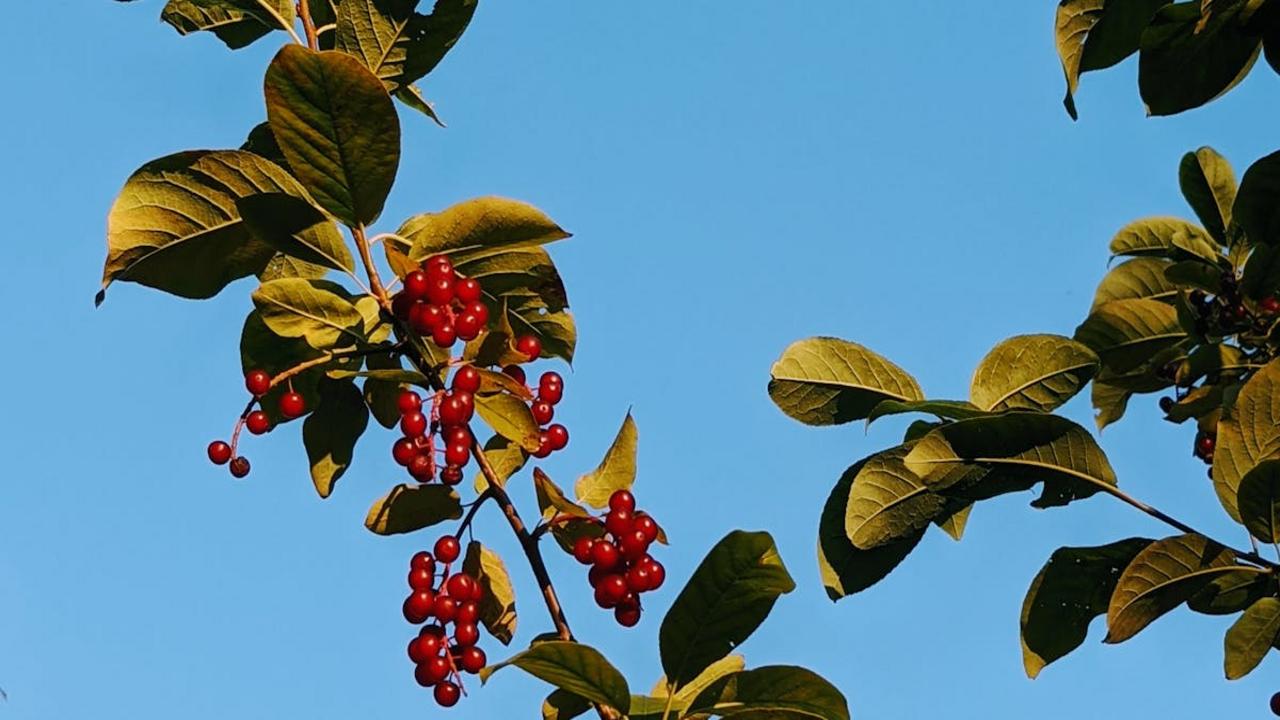
You haven’t truly experienced Midwestern foraging until you’ve stumbled upon a wild chokecherry bush, those tiny dark fruits that pack such a memorable punch! Native Americans first introduced these tart berries to early settlers, and they quickly became a staple in traditional prairie cooking. While the raw berries will make you pucker up faster than your first middle school kiss (hence the name!), cooking them with sugar transforms these little devils into something magical. I’ve watched my grandmother turn basketfuls of chokecherries into the most beautiful deep purple jelly you’ve ever seen.
Beyond jelly, creative Midwesterners have found countless ways to put chokecherries to work. You’ll find them in everything from syrup drizzled over pancakes to wine that’ll knock your socks off. The secret lies in timing your harvest just right – too early and they’re impossibly sour, too late and the birds will beat you to them! And here’s a fun fact that’ll win you points at your next trivia night: chokecherries are actually part of the rose family, making them distant cousins to almonds and peaches. Just remember to avoid the pits and stems – Mother Nature’s way of saying “not everything here is for eating!”
Wild Rice – Midwest
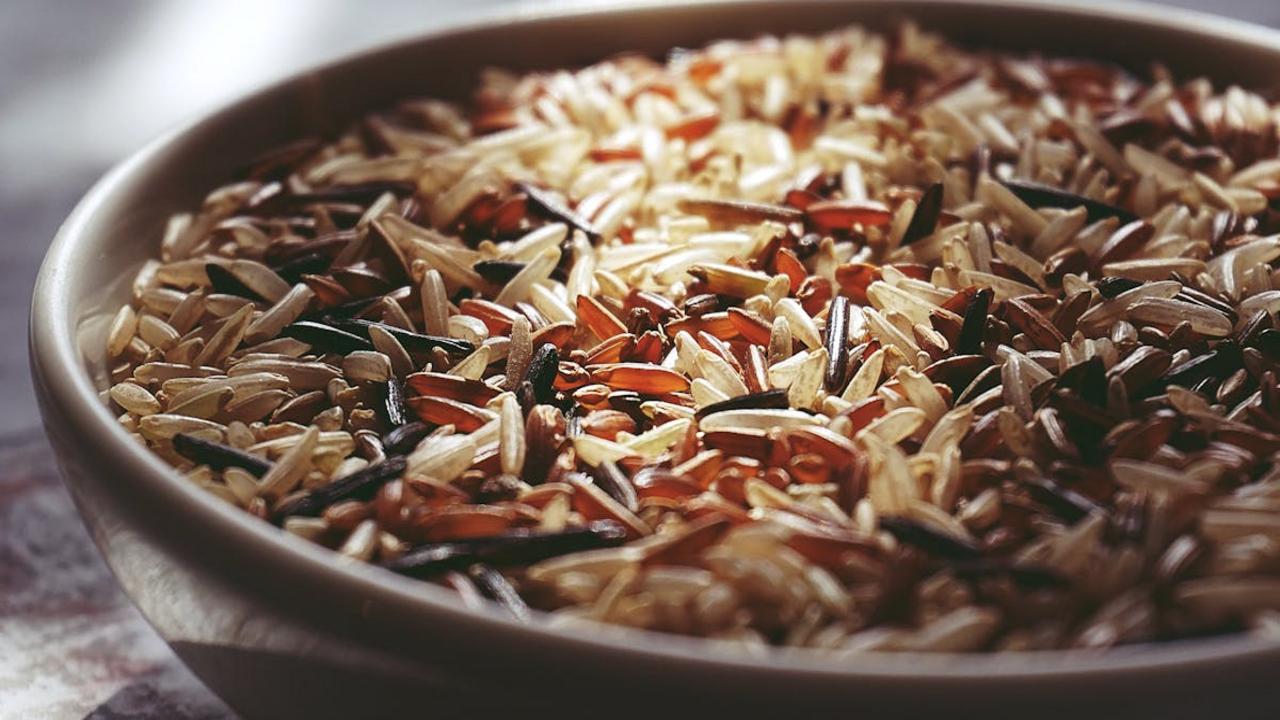
The Midwest holds a delicious secret in its lakes and streams – wild rice isn’t actually rice at all! This aquatic grass grows naturally throughout Minnesota and Wisconsin’s waterways, producing long, dark grains with a distinct nutty flavor and firm bite. Native American tribes, particularly the Ojibwe people, have harvested this grain by hand from canoes for centuries, gently bending the stalks over their boats and using special wooden sticks to knock the ripe seeds into their vessels.
You’ll find this hearty grain starring in countless Midwestern comfort dishes, from creamy chicken wild rice soup to festive holiday stuffing. Its smoky, earthy notes and chewy texture make it a fantastic base for fall salads or a robust side dish with roasted game meats. The traditional harvesting season runs from late August through September, when local families still gather at lakes to collect this treasured ingredient using methods passed down through generations. Just remember – true wild rice needs about 45 minutes to cook properly, unlike its quicker-cooking cultivated cousins, but the rich, complex flavor makes it worth every minute.
Mayhaw Berries – Southeast
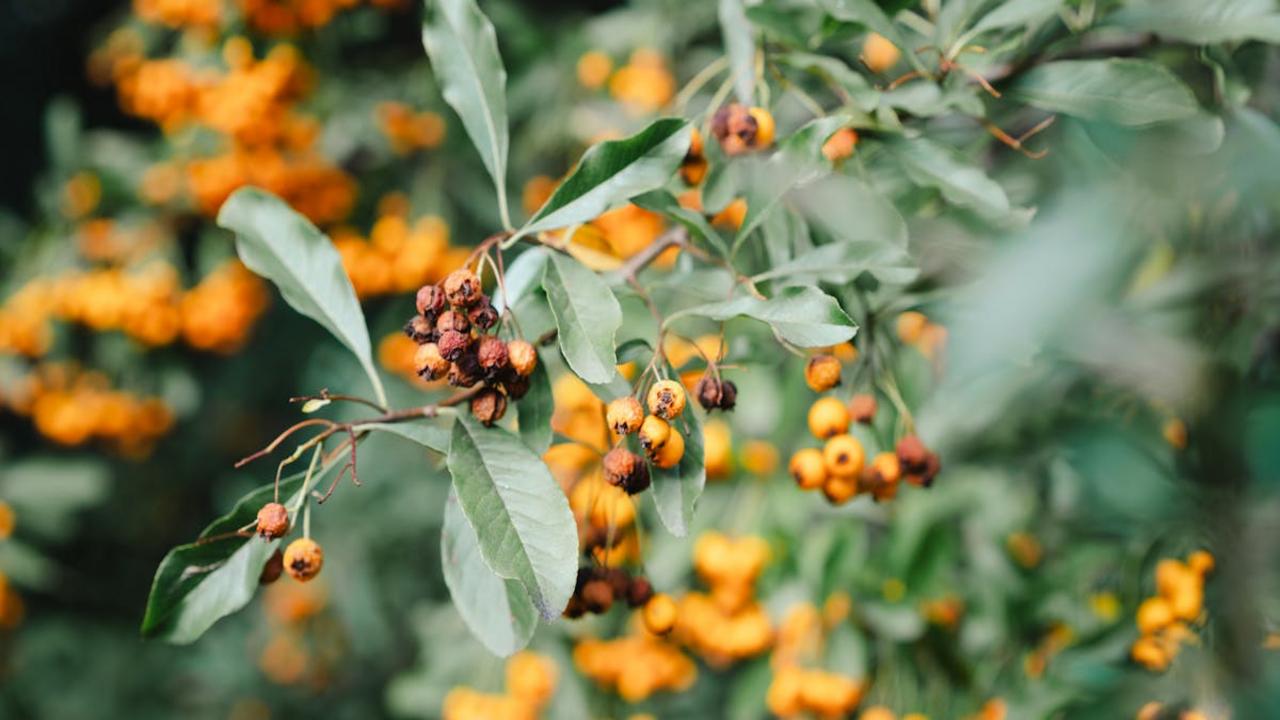
If you’ve never stumbled upon a mayhaw berry, you’re missing out on one of the South’s best-kept secrets! These little red gems, cousins to the common apple, grow wild in the swampy lowlands from East Texas to Florida. The size of small crabapples, mayhaws pack a tart-sweet punch that’ll make your grandma’s jelly recipe sing. I once met an old-timer in Georgia who told me his family would paddle their canoe through flooded timber each May (hence the name!) just to collect these precious berries before the gators got to them.
You won’t find fresh mayhaws in your local supermarket – these beauties bloom in spring and disappear faster than sweet tea at a church picnic. But their jelly? Oh my! That ruby-red spread transforms plain old biscuits into breakfast gold. Some creative Southern chefs now use mayhaw syrup in cocktails or reduce it into a glaze for grilled pork. My favorite discovery? A tiny bakery in Louisiana that folds mayhaw preserves into buttermilk scones – the perfect mix of British tradition and Southern charm. If you spot any mayhaw products at farmers’ markets or country stores, grab them quick – they’re worth their weight in Dixie gold!
Quahog Clams – New England
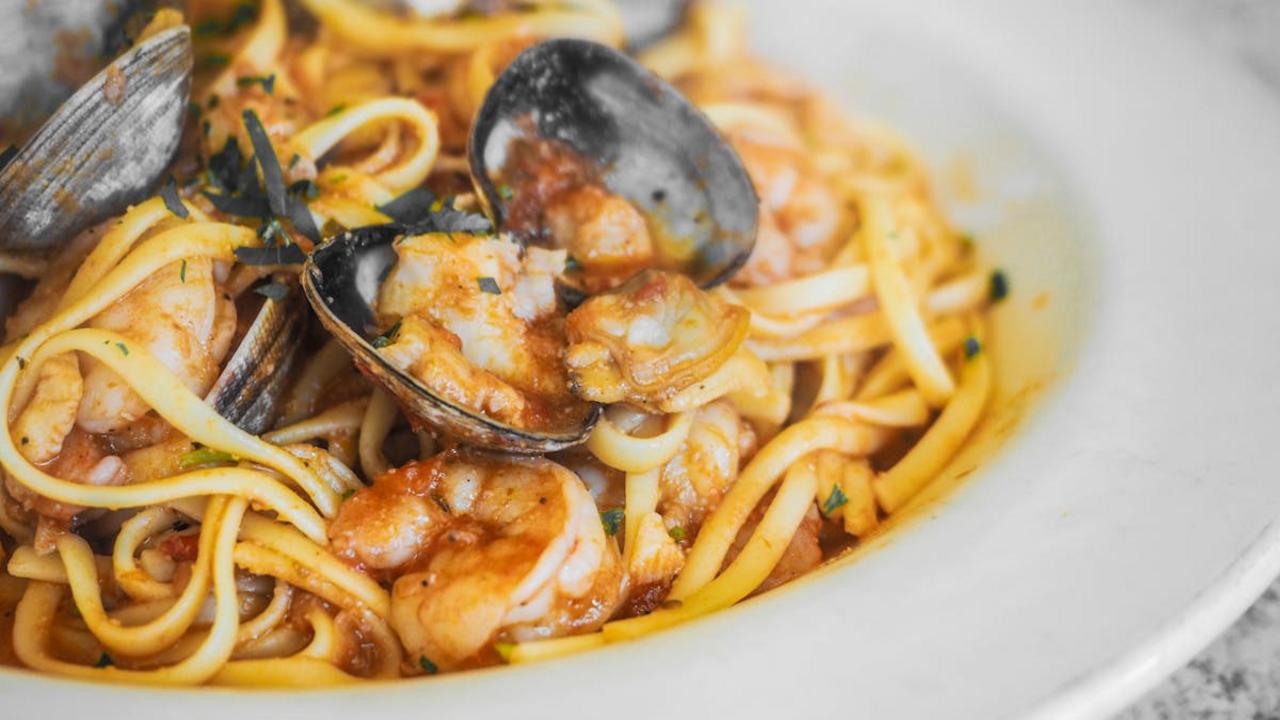
I’d bet my favorite seafood bib that you’ve never met a clam quite like the mighty quahog! These beautiful bivalves rule New England’s sandy shores and have earned their spot as the official shellfish of Rhode Island. The name “quahog” comes from the Narragansett Indian word “poquauhock,” and these chunky mollusks pack more personality than their fancy cousin, the littleneck. You’ll find them starring in everything from classic chowders to stuffed clams (or “stuffies” if you want to sound like a local).
Here’s a fun fact that’ll make you the hit of your next clambake – Native Americans used quahog shells to make wampum, their traditional form of currency and record-keeping. Today, these briny beauties still bring wealth to the region, just in culinary form! New Englanders prize the larger quahogs (called chowder clams) for their hearty meat, perfect for – you guessed it – creamy New England clam chowder. The smaller ones? Raw on the half shell with a squeeze of lemon, or minced into zesty clam cakes that’ll make your mouth water just thinking about them.
Fiddleheads – New England
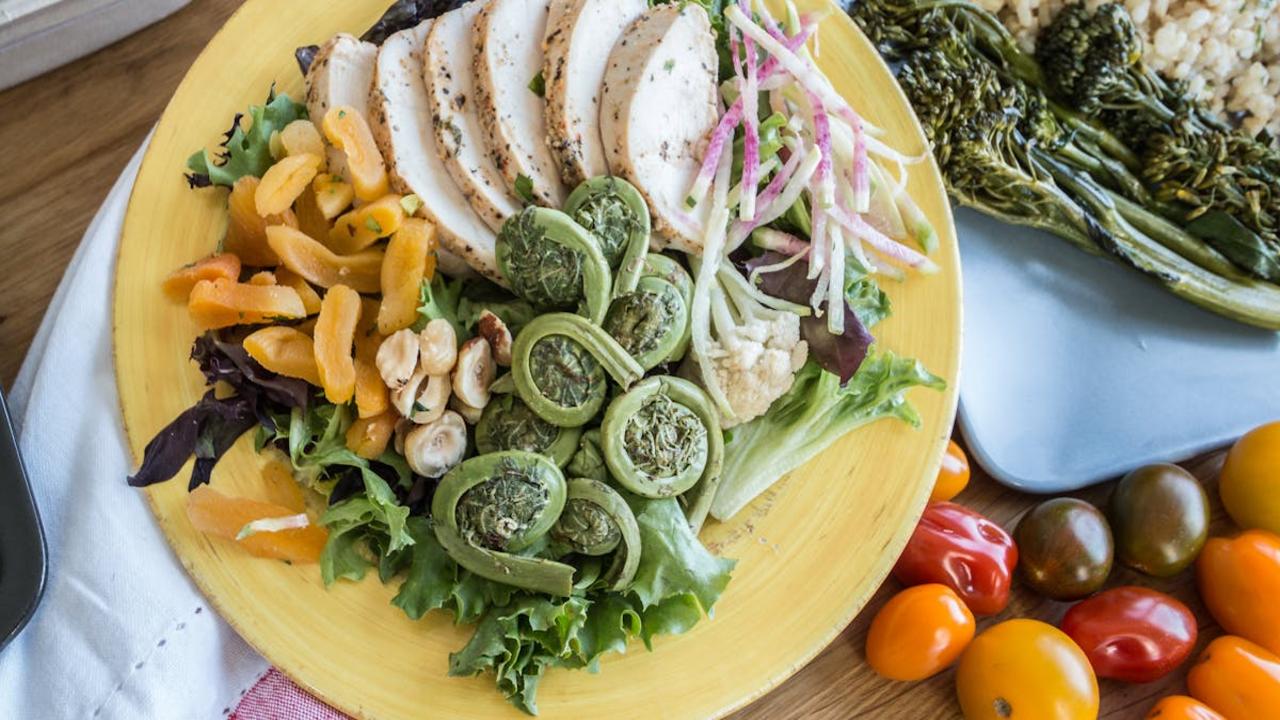
Picture this: you’re wandering through a New England forest in early spring, and there they are – tiny, emerald spirals unfurling from the ground like miniature violin scrolls. Fiddleheads, the young shoots of the ostrich fern, pack a wild punch of nutty, grassy flavor that’ll make you wonder why you’ve been eating boring old broccoli all this time. These forest treasures pop up for just a few short weeks each year, sending locals into a foraging frenzy. Fun fact: Native Americans taught European settlers about these edible gems, and New Englanders have been cooking them up ever since!
You’ll want to snag these green coils while they’re young and tightly curled – about an inch or two in diameter. Give them a good wash to remove any brown papery coating, then steam or sauté them with butter and a sprinkle of salt. Some folks say they’ve got a flavor somewhere between asparagus and young spinach, with a hint of mushroomy earthiness thrown in. Just remember: never eat them raw! A quick cook is all you need to transform these woodland curiosities into a plate of pure New England spring magic. Try tossing them into pasta or serving them alongside your morning eggs for a true taste of regional flair.
Hatch Green Chiles – Southwest
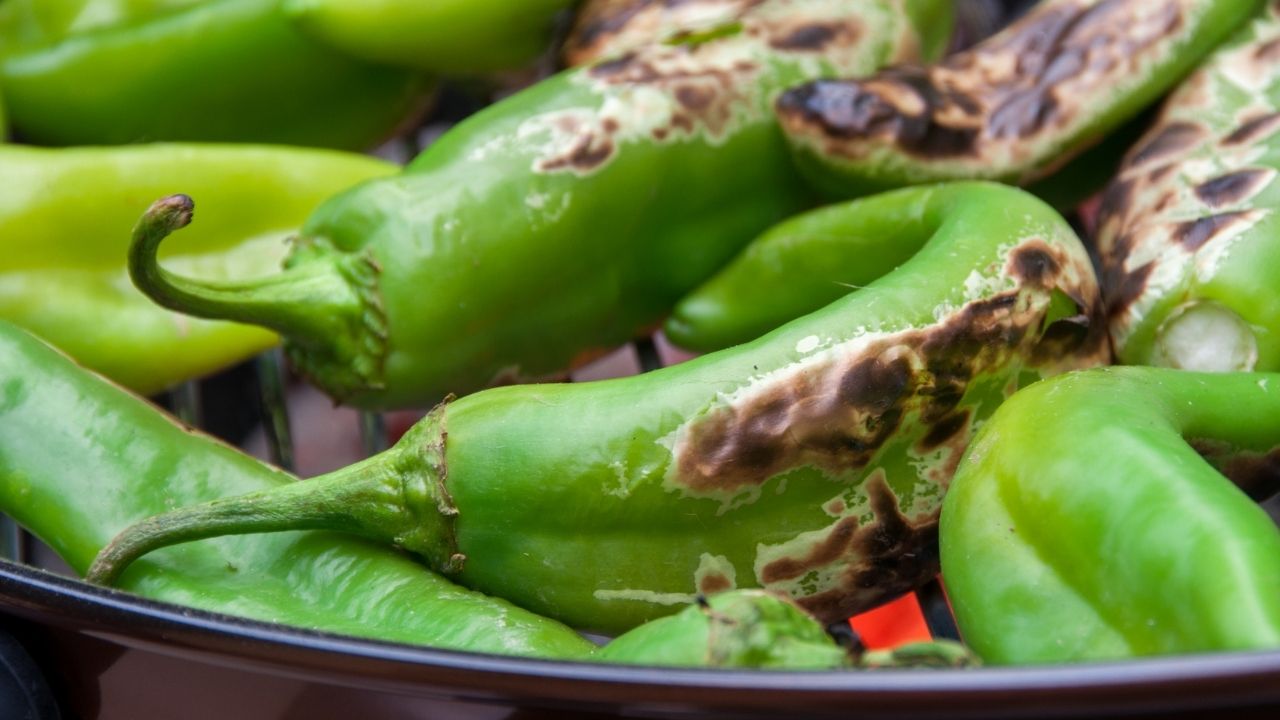
You haven’t truly experienced Southwestern heat until you’ve smelled the intoxicating aroma of Hatch green chiles roasting in late summer. These legendary peppers from New Mexico’s Hatch Valley pack more personality than your chattiest aunt at Thanksgiving dinner. The unique soil composition and desert climate create the perfect conditions for these chiles to develop their signature smoky-sweet flavor and medium-to-hot kick. Local families buy them by the 40-pound burlap sack during harvest season, spending entire weekends roasting and freezing their bounty to last through the year.
I dare you to find a New Mexican kitchen without a stash of these beauties in the freezer! From classic chile rellenos to green chile stew, enchiladas, and even burgers, these peppers add an unmistakable Southwest punch to any dish. My favorite memory? Watching my friend’s grandmother char them on an ancient cast-iron comal while telling stories about how her mother used to do the same thing 60 years ago. The best part? You can’t replicate true Hatch chiles anywhere else – trust me, people have tried! The valley’s unique growing conditions make these peppers a true American original.
Geoduck Clams – Pacific Northwest
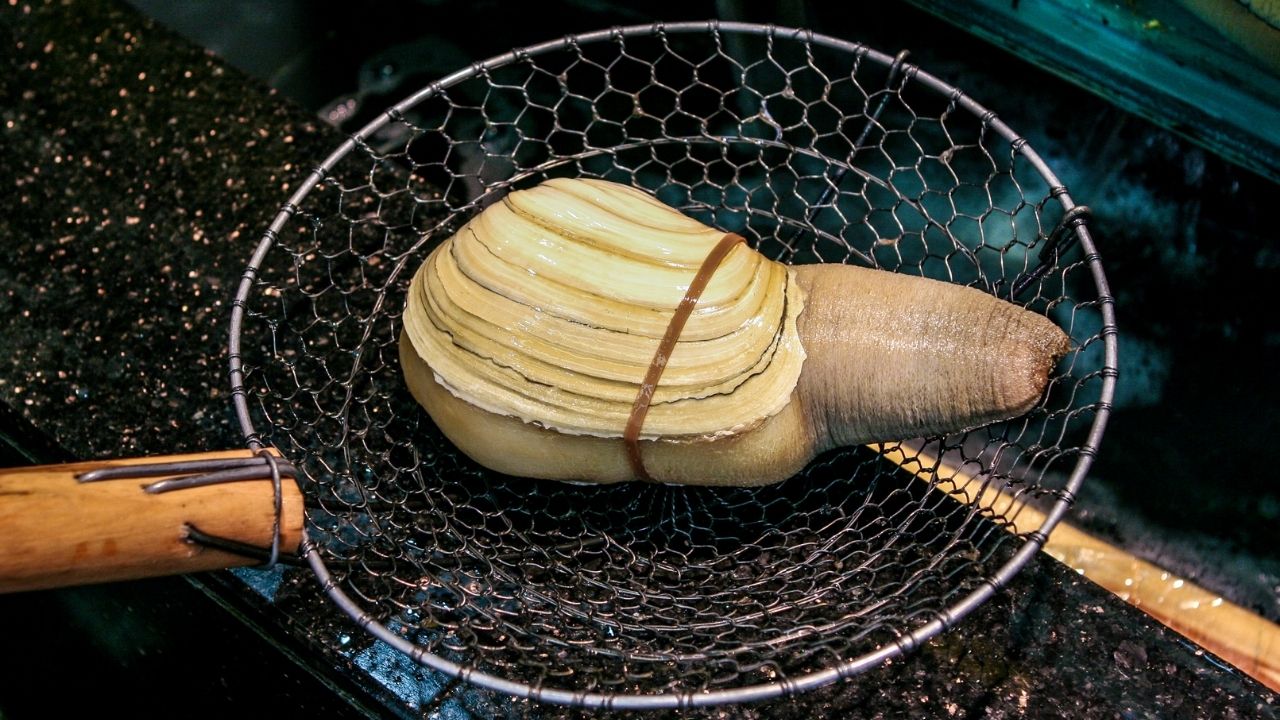
You might chuckle at first glance – the geoduck (pronounced “gooey-duck”) looks like something from a sci-fi movie with its long siphon neck protruding from its shell. But don’t let its odd appearance fool you! This giant Pacific Northwest clam ranks among the most expensive seafood items in the world, especially in Asian markets where people prize it for its sweet, clean flavor and satisfying crunch. Native to the cold waters of Washington state and British Columbia, these mammoth mollusks can tip the scales at up to 15 pounds and live for over 100 years in their sandy burrows.
I’ve watched skilled chefs transform geoducks into delicate sashimi, hearty chowders, and mind-blowing ceviche. The key lies in proper cleaning and quick cooking to preserve the clam’s natural sweetness and tender texture. In Seattle’s Pike Place Market, you’ll spot these bizarre beauties commanding top dollar, while local foragers brave the chilly tides to dig them up (with permits, of course). The name “geoduck” actually comes from the Lushootseed word gʷídəq, meaning “dig deep” – which makes perfect sense since these sneaky creatures can bury themselves up to three feet below the surface!
Wild Huckleberries – Pacific Northwest
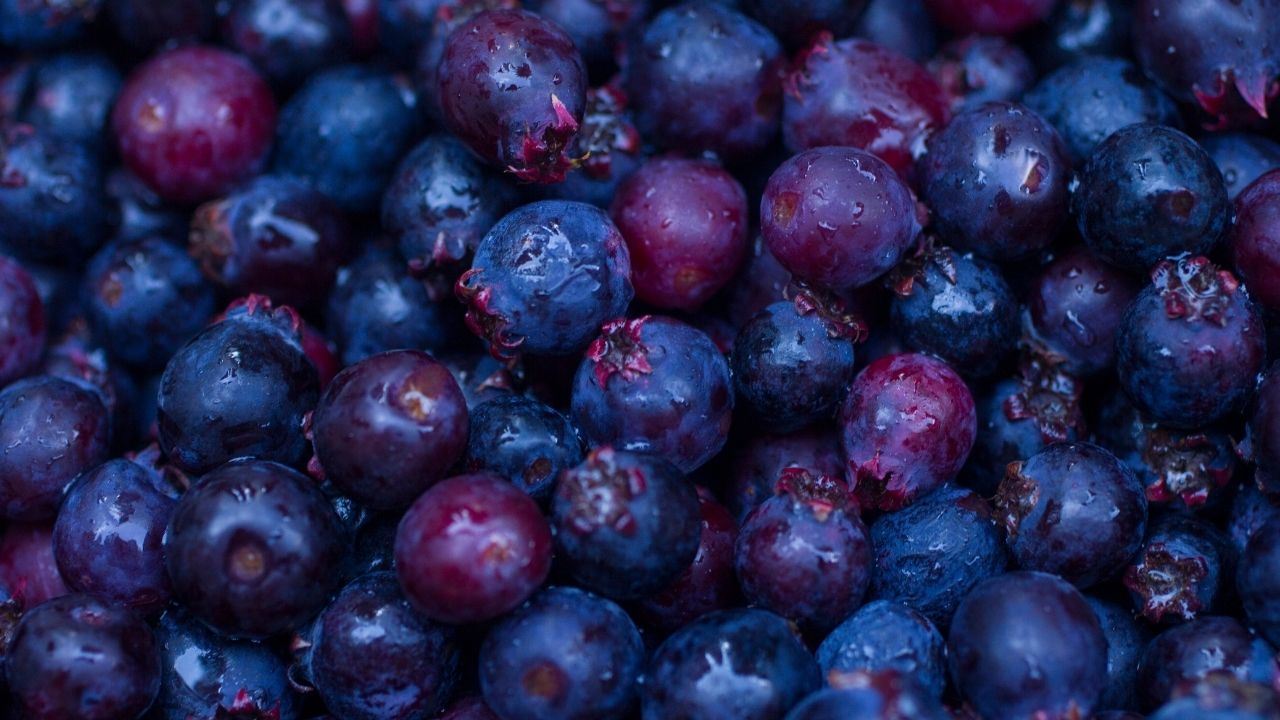
You haven’t lived until you’ve tasted a wild huckleberry straight from a Pacific Northwest mountainside! These tiny purple berries pack more flavor in their diminutive size than their cultivated blueberry cousins could ever dream of. The sweetness hits you first, followed by a tart kick that makes your whole face scrunch up in delight. I once watched a black bear demolish an entire patch of huckleberries in minutes – and honestly, I couldn’t blame the fuzzy fellow for his enthusiasm. Only growing in the wild at elevations between 4,000 and 6,000 feet, these berries remain one of nature’s most precious gifts to determined foragers.
Every August and September, locals grab their buckets and head to secret spots passed down through generations to gather these purple jewels. The berries make the most incredible pies, jams, and syrups – though getting enough berries home without eating them all first requires serious willpower! Native American tribes in the region have long revered huckleberries for both food and medicine. The Yakama people celebrate the first huckleberry harvest of the season with a traditional feast and ceremony. Want to try them yourself? You’ll need to befriend a local or visit Montana’s annual Huckleberry Festival, where these wild treasures transform into everything from milkshakes to barbecue sauce.