10 Classic American Foods That the World Just Doesn’t Get
From diners to state fairs, American food culture has created some unique dishes that often leave international visitors scratching their heads. While we Americans grew up loving these comfort foods, many of these classics get puzzled looks or outright rejection from friends abroad.
The combination of sweet and savory flavors, unusual textures, and our love for convenience has shaped a food landscape that’s distinctly American. Some items on this list might make perfect sense to you, but they’ve sparked countless debates and confused reactions from people outside our borders.
I’ve gathered 10 all-American foods that tend to divide opinion between US natives and international guests. These dishes represent more than just meals – they’re windows into our culture, showing how we’ve mixed innovation, comfort, and sometimes a dash of quirkiness into our daily eating habits.
Spray Cheese
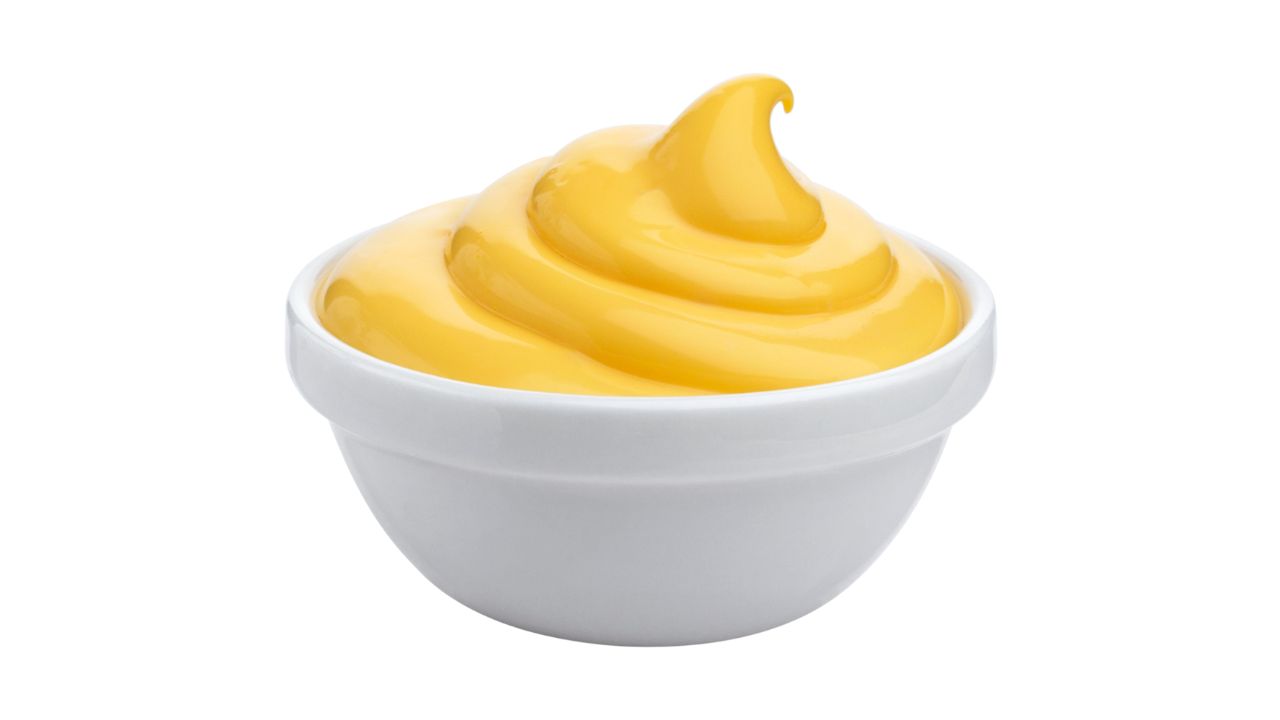
I remember my first encounter with spray cheese at a friend’s backyard barbecue – the bright orange substance flowing from an aerosol can straight onto crackers. This uniquely American invention, often known by the brand name Cheez Whiz, makes many international visitors scratch their heads in confusion. The concept of cheese that sprays from a can like whipped cream goes against everything most cultures understand about traditional cheese-making and storage.
While Americans have fond memories of creating cheese designs on crackers and celery sticks with this processed convenience food, international guests often find the texture and artificial nature off-putting. The bright orange color and chemical preservatives make it a hard sell for those who grew up with traditional aged cheeses. Yet this retro snack food maintains its place in American pantries, particularly for quick appetizers and kid-friendly treats. The debate continues – is spray cheese a creative food innovation or a step too far in processed convenience?
Biscuits and Gravy
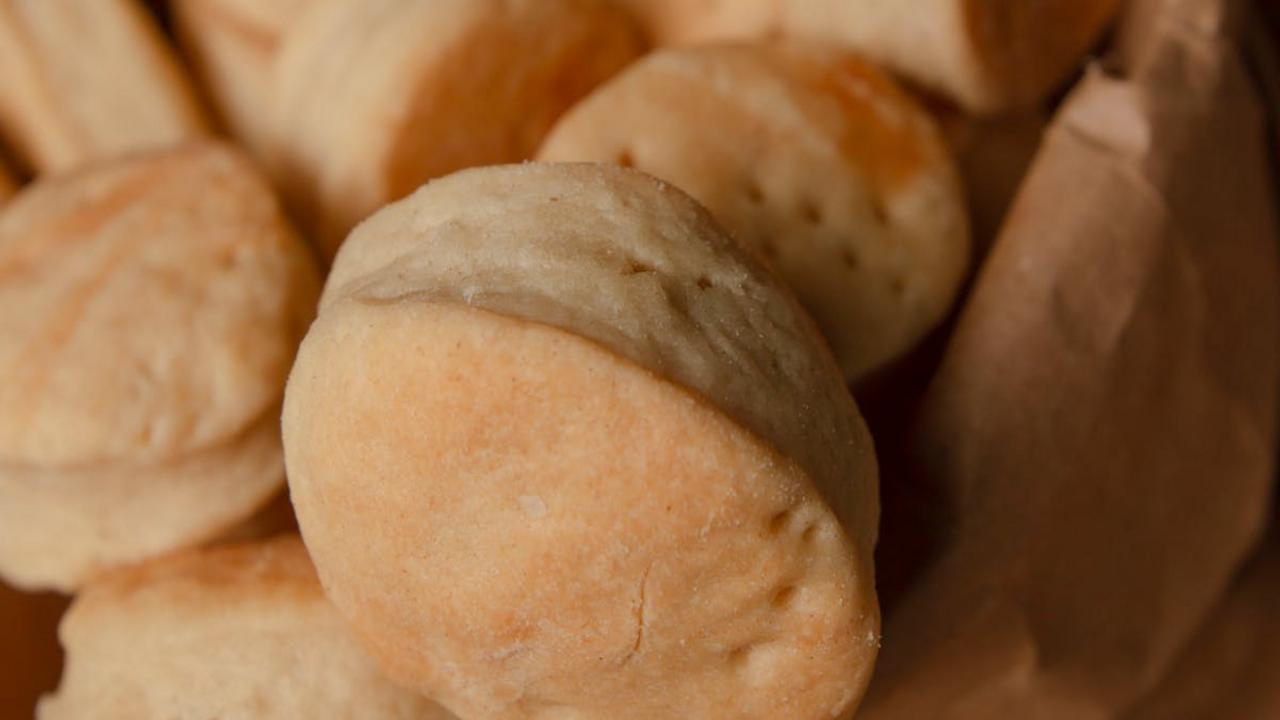
I can’t blame anyone outside the US for raising an eyebrow at biscuits and gravy. The name itself creates confusion since “biscuits” mean cookies in British English! But American-style biscuits are warm, flaky, buttery pastries that pair perfectly with creamy sausage gravy. The dish started as a humble breakfast for laborers in the South, where cooks needed to make filling meals from simple ingredients. The gravy combines milk with the drippings and bits left from cooking pork sausage, creating a rich, peppered sauce that blankets the fresh-baked biscuits.
Many international visitors find the combination strange at first – the beige-on-beige appearance and heavy cream sauce don’t exactly scream “breakfast.” But once you try authentic Southern biscuits and gravy, you’ll understand why it remains a weekend breakfast staple across America. The contrast between the crisp, layered biscuit exterior and the smooth, savory gravy creates pure comfort food magic. While fancy brunch spots now serve elevated versions with artisanal sausage or mushroom gravy, the classic diner-style plate still hits the spot best.
American Cheese
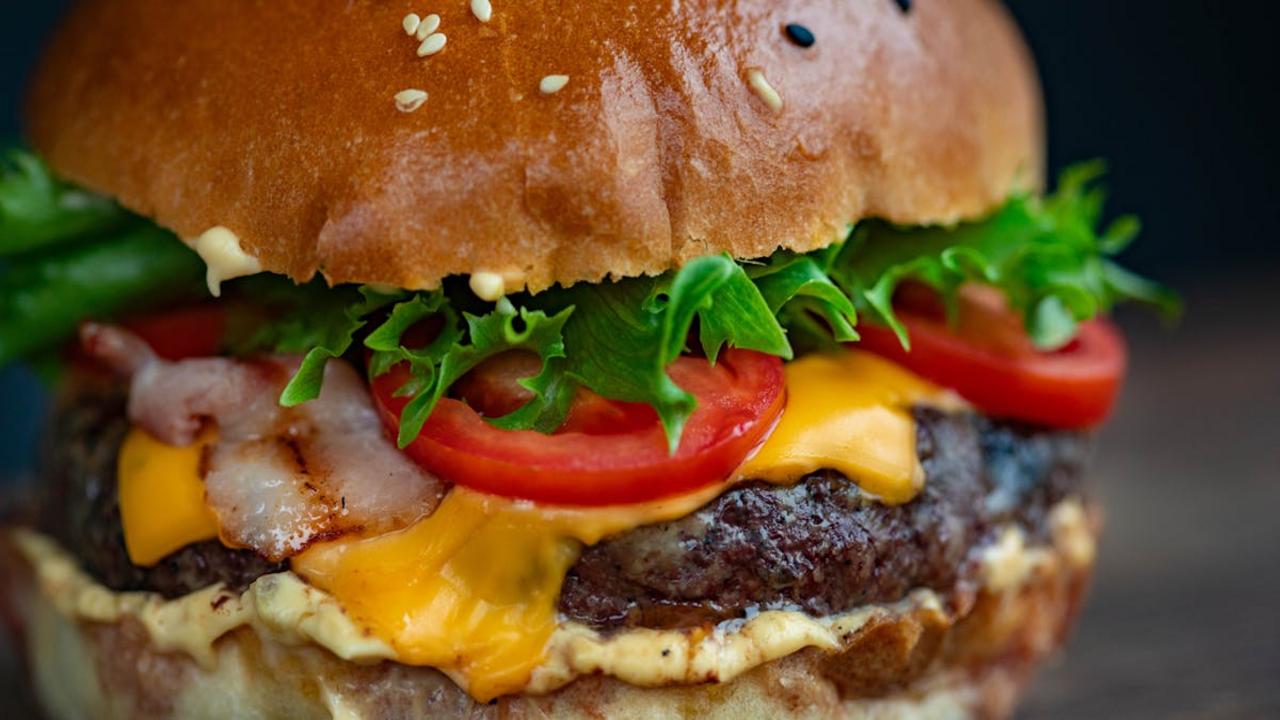
I remember growing up with bright orange squares of American cheese in my lunchbox – you know, those individually wrapped slices that melt like a dream on burgers and grilled cheese sandwiches. While many food snobs turn their noses up at this processed product, American cheese holds a special place in our nation’s food identity. The world often questions why Americans love this mild-flavored, ultra-meltable cheese, but they miss the point – it’s not trying to compete with aged cheddars or fancy bries.
The magic of American cheese lies in its perfect meltability and consistent texture, making it ideal for classic comfort foods. Your patty melt wouldn’t have that signature gooey stretch without it, and your mac and cheese wouldn’t achieve that silky-smooth sauce. While international cheese lovers might question its authenticity, American cheese serves a specific purpose in our cooking. It’s a nostalgic ingredient that connects us to childhood memories of backyard barbecues and quick school lunches. Sure, it might not win any fancy cheese competitions, but that’s not what it’s meant for!
Red Velvet Cake
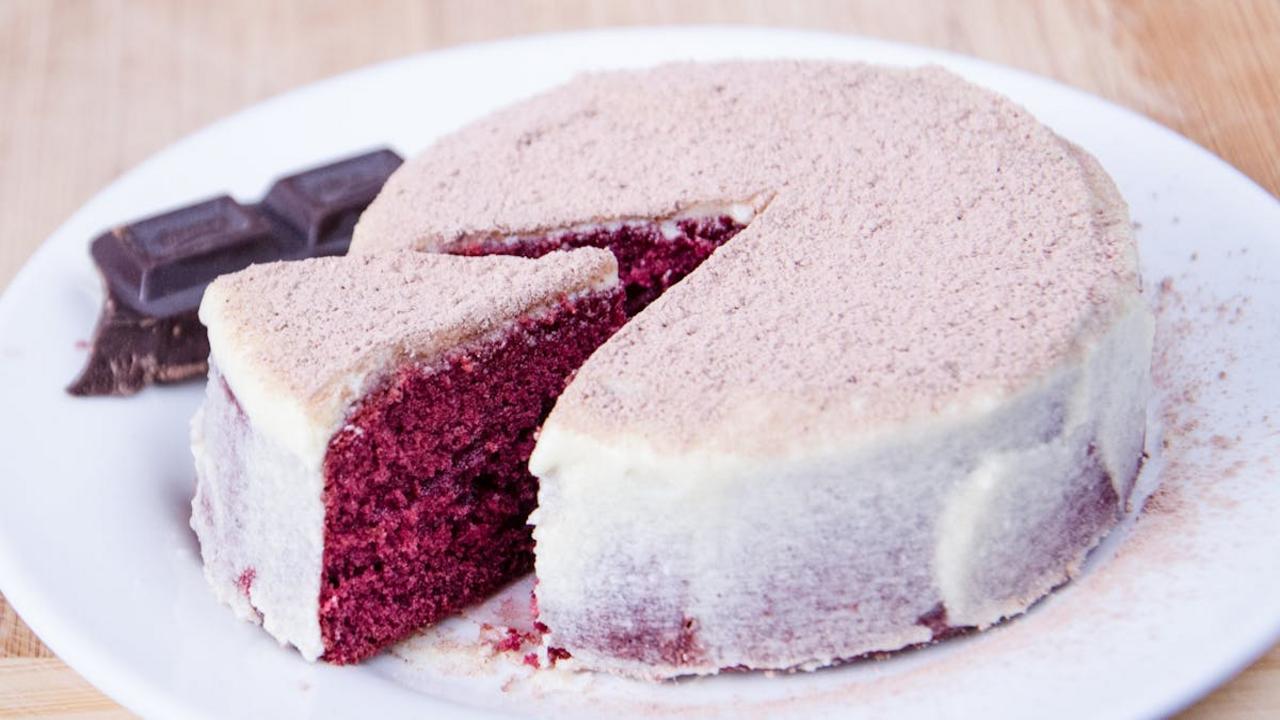
I’ve watched countless non-American friends scrunch their noses at Red Velvet Cake, asking “Why would anyone dye a chocolate cake red?” The confusion runs deeper when they learn it contains vinegar and buttermilk! This rich, crimson-colored dessert, born in the 1930s, actually contains very little cocoa powder – just enough to create its unique, not-quite-chocolate flavor. While Americans know it’s all about the perfect balance of slight cocoa notes with tangy cream cheese frosting, many international folks can’t get past what they see as unnecessary food coloring.
The skepticism grows even stronger when I explain the cake’s history – that the original red color came from a chemical reaction between cocoa powder and buttermilk, and modern versions use food dye to maintain that dramatic look. My friends from Europe often point out they prefer their chocolate cakes to be, well, chocolate-flavored, and the whole concept feels gimmicky to them. But anyone who’s bitten into a properly made Red Velvet Cake knows there’s nothing quite like its velvety smooth texture and the way the subtle chocolate notes complement that thick layer of cream cheese frosting.
Corn Dogs
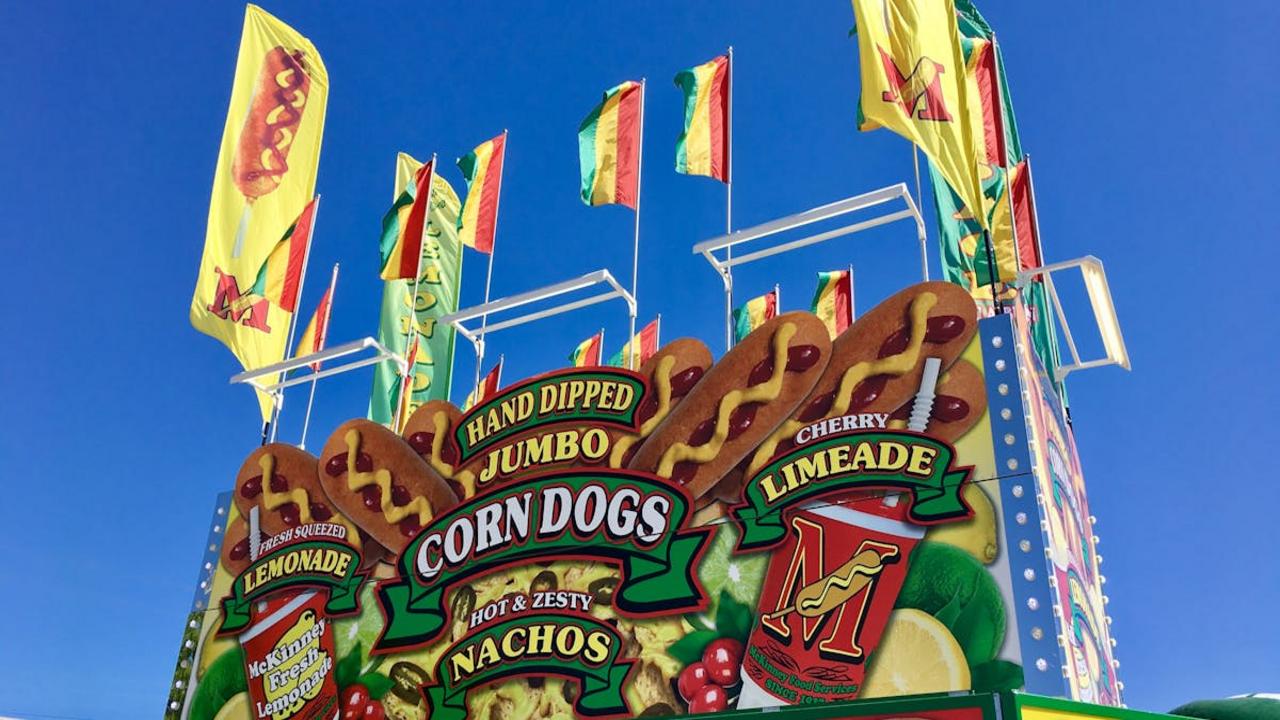
Most Americans adore corn dogs at county fairs and baseball games, but many international visitors find this food downright bizarre. I mean, who decided to take a hot dog, put it on a stick, dip it in cornmeal batter, and deep fry the whole thing? While the concept sounds peculiar to outsiders, Americans have made this portable snack a beloved fairground staple since the 1940s. The contrast between the crispy, sweet cornbread coating and the savory hot dog inside creates a uniquely satisfying combination that screams “American summer fun.”
The confusion about corn dogs runs deep in other countries, where people often question why anyone would want to eat a deep-fried hot dog on a stick. Europeans, in particular, find the whole concept perplexing – from the wooden stick handle to the thick cornmeal coating. But that’s exactly what makes corn dogs so special to Americans! The stick makes it perfect for walking around fairs and festivals, while the golden-brown crust adds that irresistible crunch factor. Top it with some yellow mustard, and you’ll understand why Americans can’t imagine summer without these nostalgic treats.
Ranch Dressing
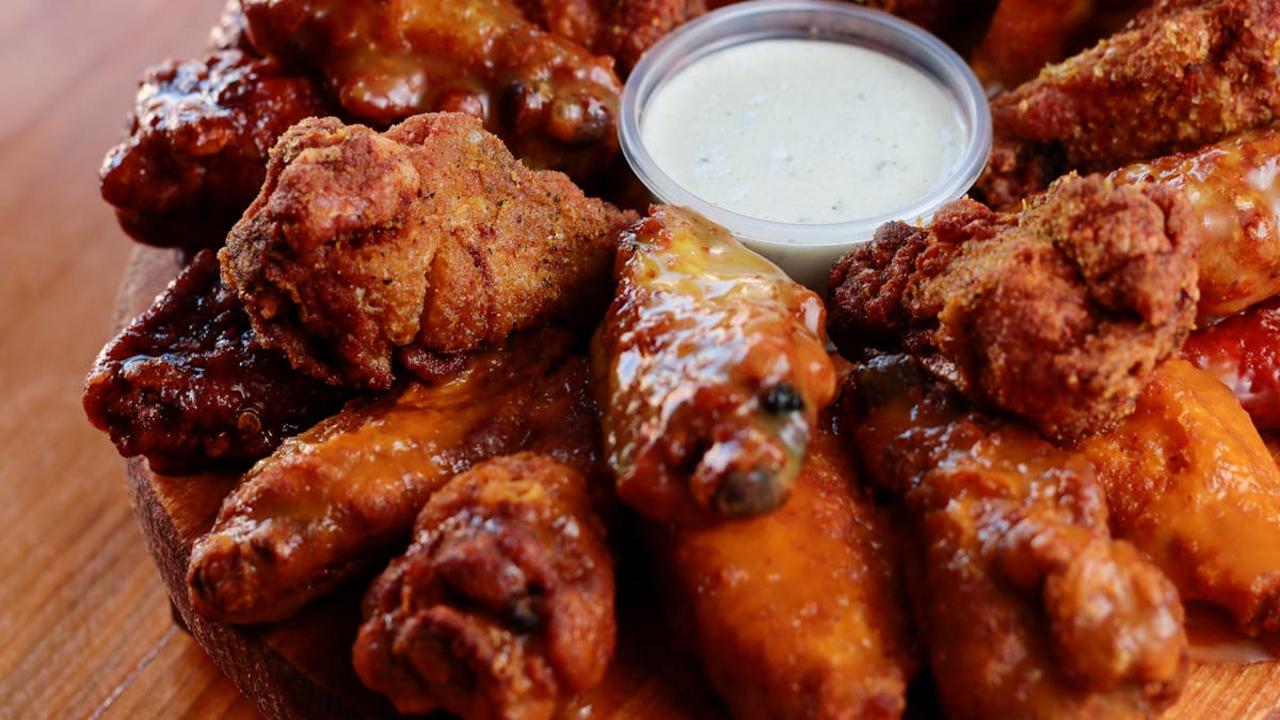
I’ve noticed how my international friends give me puzzled looks whenever I pull out a bottle of ranch dressing at dinner. This creamy, herb-filled condiment has become such a staple in American households that we’ll dip almost anything in it – from pizza to French fries, and yes, even vegetables! The combination of buttermilk, herbs, and garlic creates this uniquely American flavor that many outside the US find odd or overwhelming. While we Americans can’t get enough of its tangy, cool taste, my friends from Europe and Asia often say it’s too heavy and rich for their liking.
The ranch phenomenon goes beyond just salads – we’ve incorporated it into our snacks, sandwiches, and party spreads. You’ll find ranch-flavored chips, crackers, and even ranch seasoning packets to sprinkle on popcorn. Yet, this American obsession often leaves international visitors scratching their heads. Many can’t understand why we need such a thick, creamy dressing when a simple vinaigrette would do. Despite being a $1 billion industry in the US, ranch dressing remains largely a North American fascination that hasn’t caught on globally.
Marshmallow Sweet Potato Casserole
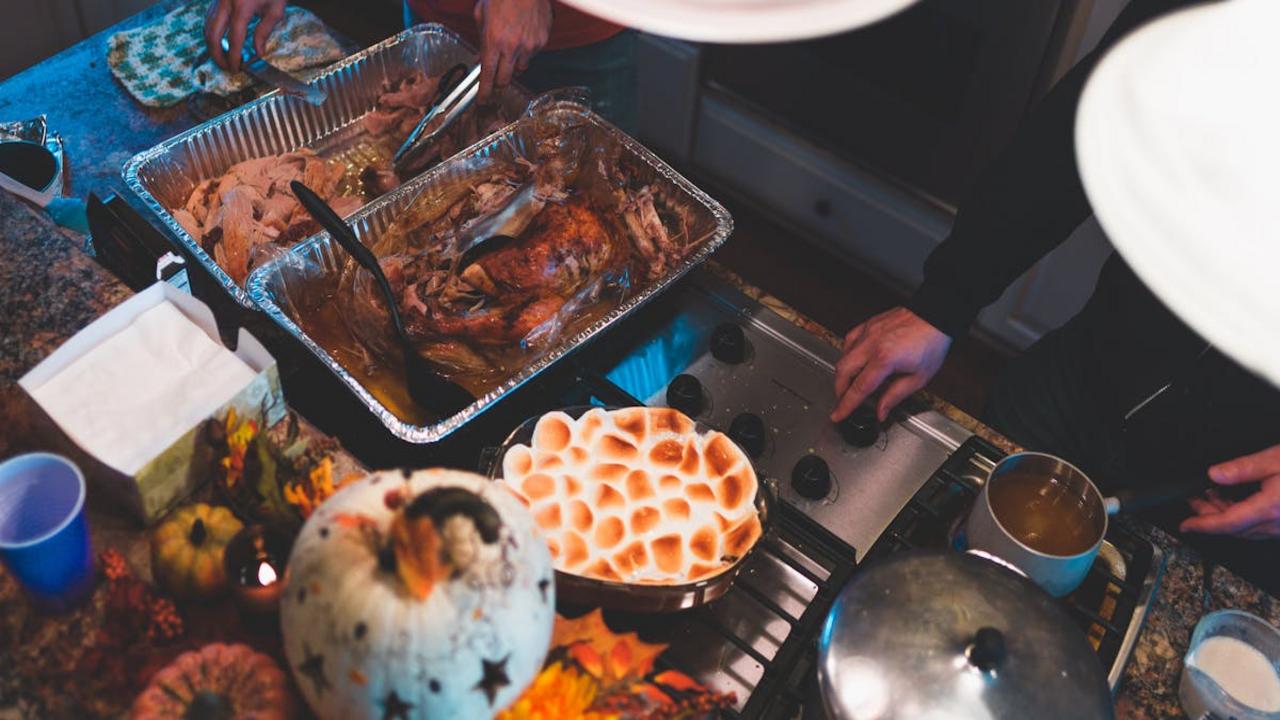
I’ll never forget my first time trying this uniquely American dish at a Thanksgiving dinner – a sweet potato casserole topped with a thick layer of gooey marshmallows! Many international friends give me puzzled looks when I describe this combination of naturally sweet potatoes, brown sugar, butter, and those fluffy white marshmallows melted on top. While Americans consider this a classic holiday side dish, folks from other countries often struggle to understand why we would add candy to our vegetables.
The dish dates back to the early 1900s when marshmallow companies wanted new ways to market their products. They created this recipe that quickly became a holiday staple across the United States. The contrast between the smooth, creamy sweet potato base and the gooey marshmallow topping makes perfect sense to American palates. However, my friends from Europe and Asia find the sugary-veggie combo too strange and overwhelming. Some have told me they’d rather enjoy their sweet potatoes simply roasted with just a touch of butter and salt – no marshmallows needed!
Peanut Butter and Jelly Sandwich
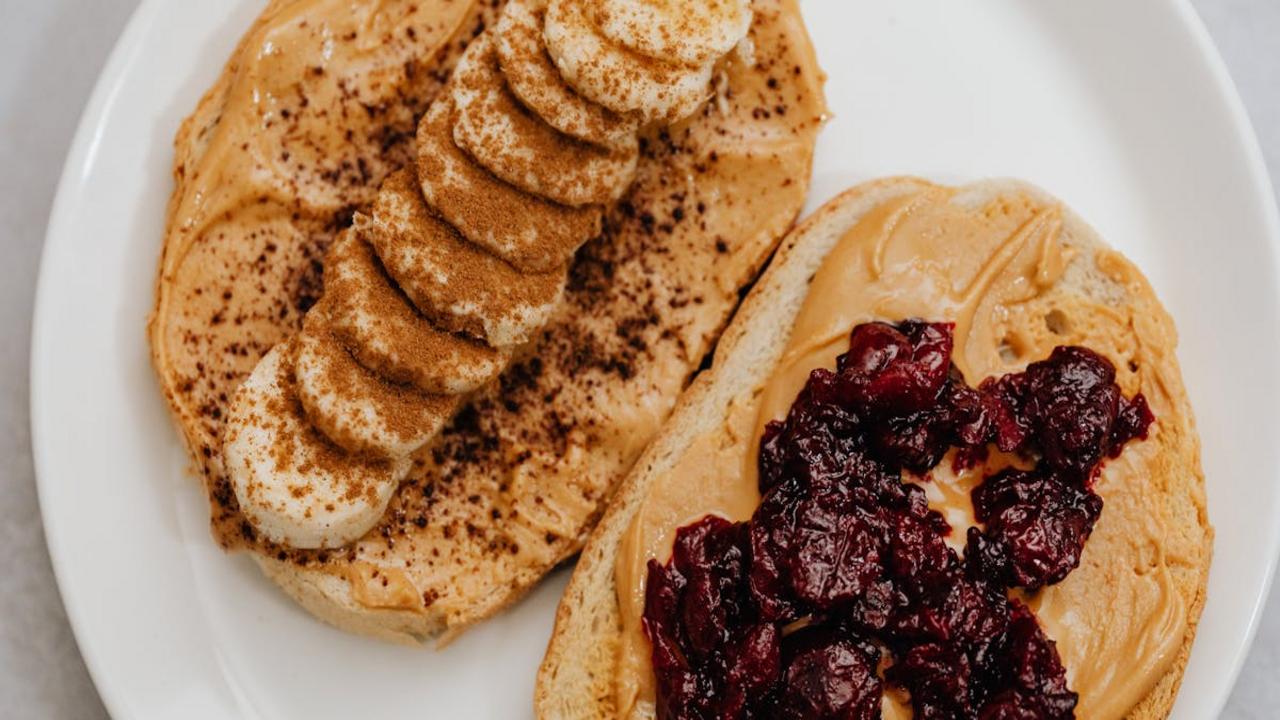
The classic PB&J sandwich stands as a symbol of American childhood, yet many international eaters find this combination downright strange. The blend of sweet grape jelly with creamy peanut butter between two soft slices of white bread has become a lunchbox staple across the United States. While Americans grow up loving this quick and satisfying meal, visitors from other countries often question why anyone would mix these ingredients together, with many finding the texture combination particularly off-putting.
I’ve noticed through my conversations with food enthusiasts worldwide that the concept of mixing peanut butter with fruit preserves seems particularly odd to European and Asian diners. Many cite the heavy, sticky consistency and overwhelming sweetness as main turnoffs. In Japan, where I recently discussed this cultural food divide, people prefer their sandwiches with lighter, more savory fillings. The PB&J remains a distinctly American creation that, despite its simplicity and popularity here, continues to puzzle international palates.
Mac and Cheese
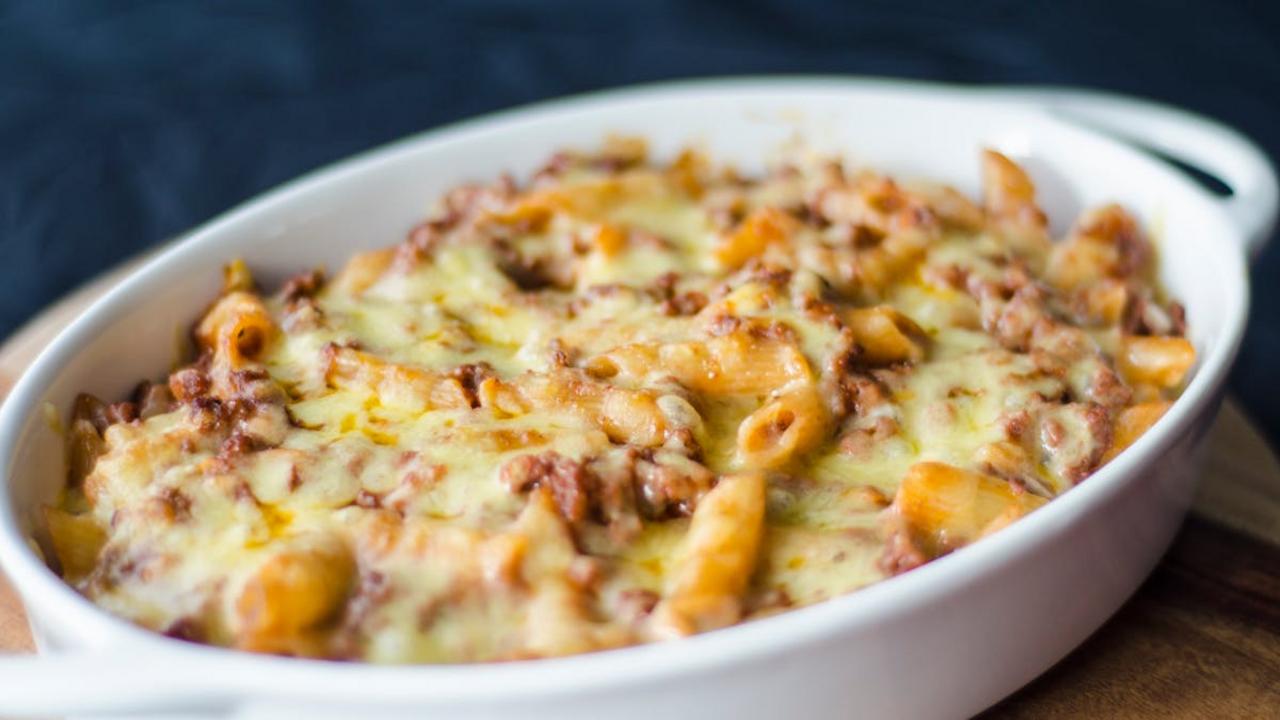
I’ve noticed many international friends raise their eyebrows at our beloved mac and cheese, especially the bright orange boxed variety that has become an American staple. While other cultures appreciate pasta and cheese separately, they often find our combination – particularly the creamy, ultra-rich sauce made from processed cheese – a bit too heavy and artificial. The concept of turning this into a main dish, rather than a side, also baffles many non-Americans who can’t fathom how we’ve turned this into comfort food royalty.
The confusion deepens with our many creative variations, from adding lobster to mixing in truffle oil or topping it with breadcrumbs. My Italian friends particularly struggle with how we’ve transformed their elegant cheese and pasta combinations into what they see as an overly indulgent dish. Yet, this simple combination of macaroni and cheese sauce remains a cornerstone of American home cooking, appearing at everything from casual dinners to holiday gatherings – even if the rest of the world doesn’t quite understand our enthusiasm for this cheesy delight.
Root Beer
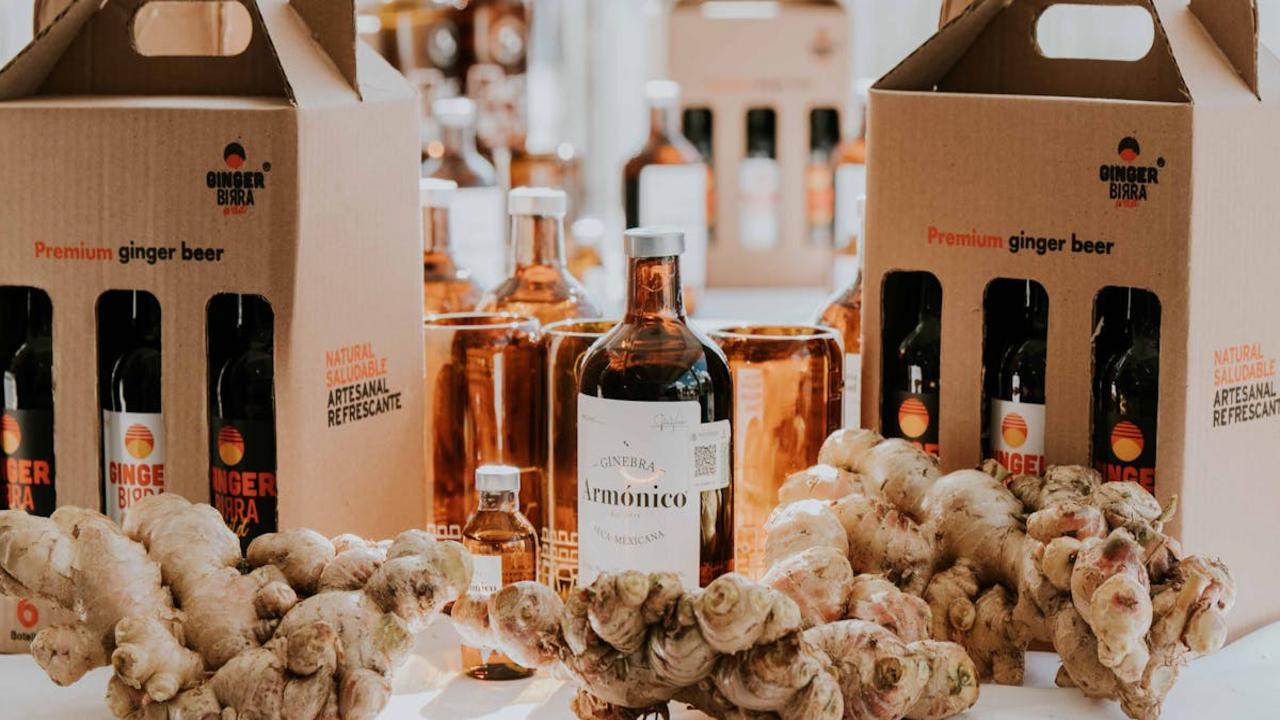
I’ve noticed how my international friends wrinkle their noses at root beer, comparing it to cough syrup or medicinal drinks. This distinctly American soda, made from sassafras root extract and wintergreen, stands as a testament to our unique flavor preferences. While many Americans grow up cherishing root beer floats and sipping this sweet, fizzy drink at baseball games, folks from other countries often find its strong, distinctive taste off-putting and strange.
The drink’s origins trace back to indigenous Americans who brewed tea from sassafras roots for its health benefits. Today’s commercial root beer brings nostalgia to many Americans – reminding them of summer afternoons at diners and ice cream parlors. But try offering it to someone from Europe or Asia, and you’ll likely see confusion or distaste. The medicinal undertones and unusual blend of flavors make root beer a beverage that remains uniquely appreciated within American borders, while leaving international visitors questioning our beverage choices.